Yes. The ASPCA lists garden mint, every Mentha species, as toxic to cats, dogs and horses because of its essential oils, and names vomiting and diarrhea as the signs “with large ingestions.” A cat that nibbles a leaf is unlikely to get more than an upset stomach. Concentrated peppermint or pennyroyal oil is the bigger danger.
Is mint toxic to cats in the same way as catnip, which is in the same family? Not quite, and the answer surprises a lot of owners.
Is mint toxic to cats in small amounts?
Mint is toxic to cats, but the ASPCA mint entry ties its signs to large ingestions, so a nibble is a mild risk. Spearmint, peppermint and the rest of the garden mints fall under the same Mentha listing.
The problem is the oil inside the leaf. The Merck Veterinary Manual explains that cats are more sensitive to essential oils than other animals because they’re deficient in glucuronyl transferase, a liver enzyme that helps break those compounds down. A leaf holds a little oil. A bottle holds a lot.
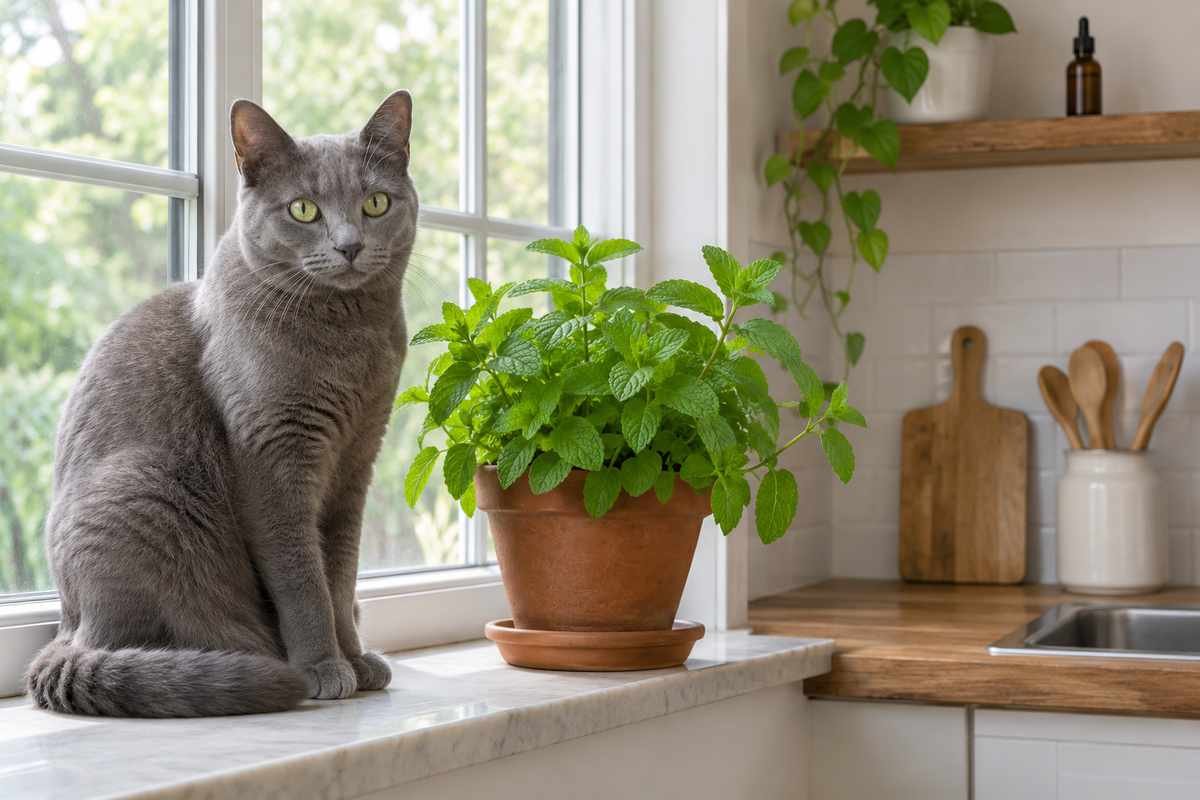
Mint leaves vs peppermint oil
The form of mint matters more than the plant. Fresh or dried leaves sit at the low end of the risk; concentrated oil sits at the high end.
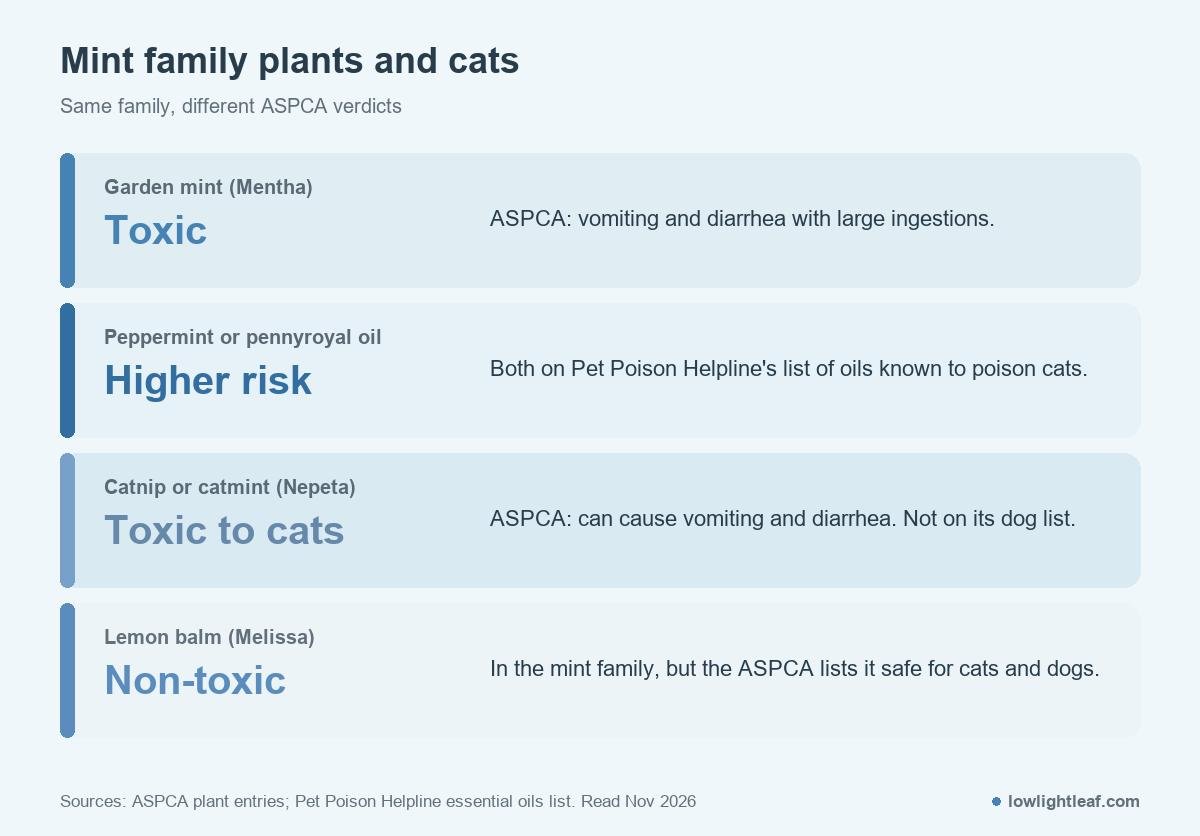
Higher risk: concentrated peppermint or pennyroyal oil. Pet Poison Helpline names peppermint and pennyroyal among the essential oils known to poison cats, alongside tea tree, wintergreen, citrus and eucalyptus, and says concentrated oils should never go directly on a cat. Merck lists pennyroyal both among oils that can damage the liver and among oils that can cause seizures.
Diffusers deserve the same care. Merck says active diffusers carry extra risk for cats because oil droplets land on fur and get groomed off, and advises keeping pets out of the room while one runs, ventilating afterward and running it for under 30 minutes.
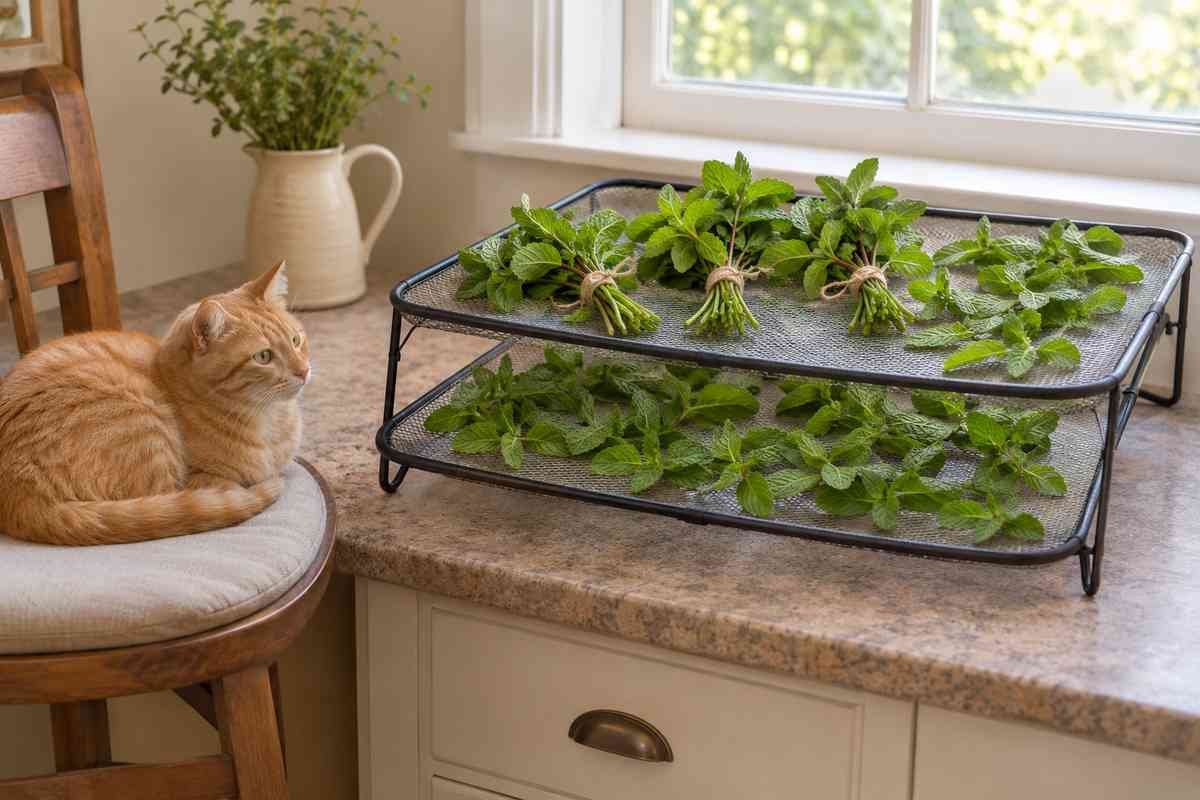
Dried mint is a common question. One of the most upvoted r/cats posts on the topic came from an owner drying mint for tea:
“Hey! I’ve been drying some mint for tea and discovered that my cat just likes to lie around it. He just likes the texture and sound. He doesn’t chew on it or ingest in any way. Is it safe? Is mint toxic for cats?”
– r/cats, July 2026 (19,204 upvotes)
I couldn’t find a veterinary source on cats lying in dried mint without eating it. The ASPCA’s signs are tied to eating large amounts, so lying on it sounds low risk, but a cat that rolls in leaves will also groom, and I’d move the drying rack somewhere the cat can’t nap.
Catnip, catmint and lemon balm
Catnip and catmint aren’t garden mint, and the ASPCA still lists catnip as toxic to cats. Its entry for Nepeta cataria, which also goes by catmint and catswort, says many cats love it but it can cause vomiting and diarrhea, and that it sedates some cats and stimulates others. It isn’t on the dog list at all.
That runs against a common claim that catnip is completely safe. A sprinkle of dried catnip on a toy is what most cats get, and that’s a far cry from a cat eating a potted plant down to the stems. The ASPCA verdict is about eating it, not sniffing it.
Lemon balm (Melissa officinalis), sometimes sold as balm mint, is the reverse case: it’s in the same Lamiaceae family as mint, and the ASPCA lists it as non-toxic to cats, dogs and horses.
Cats often react to the smell of mint in general. One reply in the dried-mint thread made the connection:
“My cat would go crazy trying to get into my mouth after I brushed my teeth. It makes sense now that I know that catnip is in the mint family.”
– r/cats (2,264 upvotes)
I didn’t find a veterinary source on mint toothpaste or gum residue and cats, so I won’t guess at it here.
Which herbs are safe for cats?
Basil, cilantro, dill, rosemary, sage and lemon balm are on the ASPCA’s non-toxic list for cats, while mint, catnip, chamomile, lavender, oregano and parsley are on its toxic list. Here’s how a kitchen-herb windowsill sorts out:
| Herb | ASPCA verdict for cats | What the ASPCA notes |
|---|---|---|
| Basil | Non-toxic | No signs listed |
| Cilantro | Non-toxic | No signs listed |
| Dill | Non-toxic | Skin irritation with prolonged contact |
| Lemon balm | Non-toxic | Mint family, still safe |
| Rosemary | Non-toxic | No signs listed |
| Sage | Non-toxic | No signs listed |
| Mint | Toxic | Vomiting and diarrhea with large ingestions |
| Catnip | Toxic | Vomiting and diarrhea; sedation or excitement |
| Chamomile | Toxic | Vomiting, diarrhea, skin reactions |
| Lavender | Toxic | Nausea, vomiting, loss of appetite |
| Oregano | Toxic | Mild vomiting and diarrhea |
| Parsley | Toxic | Sun sensitivity; large amounts needed |
Rosemary is the herb people most often expect to be a problem and isn’t; the article on whether rosemary is safe for cats explains why. Lavender is the opposite, and its own page sorts the plant from the oil.
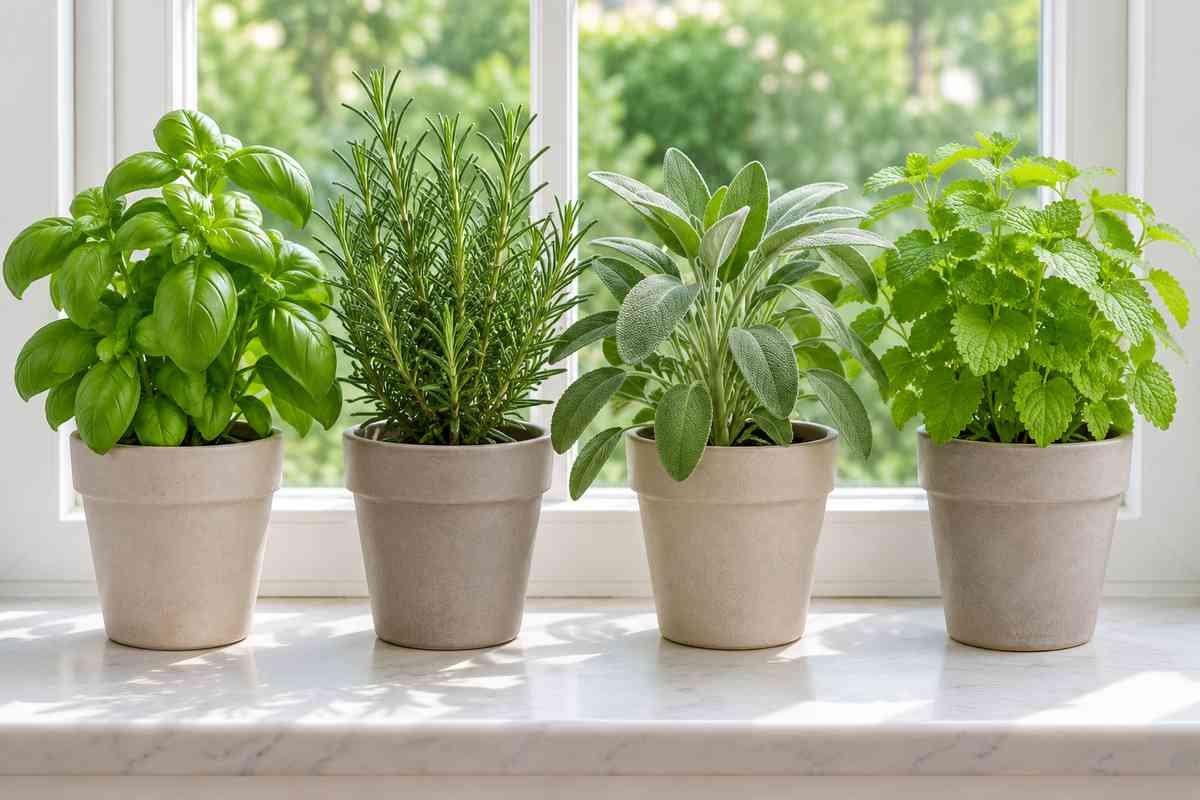
My cat, Miso, is the reason every herb gets looked up on the ASPCA list before it lands on my windowsill. The plant toxicity checker holds all twelve of these, plus more than a hundred houseplants and flowers.
What to do if your cat ate mint
If your cat ate a few mint leaves, watch for vomiting or diarrhea; if it ate a lot of the plant or got into peppermint or pennyroyal oil, call your vet, the ASPCA Animal Poison Control Center at (888) 426-4435 or Pet Poison Helpline at (855) 764-7661.
- A few leaves: mild stomach upset is the most likely outcome, per the ASPCA’s “large ingestions” note.
- Most of a plant: call for advice, with a rough idea of how much is gone.
- Oil swallowed, licked off fur or spilled on the coat: call right away. Don’t try to make your cat vomit; Merck warns against it with essential oils because of the risk of breathing oil into the lungs.
- Breathing trouble near a diffuser: move the cat to fresh air and call. Pet Poison Helpline lists watery eyes, drooling, fast or labored breathing, coughing and wheezing.
A mint plant on a high shelf is a small risk. A bottle of peppermint oil within reach of a curious cat is the one to move today.

Ellie Marsh
Houseplant grower who spent years in a north-facing apartment. Writes practical care guides for low light homes, checked against extension and botanical garden sources.