
Spider plant (Chlorophytum comosum): Everything You Need To Know
Explore how spider plants grow, adapt, and thrive indoors, from propagation and growth habits to common problems.
- Moderate Watering
- Beginner Friendly
- Pet Safe
Some indoor plants last a season. Others end up staying for years, not because you planned it that way, but because they just keep going. That is exactly what the spider plant does. Scientifically, known as Chlorophytum comosum, though most people know it as ribbon plant or spider ivy; whatever name you have heard, it is probably the same cheerful, stripy-leaved plant sitting in someone’s window nearby.
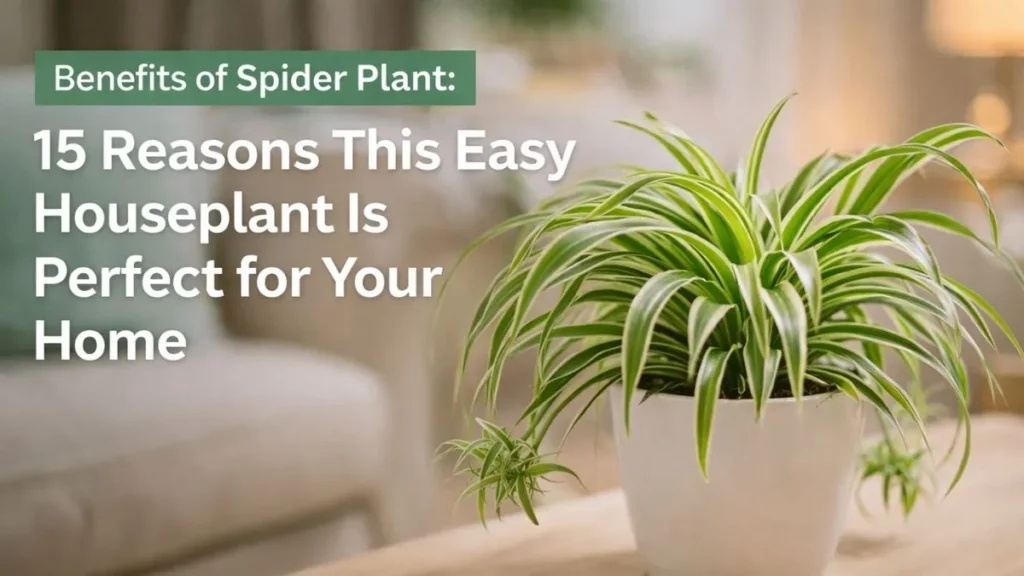
People grow it in apartments, bedrooms, offices, on shelves, and in hanging baskets. It does not really care where you put it and for anyone sharing space with animals, it is also one of the few indoor plants safe for pets that genuinely earns a permanent spot. And honestly? Even if you are not the most attentive caretaker, this plant has a way of forgiving you and still growing.
Maybe your spider plant has started developing brown tips. Maybe it looks healthy, but it refuses to produce baby plants. Or perhaps you are simply trying to understand where to place it, how it grows indoors, or whether it is the right plant for your space.
Whatever brought you here, this hub is designed to bring everything together in one place, from propagation and indoor growth habits to common problems, long-term maintenance, and the small details most beginner guides usually overlook.
Why Spider Plants Never Really Go Out Of Style
Talk to anyone who has kept houseplants for a while, and there is a strong chance a spider plant was part of that story somewhere. Some people remember it from a childhood windowsill. Others bought one for a tiny apartment and somehow still have descendants of that same plant years later. Few low light plants for indoors stay around that long unless they genuinely earn their place.
Part of the appeal is definitely visual. Those striped leaves arch outward in every direction, and somehow, even a plain corner starts feeling softer once this plant is in it. If strong leaf patterns appeal to you, exploring snake plant varieties shows just how much visual range a single species can offer. Then something interesting happens as it matures. It starts sending out these dangling little offshoots, baby spiderettes, and suddenly your plant has movement, personality. Most houseplants just sit there. This one actually does something.
Explore Spider Plant Guides
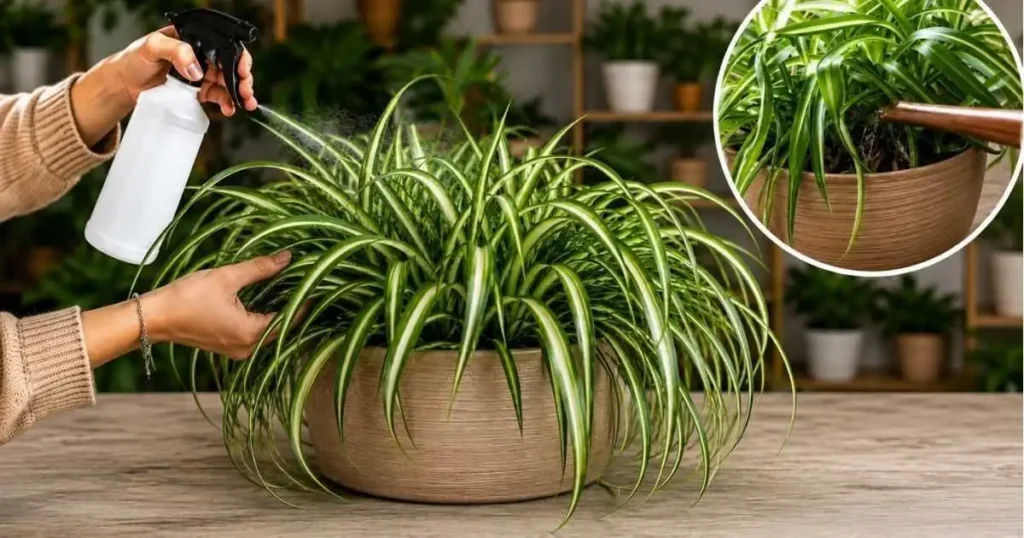
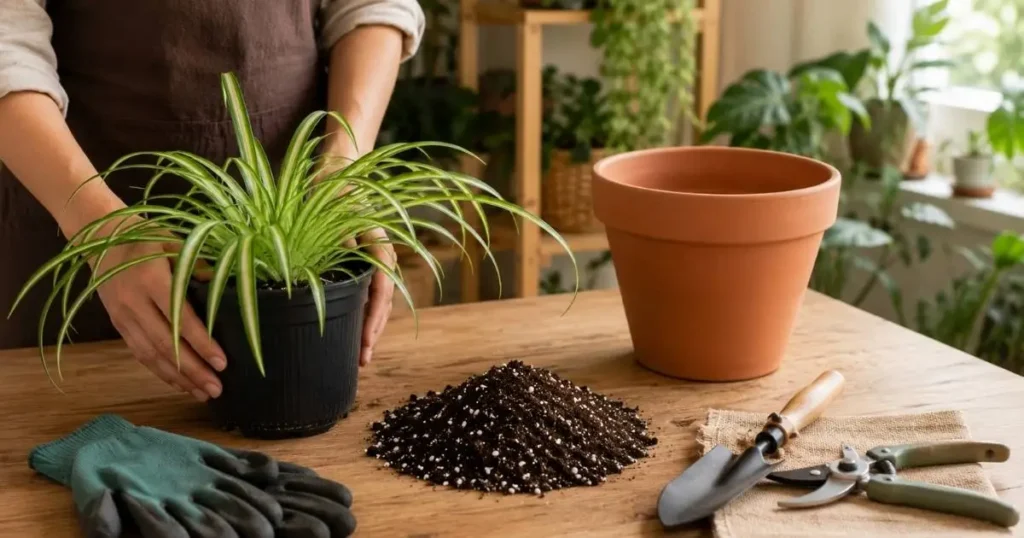
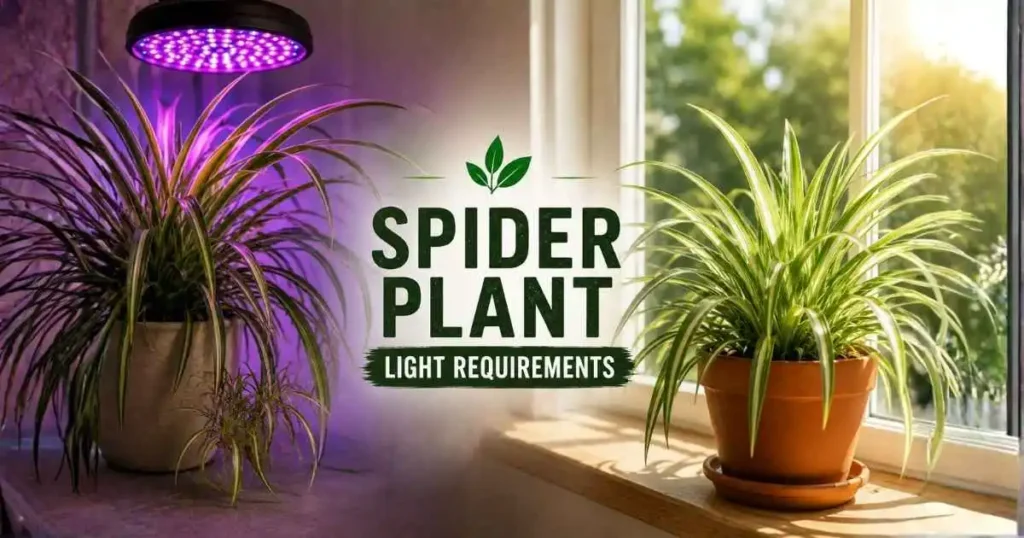
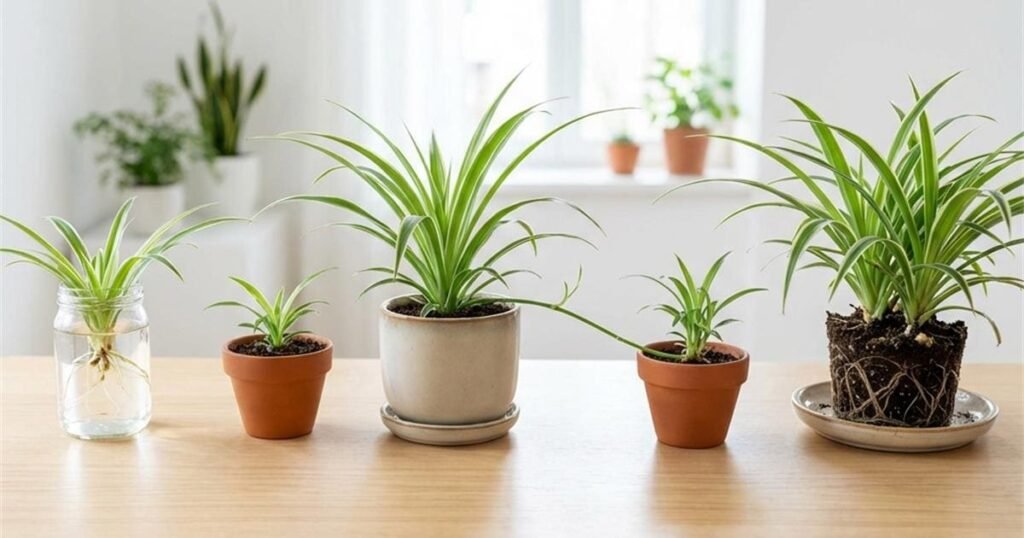
Whether you are new to spider plants or already trying to understand why yours behaves the way it does, the guides below explore every major part of growing this plant indoors. You can learn about everyday care, propagation, growth habits, watering, lighting, and how spider plants change as they mature over time.
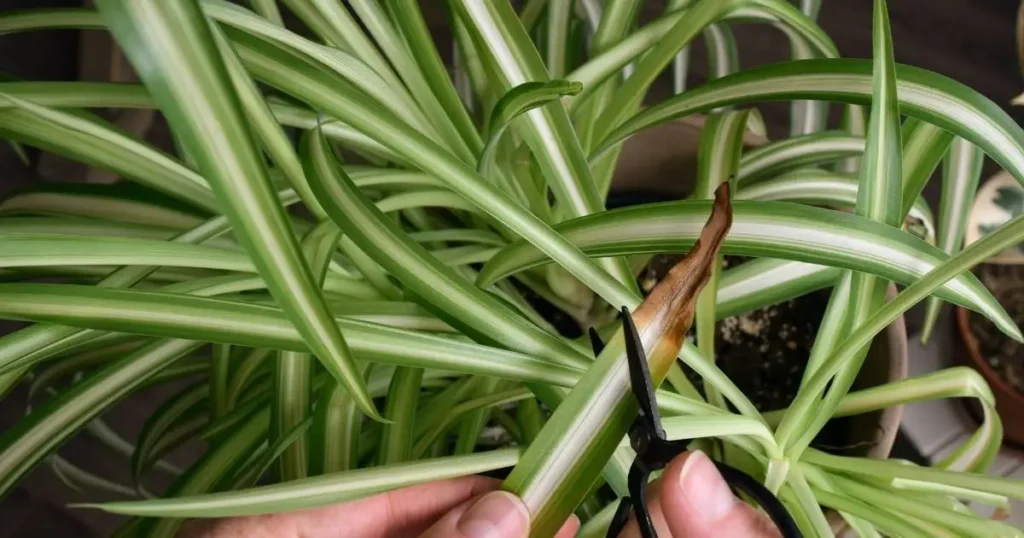
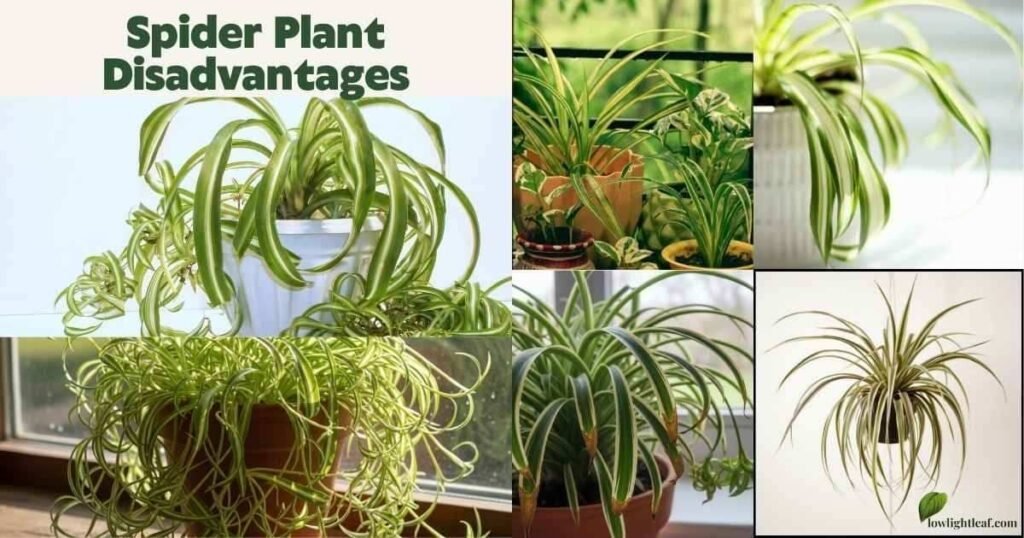
There are also detailed guides covering common indoor challenges, such as brown tips, yellowing leaves, root crowding, and fast-spreading runners. All part of what makes Chlorophytum comosum one of the most thoroughly documented houseplants grown indoors today.
Things New Spider Plant Owners Usually Don’t Expect
| What Usually Surprises People | What Actually Happens |
|---|---|
| The plant stays compact forever | Mature spider plants naturally spread outward and become much wider over time. |
| Brown tips always mean the plant is dying | Minor browning is extremely common indoors, even on otherwise healthy plants. |
| Growth should stay consistent year-round | Spider plants usually slow down during colder or darker months. |
| One pot will last for years | Mature roots can fill containers surprisingly quickly. |
| Baby plants appear immediately | Spiderettes usually develop once the plant becomes older and more established. |
| The plant will always look neat and upright | Older spider plants often develop a fuller, looser, and more layered appearance. |
If trailing plants appeal to you, our pothos plant hub covers everything from care to propagation in one place.
How Spider Plants Change As They Mature
A spider plant does not look or behave the same at six months as it does at two years. Most people do not realise this, and honestly, that gap in understanding is where a lot of unnecessary worry comes from.
Early Growth
When it is young, the plant stays fairly compact. Leaves grow upright, the shape looks tidy, and growth feels slower than most people expect. Many beginners assume something is wrong at this stage, but the plant is usually simply settling in, something any beginner guide to indoor plants will tell you is completely normal across most houseplant species. Most of the early activity happens below the soil surface as the roots quietly establish themselves before visible growth begins to speed up.
Expansion Phase
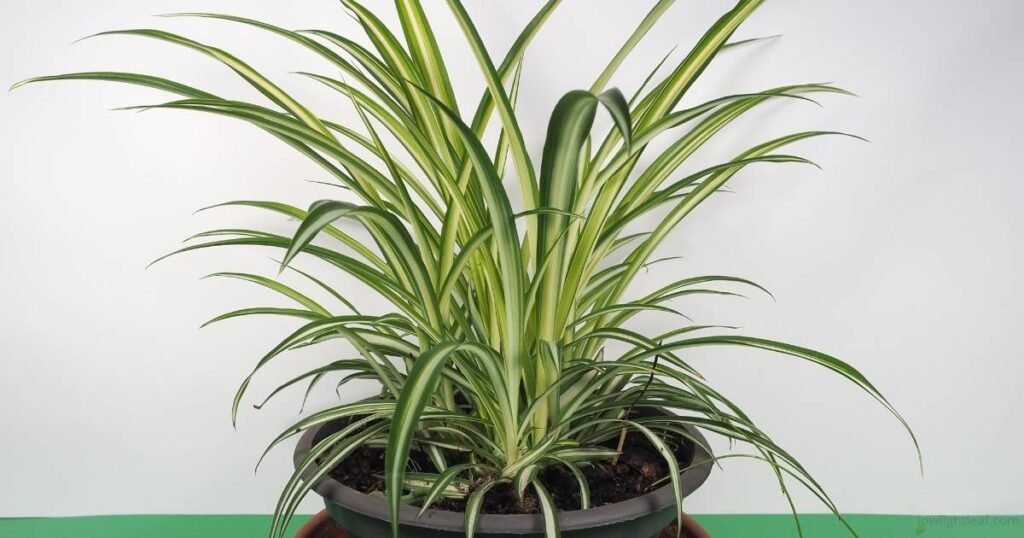
Then, gradually, the plant begins to change shape. Leaves start arching outward instead of standing upright, and the overall appearance becomes wider, fuller, and less structured.
A growth pattern you will also notice across different pothos plant varieties, each with their own distinct leaf shape and trailing habit. Growth speeds up noticeably, although it happens slowly enough that many people only realise the difference after comparing the plant to older photos.
Spiderette Stage
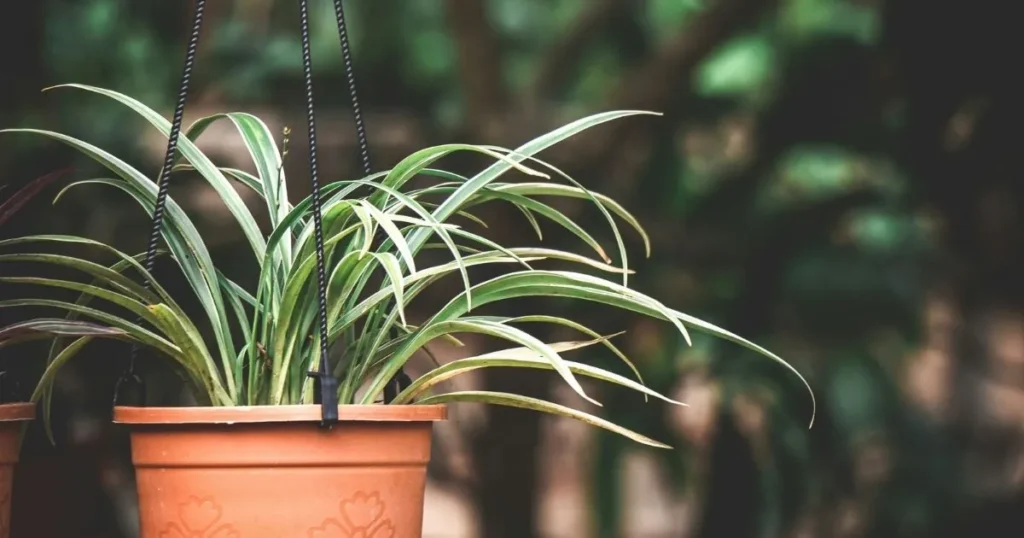
Eventually, mature spider plants begin sending out long runners from the centre of the plant. Small baby plants, known as spiderettes, develop at the ends of these stems and start hanging downward naturally. For many people, this is the stage at which the plant finally develops the dramatic trailing appearance for which spider plants are known, making them one of the most popular hanging indoor plants you can grow at home.
Full Maturity
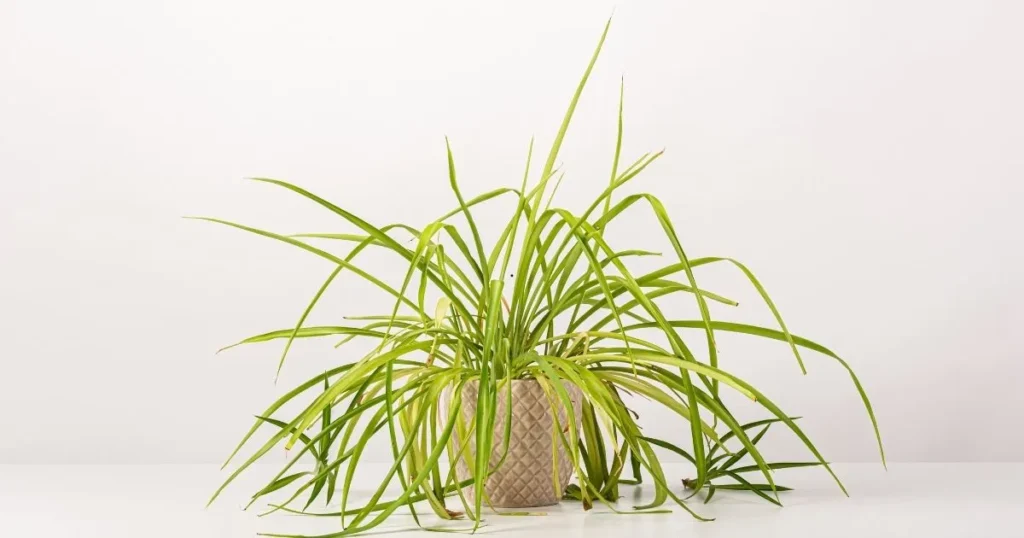
By full maturity, the root system usually fills most of the pot, the foliage hangs heavier, and the overall structure becomes wider, denser, and naturally more layered. At this point, the plant often looks less like a neat tabletop houseplant and more like something that has been actively growing and evolving indoors for years.
If you enjoy low maintenance plants with strong visual character, we cover everything about snake plants in one place.
Conclusion
Spider plants have stayed popular for a reason, and it is not just because they look good on a shelf. They fit into real homes, real routines, and, honestly, real beginners who sometimes forget to water. Most indoor plants make you adjust your life around them. This one tends to do the opposite.
The more you understand how spider plants naturally grow and behave indoors, the easier they become to enjoy long-term. And whether you are here to solve a specific problem or simply learn more about the plant itself, the guides throughout this hub will help you explore every stage of growing one indoors.
For another forgiving indoor plant that thrives in similar conditions, explore our complete peace lily guide.