
Pothos Plant: Complete Indoor Growing & Care Hub
Explore simple pothos plant guides covering indoor growing, watering, propagation, lighting, and healthy vine care for beginners.
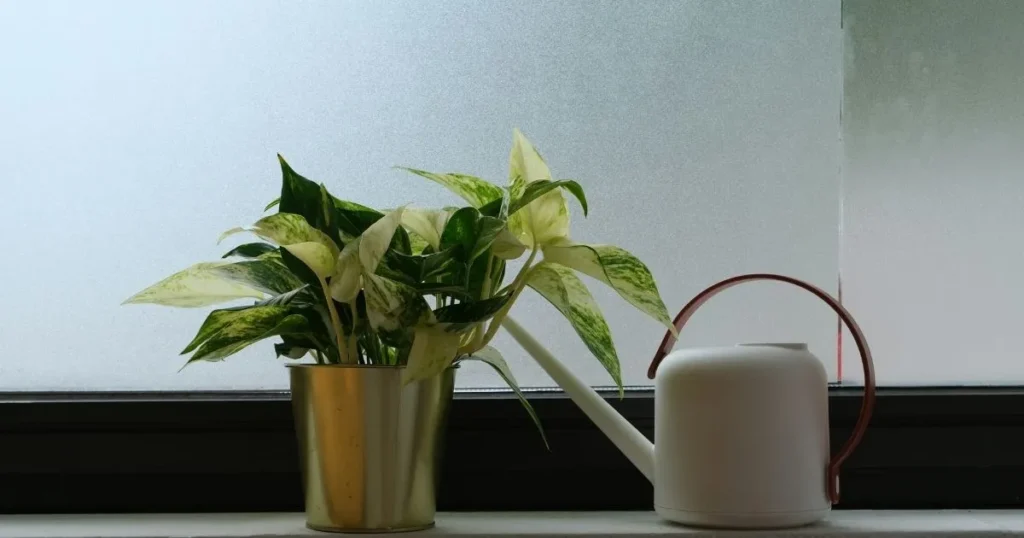
Most houseplants come with a long list of requirements: specific humidity, bright light, and careful watering routines. Pothos plants grow in dim corners, trail off shelves, climb poles, and even root in a jar of water on your windowsill, which is why they’re often recommended among the best low-light indoor plants for beginners. Honestly, it’s the plant that makes you feel like you actually know what you’re doing.
Pothos (Epipremnum aureum), commonly known as Devil’s Ivy, earned its reputation for staying green even in less-than-perfect conditions. But there’s a clear difference between a pothos that simply survives and one that produces long, full, healthy vines. That usually comes down to a few essentials: proper light placement, balanced watering, choosing the right variety, and knowing how to propagate one plant into many.
This hub brings all our pothos plant guides together in one place, helping you explore everything from indoor growing tips and propagation to troubleshooting and long-term plant care.
Quick Pothos Plant Overview
| Feature | Details |
|---|---|
| Botanical Name | Epipremnum aureum |
| Common Names | Pothos, Devil’s Ivy, Golden Pothos |
| Plant Type | Trailing indoor vine |
| Light Needs | Bright indirect light to lower-light spaces |
| Watering | Water when the top 1–2 inches of soil feel dry |
| Growth Rate | Fast-growing, up to 12–18 inches per month |
| Toxicity | Toxic if chewed by pets or children |
| Native Region | Tropical Asia |
explore Pothos Plant Guides
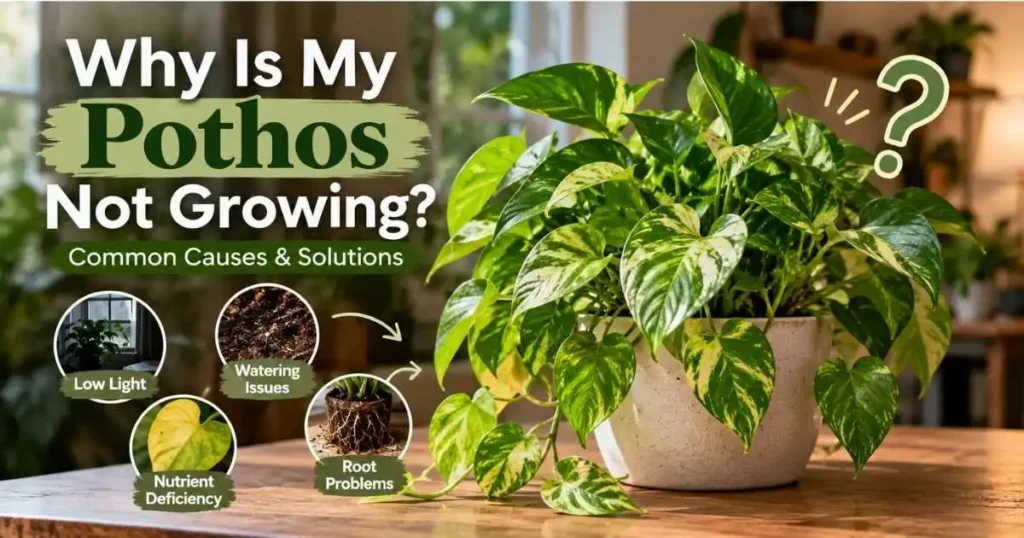
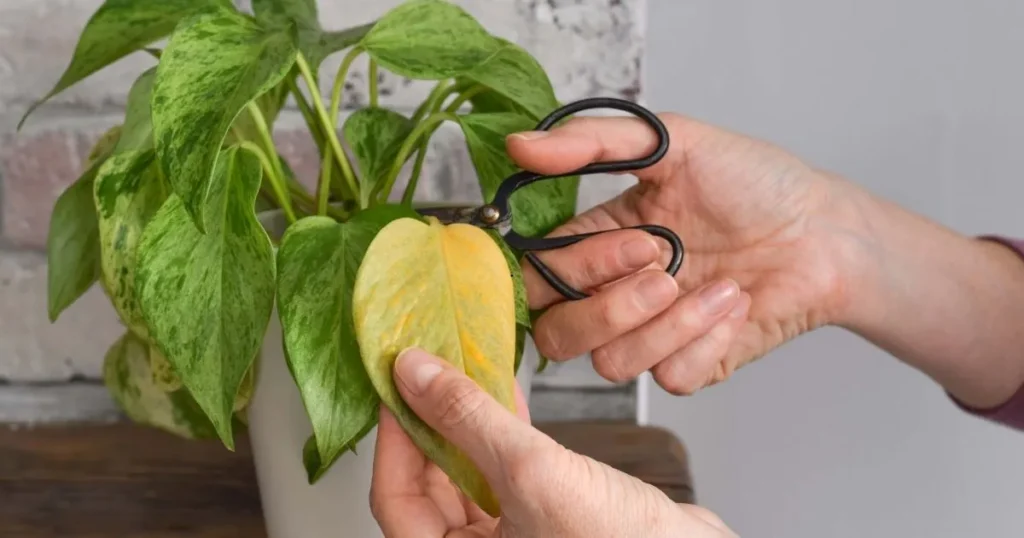
If your pothos has started looking leggy, droopy, pale, or slower than usual, the guides below will help you figure out what’s changing and how to improve it. From watering routines and light placement to propagation, repotting, yellow leaves, and fuller vine growth, each guide focuses on a specific part of growing healthy pothos plants indoors without overcomplicating the process.

Why Pothos Plants Are So Popular Indoors
Pothos has been a go-to indoor plant for years and honestly, it’s earned it. Trailing vines, easy growth, and the ability to keep growing even in lower light rooms make it one of the easiest plants to live with. It softens shelves, livens up office desks, and adds greenery to spaces where many houseplants struggle.
Walk into almost any home, café, or office with plants, and there’s a good chance pothos is somewhere in the room. It’s become one of the first plants people reach for, not just because it’s easy, but because it genuinely looks good indoors.
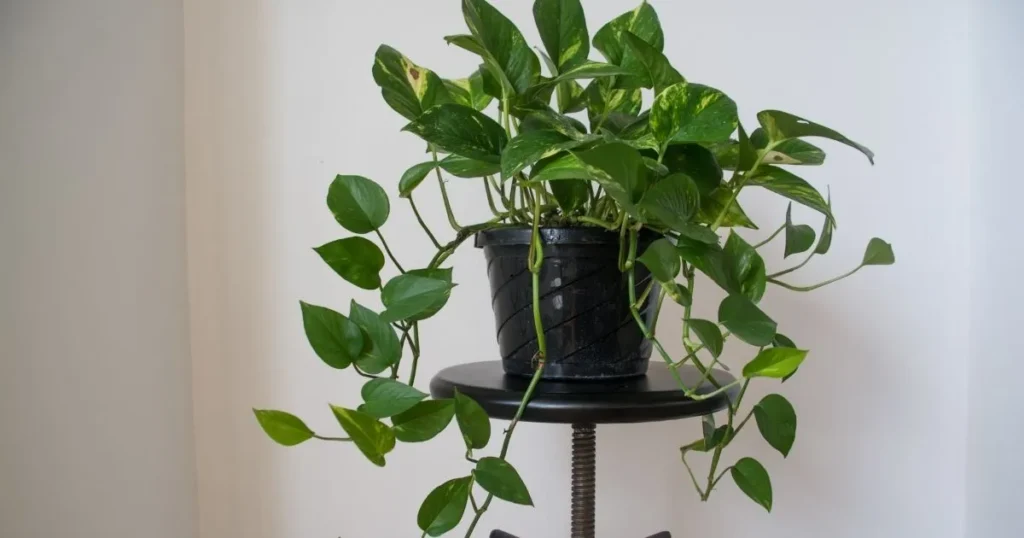
Those long, cascading vines have a way of making shelves feel styled, corners feel softer, and rooms feel more alive. That natural trailing growth is one reason pothos is featured in guides about the best hanging indoor plants for apartments, shelves, and smaller indoor spaces.
Want a plant you can grow, train up a pole, let trail across a wall, or propagate into dozens of new cuttings? Pothos handles all of it with very little effort. That kind of versatility is rare, which is why it continues to show up in so many indoor spaces.
What Helps Pothos Stay Full And Healthy Indoors
A healthy pothos usually becomes more attractive over time. As the vines mature, the plant starts looking fuller, softer, and more established instead of thin or recently potted. You’ll notice the biggest improvements coming from small adjustments moving the plant closer to natural light, trimming back long vines, or simply leaving it in one stable spot long enough to settle in.
Indoor pothos also responds gradually to its environment. Plants that stay in consistent conditions usually grow more evenly, while constant moving, irregular watering, or darker corners can leave vines looking stretched or sparse. Even in dimmer rooms, pothos adapts more reliably than many indoor plants grown in lower light conditions. The rewarding part is how visibly pothos changes as it matures, even a small cutting can eventually turn into a long, cascading plant that completely changes the feel of a shelf, desk, or room.
Best Places To Grow Pothos Indoors
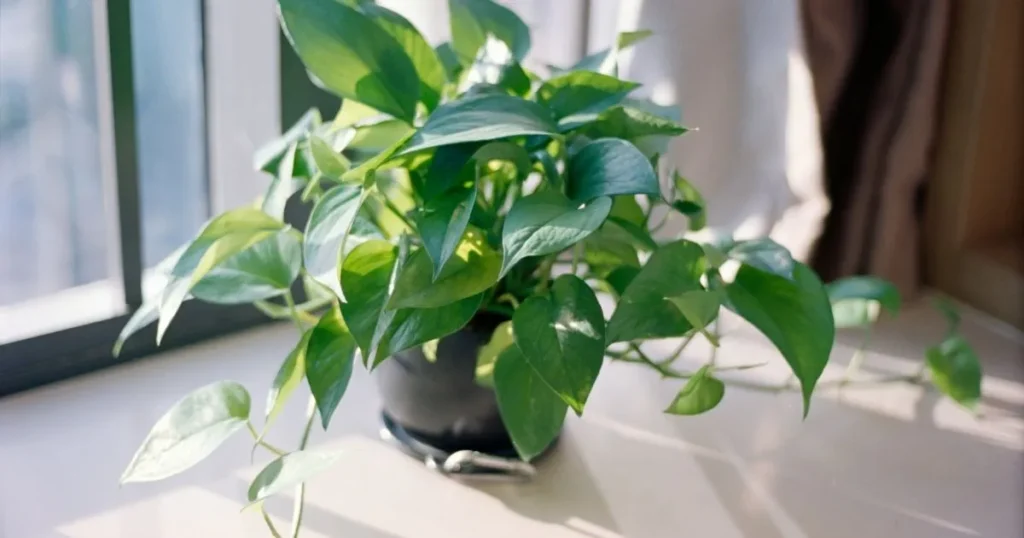
Pothos fits into almost any indoor space because it does not need direct sunlight or high humidity to survive. In homes with curious cats or dogs, many people instead choose pet-friendly indoor plants for shelves, corners, and other easy-to-reach spaces.
Shelves and bookcases: Trailing vines spill over edges naturally, adding greenery without taking floor space.
Hanging baskets: Cascading growth looks best when the plant has room to drape freely from ceiling hooks or wall mounts.
Office desks: Compact pots with short vines stay manageable and improve the feel of any work corner.
Bedrooms: Indirect light near an east-facing window keeps growth steady while the plant quietly filters indoor air.
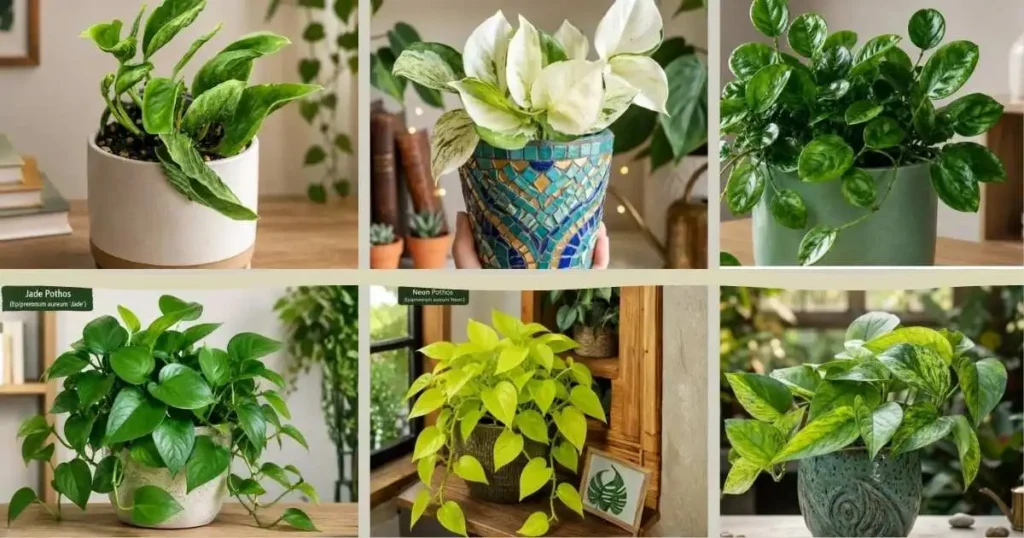
Bathrooms: Natural humidity from showers supports leaf health, especially for varieties like Marble Queen and Neon Pothos.
Low-light corners: No other common houseplant handles dim indoor spaces as reliably as pothos does.
Why People End Up Owning More Than One Pothos
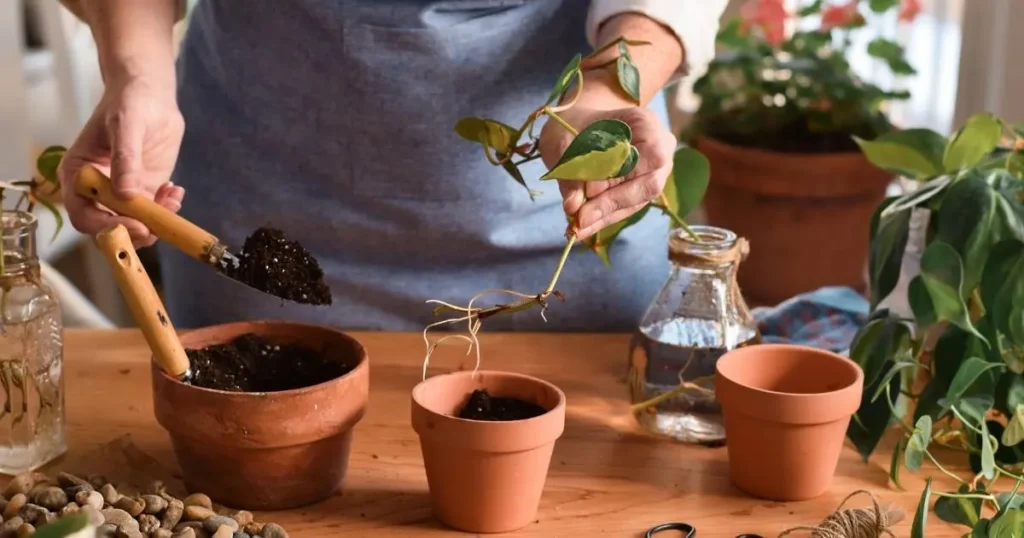
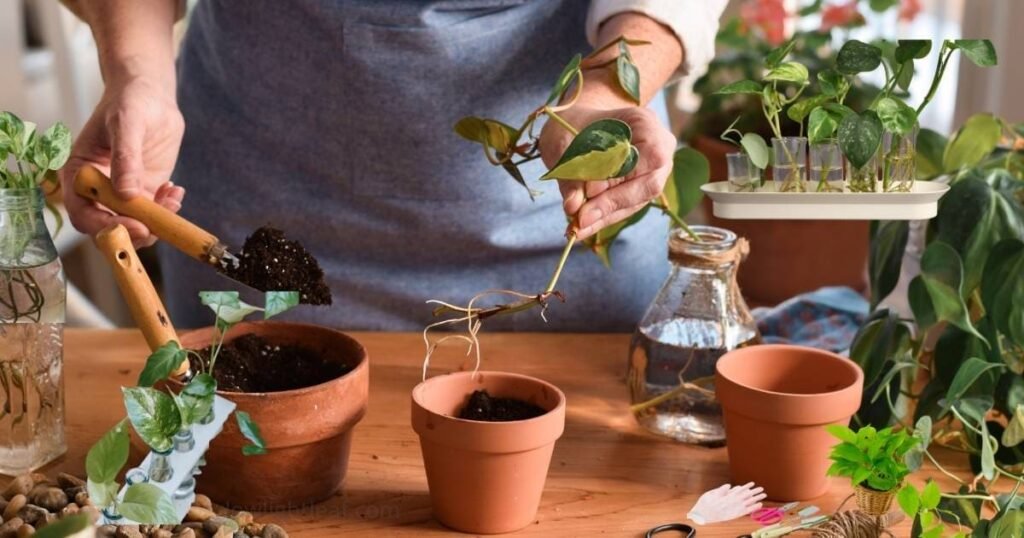
It usually starts with a single plant, then a cutting sits in water on your kitchen counter, another trails off your bathroom shelf, and suddenly there are four pothos in your home without any real plan behind it. That’s just how this plant works. Propagation is genuinely simple: snip a node, place it in water, and within weeks you have a rooted cutting ready for a new pot.
Beyond propagation, pothos comes in enough distinct varieties that collecting them starts feeling less like an accident and more like a quiet hobby you didn’t see coming. From golden pothos and satin pothos to Marble Queen and N’Joy, each one grows a little differently, fills your space differently, and brings its own texture and color into the rooms you actually live in. Most people don’t plan on becoming pothos collectors, but then you take one cutting, find a new variety you like, and suddenly it just keeps happening.
If you prefer upright, low-maintenance houseplants, you can explore beginner-friendly snake plant care guides covering indoor growing, watering, propagation, lighting, and common plant problems.
For softer tropical foliage and flowering houseplants, you can browse detailed peace lily care guides covering watering routines, drooping leaves, propagation, brown tips, and healthy indoor growth.
FAQs About Pothos Plant
Why is pothos considered a beginner-friendly plant?
Pothos adapts well to indoor conditions and usually continues growing even when care isn’t perfect, which makes it one of the easiest houseplants for beginners to manage.
What makes pothos different from other indoor plants?
Unlike many houseplants that need stable humidity or strong sunlight, pothos adjusts easily to normal indoor spaces and can grow as both a trailing or climbing plant.
Can pothos be grown in hanging baskets and wall planters?
Yes. Pothos naturally produces long trailing vines, which is why it’s commonly grown in hanging baskets, floating shelves, and vertical indoor plant setups.
Why do pothos vines become thin or leggy indoors?
Leggy growth usually happens when the plant stays too far from natural light for long periods, causing the vines to stretch toward brighter areas.