
Last updated on October 11, 2026
The Pothos plant is one of the most popular indoor plants because it combines easy care with fast, healthy growth. If you’ve been searching for simple pothos plant care, wondering how to keep a pothos healthy indoors, or looking for a low-maintenance houseplant that adapts easily to different rooms, you’ve come to the right place. Known as Devil’s Ivy (Epipremnum aureum), this trailing indoor vine grows well in homes, offices, bedrooms, and low-light spaces, making it one of the most reliable low-light indoor plants for beginners.
One of the practical benefits of pothos plants is that they continue growing well even if you don’t have perfect lighting or advanced plant care experience. With proper placement and basic care, pothos maintains strong foliage year-round and remains easy to manage indoors. Understanding its light, watering, soil, and general care needs makes it much easier to grow a healthy pothos plant with minimal effort.
As you’ll see below, this guide covers pothos plant care indoors, including light requirements, watering, soil, fertilizer, propagation, and the low-maintenance benefits that make golden pothos one of the most reliable indoor plants for beginners.
What Are Pothos Plants?
Pothos are fast-growing indoor vines that bring quick greenery to your space. As they are easy to care for and have a striking appearance. They do well inside, adjust easily to different rooms, and can grow 12 to 18 inches each month if conditions are right.
This plant has heart-shaped leaves, often marked with white, yellow, or light green patterns. Pothos grows well in homes, offices, bedrooms, and even low-light areas. However, it is toxic to pets, so make sure to keep it away from cats and dogs.
You can browse more easy-care indoor plant guides for busy plant owners if you want similar low-maintenance options for different rooms.
Common Names:
Pothos, Golden Pothos, Devil’s Ivy
Scientific Name:
Epipremnum aureum
Family:
Araceae
Plant Type:
Trailing vine
Mature Size:
Grows 20–40 ft in length and spreads 3–6 ft wide
Soil pH:
Neutral to slightly acidic
Blooming:
Rare indoors
Flower Colors:
Yellow-gold or soft purple tones
Hardiness:
USDA Zones 10–12
Native Range:
Tropical Asia
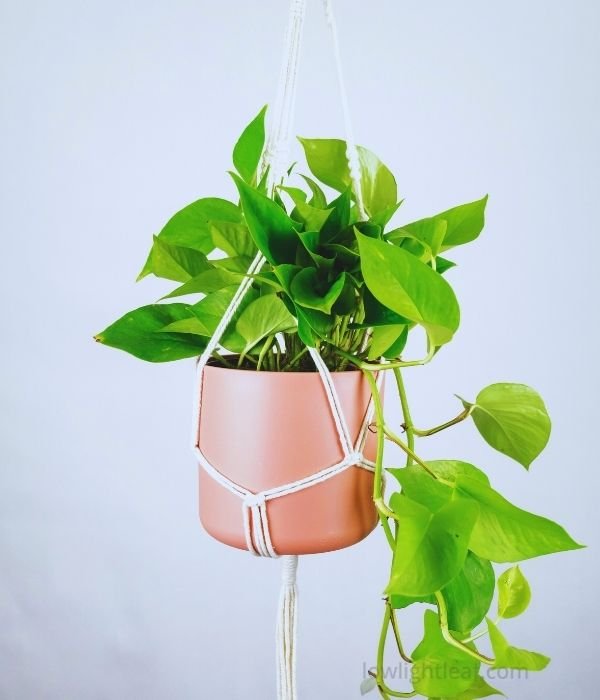
For more detailed, science-backed plant information, you can check the Pothos profile on the Missouri Botanical Garden.
Warning: Are Pothos Plants Poisonous?
If you have pets or children at home, you should know that pothos plants are toxic if chewed or swallowed. Their leaves and stems have small calcium oxalate crystals that can irritate the mouth, throat, and stomach.
If ingested, pothos may cause:
- Burning or swelling in the mouth
- Throat irritation
- Drooling or difficulty swallowing
- Stomach discomfort or vomiting
Although pothos is loved for its easy care, homes with curious cats or dogs may be better suited to pet-safe indoor plants that are non-toxic to animals.
How to Plant Pothos?
Planting a pothos is easy, which makes it a great choice for beginners. No matter if you use a hanging basket, a shelf planter, or a regular indoor pot, following a few simple steps will help your plant stay healthy and grow long, trailing vines.
➦ Choose a pot with drainage: Pothos roots don’t like sitting in excess water, as soggy soil can lead to root rot and unhealthy growth.
➦ Use well-draining soil: A good indoor potting mix or soilless mix works well. You can add perlite or coco coir to improve drainage and keep the roots healthy.
➦ Pot style options: Pothos vines naturally spill over shelves and baskets, which is why they’re often featured among the most stylish hanging indoor plants for small spaces. These options let the vines trail naturally indoors.
➦ Growing support: If you want your pothos to climb instead of trail, you can guide the vines along walls, moss poles, or trellises. Just remember that over time, the aerial roots may start attaching themselves to painted or textured surfaces.
Tip: For easy care, place your pothos in bright, indirect light and let it trail naturally. To understand Light Concept and Positioning your plants you can read The Ultimate Indoor Plant Guide.
Benefits of Pothos Plant
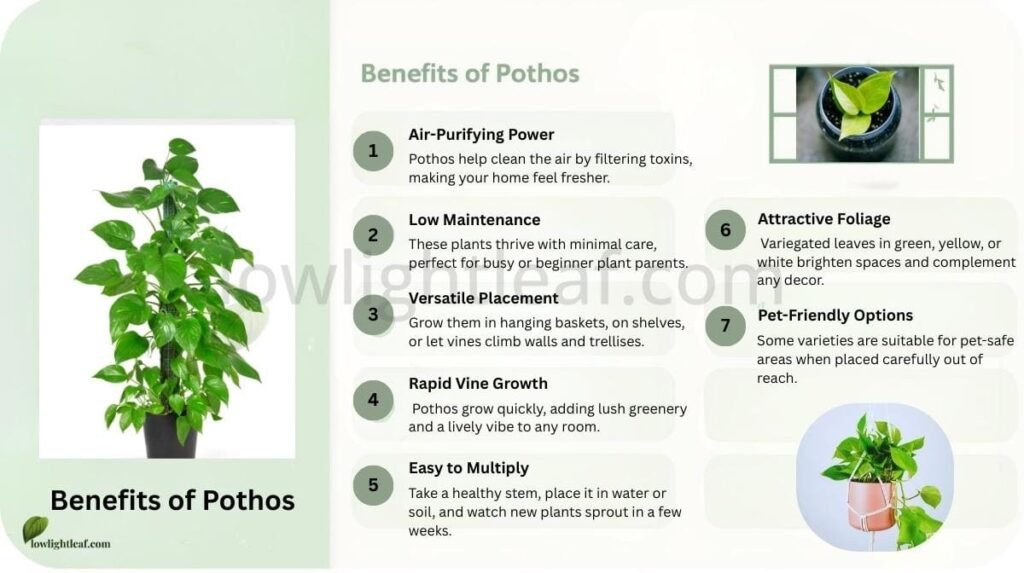
Pothos is a favorite because it is easy to care for and offers several practical benefits indoors. Thanks to its adaptability and forgiving nature, pothos is often recommended alongside other easy indoor plants that thrive with minimal care. It grows well in many lighting conditions, fits easily into homes or offices, and is simple enough for beginners to manage. As the infographic below shows, pothos stands out for its low-maintenance growth, quick-growing vines, attractive leaves, and simple propagation. These qualities make pothos a dependable choice for anyone who wants to add greenery without much work.
If you want a deeper look at air purification, low-light adaptability, humidity support, mental wellness, and other practical pothos plant benefits, our complete guide to pothos plant benefits for indoor spaces and beginners covers each advantage in detail.
How to Care for Pothos Plant?
Caring for a pothos plant is easy once you know how it responds to indoor conditions. If you notice yellow leaves, weak growth, or long, thin vines, it usually indicates an issue with light, water, or soil. Give your pothos enough light, use soil that drains well, water it regularly but not too much, and feed it now and then. This will help your plant stay healthy and grow strong leaves. If these basic adjustments don’t improve the plant’s overall performance, see what to check when new Pothos leaves stop growing. Pothos can thrive in a hanging basket, on a shelf, or as a climber on a support, and it does well in most indoor spaces with little effort.
Light Need For Pothos Plant
Pothos adapts surprisingly well to dimmer areas and can tolerate lower-light indoor conditions. If your plant receives too much shade, variegated leaves may lose their patterns and turn solid green. Direct sunlight, however, can fade or scorch the foliage. It is best to place your pothos in a spot with filtered indoor light to support healthy leaf color and steady growth.
The right placement depends on Pothos light preferences and indoor conditions, especially when choosing between a brighter window and a dimmer room.
Soil Requirement
Pothos likes loose, well-draining potting soil that lets extra water drain away. Indoor Pothos soil with perlite or coco coir helps air reach the roots and keeps the soil from getting too wet. For steady growth, prefer slightly acidic to neutral soil with a pH between 6 and 7.
Water
Water your pothos when the top inch or two of soil feels dry, instead of sticking to a set schedule. If the leaves droop a little, the plant is probably thirsty, but constantly soggy soil can lead to root rot. For exact watering intervals by season, light, and pot type, check our full watering guide. Mild drooping usually means your pothos needs water, but constantly soggy soil can lead to the same yellowing issues commonly discussed in snake plant overwatering and yellow leaf problems.
Temperature
Pothos grows well indoors if the temperature stays above 50°F. The best range for healthy leaves and vines is between 65 and 75°F. Cold drafts or sudden drops in temperature can slow growth and stress the plant.
Humidity
Pothos can handle normal household humidity, but moderate humidity helps the leaves grow fuller and healthier. If the air in your home is very dry, try placing the plant near a bathroom, kitchen, or a humidifier to provide better conditions.
our complete peace lily care collection for indoor growing covers several humidity-friendly plant care tips as well.
Fertilizer
Nourish your pothos with a balanced houseplant fertilizer when it is actively growing. Giving it a light feeding once or twice a month is usually enough. Too much fertilizer can harm the roots, so it is better to feed a little at a time rather than all at once.
Right Plant for You?
A Pothos is perfect if:
- You want a trailing plant for shelves, tables, or hanging baskets.
- You can keep it out of reach of pets, as it’s mildly toxic.
- You have a spot with bright, indirect light.
- You prefer a low-maintenance plant that tolerates occasional missed waterings.
Want to hang your plants safely and beautifully? Read our complete guide on How to Hang Indoor Plants the Right Way to learn the correct methods, weight support rules, and beginner-friendly tips.
How to Propagate Pothos?
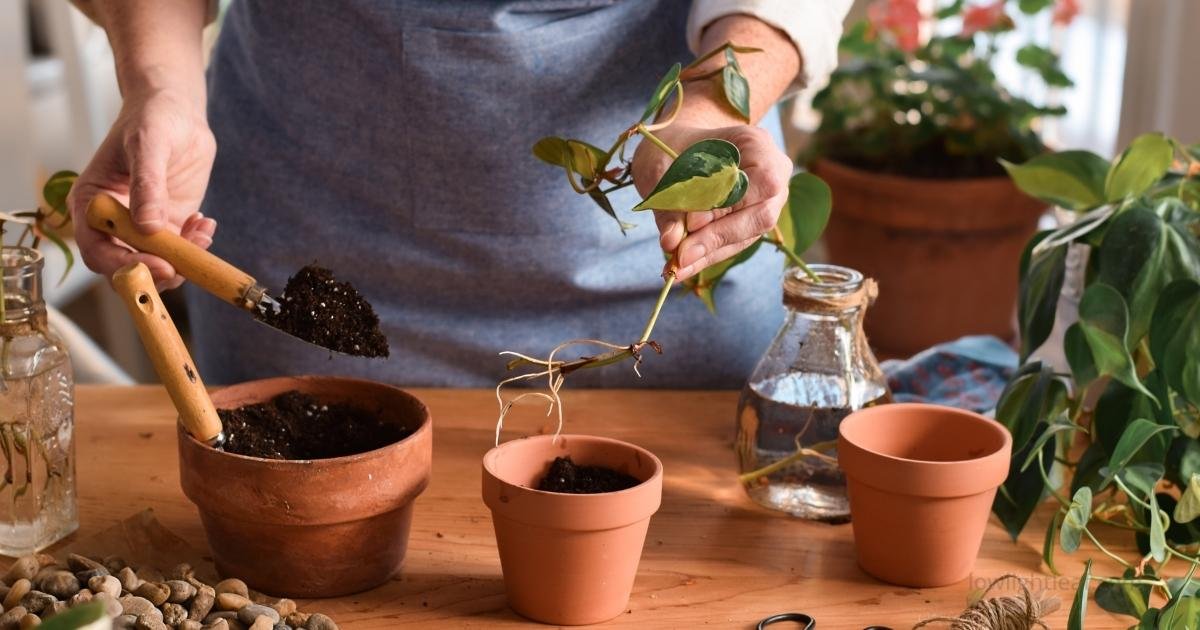
If your pothos has started producing long, healthy vines, you can easily turn one plant into several new ones through stem cuttings. Pothos propagation is one of the easiest ways to grow new indoor plants, which is why many beginners use it to multiply healthy vines without buying another plant. As shown below, healthy cuttings root quickly when given proper moisture, indirect light, and basic care.
➦Select a healthy vine: Choose a stem with at least 2–3 leaves.
➦Cut below a node: Snip just below a root node with a clean, sharp tool.
➦Remove the lowest leaf: This prevents leaves from rotting in water or soil.
➦Place in water or soil: Submerge the cut end in a jar of water or plant directly in moist, well-draining potting mix.
➦Wait for roots: Roots appear in 1–2 weeks in water. Once several inches long, transfer to a pot if needed.
➦ Care for your new plant: Ensure your pothos gets bright, indirect light, and water it once the top of the soil dries out.
Soon, your cuttings will grow into lush, trailing vines ready to brighten any room!
How to Prune Pothos Plant?
Fast-growing vines can start looking thin or uneven without occasional trimming, which is a common maintenance habit shared by many easy-care trailing houseplants grown indoors. You don’t have to prune them for the plant to live, but trimming helps the leaves stay full and the vines look nicer indoors. Use sharp, clean scissors or pruners and cut just below a leaf node. Make sure to leave at least two nodes on each vine so the plant keeps growing well. It’s best to prune during the plant’s active growing season, not when it’s slowing down.
What Happens When You Trim a Pothos?
When you cut off long or yellow stems, your pothos will start to grow new vines from the spots near where you trimmed. The plant forms a small callus at the cut, and new growth appears, helping fill in gaps and making the plant look fuller over time.
How to Handle Yellow Leaves on Your Pothos
It’s normal for older pothos leaves to turn yellow as the plant gets older. Take off leaves that are completely yellow, since the plant doesn’t use them anymore. If a leaf is only partly yellow, leave it in place until the rest of it yellows too, then cut it off at the base with clean, sharp cutters or pruners. For a full breakdown of what causes Pothos yellowing beyond normal aging, see our complete guide.
Types of Pothos
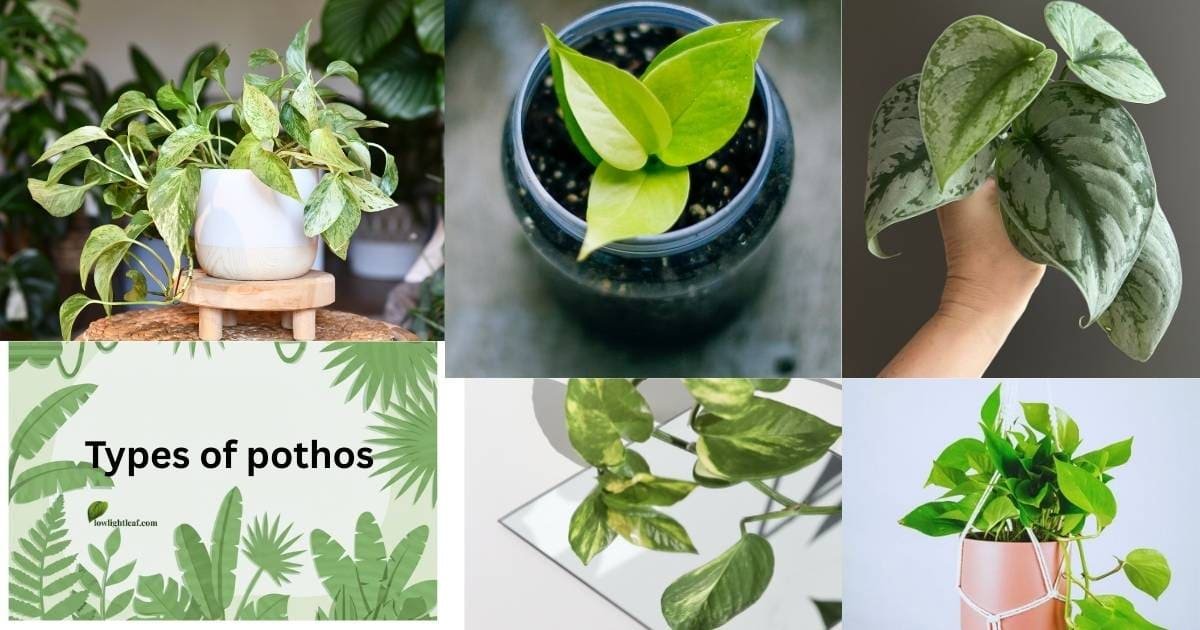
Pothos plants come in many different leaf colors, textures, and growth patterns, which is why exploring unique pothos varieties becomes so popular among indoor plant owners. Each type has its own unique look, way of growing, and light needs.
➦ Marble Queen: Bold white-and-green variegated leaves. This Pothos variety loves bright, indirect light and needs slightly more sunlight to maintain its vibrant pattern.
➦ Pearls and Jade: Features grey, green, and white edges along the leaves. A vigorous climber that instantly enhances any corner.
➦ Neon: Bright chartreuse leaves. Perfect for low-light areas and instantly brightens darker rooms.
➦ Silver Satin: Grey-green leaves with silver patches. Hardy, drought-tolerant, and adapts well to low light.
Essentials for Pothos
- A self-watering planter helps keep the soil evenly moist.
- A good grow light encourages larger leaves, faster growth, and better variegation.
- Fertilizer supports healthy, lush growth.
Potting and Repotting Pothos Plant
➦ Over time, your pothos plant may become root-bound. Noticeably, if the leaves droop despite regular watering, it’s a sign the roots have filled the pot. Check for roots growing via drainage holes or gently lift the plant to inspect them.
➦ When this happens, repot your pothos into a container one or two sizes larger in diameter and depth. Additionally, use fresh, well-draining potting soil and water thoroughly to help the plant recover. Ideally, repot during the plant’s active growth phase.
➦ Choose a pot made of plastic, ceramic, metal, or terracotta with proper drainage. Moreover, if your pothos lives in a low-light area, terracotta works best as it naturally wicks away excess moisture.
Thanks to its trailing vines, pothos thrives in hanging baskets or macrame planters. Alternatively, you can grow pothos in water as long as the vessel is nonporous.
Common Pests and Diseases of Pothos Plant
Even hardy pothos plants can face pests or diseases from time to time. Early detection keeps them healthy and thriving.
| Pest / Disease | Signs | Remedies |
|---|---|---|
| Mealybugs | White, cotton-like clusters on stems or leaf joints | Wipe off with a damp cloth, spray neem oil or insecticidal soap |
| Fungal Leaf Spot | Brown or black circular spots, sometimes with yellow halos | Remove affected leaves, improve airflow, avoid wetting foliage |
| Aphids | Tiny green, black, or yellow insects on new growth | Spray gently with water, apply neem oil or insecticidal soap |
| Whitefly | Small heart-shaped flies that scatter when disturbed | Use sticky traps, spray with water or insecticidal soap |
| Root Rot / Bacterial Leaf Spot | Yellowing leaves, mushy roots, dark spots on leaves | Cut off damaged roots, repot in fresh well-draining soil, reduce watering |
| Spider Mites | Tiny spider-like bugs, webbing, speckled leaves | Wipe leaves with damp cloth, apply neem oil or insecticidal soap |
| Scale | Hard, shell-like bumps on stems or leaves | Prune affected stems, rub insects with cotton swab dipped in alcohol |
Pro Tip
If your pothos plant looks stressed, don’t worry. Simply take a few cuttings from healthy vines and propagate them in water or soil. Additionally, you can add rooted cuttings back into the main pot when repotting. This not only fills out the plant but also encourages fuller, lush growth.
Pothos Plant Care: Common Issues
Even the resilient pothos plant can show signs of stress or imbalance. Spotting problems early helps your plant bounce back quickly.
➦ Drooping or Wilting Leaves
One of the first signs of stress is drooping leaves. This often happens due to underwatering or inconsistent moisture. To fix it, water deeply and check that the soil drains well. Occasionally, drooping can also indicate that the plant has outgrown its pot.
➦ Yellowing Leaves
It’s normal for old leaves to turn yellow occasionally. However, if many leaves are yellowing at once, several different causes could be involved, not just overwatering — light, nutrients, root health, and pests can all play a role.
➦ Brown Leaf Tips
Dry brown edges often appear when indoor moisture levels fluctuate too much, a common issue shared by several plants in these peace lily brown leaf care guides. If leaves are dry and crispy, try increasing humidity or moving the plant away from hot, sunny spots.
➦ Spots or Leaf Discoloration
Dark patches, pale areas, or irregular spots often point to fungal or bacterial issues. Improve airflow, avoid getting water on the leaves, and prune any affected foliage to keep your plant healthy.
➦ Slow Growth or Leggy Vines
Weak lighting can leave pothos with thin, stretched vines over time, a growth issue that also affects many plants covered in these snake plant growth and recovery guides. Move it to a brighter spot or use a grow light. With better lighting, your plant will produce fuller, healthier vines.
Aquarium Pothos Basics
Using pothos in an aquarium is a popular way to improve water quality and add greenery above the tank. The roots grow in the water to absorb nitrates and waste, acting as a natural filter and keeping the tank cleaner with less effort.
How it Works
To get started, select a healthy, established pothos plant. Rinse the roots gently to remove any soil. Position the part of the root system in the aquarium water. Just ensure the leaves and stems remain above the surface and dry.
Make sure the plant is stable so it won’t fall in. Over time, monitor root growth and trim if necessary to prevent overgrowth. This method works well for freshwater aquariums, particularly those dealing with excess nutrients.
Pothos Hanging Plant: Transform Any Space With Lush, Cascading Greenery
Why Hanging Pothos Stand Out
A hanging pothos instantly catches the eye with its long, draping vines. Moreover, as the stems spill over the pot, they add gentle movement and texture to any spot where you place them.
Perfect for Saving Floor Space
Because they’re displayed off the ground, hanging pothos are ideal for small rooms or apartments. This means you can enjoy vibrant greenery without sacrificing valuable floor or table space.
Stylish Placement Options
Hanging pothos works beautifully in macramé hangers, wall-mounted planters, high shelves or bookcases, and window corners or ledges. In addition, these elevated placements allow the vines to cascade freely, creating a soft, elegant look.
Flexible Growth for Easy Styling
Whether you prefer long, dramatic tendrils or a fuller, rounded shape, pothos adjust without much effort. In practice, you can simply let the vines trail to create a waterfall effect, or trim them regularly to encourage a thicker top.
Adds Depth and Greenery to Any Room
When placed up high, hanging pothos naturally pulls the eye upward, adding depth and a bit of visual lift to your décor. As a result, they work beautifully for creating a layered indoor jungle or bringing a soft touch of greenery to minimalist spaces.
FAQs about Pothos Plant Care
What are pothos plant benefits?
Pothos plants are popular because they combine simple indoor care with fast growth and attractive trailing foliage. They adapt well to homes, offices, bedrooms, and lower-light spaces, making them a reliable low-maintenance houseplant for beginners. Their easy propagation and ability to grow in different indoor conditions are also some of the most practical benefits of pothos plants.
Are pothos plants toxic to cats and dogs?
Yes, pothos plants contain calcium oxalate crystals, which can irritate the mouth, throat, and stomach if chewed by cats or dogs. Keep pothos out of reach of pets and small children.
Can pothos plants grow outside?
Pothos can grow outdoors in warm, frost-free climates within USDA zones 10–12. They prefer shaded or partially shaded locations because strong direct sunlight can damage the foliage.

Ellie Marsh
Houseplant grower who spent years in a north-facing apartment. Writes practical care guides for low light homes, checked against extension and botanical garden sources.
Explore more:
Pingback: Best Hanging Indoor Plants: 17 Easy-Care Picks for Any Room