
Last updated on November 11, 2026
No-light spots? These plants love them.
Many plant lovers struggle to grow indoor plants because their homes don’t get enough sunlight. Dark rooms, shaded corners, bedrooms, and spaces far from windows can make common houseplants weak, slow-growing, or short-lived. In most cases, the problem isn’t poor care; it’s choosing plants that aren’t suited to low light conditions. The solution is selecting the best low light indoor plants that naturally adapt to limited or indirect light.
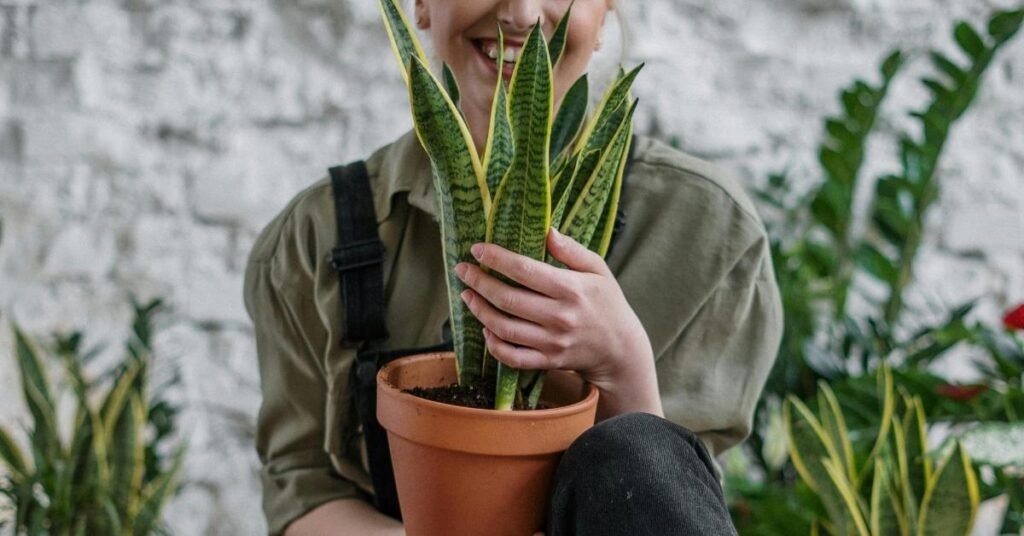
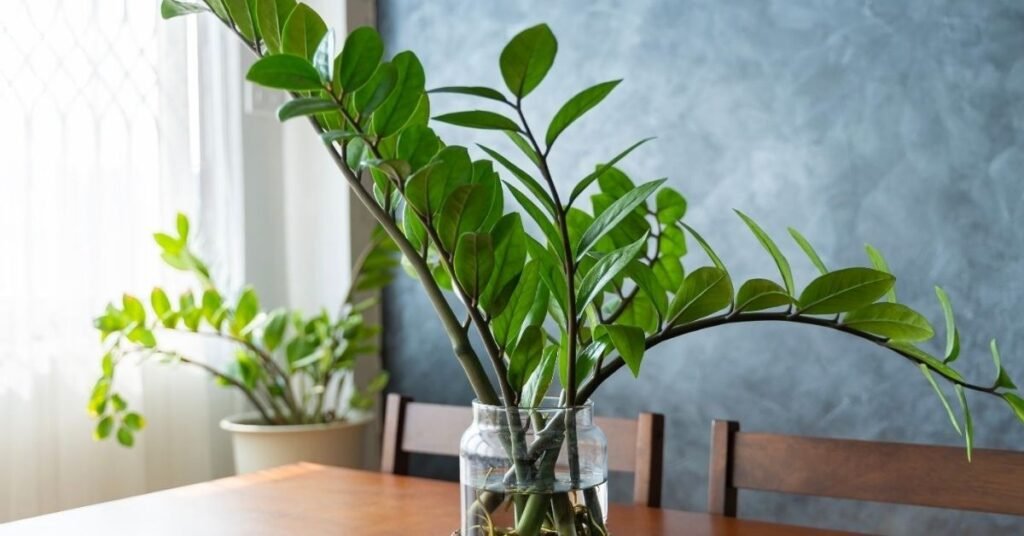
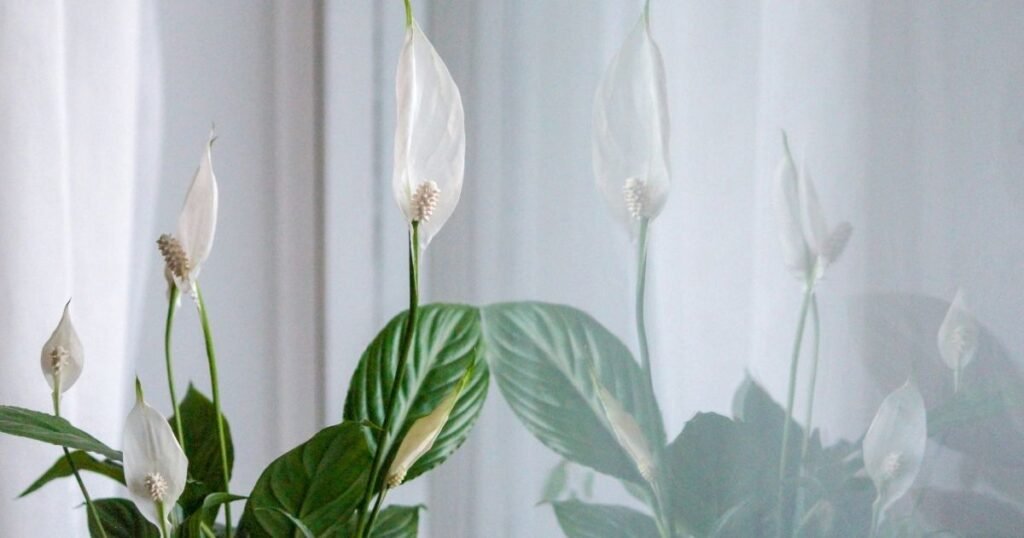
Some houseplants are built to survive and grow in darker spaces with minimal sunlight and basic care. Plants such as Snake Plant (Dracaena trifasciata), ZZ Plant (Zamioculcas zamiifolia), Peace Lily (Spathiphyllum), and Pothos (Epipremnum aureum) are well known for adapting to dim indoor conditions. These resilient low light houseplants can thrive in apartments, bedrooms, offices, living rooms, and other indoor spaces where bright sunlight is not always available.
To help you choose the right options, this guide explores 30 of the best indoor plants for low light rooms and darker indoor environments. Each plant on this list is selected for its ability to grow in low-light spaces while still adding healthy greenery, texture, and life to your home.
One claim to set aside: Iowa State University Extension says houseplants have little effect on air quality in a real home, even though a 1989 NASA test found plants removed pollutants inside small sealed chambers. Choose these plants for the light you have, not for cleaner air.
Best plants for dark rooms: the short list
The best plants for a truly dark room are Chinese evergreen, cast iron plant, ZZ plant, snake plant and pothos. University of Missouri Extension says Chinese evergreen tolerates light as low as 10 foot-candles under lamps lit 16 to 18 hours a day and calls cast iron plant one of the best where only low light exists, and University of Maryland Extension puts ZZ and snake plant in its lowest band of 25 to 100 foot-candles.
| Plant | How dark it can go (source) | Cats and dogs (ASPCA) |
|---|---|---|
| Chinese evergreen | As low as 10 foot-candles under lamps lit 16 to 18 hours a day (Missouri Extension) | Toxic |
| Cast iron plant | One of the best where only low light exists (Missouri Extension) | Non-toxic |
| ZZ plant | Low band, 25 to 100 foot-candles (Maryland Extension) | No ASPCA entry |
| Snake plant | Low band, 25 to 100 foot-candles (Maryland Extension) | Toxic |
| Pothos | Low and medium light (Missouri Extension) | Toxic |
| Heartleaf philodendron | Tolerates low light (Missouri Extension) | Toxic |
| Parlor palm | Adapts very well to limited indoor light (Missouri Botanical Garden) | Non-toxic |
| Spider plant | Tolerates low light, best in medium (Missouri Extension) | Non-toxic |
Not sure about a plant that isn’t in the table? Our plant toxicity checker looks up 115 common plants against the ASPCA lists for cats and dogs.
Distance matters as much as the plant. Missouri Extension notes that even low-light plants usually don’t get enough light more than 10 feet from an average window, so in a dark room, the closest spot to the glass is the one to use.
A few plants further down this list are often sold as low-light plants but do better in a bright spot. Missouri Botanical Garden says polka dot plant wants bright light with some direct sun indoors, ponytail palm belongs in a sunny window, money tree and monstera perform best in bright indoor light, and bird of paradise is rated for full sun to part shade. Treat those five, and the other plants in the bright-room section near the end of the list, as bright-room plants that will survive a dimmer corner for a while, not as dark-room picks.
How dark is too dark for a houseplant?
Extension services measure houseplant light in foot-candles, where one foot-candle is roughly the brightness of one candle from one foot away and direct outdoor sun peaks around 10,000. University of Maryland Extension puts its lowest band at 25 to 100 foot-candles, describes it as a north-facing window or an artificially lit room, and lists ZZ plant, snake plant, cast iron plant and peace lily for it.
University of Missouri Extension draws the lines differently. It says low-light plants generally need 50 to 250 foot-candles and medium-light plants prefer 250 to 1,000, and that a few low-light plants can be kept at as little as 10 foot-candles under artificial light, and that plants getting no outdoor light should be lit 16 to 18 hours a day.
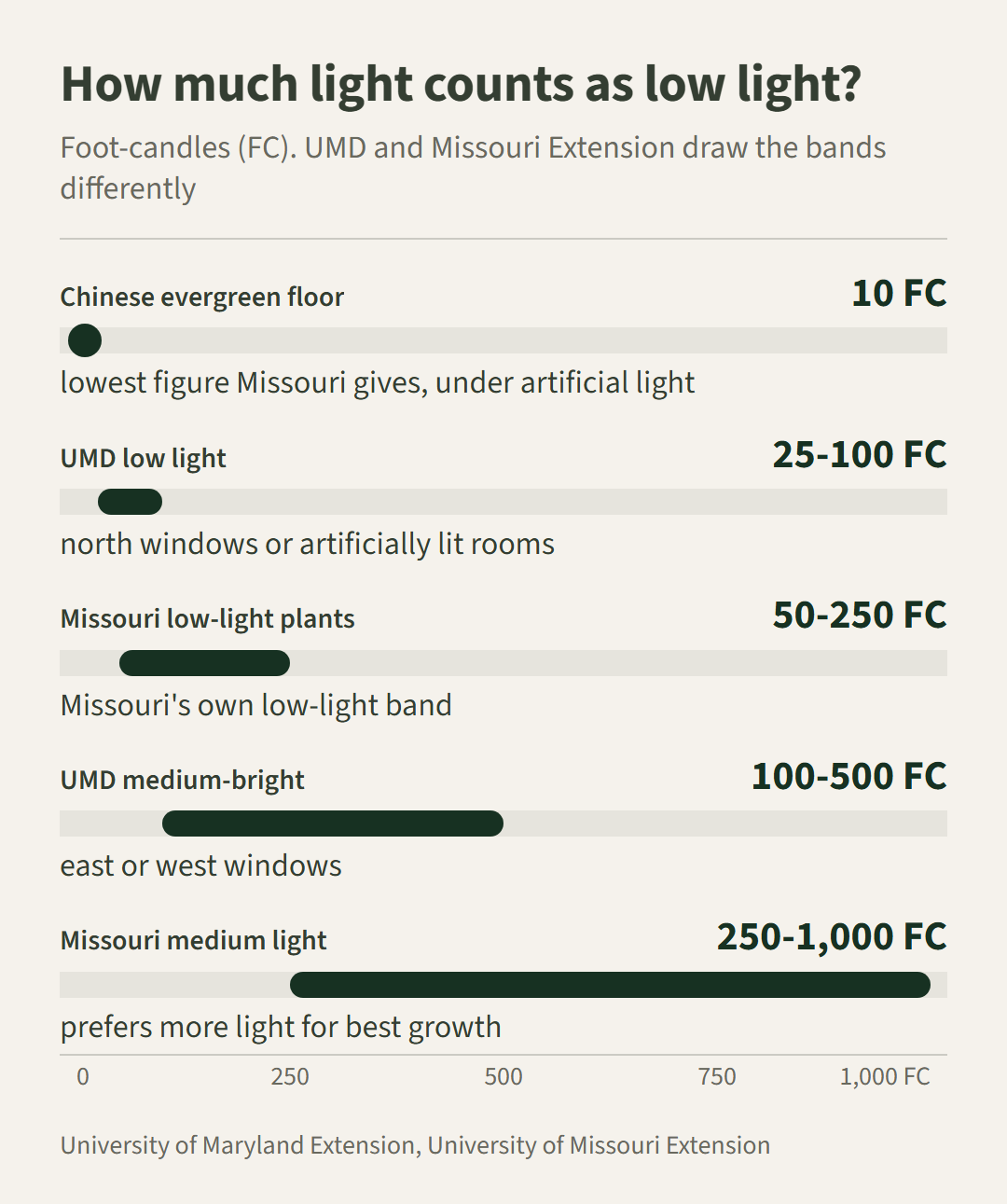
Because the two sources disagree on where low light ends, read these figures as ranges, not pass marks. Missouri itself calls light measurements a guide. If you want a number for your own corner, a light meter that reads foot-candles will give you one, and a photographic meter works if the maker supplies a conversion table. Our DLI calculator accepts lux or foot-candle readings and turns them into a daily light total for the plant you pick, and if the dark room has a north window, see our north-facing window plants.
Will a low-light plant live or actually grow?
A plant that tolerates low light is not the same as one that does well in it. NC State says ZZ plant will grow in very low light, even under fluorescent light, but does best in bright indirect sunlight. People answering the same question on r/houseplants are blunter:
“nothing is going to THRIVE in low light. They will live, but unless you purchase a grow light(s) to go with them, they won’t be thriving.” – r/houseplants (29 upvotes, October 2026)
“The claim "low light" for any plant is a marketing tool because nothing thrives in low light. The meaning of low light to humans is different from low light to plants. …” – r/houseplants (15 upvotes, October 2026)
Read that as a warning about expectations, not a reason to skip the plants below. If you want growth and not just survival in a dark room, add a grow light; our grow light guide covers what to buy. For a desk that has to stay fixture-free, start with low-light desk plants that survive without grow lights.
Quick Picks: Best Low Light Indoor Plants by Space
- Best for Bedrooms: Snake Plant, Peace Lily, Pothos (more in plants for a dark bedroom)
- Best for Dark Rooms: ZZ Plant, Cast Iron Plant, Chinese Evergreen
- Best for Offices: ZZ Plant, Parlor Palm
- Best Pet-Friendly Options: Spider Plant, Cast Iron Plant, Parlor Palm
Let’s look at each plant to see what makes it perfect for low-light corners.
1. Chinese Evergreens (Aglaonema spp.)
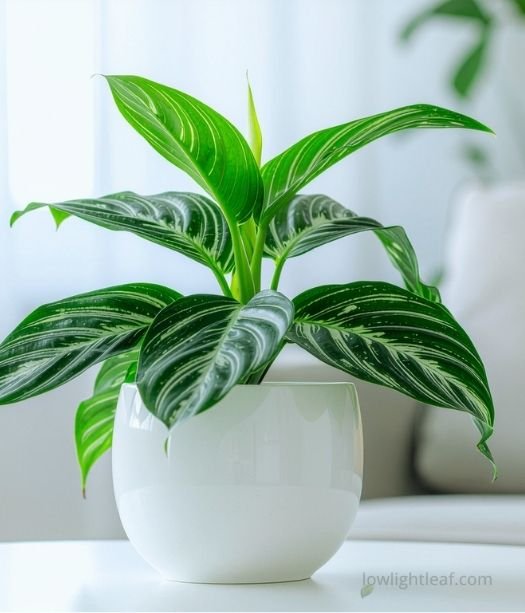
Chinese Evergreens (Aglaonema spp.) are stunning low light indoor plants that instantly brighten any indoor space. Chinese Evergreens have shiny, oval leaves in green, silver, red, purple, and cream. They grow well in shady corners, though variegated types do best with some bright, indirect light.
Additionally, these slow-growing, low-maintenance plants rarely flower indoors. They continue to add elegance and lush greenery. Reaching 1–3 feet tall and wide, Chinese Evergreens are perfect, easy indoor plants for dim spaces.
2. Cast Iron Plant (Aspidistra elatior)
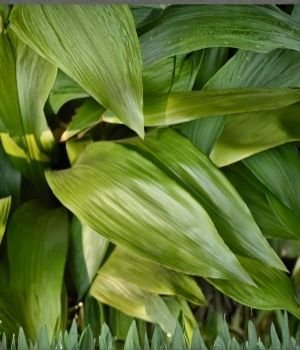
The Cast Iron Plant (Aspidistra elatior) lives up to its name, thriving even in tough conditions where other low light indoor plants struggle. Its large, glossy, arching leaves bring a bold, tropical feel to any indoor interior.
Slow-growing and extremely hardy, it tolerates neglect, including low light and irregular watering. A north-facing window works best, but this plant adapts easily. With little care, it can grow 2-3 feet tall and 1-2 feet wide. The Cast Iron Plant is the best choice for easy indoor plants that add lasting greenery to dim corners.
3. ZZ Plant (Zamioculcas zamiifolia)
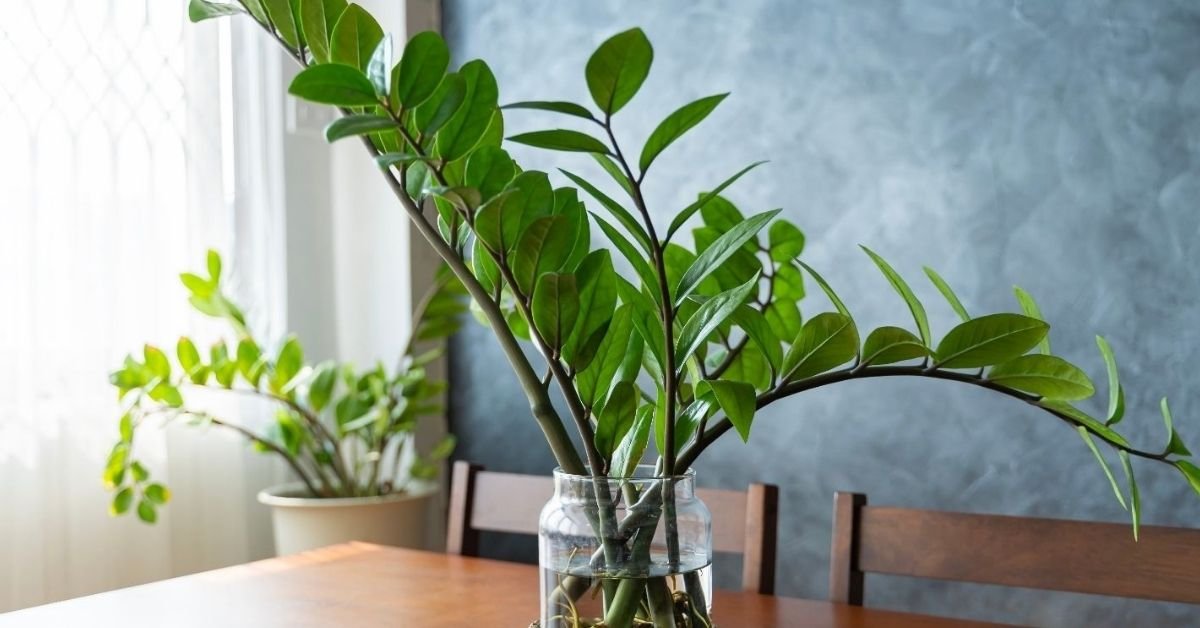
Among low light houseplants, the ZZ Plant is distinguished by its glossy, waxy leaves that shine in dark settings. It elevates a room’s appearance and needs minimal attention.
Surprisingly, the ZZ Plant thrives in places without sunlight. These include windowless offices, shaded hallways, or rooms lit only by bulbs. Its thick underground rhizomes retain water, so let the soil dry out entirely before watering. It typically grows 2–4 feet tall.
4. Snake Plant (Dracaena trifasciata)
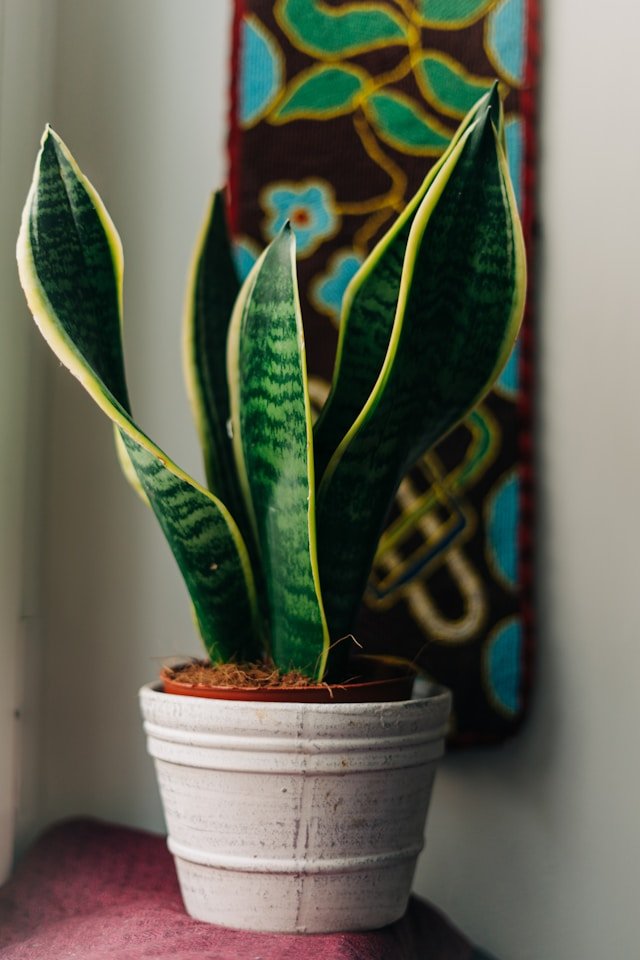
The Snake Plant stands out among low light indoor plants, with tall, sword-like leaves that add instant height and character. Moreover, it thrives with minimal sunlight, making it perfect for dim corners.
The Snake Plant is notable for its longevity. Many people keep it for years with little maintenance. This plant thrives with infrequent watering. It reaches 2 to 5 feet indoors, making it a fashionable, low-care solution for modern, shaded spaces.
5. Peace Lily (Spathiphyllum spp.)
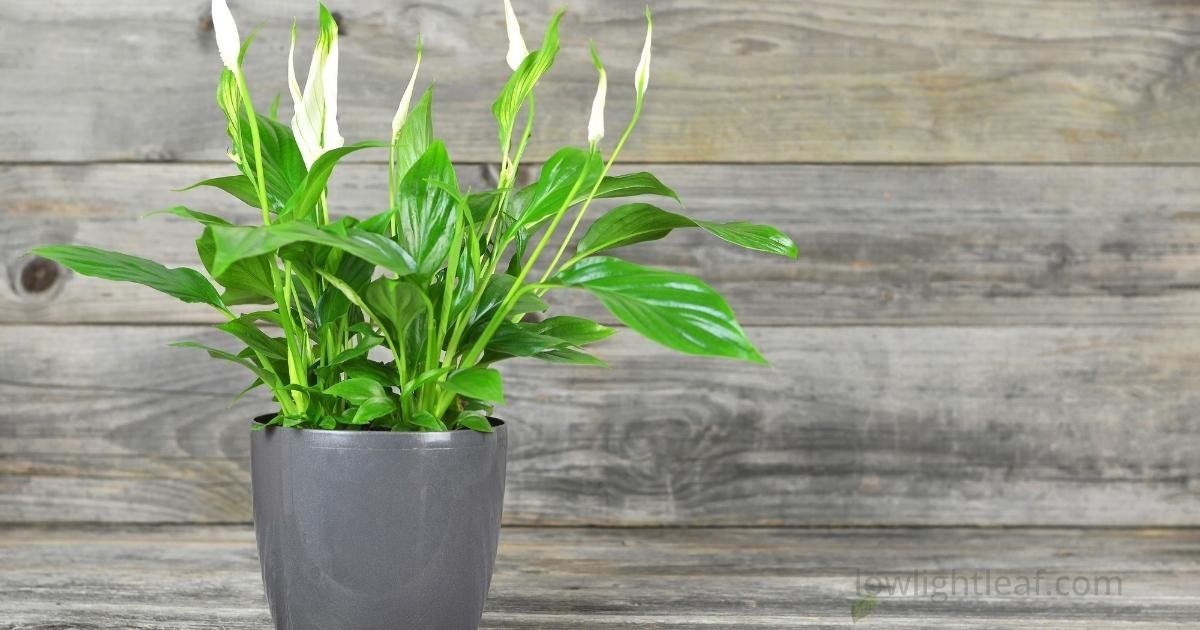
The Peace Lily stands out among low light indoor plants. Its dark green leaves quietly soften a room, and the occasional white bloom brings a calm, spa-like feel. Best of all, it handles dim corners easily, thriving where other plants often struggle.
Even better, the Peace Lily signals exactly what it needs: when its leaves start to droop. It’s simply asking for water, and within hours, it perks right back up. With a mature size of 1–4 feet, this plant brings both beauty and tranquility to bedrooms, offices, and quiet spaces.
6. Pothos (Epipremnum aureum)
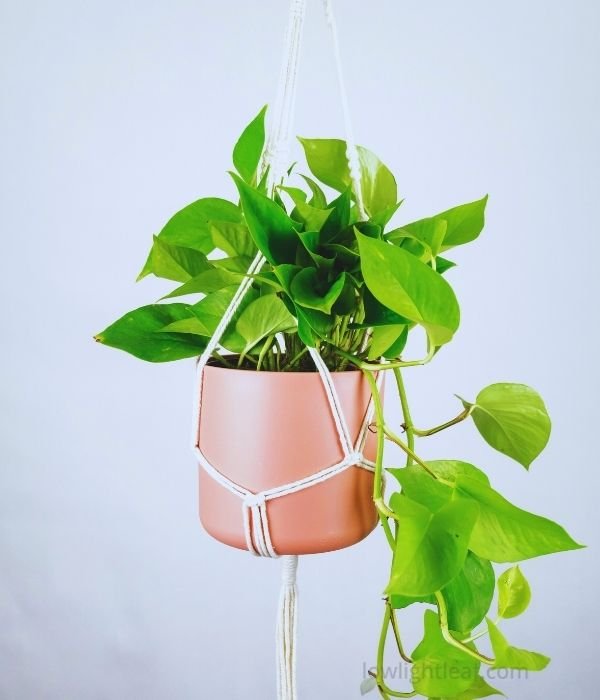
Pothos has a knack for growing where many other plants struggle. Its shiny, heart-shaped leaves trail gracefully, filling dim corners with greenery. Some types exhibit beautiful marbling along their stems, adding extra charm.
The long vines of Pothos grow back nicely when trimmed, keeping the plant full and well-shaped. Its low maintenance and adaptability make it perfect for brightening low-light spaces.
7. Heartleaf Philodendron
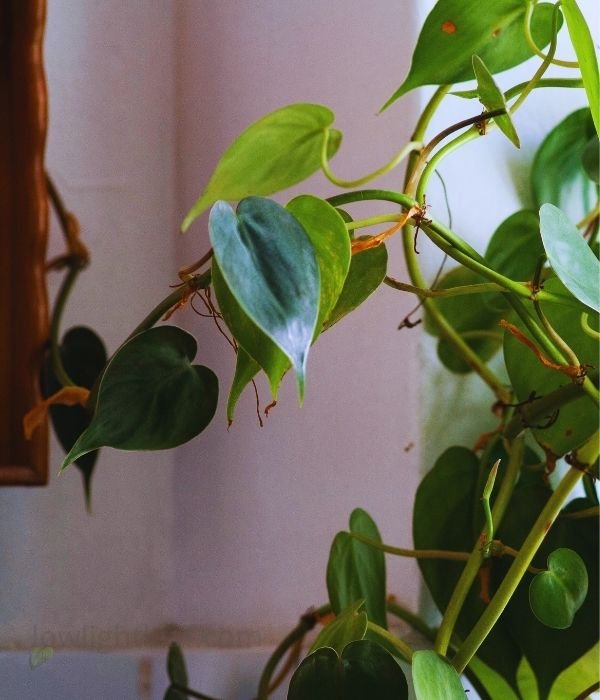
Heartleaf Philodendron (Philodendron hederaceum) ranks among the most popular low light indoor plants. It is a favorite easy indoor plant for any home. Its long, heart-shaped vines add a lush, jungle-like vibe to your indoor space. Its care, and how to tell it apart from pothos, are covered in heartleaf philodendron care.
While it tolerates indoor plants with minimal light, sparse light may cause leggy stems. Growing 10–20 feet tall with a 3–6 feet spread, it works as either a large indoor plant or a trailing small indoor plant. Truly, it’s one of the best indoor plants for brightening dim corners with minimal care.
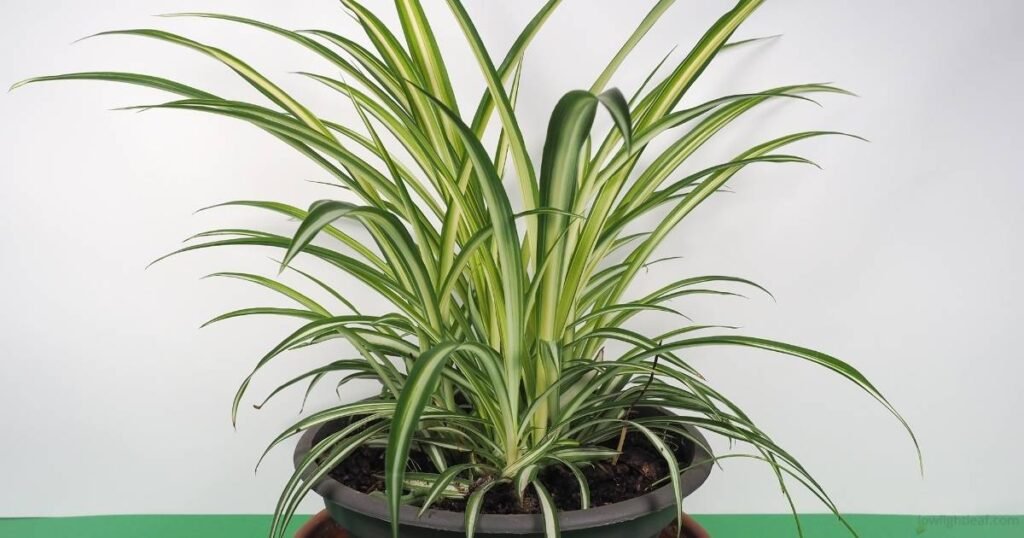
8. Spider Plant
The Spider Plant (Chlorophytum comosum) is a popular low light indoor plant, known for adaptability and graceful, arching green leaves. Its trailing “spider” offshoots add movement and freshness to any dim corner.
The Spider Plant thrives best in bright, filtered light, but it’s also surprisingly adaptable. It continues to grow even in low-light corners or under artificial lighting. Therefore, it is ideal for homes, apartments, and office setups.
This plant hardly demands any special care; as the soil stays slightly moist, it will keep producing fresh, healthy foliage.
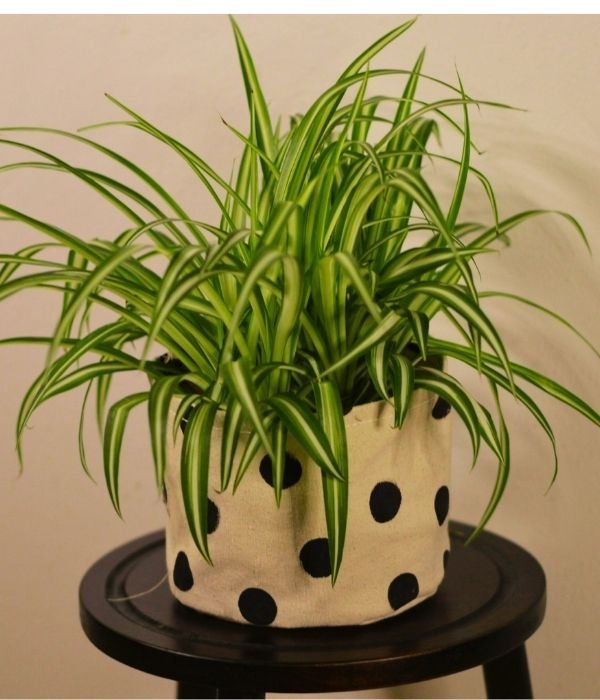
It grows around 1 to 2 feet when mature. The Spider Plant is a compact, air-purifying houseplant that fits beautifully into any indoor environment.
9. Parlor Palm (Chamaedorea elegans)
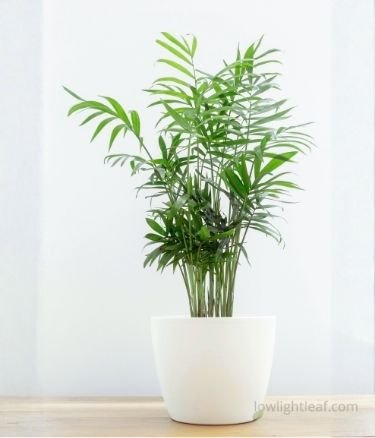
Parlor Palm (Chamaedorea elegans) is a low light indoor plant that adapts well to changing light throughout the day. Its soft, feathery fronds grow in small clumps, giving any room a charming mini-palm appearance.”
It does best in well-draining, peaty soil and only needs watering occasionally. It can grow 2 to 6 feet, giving a bit of height to shelves, desks, or any corner of your room. Beginners will like it because it’s low-maintenance and easy to care for, while still brightening up spots that don’t get much light.
10. Prayer Plant
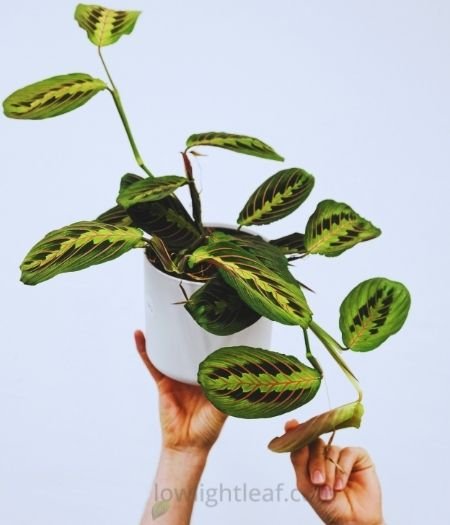
The prayer plant (Maranta leuconeura) gets its name from leaves that fold at night to resemble praying hands, NC State Extension says. It also says the plant tolerates low to medium light, though indoors it does best in bright, indirect light, and that the leaves lose color in low light.
It stays small, 6 inches to 1 foot tall in NC State’s listing, and the ASPCA files prayer plants as non-toxic to cats and dogs.
11. Bromeliads
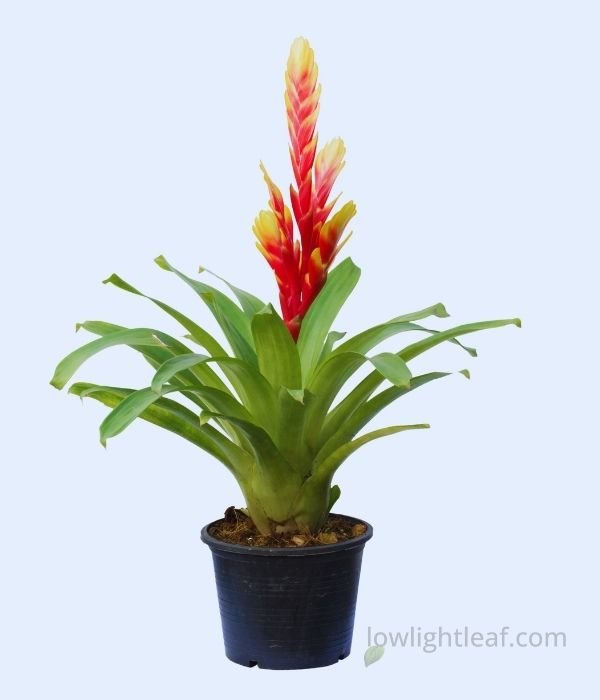
Bromeliads differ a lot in how much light they want. NC State says Guzmania lingulata grows well in part to full shade and does well under artificial lights, while the urn plant (Aechmea fasciata) prefers bright, indirect light to partial shade. Check the tag before you pick one for a dark spot.
The ASPCA lists Neoregelia bromeliads as non-toxic to cats and dogs.
12. Bird’s Nest Fern
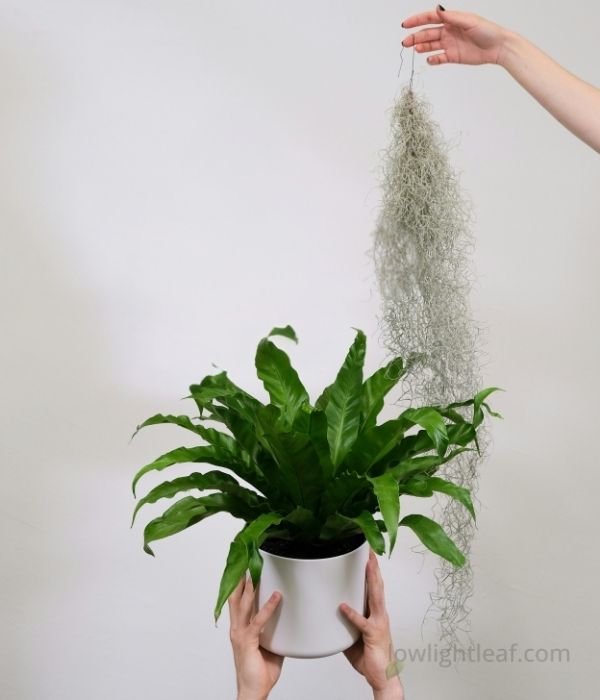
Bird’s nest fern (Asplenium nidus) grows its fronds from a central rosette. University of Missouri Extension groups it with the ferns that tolerate low light but prefer a medium light level, and notes that it likes warmer temperatures than holly fern.
Missouri adds that ferns may develop brown leaves at low humidity. The ASPCA has no entry for Asplenium nidus, so treat its pet safety as unknown.
13. Maidenhair Fern (Adiantum raddianum)
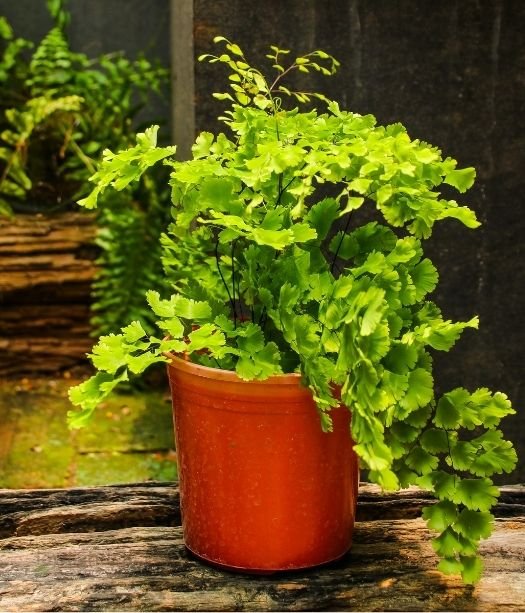
Maidenhair fern (Adiantum) has small, fan-shaped leaflets on dark stems. Missouri Extension puts it with the ferns that tolerate low light but prefer medium light, and warns that maidenhair ferns should never be allowed to become dry.
The ASPCA has no entry for maidenhair fern, so treat its pet safety as unknown.
14. Arrowhead Vine (Syngonium podophyllum)
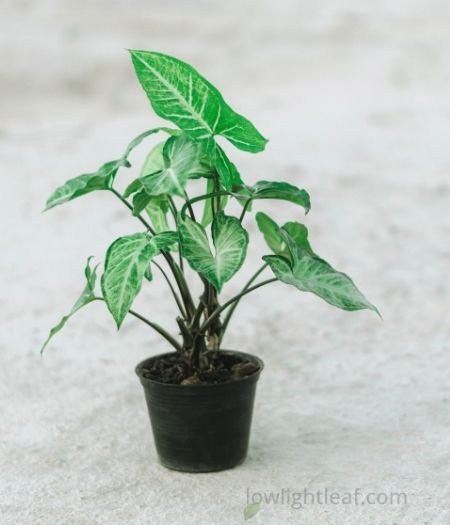
Arrowhead vine (Syngonium podophyllum) starts out bushy and later creeps or climbs. Missouri Extension says it may be kept at a low light level but is denser at a medium level. Our arrowhead plant care guide covers keeping it bushy as it starts to vine.
The ASPCA lists it as toxic to cats and dogs.
15. Corn Plant (Dracaena fragrans)
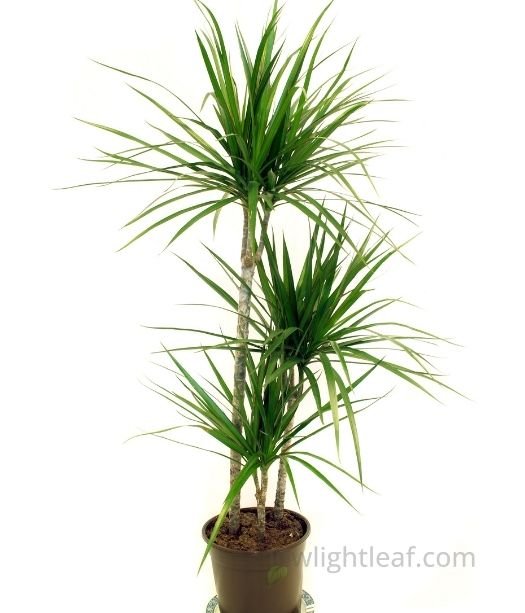
Corn plant (Dracaena fragrans) is one of the dracaenas that Missouri Extension calls well adapted to house conditions: they tolerate low light, although they also do well in medium light. NC State adds that too little light makes the leaves narrow, and direct sun can burn them.
NC State lists it at 3 to 14½ feet tall, and the ASPCA lists it as toxic to cats and dogs. Light, watering and brown tips are covered in our dracaena care guide.
16. Dragon Tree
Dragon tree (Dracaena marginata, now Dracaena reflexa var. angustifolia) is in the same Missouri Extension group of dracaenas that tolerate low light and also do well in medium light. NC State calls bright, indirect light ideal and says to let it dry between waterings, but not severely.
As a houseplant it grows to about 6 feet but can be pruned smaller, according to NC State. The ASPCA lists Dracaena species as toxic to cats and dogs.
17. Lucky Bamboo (Dracaena sanderiana)
Lucky bamboo (Dracaena sanderiana) is a dracaena, not a bamboo. NC State lists it for dappled sun to deep shade outdoors and recommends bright but indirect light indoors all year.
It rarely blooms as a houseplant. The ASPCA has no entry of its own for lucky bamboo, but its Dracaena entry covers the whole genus as toxic to cats and dogs.
Bright-room plants that survive a dim corner for a while
The plants below are often sold as low-light plants. The sources named near the top of this page put them in brighter rooms, so choose them for a spot with real window light and not for the darkest corner.
18. Nerve Plant
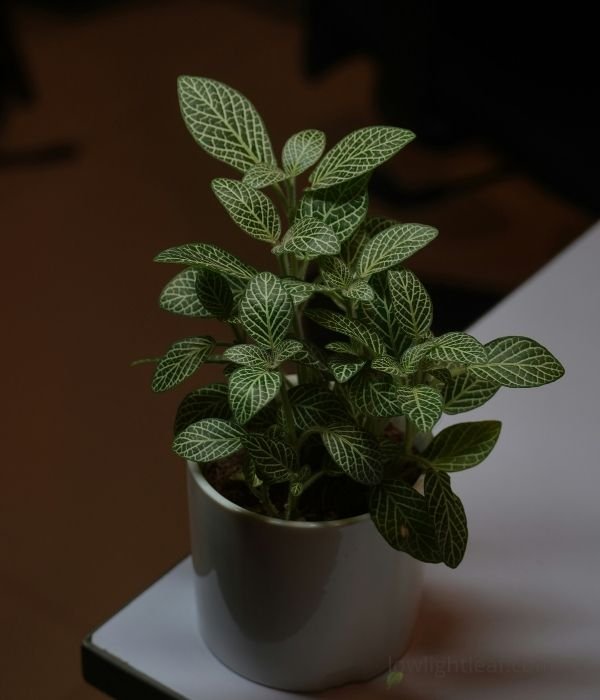
Nerve plant (Fittonia) is named for the colorful veins on its leaves. NC State says it thrives in bright to medium light as a houseplant, a step up from the dark-room plants earlier in this list, and lists it at 3 to 8 inches tall. Watering, humidity and winter warmth are in our nerve plant care guide.
The ASPCA lists it as non-toxic to cats and dogs.
19. Wax Plant
Missouri Extension says hoyas tolerate low light but need medium light to grow and high light to flower, and University of Maryland Extension puts hoya in its high-light band of 500 to 1,000 foot-candles. Missouri also says to leave the plant undisturbed and keep it slightly cooler and drier in winter.
The ASPCA lists Hoya carnosa as non-toxic to cats and dogs.
20. Calathea (Calathea picturata)
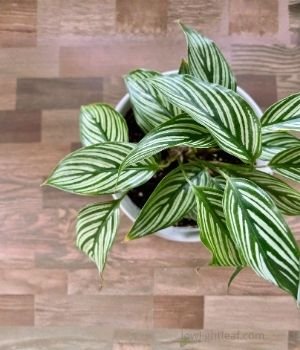
NC State says Calathea picturata is typically grown indoors under medium to bright indirect light, with warm temperatures and high humidity, and lists it at 1½ to 2 feet tall. The ASPCA lists calatheas as non-toxic to cats and dogs.
If you want a calathea for a darker room, NC State lists the rattlesnake plant (Goeppertia insignis) for deep to partial shade.
21. Radiator plants (Peperomia spp.)
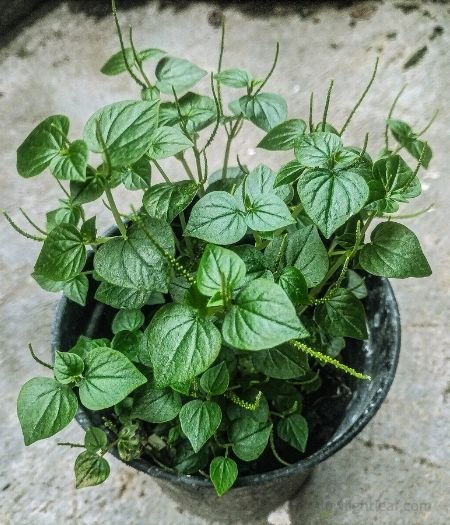
Missouri Extension says to give peperomias a medium light level, although they can tolerate poor light for limited periods, and warns that overwatering can cause stem rot.
The ASPCA lists the baby rubber plant and ripple peperomia as non-toxic to cats and dogs.
22. Anthurium (Anthurium spp.)
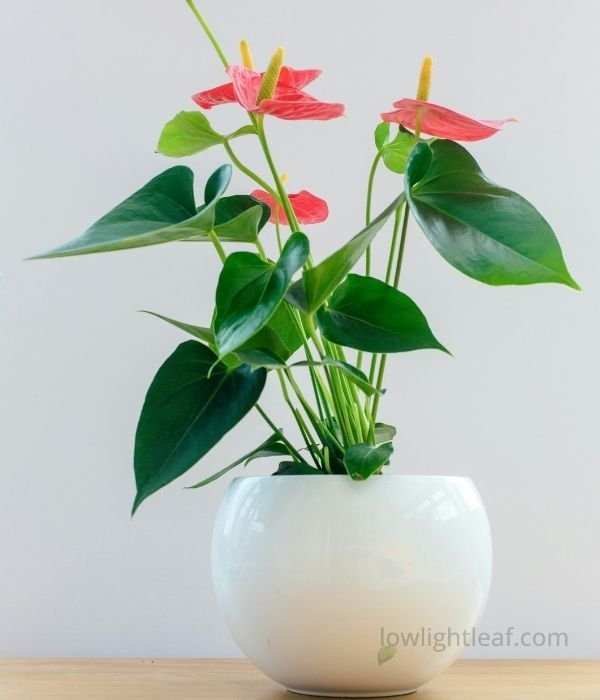
NC State lists anthurium (Anthurium andraeanum) for partial shade, warns that direct sun can scorch its leaves and says too little light can reduce flowering. As a houseplant it grows 1 to 1½ feet tall.
The ASPCA lists anthurium as toxic to cats and dogs.
23. English Ivy (Hedera helix)
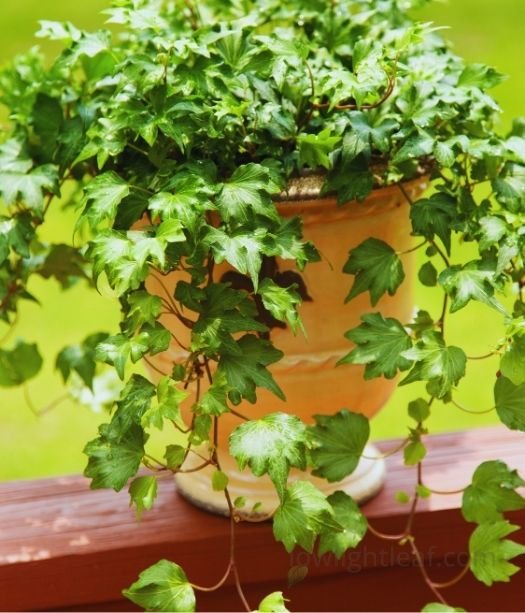
Missouri Extension says English ivy grows best in medium to bright light, needs constant moisture to prevent leaf drop and tends to do better kept slightly cool indoors.
The ASPCA lists English ivy as toxic to cats and dogs.
24. Dieffenbachia (Dieffenbachia seguine)
Missouri Extension says the medium light range is best for dieffenbachia and prevents loss of lower leaves, and that it benefits from supplementary lighting in poorly lit areas.
The ASPCA lists dieffenbachia as toxic to cats and dogs.
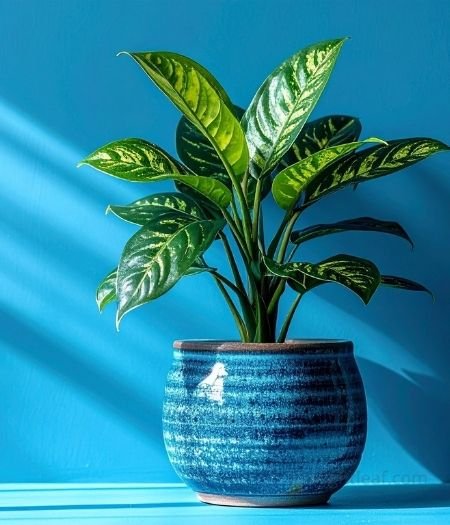
25. Silver Pothos (Scindapsus pictus)
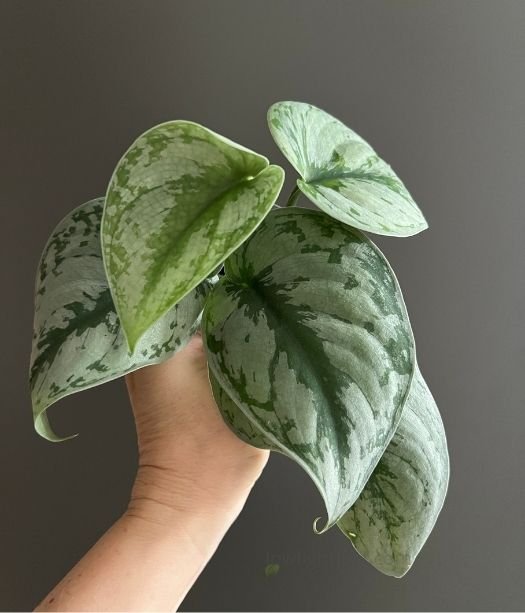
Satin or silver pothos (Scindapsus pictus) is a climbing vine with dark green and silvery leaves, and it is not a true pothos. NC State says it prefers bright indirect light and moist, well-drained potting soil as a houseplant, and lists it at 3 to 10 feet.
26. Money Tree Plant (Pachira aquatica)
The money tree is easy to find and easy to keep alive, which is how it ended up on so many low-light lists. Missouri Botanical Garden says it performs best in bright indoor light, so treat it as a bright-room plant that will put up with a dimmer corner for a while.
What truly sets the Money Plant apart is its striking appearance. Its iconic braided trunk, often created from three, five, or seven young stems, continues to grow thicker and more elegant as the plant matures.
It prefers bright, indirect light, so give it the brightest spot you have.
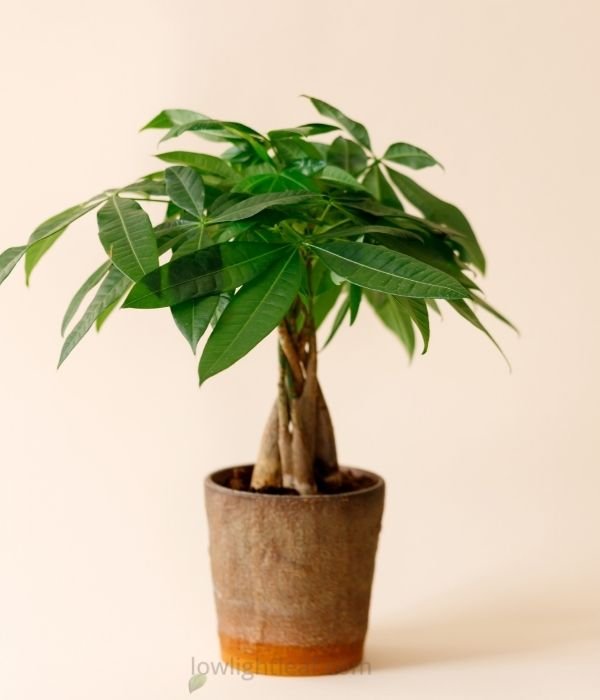
It can reach a mature height of 6–8 feet.
27. Polka Dot Plant
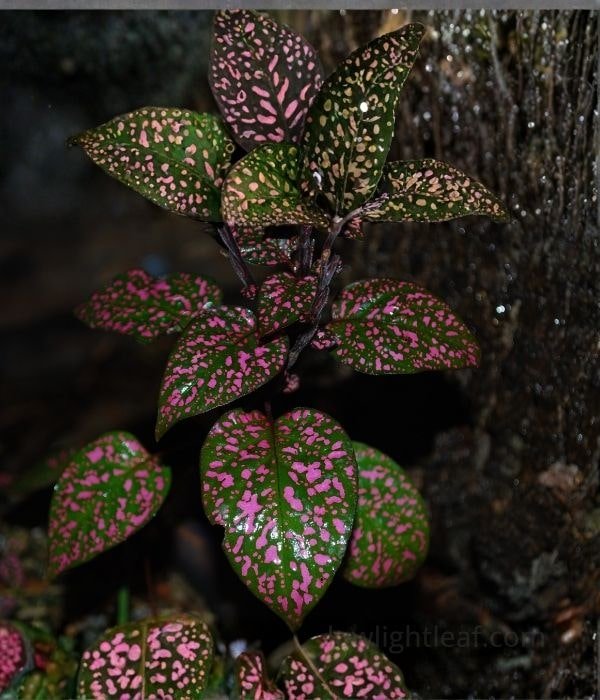
Add a splash of color to your room with the Polka Dot Plant. Its leaves are playful and bright, with some showing bold reds, whites, or purples. Every leaf brings texture and life, instantly brightening any corner.
It does best in bright, indirect light by an east- or west-facing window, as harsh sunlight can dull its colors.
Typically growing to 1–2 feet tall and wide. This low-maintenance plant is perfect for beginners who want an easy-to-care-for indoor accent.
28. Ponytail plant (Beaucarnea recurvata)
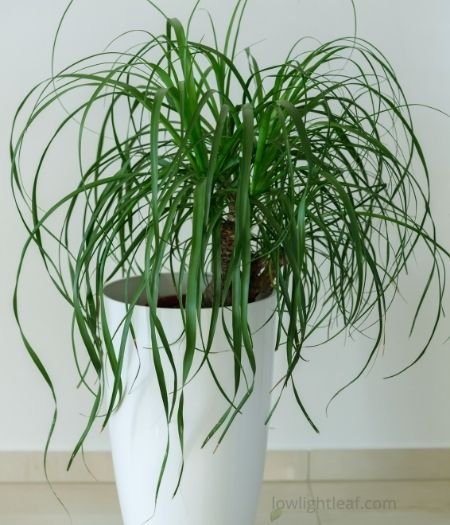
The Ponytail plant (Beaucarnea recurvata) isn’t a true palm but a striking plant with a bulbous stem and a tuft of long, strappy green leaves. It thrives best in bright indirect light, though it can tolerate some direct sun. Slow-growing and often kept in shallow pots, this plant rewards patience.
This Ponytail plant requires very little care, making it perfect for beginners. It slowly grows up to 6–8 feet tall and 3–5 feet wide. Thanks to its tall, bulbous stem and strappy leaves, it brings a striking, sculptural look to any indoor interior.
29. Swiss Cheese Plant (Monstera deliciosa)
The Swiss Cheese Plant (Monstera deliciosa) has large, split leaves and grows 1–2 feet per year. It grows best in bright, indirect light or partial shade.
It can grow up to 15 feet. Monstera deliciosa adds lush greenery and makes a bold statement indoors. Easy to care for, it requires slightly damp soil and occasional rotation for even growth. Providing climbing support encourages its natural form and makes it ideal for beginners.
30. Bird of Paradise (Strelitzia reginae)
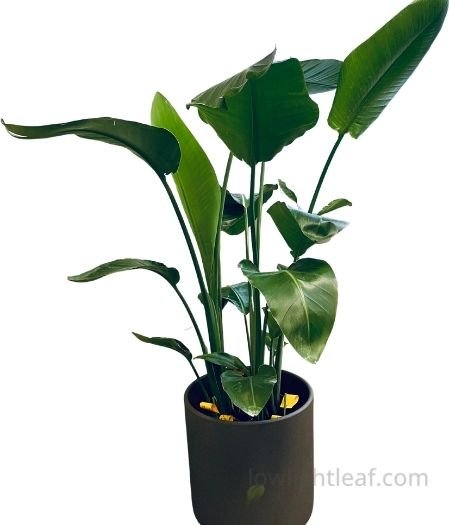
Bird of Paradise (Strelitzia reginae) is a bold tropical plant that brings bright, eye-catching flowers and lush greenery. It grows faster than many tropical plants. It does well with regular watering and plenty of light; Missouri Botanical Garden rates it for full sun to part shade.
Plus, with the proper care, it can bloom several times a year, making any indoor space feel lively and fresh. It can grow up to 3.5–6 feet tall and 3–4 feet wide. This medium-difficulty indoor plant is perfect for plant enthusiasts looking to make a bold statement.
Plants for a room with no window
Plants need some light, so a windowless room needs a lamp. Maryland counts artificially lit rooms in its lowest band, 25 to 100 foot-candles, and Missouri says a few low-light plants can be kept at 10 foot-candles under artificial light, with the lamps on 16 to 18 hours a day. For scale, Missouri’s table for standard 40-watt fluorescent tubes gives about 260 to 600 foot-candles at 1 foot below the lamps and 40 to 100 at 4 feet, depending on the fixture.
Two commenters on r/houseplants describe what worked for them. One keeps plants in an office with only the overhead lights:
“I keep several houseplants alive in my office off nothing but the office fluorescent lights lol. The ones doing the best are pothos and spider plants.” – r/houseplants (14 upvotes, April 2026)
Another has a bathroom with no window and swaps plants in and out:
“My solution is to pick a “victim” from my collection of Sanseveria and ZZ plants and just swap one out every week.” – r/houseplants (8 upvotes, July 2026)
Both fit the numbers above. For a room that stays dark all day, a grow light on a timer is the dependable fix.
Low Light Indoor Plants at a Glance
| Category | Plants | Remarks |
|---|---|---|
| Pet-Safe | Spider Plant, Money Plant, Ponytail Plant, Parlor Palm, Radiator Plants, Nerve Plant, Calathea, Cast Iron Plant | Safe for homes with pets, ideal for low-light spots. |
| Pet-Toxic | Snake Plant, Peace Lily, ZZ Plant, Heartleaf Philodendron, Dieffenbachia, Anthurium, Corn Plant, Dragon Tree, Swiss Cheese Plant, Silver Pothos, Arrowhead Vine, Bird of Paradise, Chinese Evergreen | Avoid if you have cats or dogs. |
| Small Plants (≤2 ft) | Radiator Plants, Nerve Plant, Bird’s Nest Fern, Polka Dot Plant, Calathea, Anthurium | Perfect for shelves, desks, or small corners. |
| Medium Plants (2–6 ft) | Spider Plant, Snake Plant, Peace Lily, Lucky Bamboo, ZZ Plant (2 to 3 ft per Missouri Botanical Garden), Pothos, Arrowhead Vine, Parlor Palm, Dieffenbachia, Corn Plant, Silver Pothos | Works well in floor spaces or medium pots. |
| Large Plants (6+ ft) | Money Plant, Dragon Tree, Swiss Cheese Plant, Bird of Paradise, Heartleaf Philodendron | Best for bold floor accents or living room corners. |
| Slow Growers | Ponytail Plant, Polka Dot Plant | Require patience, grow steadily over time. |
| Fast Growers | Money Plant, Pothos, Silver Pothos, Swiss Cheese Plant, Dragon Tree, Bird of Paradise, Heartleaf Philodendron | Quick to fill space and add greenery. |
Pet notes follow the ASPCA plant database. Lucky bamboo and bird’s nest fern have no entry there, so they are left out of the pet-safe row; ask your vet before trusting either around a cat or dog.
If you’re specifically looking for plants that are safe for cats and dogs, don’t miss our detailed guide on the 11 Pet Friendly Indoor Plants. It will help you pick the safest low-light options for your home.
Best Low Light Indoor Plants for Bedrooms
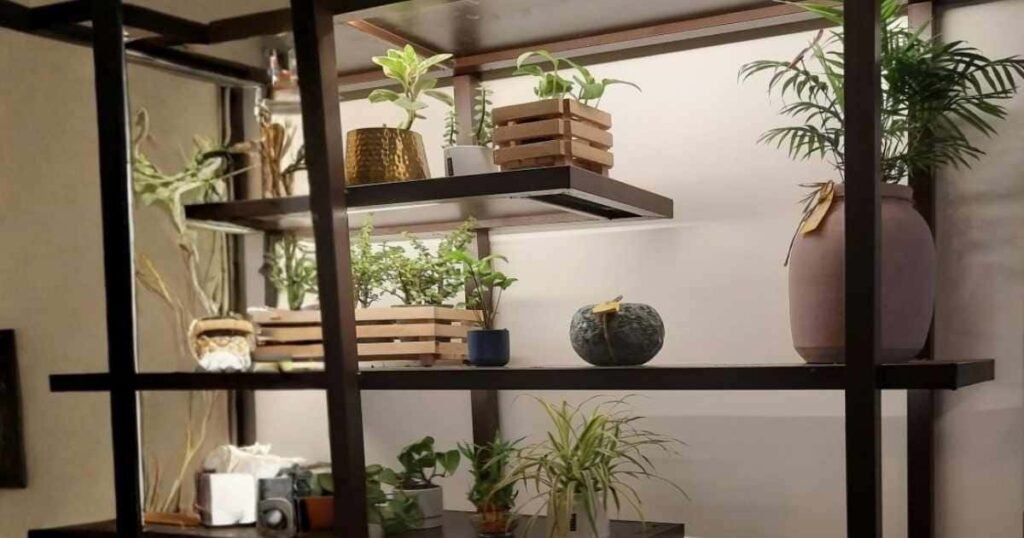
Not every low-light houseplant is equally suited to a bedroom. For most bedrooms, the best choices are plants that stay compact, tolerate limited natural light, and require minimal maintenance. Snake Plant, Peace Lily, Pothos, ZZ Plant, and Parlor Palm are excellent options because they adapt well to bedroom corners, shelves, and bedside tables. When choosing plants for bedrooms with low light, prioritize varieties that grow slowly, fit the available space, and can thrive without direct sunlight. For a room-by-room breakdown with pet safety for each plant, see best plants for bedroom.
Low Light Indoor Plants FAQs
What are the best indoor plants for low light rooms?
Some of the best indoor plants for low light rooms include Snake Plant, ZZ Plant, Peace Lily, Pothos, Chinese Evergreen, and Cast Iron Plant. These low light houseplants adapt well to limited natural light and thrive in bedrooms, offices, apartments, and other indoor spaces.
Which low-light plants are best for bedrooms?
Snake Plant, Peace Lily, Pothos, ZZ Plant, and Parlor Palm are among the best low-light plants for bedrooms. These easy-care houseplants tolerate limited sunlight and fit well on bedside tables, shelves, and bedroom corners.
How often should you water low light indoor plants?
Most low light indoor plants need watering only when the top 1–2 inches of soil feel dry. Plants such as Snake Plant and ZZ Plant can go longer between waterings, while Peace Lily and Pothos usually prefer slightly more consistent moisture.
Can plants survive in dark rooms with little sunlight?
Many low light indoor plants can survive in dark rooms with limited natural light, including Snake Plant, ZZ Plant, Chinese Evergreen, and Cast Iron Plant. However, no plant can grow indefinitely without any light source. Completely dark spaces may require supplemental grow lights.
How do I choose the right low light houseplant for my home?
Choose a low light houseplant based on available space, pet safety, maintenance needs, and mature size. Spider Plant, Parlor Palm, and Bird’s Nest Fern are good pet-friendly options, while Snake Plant, ZZ Plant, and Pothos are ideal for beginners seeking easy-care indoor plants.
If you want to explore even more options, don’t forget to check out our complete guide on Low Light Plants, packed with the best picks for every space.

Ellie Marsh
Houseplant grower who spent years in a north-facing apartment. Writes practical care guides for low light homes, checked against extension and botanical garden sources.
Pingback: Snake Plant Light Requirements: Best Sunlight for Healthy Growth - Low Light Leaf
Pingback: Repotting Snake Plant: 7 Mistakes to Avoid for Healthy Growth
Pingback: Best Hanging Indoor Plants: 17 Easy-Care Picks for Any Room