Last updated on October 4, 2026
Reviewed by: Muddsir Munir
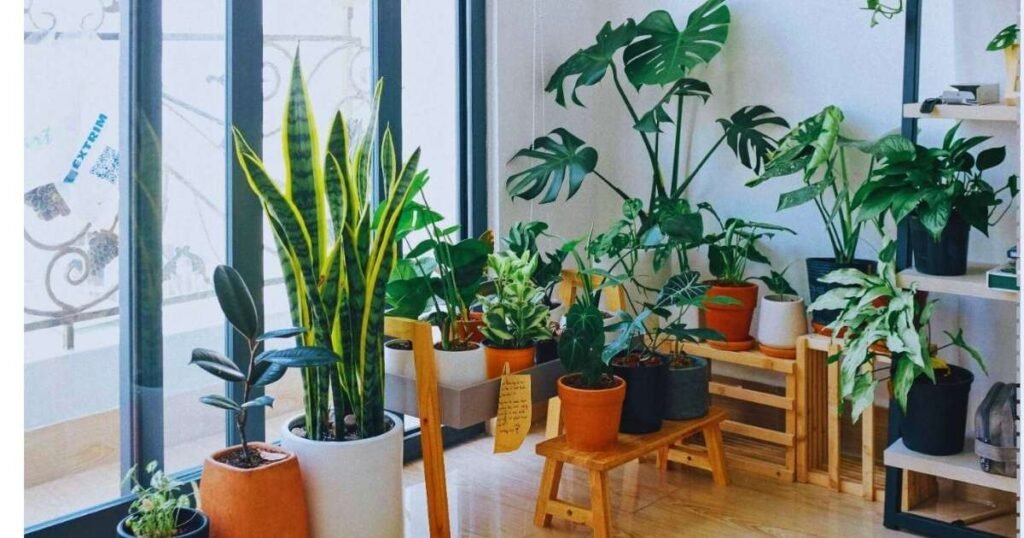
Are you running out of space for floor or countertop plants? Or do you want to create a vertical garden to refresh your home’s atmosphere? Consider switching to indoor hanging plants. These plants add natural beauty in a safe, space-saving way and are especially useful when you want to grow trailing plants without taking up floor or countertop space.
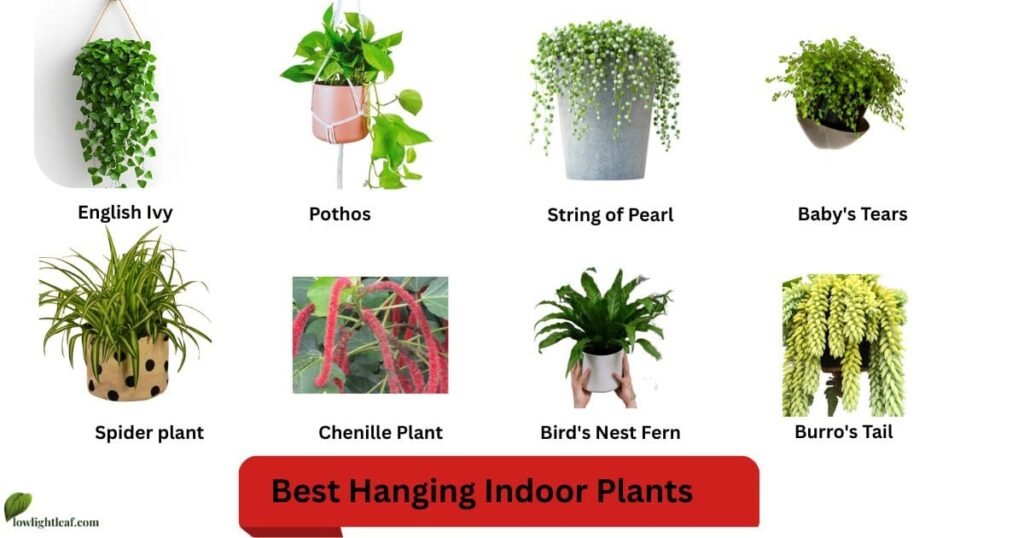
Hanging indoor plants free up shelves and floor space and bring greenery to eye level. The catch is that trailing plants don’t all want the same light, so the 19 picks below are grouped by how much light they need, with water, pet-safety and best-room notes for each.
Best hanging plants by room
Pet-safe hanging plants
Do Hanging Plants Need Sunlight? No plant grows in complete darkness. Pothos, heartleaf philodendron, spider plant and bird’s nest fern cope with dim light, but they still need some daylight. In a windowless room, hang the plant under a full-spectrum LED grow light for about 10–12 hours a day.
Best Low-Light Hanging Plants
If your room gets limited natural light, you can still enjoy beautiful greenery without placing your plants directly beside a sunny window. These low-light hanging plants are suited to dimmer indoor spaces and can help you add trailing foliage while making better use of your vertical space. These cope with dim rooms and north-facing windows, though growth slows and variegation fades in very low light. For more options, see these plants for dark rooms.
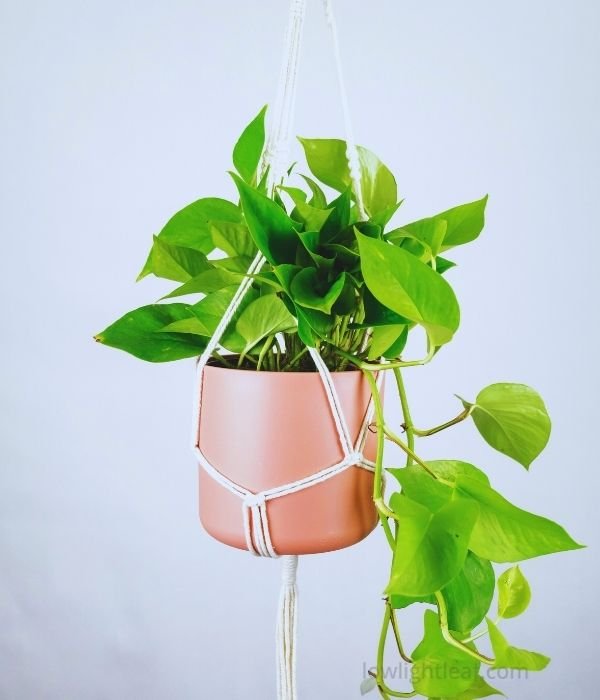
1_ Pothos:(Epipremnum aureum)
Pothos tolerates low light better than most trailing plants, though variegated types fade in dim spots. These hardy plants thrive in dry soil, tolerate low humidity, and are perfect for beginners. Their resilience, even under minor stress, has earned them the name Devil’s Ivy.
Ideal Locations for Pothos Plant
It also grows well under artificial light, making it ideal for any corner of your home when placed in indoor hanging plant pots or on an indoor plant hanger. You can keep it in
- Bathrooms
- Hallways
- Living room
Care Guide
Soil: Pothos thrive best in a well-drained potting mix, especially one that stays slightly on the dry side. Moreover, this type of soil helps prevent overwatering issues and supports healthy root growth.
Light: Pothos prefer bright, indirect light for healthy growth. However, too much shade can cause variegated leaves to turn dull, while too much direct sunlight can lead to pale or scorched foliage.
Water: Pothos should be watered only when the top 2 inches of soil become dry. In addition, allowing the soil to dry slightly between watering helps prevent overwatering and keeps the plant healthy.
Plant Toxicity: Pothos contain insoluble calcium oxalate crystals (raphides), which can be toxic to children and dangerous for pets. In fact, even a small bite can irritate, so it’s important to keep this plant out of reach and handle it with care.
2_ Grape Ivy:(Cissus rhombifolia)
Grape Ivy (Cissus rhombifolia) is one of the best hanging indoor plants. Grape Ivy tolerates lower indoor light but grows best in medium, indirect light. It also handles typical indoor conditions well, making it a useful choice for hanging baskets. This beginner-friendly plant thrives near windows, balconies, or in indoor hanging planter setups. With minimal care, it rewards you with long, arching vines and glossy leaves, adding a fresh, natural vibe to your houseplanting space.
Ideal Locations for Grape Ivy
The ideal location for Cissus rhombifolia is:
- Living room
- Bed room
- Dining room
Care Guide
Soil: A peat-based potting mix with bark particles works best for Grape Ivy, providing proper drainage while retaining enough moisture.
Light: Grape Ivy tolerates bright, indirect light as long as the soil remains sufficiently moist.
Water: Water your plant once a week, but always perform a finger test first to ensure the top inches of the soil are dry before watering.
Plant Toxicity: Grape Ivy is mildly toxic to pets if ingested. For humans, it is generally safe, but it’s still better to keep it away from children and pets to avoid any risk.
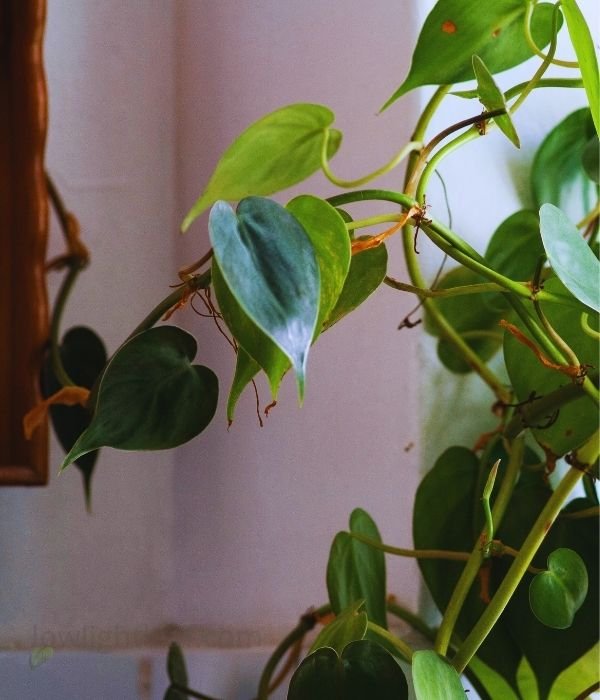
3_ Heartleaf Philodendron
Heartleaf Philodendron (philodendron hederaceum) is one of the best hanging indoor plants and a great choice for beginners. Its smooth, glossy, heart-shaped leaves and trailing vines add a modern aesthetic to any home. Perfect for indoor hanging planter setups, it thrives even in moderate light, making it an ideal choice for low light hanging plants.
Ideal Location
Heartleaf Philodendron tolerates lower light, but it still needs some light to grow well. Heartleaf Philodendron grows best in:
- Living room
- Bedroom
- Office
- Kitchen shelves
- Near east or north-facing windows
Care Guide
Soil: Use a basic soilless potting mix with plenty of peat moss.
Water: Water it when the soil feels dry. In winter, make sure the soil dries out completely.
Light: Bright indirect light; low light gives slower, leggier growth.
Plant Toxicity: Heart-leaf philodendron is toxic to pets and humans.
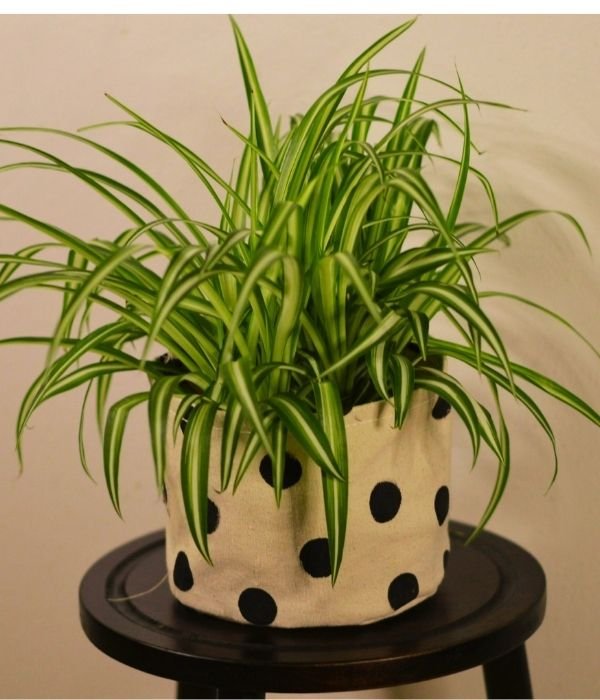
4_ Spider Plant (Chlorophytum Comosum)
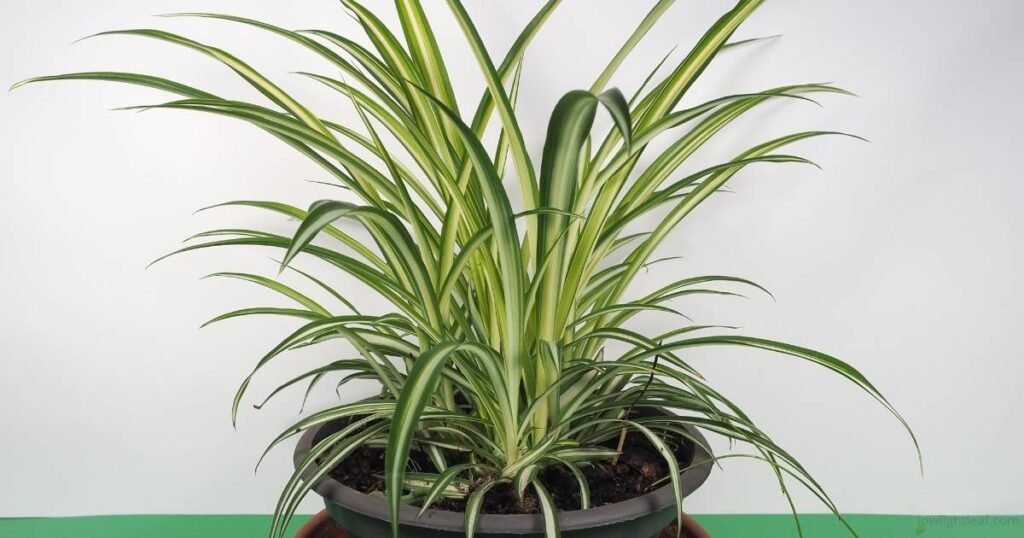
This plant is easy to care for and low-maintenance, perfect for hanging indoor plants. Its long, arching leaves grow from the centre, creating a striking look in any indoor hanging planter or on an indoor plant hanger.
Moreover, it produces numerous spiderettes, making it a popular choice for hanging plants and indoor spaces with low to medium light. Spider plant is a hanging indoor plant for the living room.
Ideal Location
Ideal Location for the Spider Plant is:
- Living room
- Bedroo
- Kitchen
Care Guide
Soil: It thrives best in well-draining loamy soil.
Light: Tolerates low to medium light; brighter light gives the best variegation.
Water: Water it when the top layer of soil becomes dry.
Plant Toxicity: Spider Plant is a hanging indoor plant that is non-toxic for cats, dogs, and children.
5_ Scindapsus pictus
Scindapsus pictus, often sold as satin pothos, has velvety green leaves splashed with silver. It trails like pothos but grows slower, so it stays tidy in a small hanging pot.
Ideal Locations
Scindapsus pictus is a hanging indoor plant and the best spots for Scindapsus pictus includes:
- Bedroom
- Home
- Office
- Hallway
Care Guide
Soil: Well-draining aroid mix with perlite and bark.
Light: Low to bright indirect light; the silver pattern is strongest in medium to bright light.
Water: When the top 1–2 inches are dry; it dislikes soggy soil.
Plant Toxicity: Toxic to cats and dogs if chewed.
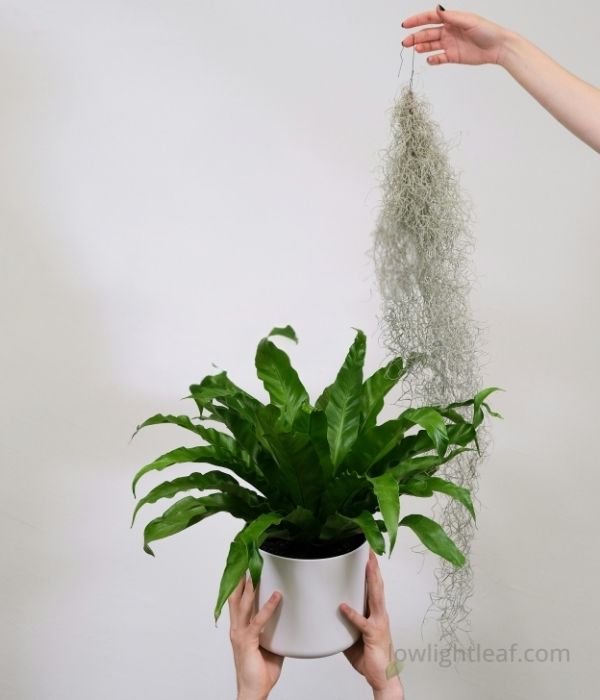
6_ Bird’s Nest Fern:(Asplenium nidus)
Bird’s Nest Fern (Asplenium nidus) is a striking tropical, medium to low light tolerant plant for indoor spaces. It doesn’t trail; it hangs as a rosette of wavy fronds, so give it a basket with room to spread. Its fronds rise from a central rosette, creating a signature nest-like appearance with large, wavy, bright green leaves.
Thriving in shaded areas, it works beautifully in indoor hanging plant pots or an indoor hanging planter, for adding lush greenery to your home.
Ideal Locations
Bird’s Nest Fern tolerates lower light, but it still needs some light to grow well. The best spots for Bird’s Nest Fern includes:
- Bathroom
- Bedroom
- Shaded living room
- Hallway
Care Guide
Soil: Soil used for Bird’s Nest Fern is a Peat-based potting mix with perlite.
Light: It can tolerate medium to low light. Moreover, artificial lights can also be used.
Water: Keep the soil consistently moist but not waterlogged, and avoid letting the growing medium dry out completely.
Plant Toxicity: Bird’s Nest Fern is a hanging indoor plant safe for cats and children.
Hanging Plants for Medium to Bright Indirect Light
Have a room with a bright window but little direct sun? Hanging plants for medium to bright indirect light give you plenty of options, from trailing vines to fuller foliage plants that can brighten your space while staying protected from harsh direct sunlight. These do best a few feet from a window or in a bright east or north-facing spot.
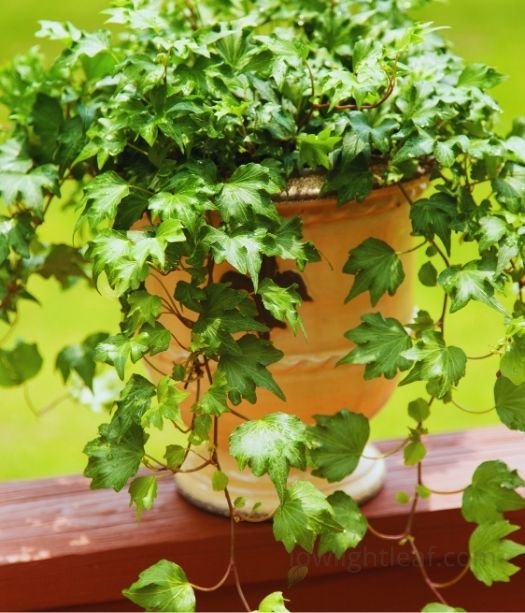
7_ English Ivy (Hedera helix)
English Ivy (Hedera helix) is a fast-growing, evergreen plant with star-shaped leaves that make it highly attractive. Its cascading stems make it perfect for indoor hanging plant pots or an indoor hanging planter, adding vertical greenery and charm to any space.
Thanks to its vigorous growth and year-round foliage, it is considered one of the best hanging indoor plants for creating lush, green corners in your home.
Ideal Locations
Since it grows best in airy places, you can keep it in:
- Bedroom
- Living room
- Hallway
Care Guide
Soil: Light, well-draining soil mixed with perlite is best for English Ivy.
Light: Bright indirect light; tolerates medium light but growth slows.
Water: Water when the 1 inch of soil becomes dry.
Plant Toxicity: English Ivy is toxic to both babies and pets; therefore, keep it out of reach.
8_ Boston Fern (Nephrolepis exaltata)
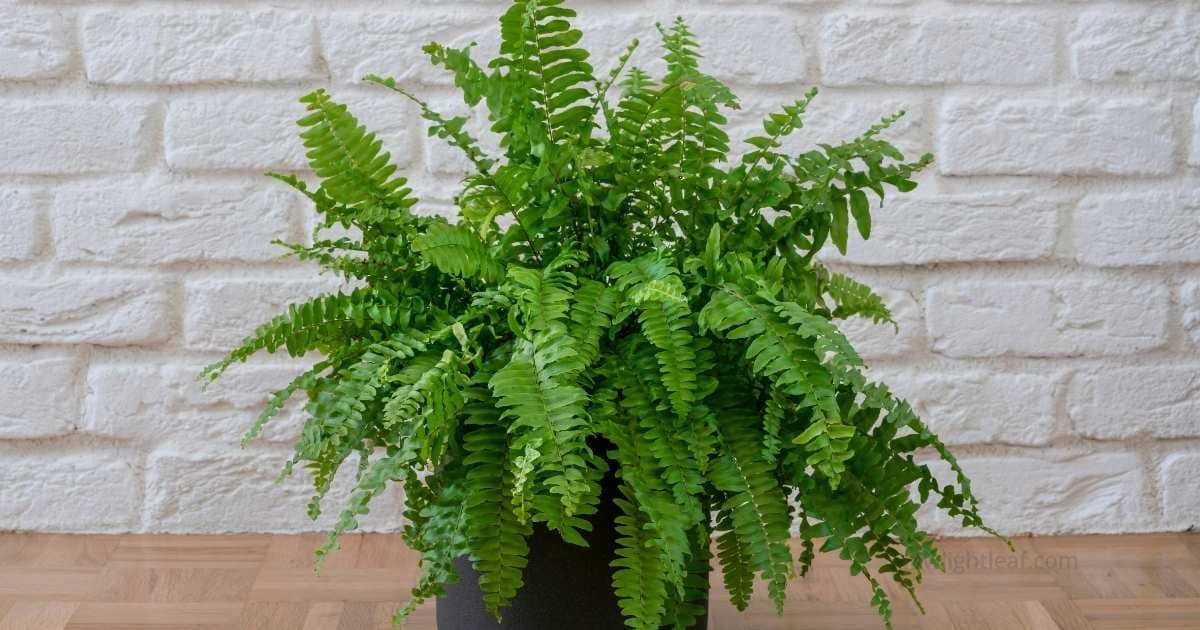
Boston fern, also called Sword Fern, is one of the best hanging indoor plants. Its long, blue-green, feathery fronds cascade gracefully over indoor hanging plant pots or planters, adding a fresh, elegant look to any space. Moreover, its hardy nature makes it perfect for indoor hanging plants, staying lush and evergreen for years.
Ideal Location
Since it loves humidity, it grows best in:
- Living room corners
- Office
- Bathroom
- Balcony (in shaded light)
Care Guide
Soil: Light, well-drained soil containing peat moss, perlite, and potting mix is best.
Light: Bright, indirect light; it can tolerate lower light but may grow less vigorously
Water: Boston Fern prefers higher humidity. If your indoor air is dry, use a humidifier to maintain more consistent moisture around the plant.
Plant Toxicity: Boston fern is completely safe for pets and humans.
9_ Baby’s Tears (Pilea depressa)
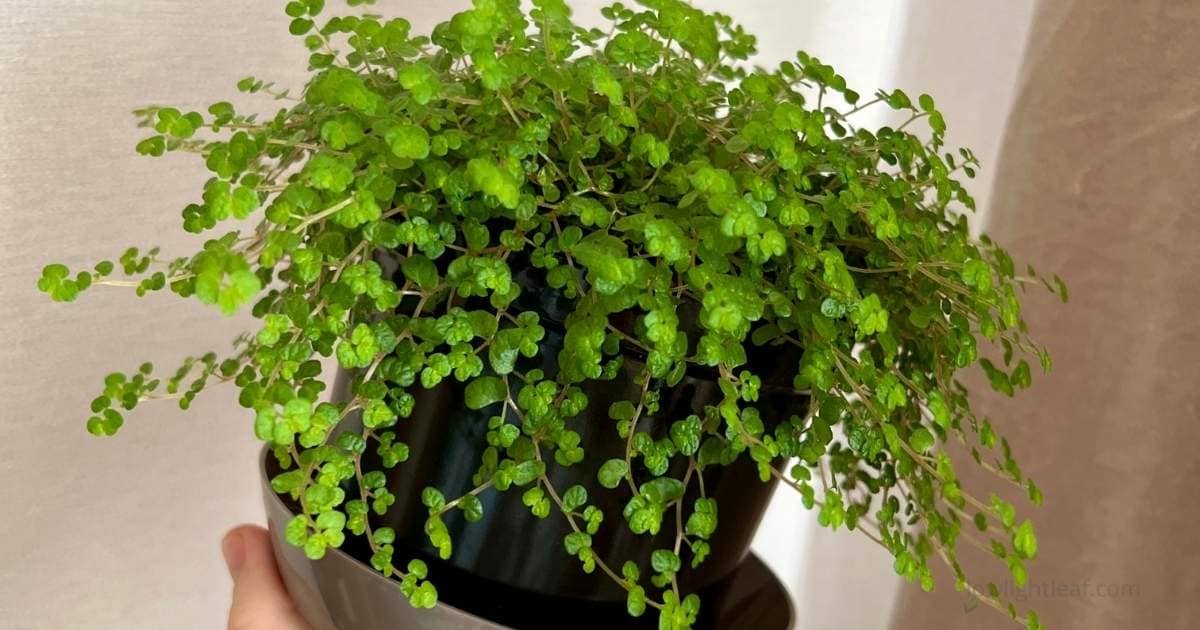
Baby’s Tears (Pilea depressa) is a charming trailing plant and one of the best hanging indoor plants for indoor hanging planter setups. Its tiny, bright green leaves create a soft, delicate look, while cascading stems fill indoor hanging plant pots beautifully. With gentle care, it spreads quickly and can even form a lush wall-carpet effect, adding freshness and vibrancy to any house planting space.
Ideal Locations for Baby’s Tears
Ideal places for Baby’s Tears are;
- kitchen
- Bathroom.
- Shaded living room.
Care Guide
Soil: For best results, use a mixture of peat moss and perlite.
Light: medium-to-bright indirect is better for good growth; low light makes it leggy. You can explore guides to indoor Plants that thrive even in shady spots.
Water: Water the plant 2 to 3 times a week, as it loves moisture. Otherwise, the leaves may become dry and crispy. Moreover, regular misting can also support healthy growth.
Plant Toxicity: Pilea depressa is a hanging indoor plant that is non-toxic for cats, dogs, and humans.
10_ Rhipsalis baccifera
Rhipsalis baccifera is a soft-stemmed, elegant jungle cactus and one of the best hanging indoor plants. Its thin, long stems create a modern, calming look in any indoor hanging planter or on an indoor plant hanger. Unlike typical cacti, it enjoys humidity, making it a good choice for hanging displays in bathrooms and kitchens.
Ideal Location
Rhipsalis is a hanging indoor plant that thrives best in humid areas:
- Bedroom
- Bathroom
- Kitchen
Care Guide
Soil: Use cactus soil mixed with cocopeat for better drainage.
Light: Although it prefers bright light, make sure it is indirect.
Water: Water it when the top layer of soil becomes dry.
Plant Toxicity: It is a hanging indoor plant safe for cats, dogs and humans.
11_ Swiss Cheese Plant :(Monstera deliciosa)
Monstera deliciosa is a popular indoor plant known for its jungle-like appearance and large, glossy, split leaves. Although it naturally climbs, young plants and shorter vines can be displayed in hanging planters. It grows quickly in suitable indoor conditions and is an attractive choice for adding vertical greenery to a living room.
Care Guide
Soil: Use a well-draining mix of peat moss and perlite.
Light: It prefers medium to bright indirect light. It can tolerate lower indoor light, but growth may become slower and less vigorous.
Water: Water it when the top layer of soil becomes dry.
Plant Toxicity: The Swiss Cheese Plant is toxic to pets and humans.
12_ Watermelon Peperomia (Peperomia argyreia)
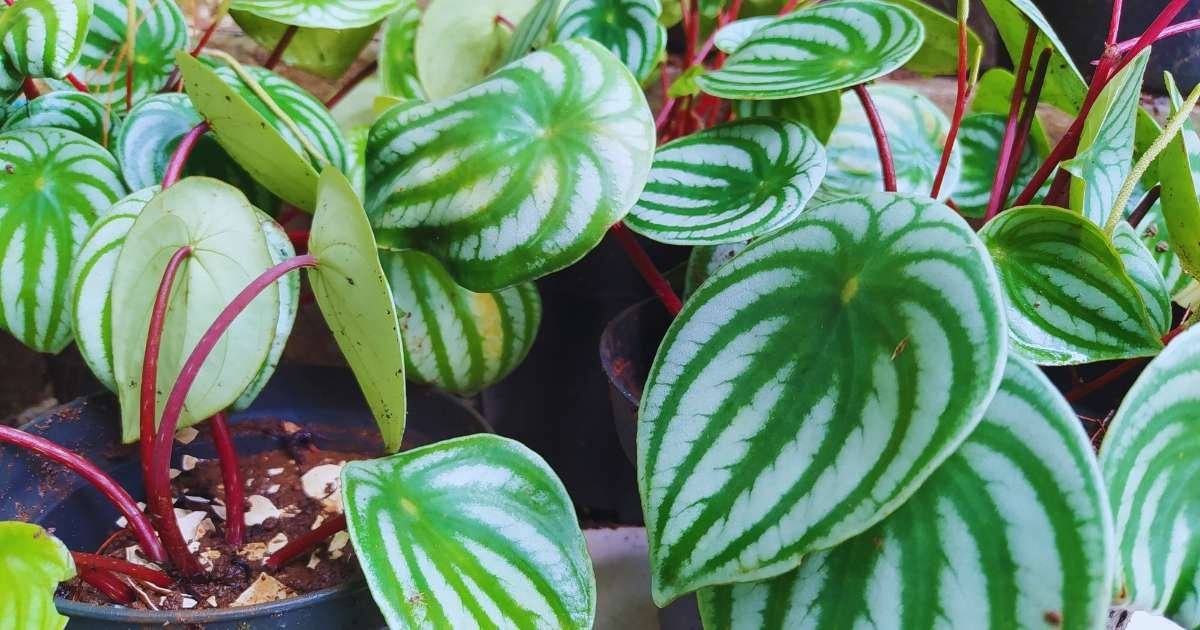
Watermelon Peperomia (Peperomia argyreia) is one of the best hanging indoor plants with beautiful cascading stems and oval-shaped leaves featuring dark-green surfaces highlighted with light-green and yellow stripes. It forms a compact mound, so use a small hanging pot and expect leaves to droop over the edge rather than grow long vines. Additionally, as the best hanging plant for beginners, its soft foliage adds a natural, elegant touch to any home.
Ideal Location
Since direct sunlight can burn its leaves, it is better to keep it indoors with medium light, such as in:
- Living room
- Study room
- Bedroo
Care Guide
Soil: Use a light, airy and fast-draining soil.
Light: It grows best in medium light; no direct sun and you may also use artificial light if needed.
Water: Water it when 2 inches of soil are dry.
Plant Toxicity: Watermelon Peperomia (Peperomia argyreia) is a hanging indoor plant safe for cats, dogs and humans.
Best Hanging Plants for Bright Rooms
For rooms with plenty of natural light, you can choose hanging plants that actually benefit from brighter conditions. These hanging plants for bright rooms can bring more color, texture, and trailing growth to sunny windows, bright living areas, and other well-lit spots in your home. These want a bright window. In dim rooms they turn leggy or lose their colour.
13_ String of Pearl (Senecio rowleyanus)
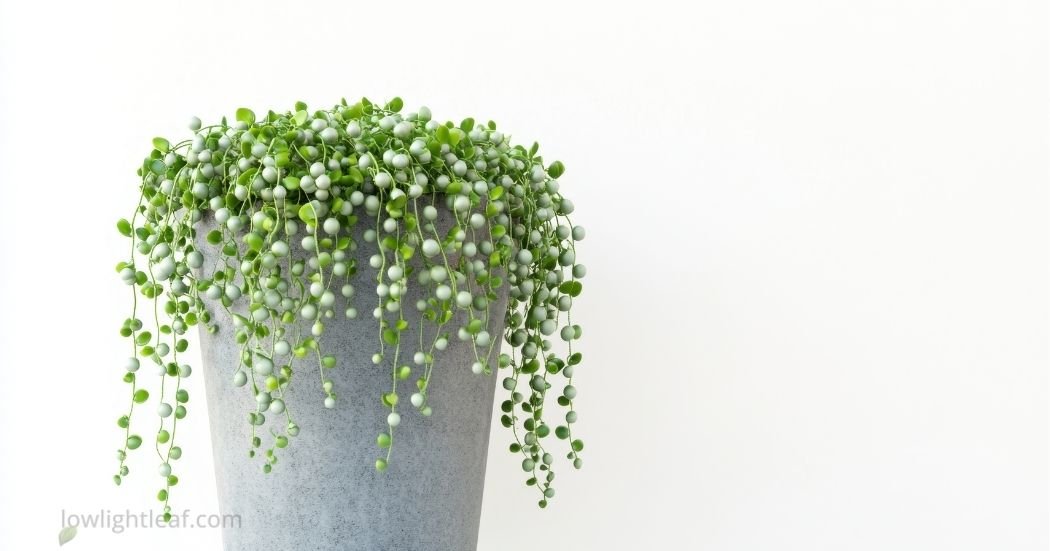
String of Pearls (Senecio rowleyanus) is a unique succulent that resembles a delicate pearl necklace, thanks to its round, bead-like leaves trailing along long stems. This low-maintenance trailing houseplant thrives beautifully in indoor hanging plant pots or an indoor hanging planter, making it one of the best hanging indoor plants.
Its elegant strands cascade gracefully, adding a refreshing touch and charm to any room, perfect for hanging indoor plants in the living room.
Ideal Locations for String of Pearls
String of Pearls grows best near a bright window, such as in:
- Living room
- Hallways
- Bedroom
Care Guide
Soil: This plant thrives in well-draining succulent or cactus potting mix to help prevent soggy soil and root rot.
Light: It prefers bright, indirect light. Therefore, placing it near a window with filtered light supports healthy and compact growth.
Water: Water the plant only when the top of the soil becomes dry. Moreover, avoid overwatering, as this succulent stores moisture in its bead-like leaves.
Plant Toxicity: String of Pearls is mildly toxic. If eaten, it may cause irritation or stomach discomfort.
➦ Check out our guide to 11 pet-friendly indoor plants to find safe and beautiful options for your home.
14_ Burro’s Tail (Sedum morganianum)
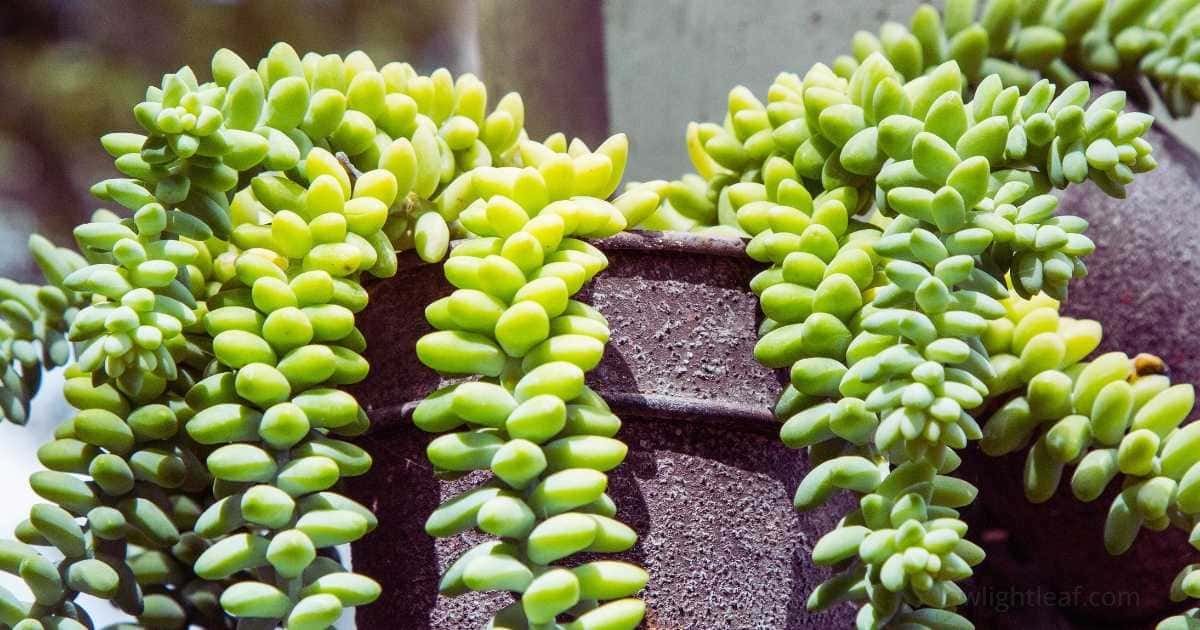
Burro’s Tail (Sedum morganianum) is a striking succulent with plump, round leaves tightly packed along long, trailing stems, giving the appearance of tiny green grapes cascading.
This low-maintenance trailing houseplant thrives effortlessly in indoor hanging plant pots. Its hardy and adaptable nature makes it ideal as a hanging plant for beginners and busy plant lovers, adding elegance and greenery to any space.
Ideal Location
For best results, place it in a warm and airy room like:
- Living room
- Bedroom
- Balcony
Care
Soil: The best soil for this plant is a succulent potting mix that drains quickly to prevent waterlogging.
Light: Burro’s Tail prefers bright light, which keeps its leaves firm and healthy. However, protect it from harsh noon sunlight. Direct sunlight can scorch the leaves.
Water: Water the plant every 10 days, and allow the top of the soil to dry completely before watering it again.
Plant Toxicity: Burro’s Tail is a hanging plant safe for cats and children. Therefore, it is a great choice for family homes, especially where safety is a priority.
15_ Chenille Plant:(Acalypha Hispida)
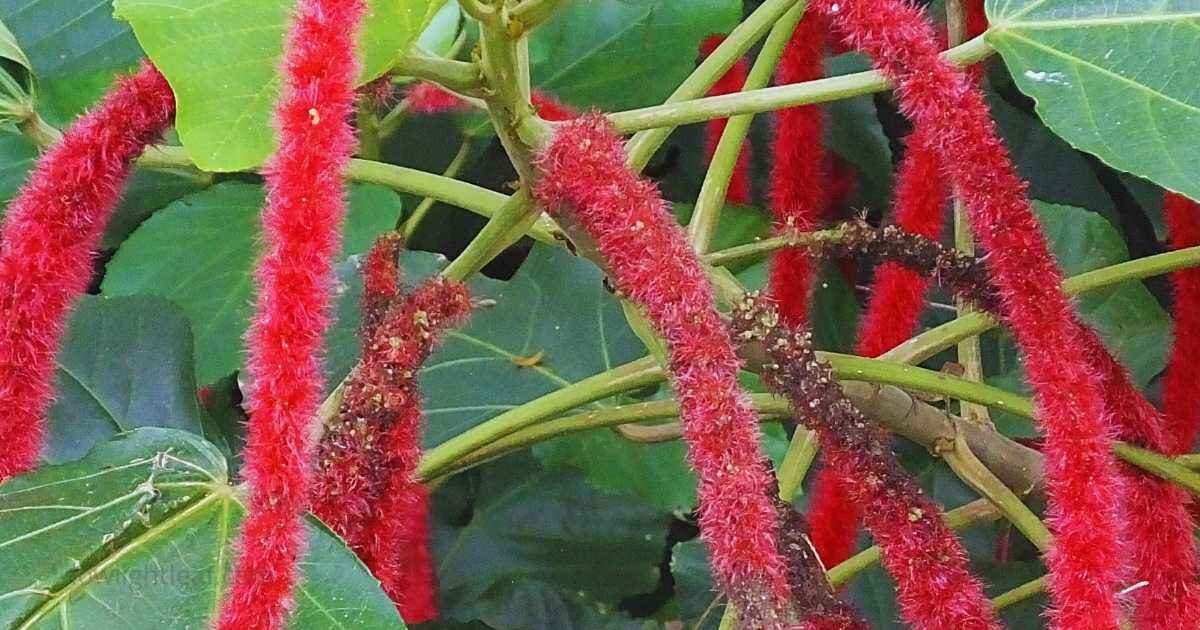
Chenille Plant (Acalypha hispida) is famous for its long, fluffy, bright-red flower spikes that resemble soft chenille yarn or fuzzy caterpillars. Its large, oval, green leaves enhance its lush appearance. With proper care, its drooping flowers can grow several inches, making it one of the best hanging indoor plants for adding vibrant color and texture to your home.
Ideal Locations For Chenille Plant
Chenille plant prefers bright light and can tolerate some direct morning sun. Indoors, place it near a bright window.
- Balcony (but in a shaded location)
- Bedroom
- Living room
Care Guide
Soil: Use the well-draining, rich potting mix soil for better growth.
Light: Bright light with some direct morning sun; keep it away from harsh afternoon sun.
Water: It thrives in moist soil. Therefore, water it when the top layer of soil becomes dry.
Plant Toxicity: Unfortunately, Acalypha hispida is toxic to both humans and pets.
16_ Air plant (Tillandsia spp)
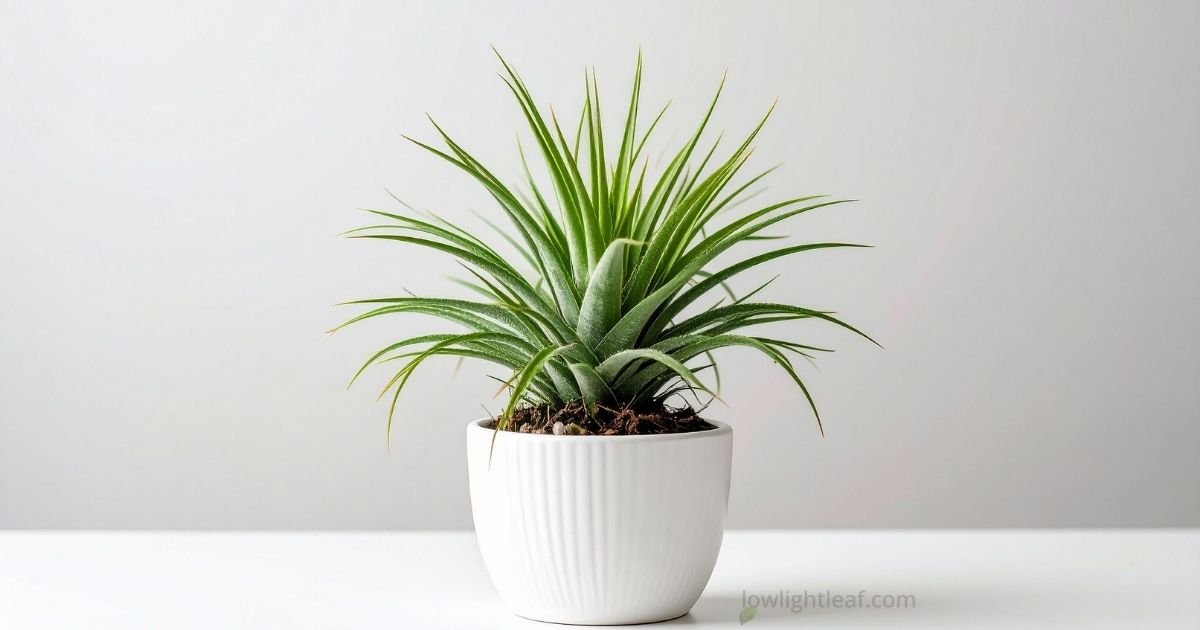
Tillandsia spp. are unique, soil-free air plants that can be displayed on wire, driftwood, or glass globes. Their unusual growth habit makes them a creative choice for hanging indoor displays.
With their spiky, silvery-green foliage, they can be mounted on wood or shells or placed in glass terrariums. These house plants are ideal for hanging décor, adding a modern, airy touch to any space.
Ideal Location
These plants are ideal hanging indoor plants for living rooms, but need high humidity, so these places suit the temperature of the Air plant:
- Kitchen
- Bathroom
Care Guide
Soil: These house plants don’t need soil to grow.
Light: Bright indirect light, near an east or south window.
Water: Soak for 20–30 minutes once a week, more often in dry air, and let it dry fully within 4 hours.
Plant Toxicity: These hanging indoor plants are safe for cats, dogs, and humans.
17_ Purple Heart (Tradescantia pallida)
Try this houseplant if you are tired of green plants. This trailing house plant produces dark purple leaves and is relatively low-maintenance. It is fast-growing indoor hanging plant for beginners spreads beautifully and is ideal for indoor hanging planters.
Ideal Location
Purple Heart is the hanging plant that likes direct sunlight. (But save it from noon sunlight). The ideal location for this houseplant is:
- Balcony
- Living room
- Bedroom
Care Guide
Soil: A well-draining potting mix is good enough for this houseplant’s growth.
Light: Bright light with some direct morning sun; it loses its purple colour in low light.
Water: Water it when the top layer of soil becomes dry.
Plant Toxicity: Mildly toxic for pets and children.
18_ String of Heart (Ceropegia woodii)
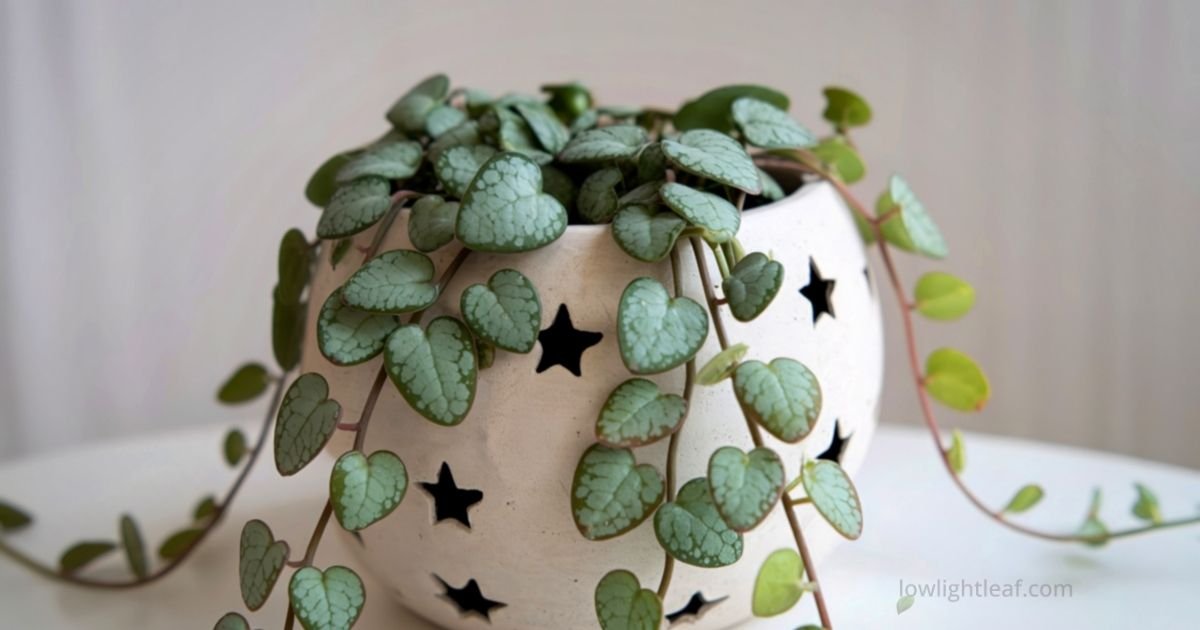
Ceropegia woodii is loved for its long vines, which can cover an indoor hanging planter, and its heart-shaped green leaves with silver marble lines. Because of its lightweight vines and easy-care nature, it is a beautiful choice for hanging displays and a great option for beginners.
Ideal Location
String of Heart is a hanging indoor plant for the living room:
- Living room
- Balcony (shaded light)
- Bedroom
Care Guide
Soil: The best soil for these indoor house plants is cactus well-draining soil.
Light: It prefers bright to medium, indirect light.
Water: Water the plant when the soil is completely dry.
Plant Toxicity: String of Heart is a hanging indoor plant safe for cats, dogs and children.
19_ Hoya carnosa
Hoya carnosa has thick, waxy leaves on long vines and can produce clusters of fragrant star-shaped flowers when it gets enough light.
Ideal Locations
Best spots for Hoya carnosa include:
- Living room
- Bedroom near a bright window
- Sunroom
Care Guide
Soil: Chunky, fast-draining mix of potting soil, orchid bark and perlite.
Light: Bright indirect light; gentle morning sun helps it bloom.
Water: When the soil is dry through most of the pot; it stores water in its leaves.
Plant Toxicity: Non-toxic to cats and dogs.
Things Need to be Considered for Trailing House Plant:
When choosing the best hanging indoor plants, there are a few important factors to keep in mind:
Choose the Right pot and Weight capacity
Select indoor hanging plant pots or indoor hanging planters that fit your plant’s size and have proper drainage. Ensure the pot can support the plant’s weight over time.
According to university‑level care recommendations, hanging baskets should use well‑drained media and proper watering schedule.
Hang the plant according to its requirements
Each plant has specific needs. Some thrive as low light hanging plants for indoor use, while others prefer bright, indirect light. Consider humidity, airflow, and growth patterns to keep your indoor plant hanger setup healthy. Therefore, always consider these factors and choose the right location to support
Don’t hang it too high
Don’t hang plants too high. Easy access lets you water, trim, and properly maintain your trailing houseplants.
Growth potential
Account for how much the plant will grow. Hanging a fast-growing plant like Pothos too low or too high can make care difficult.
Safety and Convenience
Some hanging indoor plants are safe for cats or children, while others can be toxic. Choose the location carefully to protect your family while enhancing your space with greenery.
Benefits of Trailing House Plants:
Enhance Indoor Air Quality
Hanging indoor plants can make a room feel fresher and more inviting while adding natural greenery. Their biggest practical benefits are space-saving design, visual appeal, and the ability to bring plants into areas where floor or shelf space is limited.
Hanging Indoor Plants: Saves Floor Space
Low light hanging plants for indoor use are perfect for small rooms. Indoor hanging planters free up tables and shelves; therefore, they are ideal for creating a neat, organized, and space-efficient home.
Add height, texture and visual interest
Low-light hanging plants for indoor use let you enjoy lush greenery without crowding your surfaces.
Improves mood and reduces stress
Indoor plants can make a space feel more calming and pleasant. Hanging plants also add greenery without taking up valuable floor or surface space.
Hanger Ideas For Hanging Indoor Plants
There are many stylish ways to hang indoor plants, and different types of hooks support indoor hanging plant pots based on their weight or design. Moreover, each hook serves a specific function.
To simplify your houseplant journey, here are some commonly used hooks and their purposes, so you can pick the most suitable option for your indoor hanging plant pots.
- For heavy plants, use a magnetic plant hook, which provides long-lasting strength and keeps even the best hanging plant for beginners secure.
- For light and slow-growing plants, a properly rated suction cup hook can be a convenient option on suitable smooth surfaces.
- For smaller and slow-growing plants, a bar clamp is a great choice because it supports the pot firmly and keeps it close to the ceiling—perfect for compact rooms using an indoor plant hanger.
- To create a wall full of hanging plants, tension rods are the ideal option. They stretch from wall to wall, letting you build an aesthetic houseplant wall or a cozy selfie background.
- Use a C-clamp for exposed ceiling beams, as it provides strong and secure support for almost any indoor hanging planter.
- Choose adhesive hooks designed for suitable smooth surfaces, and follow the manufacturer’s weight and removal instructions.
Style Ideas for Hanging Indoor Plants pots
Minimalist Hanging Plant Looks
If you are hanging bushy plants like a spider plant and want a normal look, not extra, use a simple and neutral indoor hanging planter to give it a minimal look. You can use Macramé indoor hanging hangers to give your home a more modern vibe.
Add nature to style
Use wooden indoor hanging planters and jute rope to add a nature vibe and greenery to a corner. If you want to make your dull corner greener, you can hang 4 to 5 indoor hanging planters in that corner using Bar clamps.
How to Mix Different Plant Types?
If you have different varieties of plants, like String of Pearls, Peperomia, Boston fern, and Purple Heart, you can mix and match them to make it more eye-catching.
For a complete guide on indoor plant care, styling, and placement, check out our The Ultimate Guide to Low light Indoor Plants.
FAQs for Hanging Indoor Plants
How to hang indoor plants using an indoor plant hanger?
What are low-maintenance hanging plants?
Which is the best indoor hanging plant?
What are best indoor hanging planters?
What is the best lightweight indoor hanging plant?
- Pothos
- Heartleaf Philodendron
- Air Plant
- Monstera deliciosa
Explore more:

Laiba Hammad
Shares beginner-friendly indoor plant tips focused on practical care, indoor styling, and everyday houseplant growing.