Last updated on November 19, 2026
A peat free potting mix replaces sphagnum peat with coir, bark, wood fiber, compost or a blend of them, and a bag only counts as peat free when the ingredient list names none of the peat words. Three things change in the pot: how water soaks in, how soon a plant needs feeding, and how long the bag keeps.
None of those changes make the mix worse for a houseplant in a dim room. They make it less standardized.
I have repotted into bags that drained fast and bags that held water far longer, and neither harmed the plant. What tripped me up was watering both of them the same way.
What Is in a Peat Free Potting Mix?
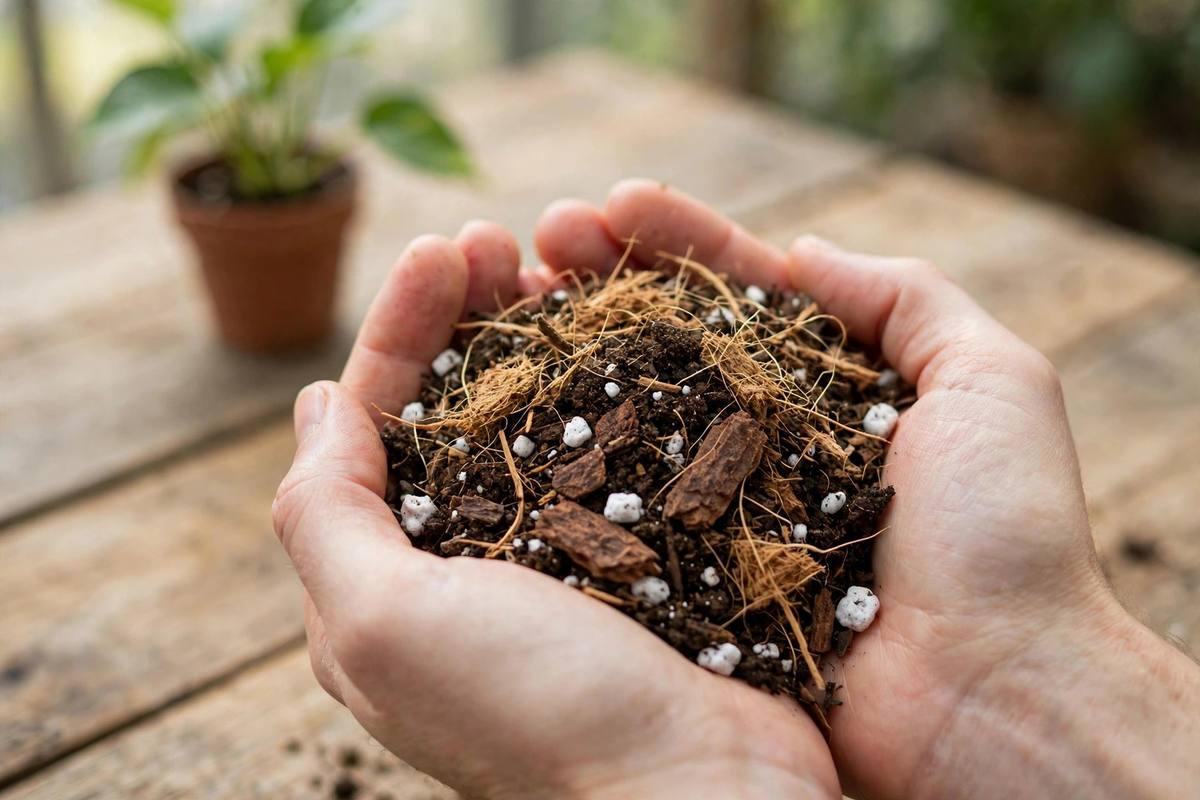
Peat free mixes are built from materials that do the two jobs peat did: hold water and keep air in the root zone. Coir holds water, bark and wood fiber keep the mix open, compost or worm castings feed slowly, and perlite or pumice adds air. Which of those a bag leans on decides how it behaves in your window.
- Coir: shredded coconut husk; holds water, and at a grade close to peat it holds more air and less water than peat does (University of Maryland Extension).
- Bark or wood fiber: keeps the mix open and drains fast; holds little water by itself.
- Compost or worm castings: the slow feed in the bag, and the amount varies widely between brands.
- Perlite or pumice: the drainage lever, for succulents and for anyone who overwaters.
- Biochar: turning up in newer houseplant blends; holds water and nutrients, and does not replace feeding.
Because the recipe is not fixed, “peat free” describes what is missing, not what you get. A bag that leans on wood fiber drains hard and dries back quickly. A bag that leans on coir holds more air below the surface than a peat mix does at the same grade. Both are peat free, and the plant in a half-shaded room will respond differently to each.
“I’ve tried this and wasn’t impressed. I’ve been happier with coco coir products.”
– r/succulents
That comment is the category in miniature. One grower compares a wood-fiber mix against coir, finds the second one easier, and the verdict is filed under “peat free” when the two bags were never the same product. I read the first ingredient now for exactly that reason.
Is Peat Banned Yet, or Still a Choice?
No ban is in force. Defra told Parliament in a written answer in January 2026 that it plans to legislate for a ban “when parliamentary time allows”, a commitment with no date attached. Peat bags can still be sold, and the peat free bag is one option on the shelf.
The commitment covers peat and products that contain it, so a bag of ordinary multipurpose compost with peat in the blend falls inside it. What is moving now is the supply side. The Royal Horticultural Society says the plants sold at its own garden centers and through RHS Plants are “no new peat”, and its advice treats peat free as the default for anyone buying compost now. Nurseries feeding those channels get asked whether the plants they sell were grown without it.
The upshot for a houseplant grower is that peat free mixes turn up in the bag you buy whether or not a law arrives, and the ingredient list, not the line printed across the front, tells you what is inside.
What Changes When You Switch
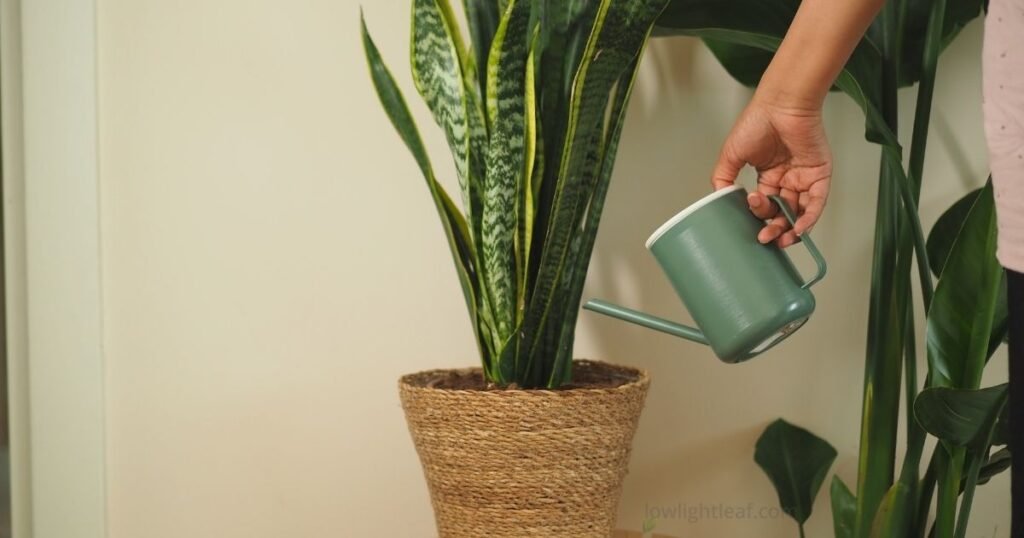
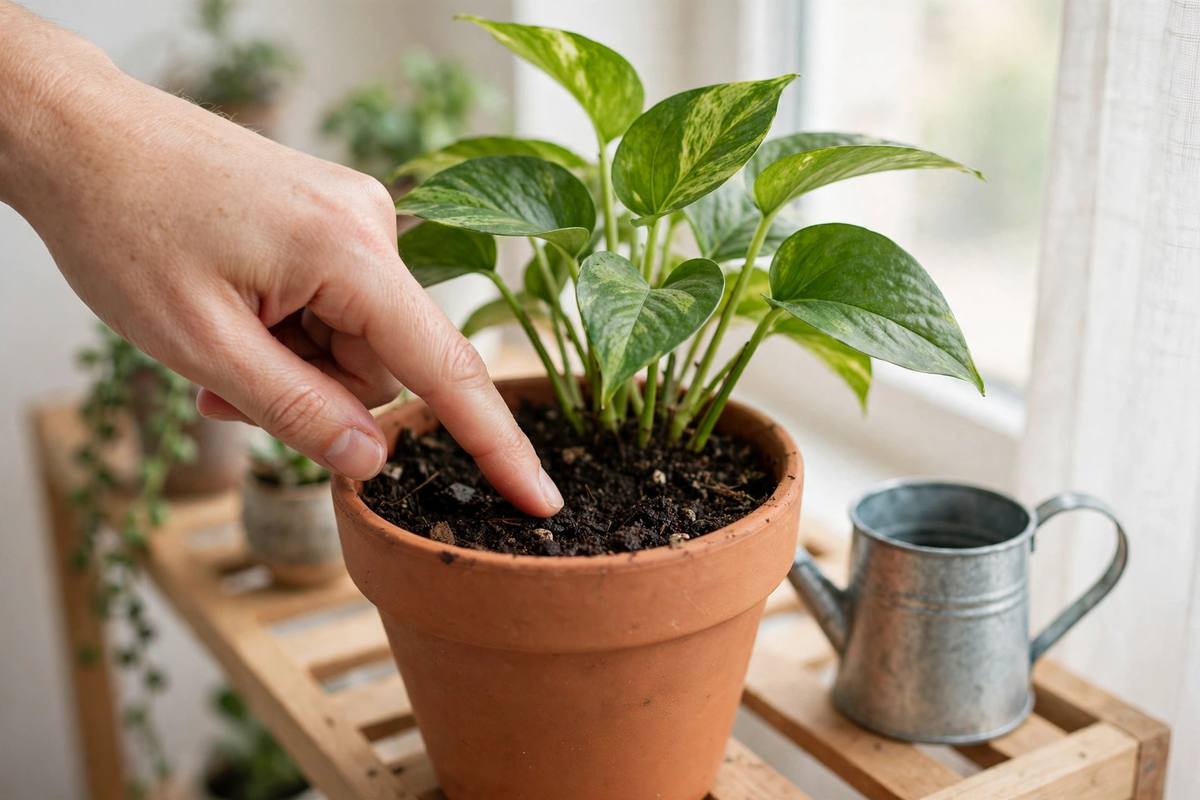
Less than the advice suggests. RHS research found that peat free compost does not need more watering than peat, though it does need watering differently: the surface dries while the root zone stays damp, so a visual test tells you the wrong thing. Push a finger into the mix below the surface before you pour.
A small pot says the same thing by weight. Pick it up after watering, then again three days later, and the difference reads in your hand long before the surface looks dry.
That is how I water the north-facing room, where the top of every pot looks dry most of the year.
Watering volume is not the issue; delivery is. When a bag leans on coir, the mix below the surface can dry back further between waterings, and water poured onto a dry surface runs down the inside of the pot instead of soaking in. Two passes a few minutes apart, or a tray of water the pot drinks from, get it into the root zone.
The feeding change arrives a few weeks in, when new growth comes in pale. RHS advises watching for signs of deficiency and adjusting the feed, and giving young plants a dilute liquid feed as soon as the first true leaves open. Peat free bags differ in how much compost they carry, so the feed schedule on the label is a starting point.
Small mushrooms on the surface are not a problem. RHS’s own tip is to pinch them off; they are working through the organic matter in the mix, not attacking the plant.
Reading the Bag Before You Buy
Two lines on the back of the bag settle most of it. The ingredient list says whether the mix is peat free and what it is built from, and the production date, printed by some manufacturers, says how long it has been sitting. Compost degrades in storage, and a bag that spent a summer outdoors is not the mix that was bagged.
| If the label leads with | What it does in the pot | What to watch |
|---|---|---|
| Coir | Holds water, and more air than peat at the same grade | Can dry back hard between waterings; water in two passes |
| Bark or wood fiber | Drains fast and keeps air around the roots | Needs watering sooner in a warm room |
| Compost or castings | Feeds the plant for the first weeks | Variable amount; start a dilute feed when new leaves pale |
| Perlite or pumice | More air, less water held | Right for succulents, snake plants and ZZ plants |
“Organic” and “natural” say nothing about peat. Peat is both. The words that matter in an ingredient list are peat, sphagnum peat, peat moss and peat humus, and a bag listing any of them is not peat free whatever the front panel claims. In the UK the Responsible Sourcing Scheme logo rates the ingredients on environmental criteria, and RHS points buyers toward it.
How the bag was stored matters as much as its age, and not only for the compost.
“I find promix generally good, just get the stuff intended for indoor plants that comes in a sealed bag. A lot of soils for outdoor use have vent holes in the bag to let moisture escape, and the gnats come in that way.”
– r/houseplants
Sealed and indoors is the short version, and used within the season you bought it. I look for the production date first and keep the bag closed between repottings, which is easier than remembering when it was opened. Splitting a bag with someone who grows the same kind of plants works too, and specialized mixes for orchids or African violets are worth sharing for exactly that reason.
A Starting Mix for Houseplants
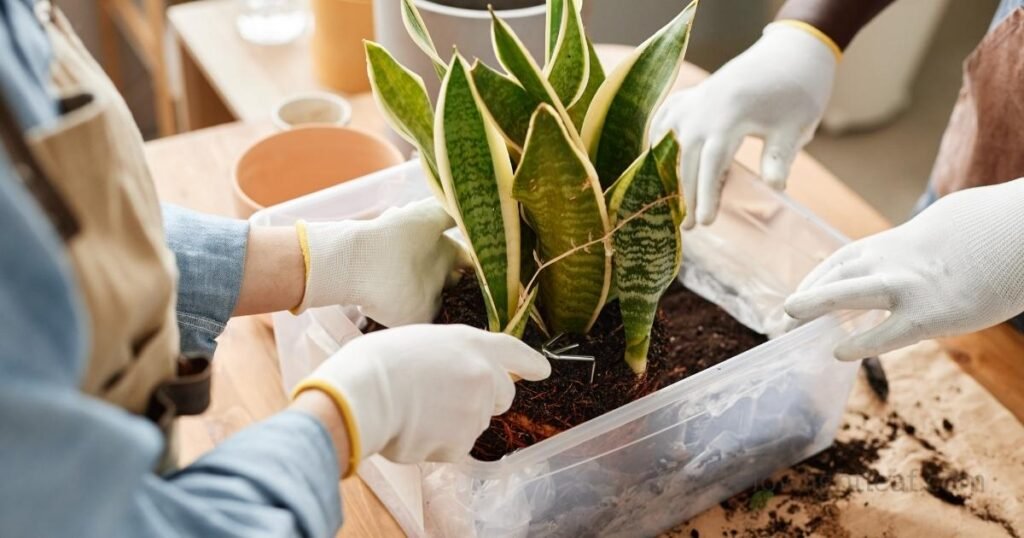
Two parts peat free potting mix to one part drainage, plus a small scoop of compost or castings per pot, covers pothos, spider plants and peace lilies. I would rather buy a smaller bag twice a year than one large bag that sits in a shed. Snake plants and ZZ plants want closer to half drainage, and they do better slightly underpotted than in a generous pot.
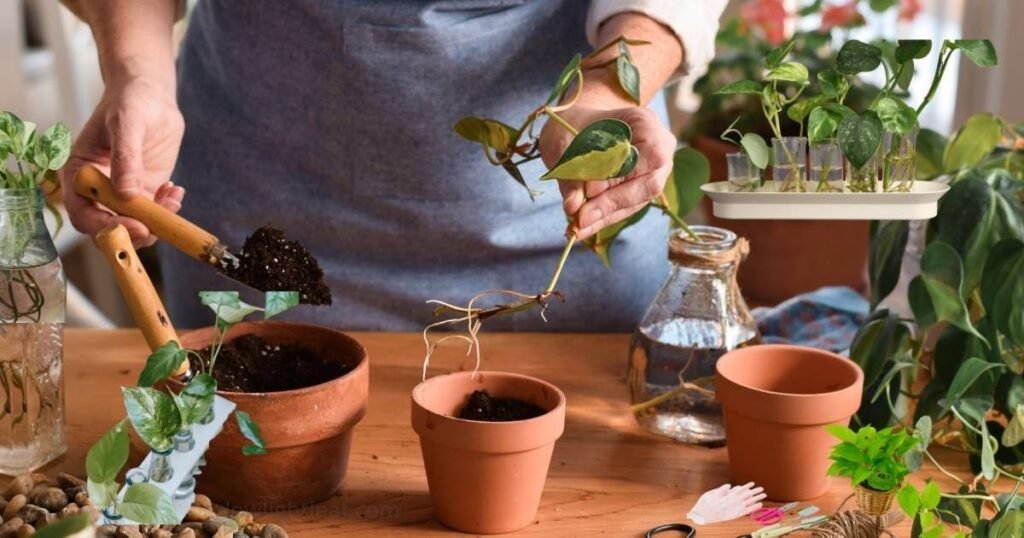
If you are repotting a plant that sulked after its last change of mix, the plant pages beat a general ratio: pothos, spider plant, snake plant and ZZ plant each name a mix and the watering that goes with it. For how much mix a given pot actually takes, the potting soil calculator works it out from the pot dimensions.
Two things to plan for after the repot: water the new mix once, slowly, until it runs out the bottom, then leave the pot alone until the mix below the surface is dry again. And expect the plant to sit still for a couple of weeks while roots move into the new material. That pause happens after any repot, peat free or not.
Common Questions
Can you add peat moss to potting mix?
You can, and the mix stops being peat free the moment you do. Peat’s job in a bag is holding water while keeping some air in the root zone, and coir does a version of the same job. Adding peat to a peat free mix undoes the one thing the label promised.
Does peat free potting mix dry out faster?
Not in total water used. RHS research found peat free compost does not need more watering than peat, though it needs a different pattern, because the surface dries before the root zone does. A coir-heavy mix can look dry on top while water is still available below.
Do you need to feed more with peat free mix?
Often. The compost inside a peat free bag varies by brand, so the feed in the mix runs out at different speeds. I start a dilute feed once new leaves come in paler than the old ones, and RHS advises the same timing plus a dilute liquid feed for young plants as their first true leaves open.

Ellie Marsh
Houseplant grower who spent years in a north-facing apartment. Writes practical care guides for low light homes, checked against extension and botanical garden sources.