Last updated on November 21, 2026
Heavy Southern rain can leave patio pots sitting in wet soil for days, and shade-loving plants take it worst. Without direct sun, their containers dry out slowly, so a week of storms can turn a healthy fern into a pot of soggy roots. My own backyard is mostly shaded, so I know how long those pots can stay wet. The fix is mostly planning: the right pot, the right mix, and moving things before the rain arrives.
Why Patio Plant Root Rot Starts After Heavy Rain
Root rot starts when roots sit in wet soil for too long. Roots need air as well as water, and soaked soil leaves them short of oxygen.
That gives harmful fungi and other organisms room to grow. Rotting roots turn dark and mushy, and the plant can no longer take up the water and nutrients it needs.
Shade makes this worse. With little direct sunlight, a pot on a shaded patio stays damp much longer than the same pot in a sunny spot. Even plants that like moist soil run into trouble when water keeps collecting around their roots.
Watch for yellow leaves, drooping stems, or a plant that seems to have stopped growing after a rainy spell. It’s easy to read those as thirst, but soggy roots cause the same symptoms. Before you reach for the watering can, push a finger into the soil and check whether it’s still wet below the surface.
Choose Pots That Let Water Escape
In a wet season, the container decides a lot. Every outdoor planter needs drainage holes so extra water can leave. A decorative pot without holes can fill with enough rain to damage the roots, and you won’t see it from the outside.
If you love a pot that has no holes, use it as a cover instead. Set the plant in a plain nursery pot inside it, then lift the inner pot out after heavy rain and tip out whatever has collected before you put it back.
Saucers need the same attention. They protect patio surfaces, but rainwater left standing in them soaks back up into the soil. Empty them after every storm.
Use a Potting Mix That Drains
Garden soil seems like a sensible choice for patio pots, but it packs down in a container over time, and packed soil holds water instead of letting it drain. A potting mix made for containers does a better job: water runs through, and enough moisture stays behind for the roots. The joegardener container gardening episode makes the same point about soil and drainage.
When you shop, look for mixes with perlite or pine bark. Both keep the soil from getting too dense and leave small gaps where water can drain and air can reach the roots. If you’d rather skip peat, my guide to peat free potting mix explains what goes in those bags.
One mix won’t suit everything on the patio, though. Ferns generally like soil that stays moist, while some begonias prefer to dry out a little between waterings. Neither does well in a pot where water has nowhere to go, so check how much moisture each plant wants before you repot.
Move Containers Before the Storm
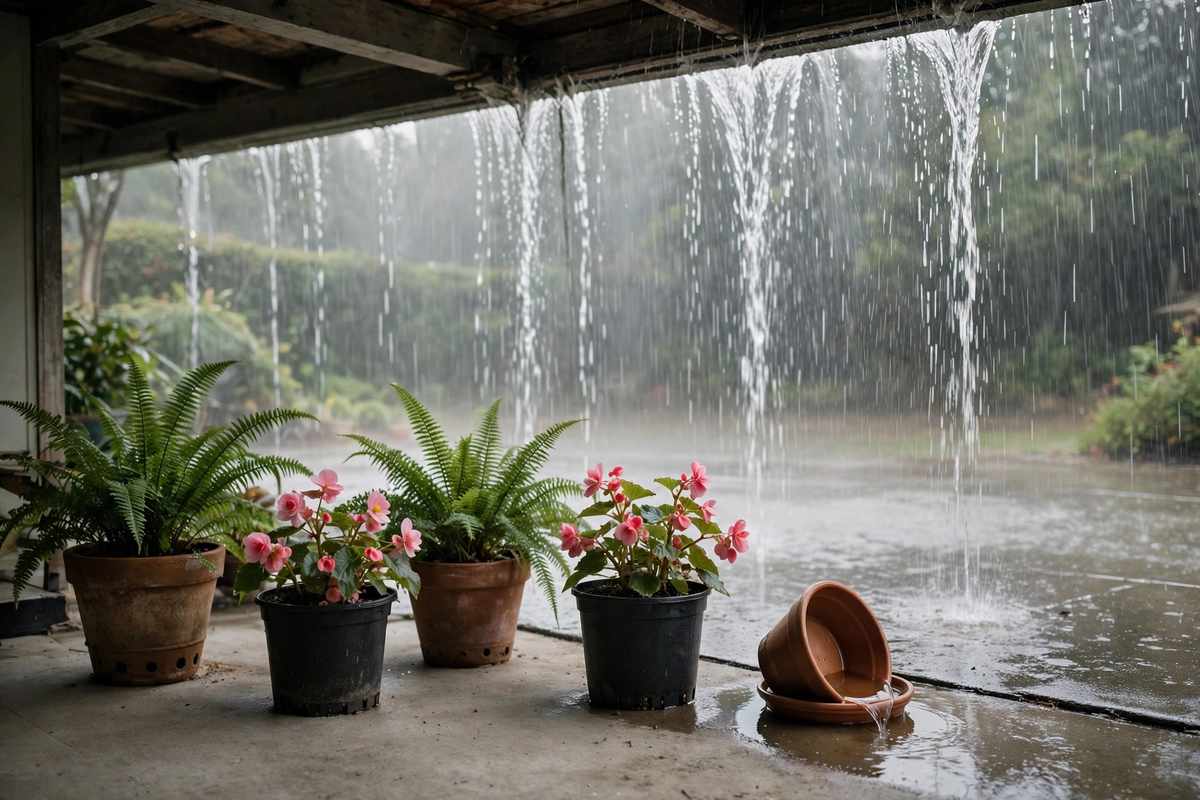
Pots have one big advantage over garden beds: you can move them. When several days of heavy rain are forecast, slide the most vulnerable pots under a covered patio or porch roof so soil that’s already damp doesn’t get completely saturated.
Apartment balconies and covered patios are handy for this, and Comfortable Covington apartments for plant lovers often come with exactly that kind of sheltered outdoor space. Cover isn’t a guarantee, though. Strong storms push rain in sideways, so watch where water actually lands during a downpour before you settle on a spot.
Keep pots away from roof edges and gutters, where runoff pours down in a steady stream. A small pot under that stream can waterlog surprisingly fast. Pick a sheltered spot that still gives the plant the light and airflow it needs, and if you’re moving plants that normally live indoors, the advice on acclimating houseplants outdoors in shade covers how to do it without shocking them.
Help a Waterlogged Plant Recover
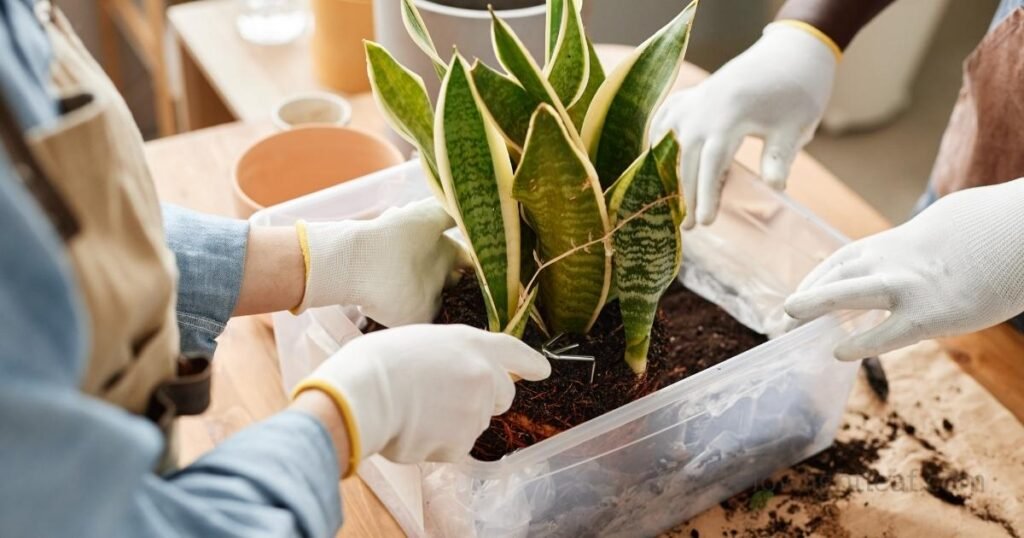
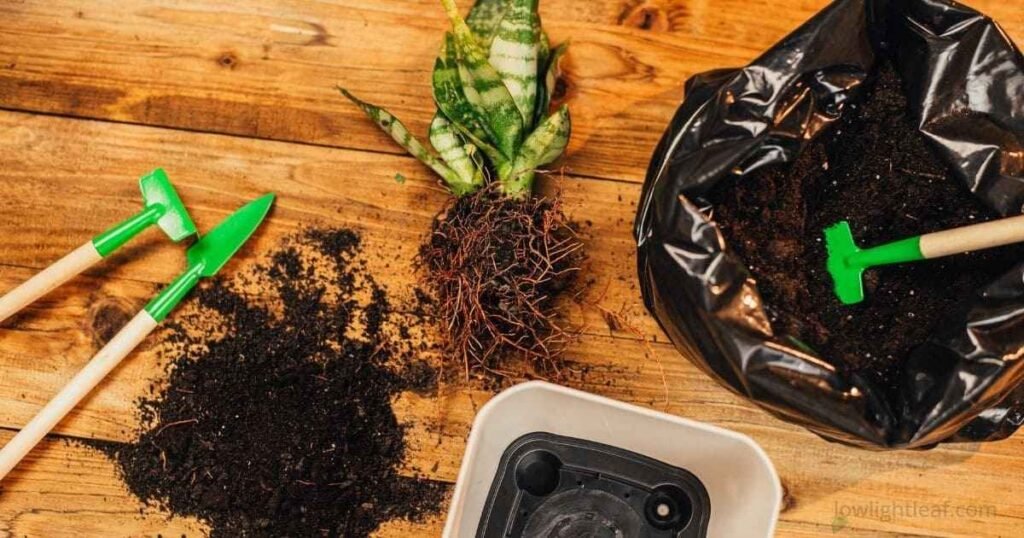
If a plant looks unwell after several days of rain, slide it out of the pot and look at the roots. Healthy roots feel firm. Rotting ones are dark, soft, and sometimes smell bad. Trim away any badly damaged roots with clean scissors and repot into fresh mix that drains well. The steps in my snake plant root rot guide work the same way for most potted plants.
Hold off on fertilizer, even though it’s tempting to give a struggling plant a boost. Make sure water can drain from the pot and let the soil dry to the level that plant likes. Whether it recovers comes down mostly to how many healthy roots it has left.
If you spot white fuzz on the soil after a wet stretch, that’s usually a sign the mix is staying too damp; mold in plant soil explains what it is and when to worry.
Before the Next Rainy Season
Shade-loving patio plants can get through a Southern rainy season when their roots have drainage and air. Check that every pot has holes, swap packed soil for a container mix, empty the saucers, and have a covered spot picked out before the forecast turns. If I had one free afternoon before the storms, I’d spend it lifting the pots with no drainage holes and fixing those first.
FAQ
Can a plant recover from root rot?
Often, if enough healthy roots are left. Trim the dark, mushy roots, repot in fresh mix that drains, and let the soil dry to the level the plant prefers before watering again.
Should I bring patio plants in during heavy rain?
Moving them under a covered patio or porch is usually enough. Keep them away from roof edges where runoff pours down, and check that windblown rain isn’t still reaching them.
Are saucers bad for outdoor pots?
Not on their own, but rainwater left in them soaks back into the soil. Empty saucers after every storm.

Ellie Marsh
Houseplant grower who spent years in a north-facing apartment. Writes practical care guides for low light homes, checked against extension and botanical garden sources.