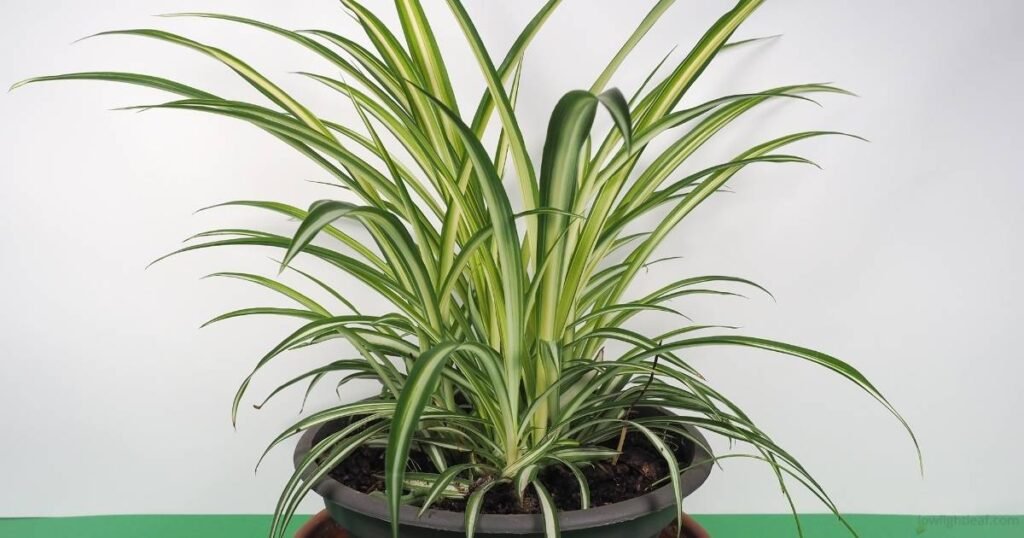
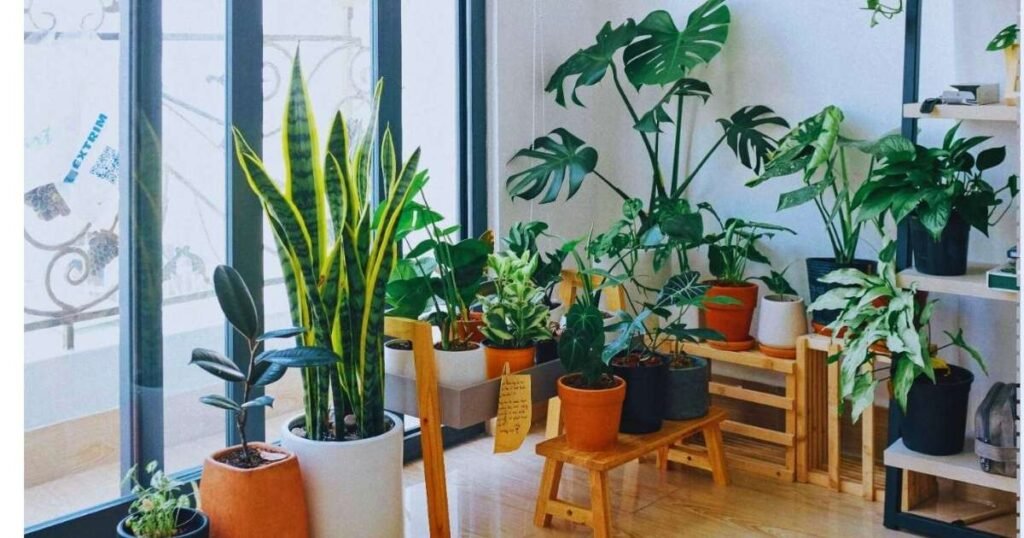
Want to acclimate houseplants outdoors shade without leaf burn? Wait until nights stay reliably above 50°F, start them in full outdoor shade for a few hours a day, then lengthen that outdoor time over 10 to 14 days. Most tropical houseplants are understory plants, so a shady patio or porch is the destination for summer, not a stepping stone to full sun.
I spent years growing plants in a north-facing apartment before I had a small, mostly shaded backyard. The plants that thrived indoors still burned when I rushed them into “just a little” outdoor light. The fix was slower shade time, not more sun.
Why outdoor shade still burns indoor-grown leaves
Indoor light is dimmer than it looks, so outdoor shade can still scorch leaves that grew on a windowsill or under a grow light at home.
Iowa State University Extension notes that even the brightest spots inside a home are only a fraction of the light intensity of outdoor shade. Leaves that adapted to a windowsill or grow light are built for that weaker light. Move them straight into outdoor sun, or even bright open shade on a hot afternoon, and the tissue can bleach, brown, or drop.
That is why a shade-first plan fits low-light houseplants better than seedling-style “harden off into full sun” guides. Many houseplants can spend the entire summer in full shade outdoors once they are used to wind, temperature swings, and brighter overall light.
When nights are warm enough
Wait until nighttime temperatures stay consistently above about 50°F (10°C) before leaving houseplants outdoors overnight. Iowa State Extension, Colorado State University’s PlantTalk Colorado, and University of Illinois Extension all use that roughly 50°F night line for moving houseplants out for summer.
Warm afternoons in early spring are not enough. One cold night near that threshold can stall growth; several nights below the mid-40s°F range can injure tropical species, according to Iowa State Extension. Check the forecast for a stretch of reliable nights, not a single mild day.
Acclimate houseplants outdoors shade over 10 to 14 days
Iowa State Extension recommends moving plants from indoors into full outdoor shade first, then introducing more light over 10 to 14 days. PlantTalk Colorado likewise starts plants in a shaded area for several days before any longer sun exposure, and suggests wind screens when the site is exposed.
Here is a practical shade-first schedule aligned with that 10–14 day window. Hour bands are a working guide, not a lab protocol. Watch the leaves and slow down if they bleach.
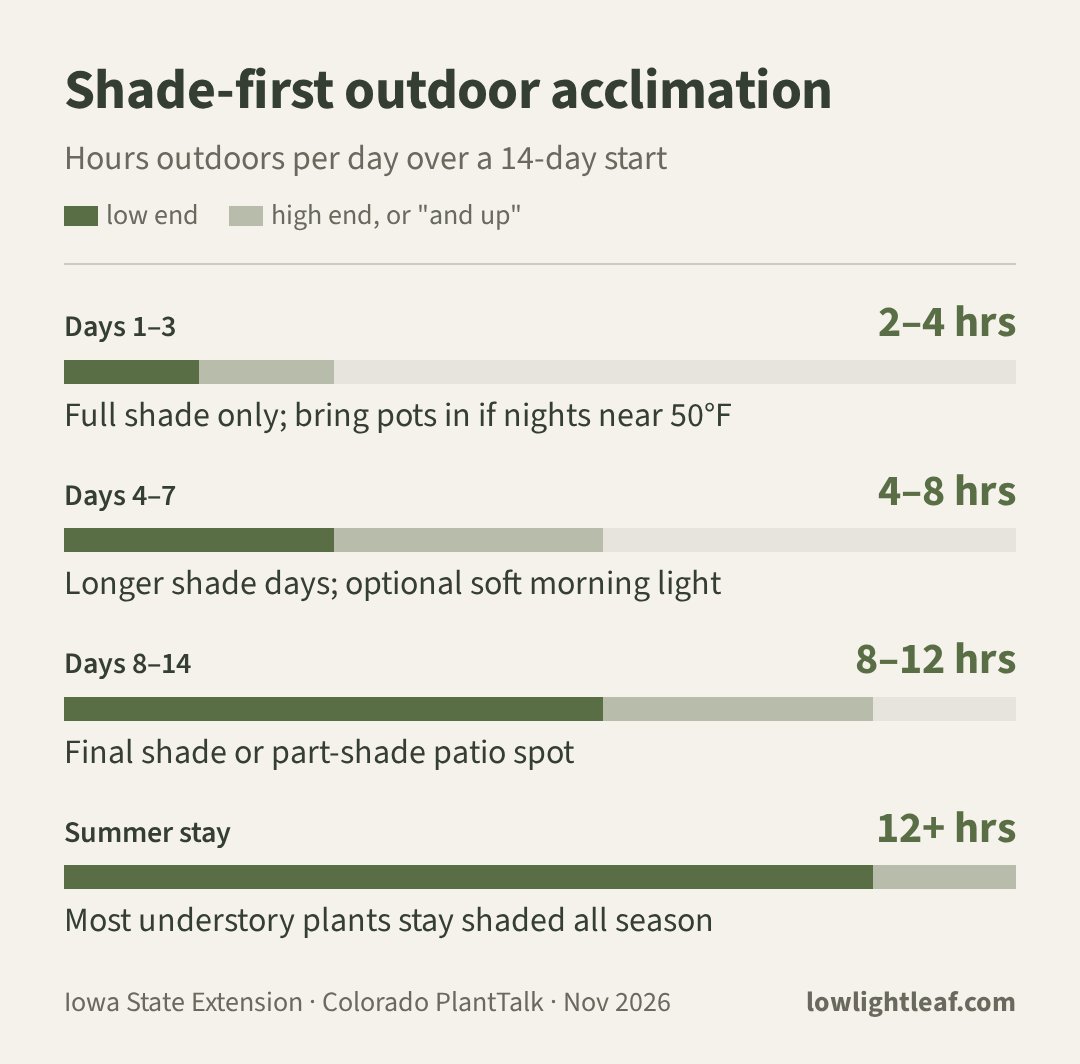
- Days 1–3. Set pots in deep outdoor shade for a few hours. Covered porches, the north side of the house, or under a dense tree canopy work. Bring them in at night if nights still flirt with 50°F.
- Days 4–7. Lengthen the outdoor shade day. Skip midday sun. Only soft early-morning light belongs here, and only for plants that eventually tolerate part shade.
- Days 8–14. Leave them in the final shade or part-shade patio spot for most of the day if nights stay warm. Keep deep-shade plants (peace lily, calathea, many ferns) out of direct sun entirely.
- After day 14. Most understory houseplants stay in that shaded vacation spot all summer. Do not treat full sun as the graduation prize.
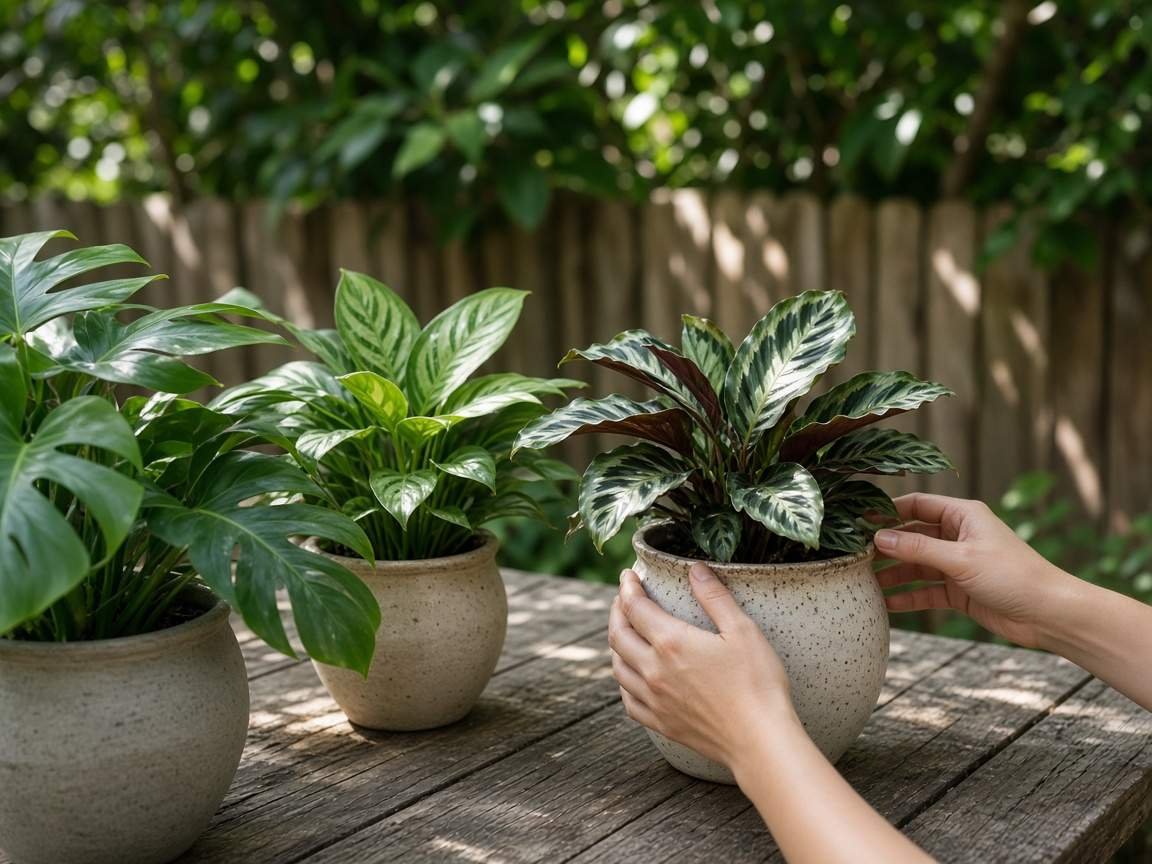
If a leaf turns pale or crisp within a day of a brighter move, pull the pot back into deeper shade and wait before trying again.
Which plants stay in shade outdoors
Match the outdoor spot to how the plant grows in the wild. PlantTalk Colorado lists Christmas cactus, weeping fig, and similar plants as shade-preferring outdoors, while jade, cactus, and hibiscus can take more sun once hardened. For the low-light plants that live on dim windowsills indoors, stay conservative.
| Plant type | Outdoor summer light after acclimation | Notes |
|---|---|---|
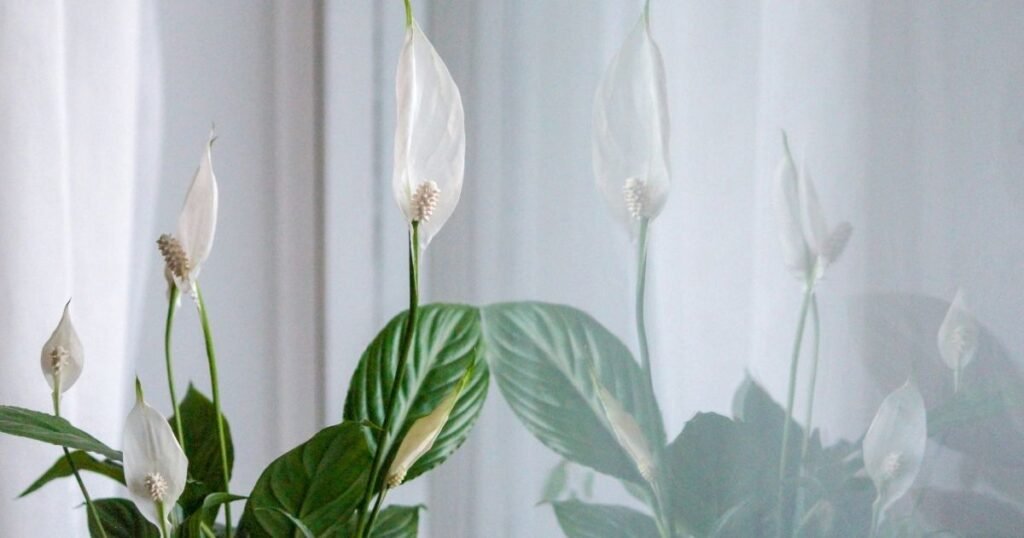
| Peace lily, calathea / prayer plants, many ferns | Full shade or bright shade only | No direct sun. See our peace lily outdoor guide for species detail. |
| Pothos, philodendron, ZZ plant, snake plant | Shade to gentle part shade | Morning sun is optional after hardening; midday sun still burns. |
| Boston fern and other humidity lovers | Shaded patio or porch | Wind dries fronds fast; sheltered shade beats open lawn shade. |
| Cactus and many succulents | Gradual sun path (different plan) | Not the default for this shade-first article. |
If you only want one outdoor test plant, a peace lily on a shaded porch is a clear case study. See our guide on whether a peace lily can live outside; it covers cold limits and summer shade placement without repeating the whole acclimation path here.
Water, wind, and tipping pots
Outdoor pots dry faster. Wind, warmer days, and brighter overall light pull moisture out of the mix even in shade.
Iowa State Extension advises checking soil often and watering thoroughly when the top feels dry, and PlantTalk Colorado notes that hot spells can mean daily watering for small pots.
Skip saucers outdoors so rain does not leave roots sitting in a puddle. Heavy ceramic or wide-based pots tip less in gusts than tall, light plastic. If a plant is already top-heavy, stake it or nest the nursery pot inside a heavier cachepot before the first windy afternoon.
A shaded patio layout also decides how easy watering stays. Our small patio ideas by sun level start from how much light the space actually gets, which is the same question you ask before parking a summer plant vacation there.
Keeping pots safe while they settle
The first two weeks outdoors are when leaves are softest and pots get moved the most. Dogs cut corners through a shade bed. Outdoor-curious cats dig in fresh mix. Kids treat a cluster of pots like an obstacle course. One knocked-over calathea undoes a careful acclimation overnight.
I check plant toxicity for my cat Miso against the ASPCA lists before anything new comes home, and the same caution applies when pots sit at nose height on a patio. Deterrents help indoors; outdoors you also need a calm edge to the yard so pets are not practicing parkour through settling plants. If you already struggle to keep cats away from plants without toxic tricks, expect that habit to travel to the patio unless the space is simply harder to barge through.
When a shaded backyard needs a real perimeter (pets contained, wildlife discouraged, soft new growth left alone), temporary stakes and chicken wire only go so far. Homeowners who need durable pet or privacy fencing can look at professional fence installation in Jacksonville for wood, vinyl, aluminum, and pet-minded layouts, then keep the plant side of the project on the shade-first schedule above. The fence is infrastructure; the plants still need the same 10 to 14 day shade start.
Bring plants back before cool nights
Reverse the trip in fall. Iowa State Extension says to bring houseplants in when nights again settle near 50°F, rinse foliage outdoors, check for pests, and isolate plants indoors for a few weeks. Growth slows hard after the move back to dimmer rooms, so cut fertilizer and water less than you did on the patio.
Expect some leaf drop on dramatic movers like weeping fig. New leaves replace them if light indoors is still the best you can offer, including grow lights in the darkest corners.
FAQ
Can I finish outdoor acclimation in one afternoon?
No. You cannot acclimate houseplants outdoors shade in a single afternoon. A mild stretch in deep shade is fine once nights are warm, but full sun for “just an hour” scorches indoor-grown leaves. If you only have one free afternoon, keep it shaded and short.
Is outdoor shade the same as a north window?
No. Iowa State Extension is blunt: outdoor shade is still much brighter than indoor light. That is good for summer growth and risky for a sudden move. Acclimate even if the final spot is full shade.
What temperature is too cold overnight?
Use about 50°F as the leave-them-out line from multiple extension sources. Iowa State Extension also warns that some tropicals show damage below about 45°F. When in doubt, bring pots in for the night.
Do I need to fertilize more outdoors?
Often yes during active summer growth. Iowa State Extension suggests a balanced water-soluble fertilizer at half strength weekly or every other week, or a slow-release product at the start of the season. Stop or sharply reduce feeding when plants come back indoors in fall.

Ellie Marsh
Houseplant grower who spent years in a north-facing apartment. Writes practical care guides for low light homes, checked against extension and botanical garden sources.