Last updated on October 14, 2026
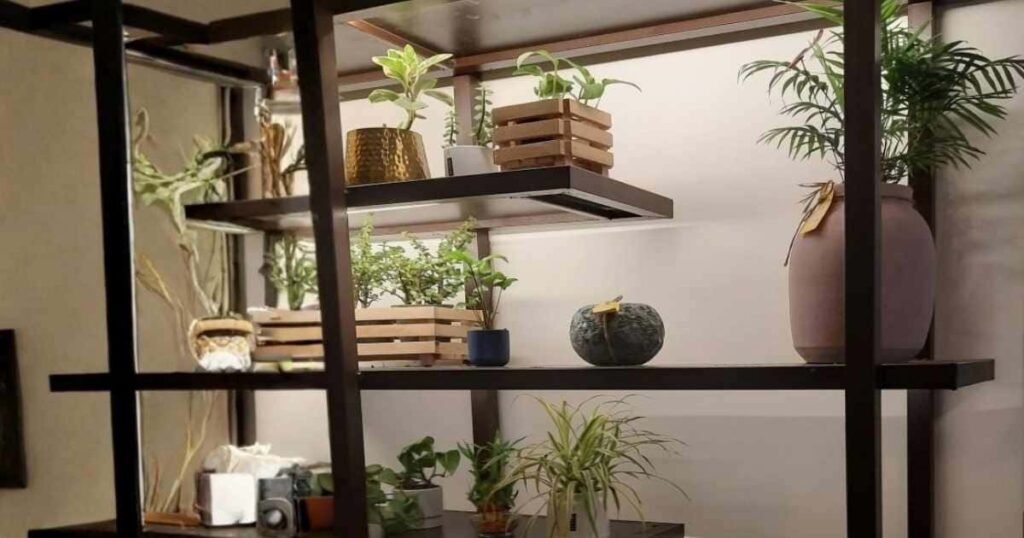
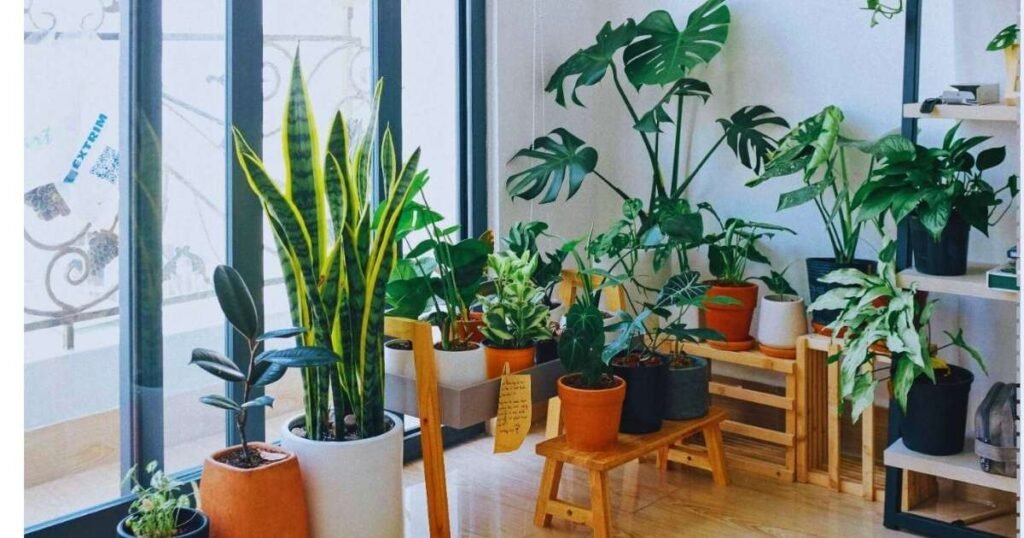
Worried about bringing plants home with pets? Many houseplants are toxic, so it’s important to choose non-toxic, pet-safe indoor varieties. There are many pet friendly indoor plants you can grow without risk.
Some plants, like Rhipsalis, are safe for pets, while others, such as certain jasmine varieties, require careful selection. Choosing the right plants helps you create a safer, more comfortable indoor environment for both cats and dogs.
This guide covers 11 pet-safe indoor plants, from low-light, beginner-friendly picks to favorites like Money Tree, Hoya, Spider Plant, and Parlor Palm. Learn simple care tips and the benefits of plants to create a safe, comfortable home.
Cat safe houseplants, checked against the ASPCA
Cat safe houseplants are the ones the ASPCA lists as non-toxic to cats, such as spider plant, cast iron plant, parlor palm, calathea, money tree, hoya and Phalaenopsis orchids. The ASPCA adds that eating any plant material can still cause vomiting or stomach upset, so “non-toxic” means not expected to be life-threatening, not something a cat can graze on freely.
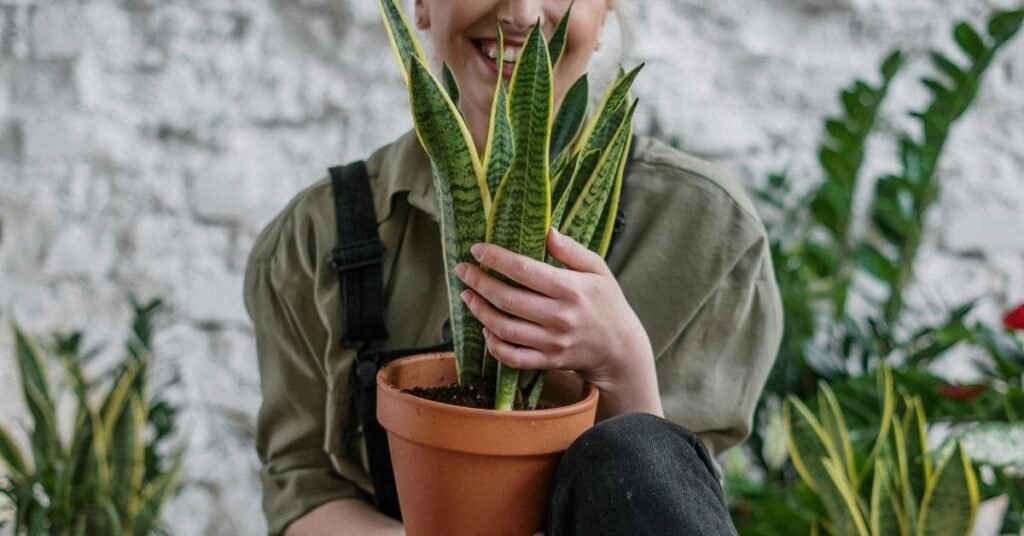
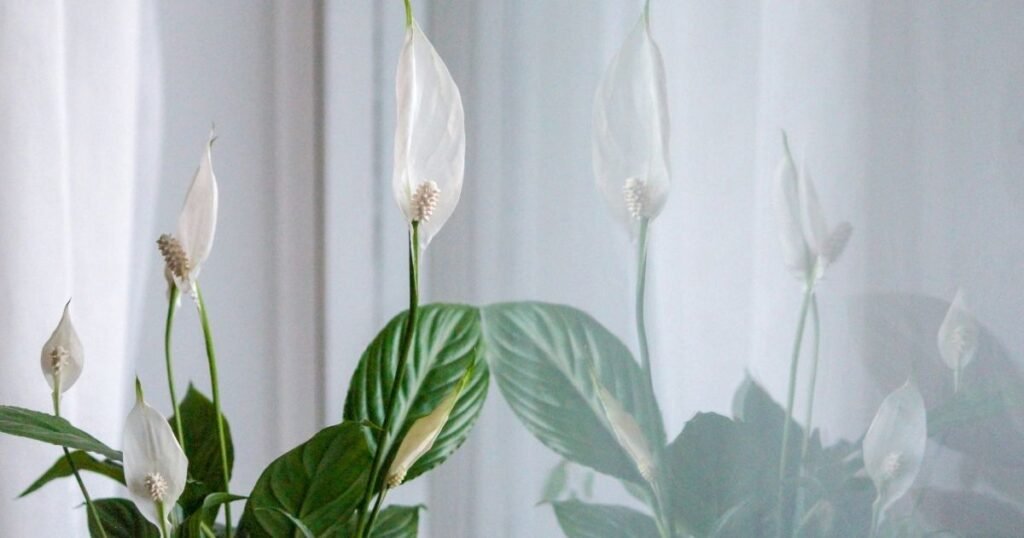
For a dim room, the three that also handle low light are cast iron plant, which University of Missouri Extension calls one of the best where only low light exists, parlor palm, and spider plant, which tolerates low light but grows best in medium light. Several popular low-light plants are on the ASPCA’s toxic list instead, including pothos, snake plant, peace lily and Chinese evergreen. The details for two of the most common are in are spider plants toxic to cats and are peace lilies toxic to cats.
Quick Comparison of Pet Friendly Indoor Plants
The table below helps you quickly compare indoor plants safe for pets based on light needs, care level, and suitability for different spaces.
| Plant | Botanical Name | Safe for Cats & Dogs | Light Needs | Watering | Care Level | Best For |
|---|---|---|---|---|---|---|
| Money Tree | Pachira aquatica | ✔ Yes | Bright Indirect | Moderate | Easy | Living Rooms |
| Hoya | Hoya carnosa | ✔ Yes | Medium–Bright | Low | Easy | Hanging Pots |
| Spider Plant | Chlorophytum comosum | ✔ Yes | Bright Indirect | Moderate | Very Easy | Beginners |
| Rattlesnake Plant | Calathea lancifolia | ✔ Yes | Low–Medium | Frequent | Moderate | Low-Light Spaces |
| Parlor Palm | Chamaedorea elegans | ✔ Yes | Low Light | Moderate | Easy | Offices / Corners |
| Bird’s Nest Fern | Asplenium nidus | Not in ASPCA list** | Bright Indirect | Regular | Moderate | Humid Rooms |
| Polka Dot Plant | Hypoestes phyllostachya | ✔ Yes | Bright Indirect | Moderate | Easy | Small Apartments |
| Orchid | Phalaenopsis spp. | ✔ Yes | Filtered Light | Light | Moderate | Decorative Spaces |
| Rhipsalis | Rhipsalis baccifera | ✔ Yes | Indirect | Low | Easy | Hanging Baskets |
| Cast Iron Plant | Aspidistra elatior | ✔ Yes | Low Light | Low | Very Easy | Low Maintenance Homes |
| Jasmine | Jasminum sambac | ✔ Yes* | Bright | Moderate | Moderate | Fragrant Indoor Areas |
*Always verify the exact botanical variety before purchasing. The ASPCA lists true jasmine (Jasminum species) and star jasmine (Trachelospermum jasminoides) as non-toxic, but some plants sold as “jessamine” are different plants and are toxic.
**Bird’s nest fern (Asplenium nidus) has no entry in the ASPCA plant database; the ASPCA lists a related fern, Asplenium bulbiferum, as non-toxic. Ask your vet if you want certainty.
You’ll discover a variety of safe and pet-friendly greenery in our indoor plants category, perfect for every home
Money Tree: Pet Friendly Indoor Plant
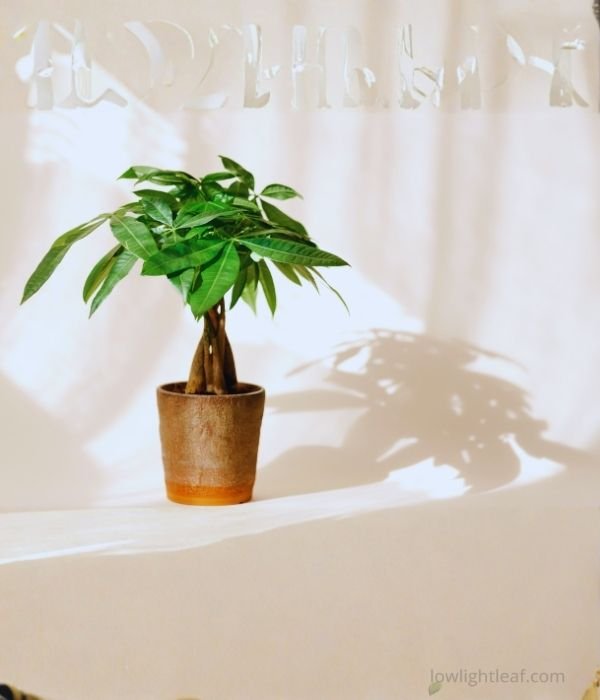
The Money Tree (Pachira aquatica) is a popular pet friendly indoor plant, known for its braided trunk and glossy green leaves. It is considered non-toxic for cats and dogs, making it a safe choice for homes with pets. Moreover, its leaves are shaped like an open hand with five to seven fingers, which associates it with good luck and prosperity.
In addition, this pet-safe indoor greenery adds a fresh, tropical vibe to your space. If you’re planning to give someone a meaningful gift, the Money Tree is an excellent choice for a housewarming present. It is often said that the Money Tree brings good luck and prosperity to those who keep it in their home.
Money Tree Plant Care Guide
➦ Use well-drained soil for this pet-friendly indoor plant; sand and peat moss work best. It grows in indirect sunlight, so avoid direct sunlight, as it can scorch the leaves. Cold surfaces can harm this pet-safe indoor greenery; keep it in a temperature range of (64 °F – 79 °F).
➦ Always water the tree about every 10 days, or when the top inch of soil is dry. Feed monthly with balanced liquid fertilizer during spring and summer. Trim yellow leaves to encourage fresh growth.
Money Tree Plant Benefits
- Safe for cats and dogs, making it ideal for pet-friendly homes. According to the ASPCA’s official list of non-toxic plants, this pet-safe indoor plant keeps cats and dogs secure
- Adds a fresh, tropical look to indoor spaces
- Low maintenance, suitable for beginners and busy lifestyles
- Helps create a calm and visually appealing environment indoors
Hoya Plant: Pet-Friendly Indoor Plants
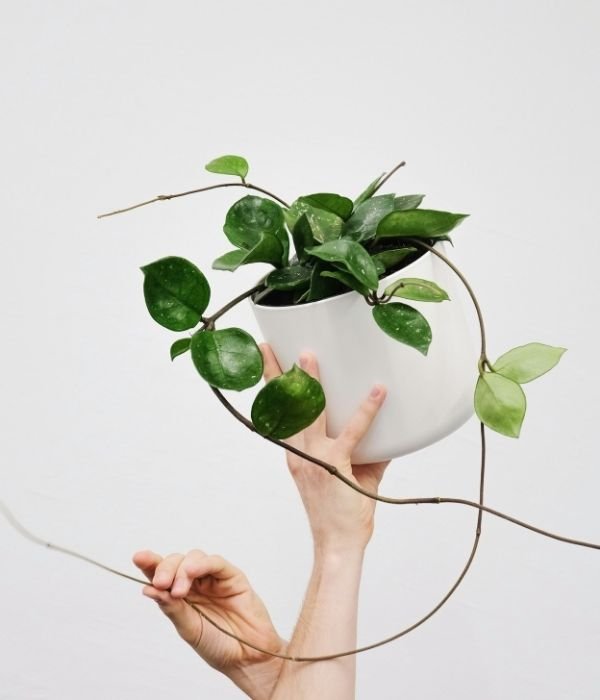
The Hoya plant is a popular pet-friendly indoor choice, known for its thick, waxy leaves and trailing growth. Because it is non-toxic for cats and dogs, it makes a safe addition to homes with pets.
Hoya comes in several varieties, such as Hoya carnosa with pinkish flowers, Hoya pubicalyx with speckled leaves, and Hoya kerrii with heart-shaped leaves. Most share similar care needs and a decorative look that works well in hanging pots or on shelves.
If you enjoy decorative trailing greenery, explore our collection of indoor hanging plants for small spaces to discover more pet-safe options for shelves and ceiling planters.
Hoya Plant Care Guide:
For optimal growth,
➦ Hoya prefers a well-aerated, lightweight soil that drains easily.
➦Keep them away from cold areas; the preferred temperature is (65°F – 75°F).
➦Use fertilizer during the growing season (spring and summer).
➦Keep your Hoya in a low-light area. If your Hoya is in a low-light spot, it will need water once a month.
Pro Tip:
If Hoya’s leaves start to wrinkle and dry, it’s time to water the pet-safe indoor greenery.
Hoya Plant Benefits
Hoya offers attractive varieties and is easy to maintain. It increases humidity, purifies air, and its thick leaves and scented flowers support relaxation, a benefit highlighted in the NASA Clean Air Study. Most importantly, its thick leaves and aromatic flowers promote relaxation. Overall, this pet-friendly plant is a delightful addition to indoor greenery.
Spider Plant: Pet Friendly Indoor Plant
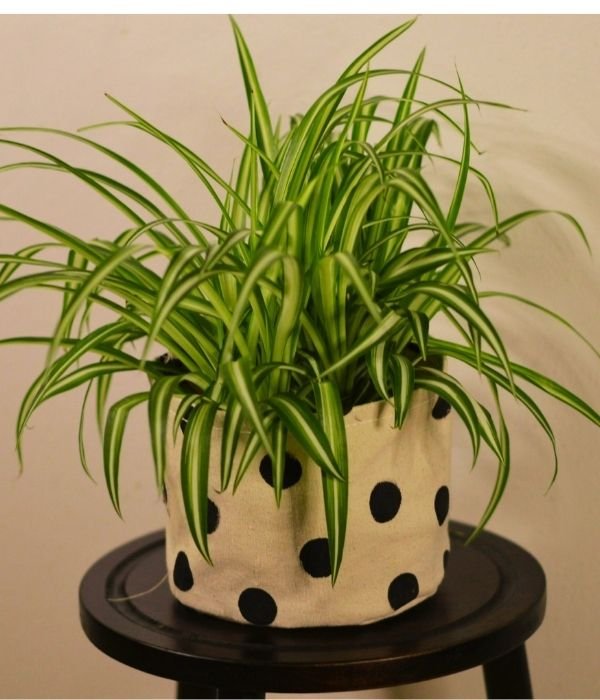
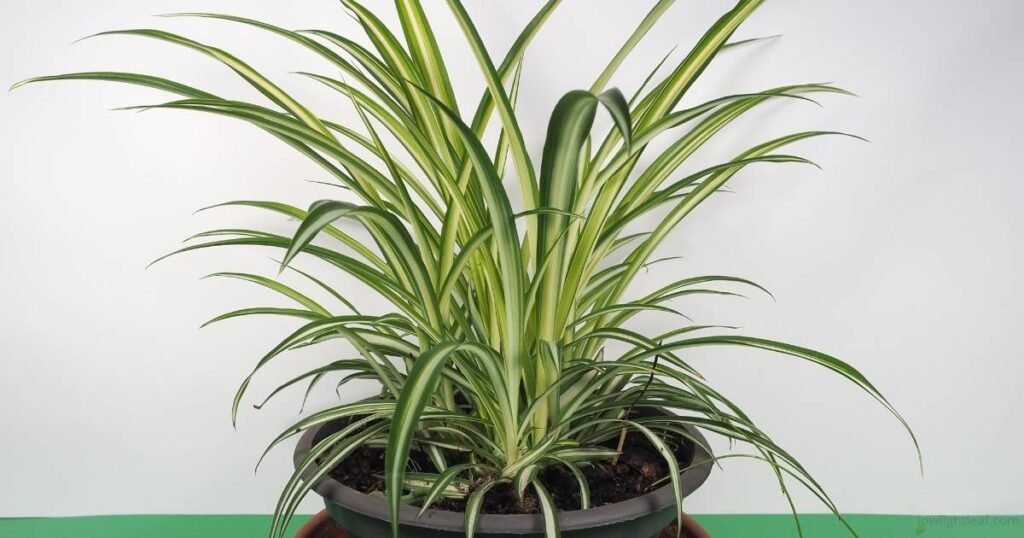
The Spider Plant is ideal for beginners, as it is easy to grow and maintain. Additionally, it is one of the most popular pet-friendly indoor plants. Its graceful arching leaves bear a unique resemblance to tiny spiders.
Its bright green leaves with white stripes bring a refreshing touch to any room. The ASPCA lists it as non-toxic to cats and dogs, which makes it an easy choice for pet owners.
Quick Care
This plant grows well in bright indirect light with occasional watering. You can read more about Spider Plant care in our detailed Spider Plant Care Guide including tips on watering, light, and propagation.
For more details, check our complete spider plant propagation guide
Benefits
Spider plants offer a fresher indoor feel while staying completely safe for cats and dogs, making them ideal for pet-friendly homes. To explore their key advantages in detail, you can read about the benefits of keeping a spider plant, and for a balanced view, it’s also worth checking the common downsides of spider plants before adding one to your space.
Rattlesnake Plant: Pet-Friendly Indoor Plant
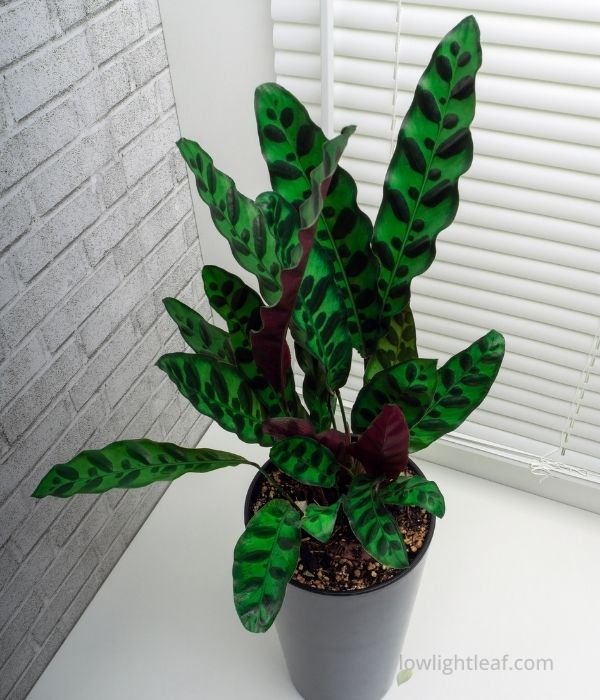
The Rattlesnake Plant is a unique, striking, pet-friendly indoor plant with wavy, polka-dotted leaves in bold colors.
Moreover, this plant thrives in lower-light areas, making it perfect for a prayer room or library.
Additionally, it is most admired for its long, wavy, dark-green leaves with deep purple undersides, which exhibit rhythmic leaf movements.
Rattlesnake Plant Care Guide
➦Well-draining, rich potting mix is better for these plants.
➦Needs fertilizer every month except winter.
➦Rattlesnake loves high humidity.
➦The preferred temperature for these plants is (64 °F – 81 °F). Protect this plant from direct sunlight; it can fade or burn the beautiful leaf pattern.
➦Make sure the soil is consistently moist, but don’t overwater; water it when the top layers of soil become dry.
Rattlesnake Plant Benefits
According to searches, its pattern leaves work as a stress reliever and promotes a peaceful environment. The Rattlesnake Plant is entirely safe for your furry friends, making it ideal for anyone who wants to add pet-safe indoor greenery to their home.
Parlor Palm: Pet-Friendly Indoor Plant
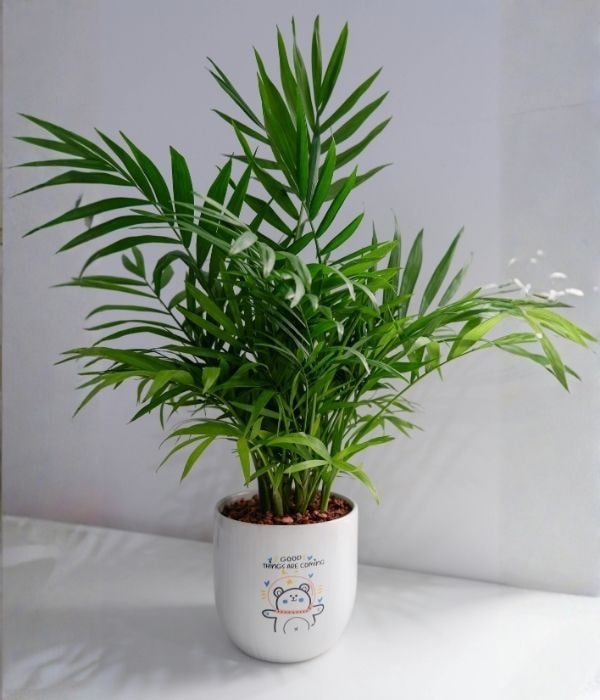
Some palms are tricky to care for indoors; however, the Parlor Palm is low-maintenance, thriving in low light, and still maintains its charm.
Moreover, it’s mostly admired for its lush foliage, and this pet-friendly indoor plant has been cherished as a houseplant since the Victorian period, symbolizing sophistication and natural beauty.
In its native environment, it may grow taller than 3 feet, but when grown indoors, this pet-friendly plant stays compact, making it a charming addition to your indoor jungle.
Parlor Palm Care Guide
➦Soil suitable for Parlor palm is a peat-based potting mix.
➦Needs fertilizer every month except winter.
➦Thrives in low light and indirect light.
➦The temperature range (64 °F – 81 °F) is suitable for the plant.
➦It prefers moderate to high humidity.
➦Avoid watering it in winter; use filtered, room-temperature water for the best results.
➦Remove the yellow and brown foliage to keep the plant tidy.
Parlor Palm Benefits
The Parlor Palm is beginner-friendly and low maintenance, and Missouri Botanical Garden notes that it adapts very well to the limited light found indoors, which is why it suits offices and dim corners.
Bird’s Nest Fern: Pet-Safe Indoor Plant
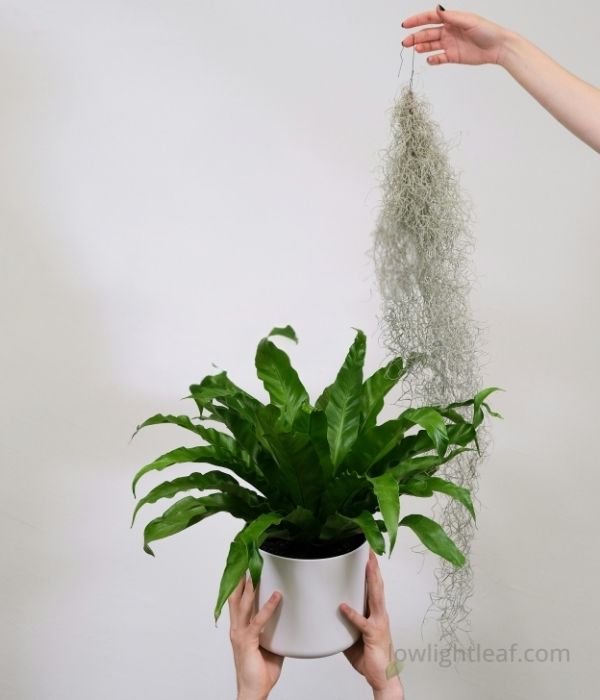
The Bird’s Nest Fern has the most beautiful rosette-shaped fronds, which is why it is a popular pet-friendly indoor plant among tropical plants. Its fronds resemble a bird’s nest, hence its name.
This fern is native to the humid rainforests of Southeast Asia, Australia, Africa, and some Pacific islands.
This plant can survive in highly humid environments. Bird’s Nest Fern produces broad, wavy, bright green fronds with a leathery texture, all rising from a central rosette that gives it a nest-like look.
Bird’s Nest Fern Care Guide
➦The soil used for Bird’s Nest Fern is a well-draining, airy, rich mix.
➦Needs fertilizer every month except winter.
➦Water this plant once the upper layer of soil feels dry, but be careful: water it around the pot, not the centre of the nest; it can cause root rot.
➦Bright indirect light is preferable for plants, like the light of a forest.
➦Maintain it by wiping the fronds occasionally with a damp cloth to remove dust.
➦Do not cut or touch the central crown, as this is where new fronds grow.
➦Remove only yellow or dead leaves.
Bird’s Nest Fern Benefits
The Bird’s Nest Fern is a popular ornamental plant for homes, offices, and gardens, making it a lovely addition to pet-loving indoor spaces. Its lush, green, wavy fronds give the house, garden, and office a distinctive aesthetic. It offers a stress-free environment there.
Looking for plants that survive in dimly lit areas? Don’t miss our complete guide on 37 Low Light Indoor Plants to find the perfect greenery for every corner of your home.
Polka Dot Plant: Pet-Friendly Indoor Plant
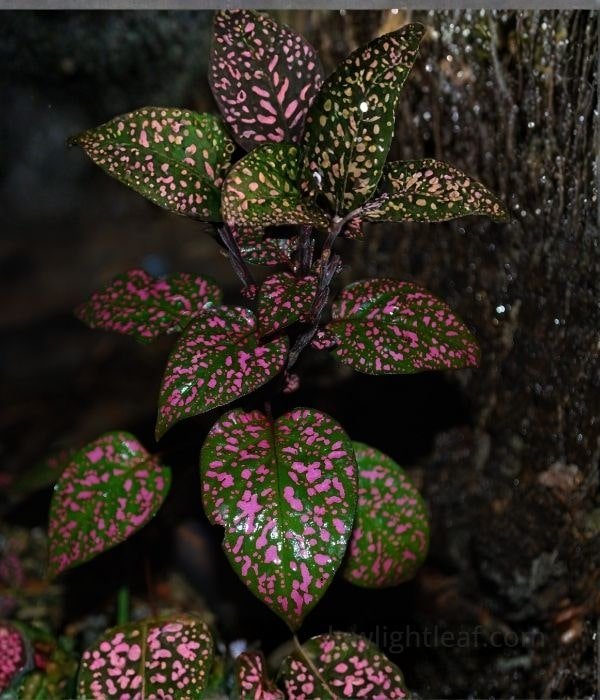
The Polka Dot Plant is a unique flowering plant that contains four colors (pink, red, white, and purple). The splashes of color on the leaves look like painted dots; hence, it’s called the Polka Dot Plant.
Polka Dot Plant Benefits
Best for small apartments, it adds vibrant colors to indoor spaces and, most importantly, is pet-friendly. Its beauty will add charm to your apartment without danger to your furry friends.
Polka Dot Plant Care Guide
➦The soil used for the Polka Dot Plant is a peat-based mix soil.
➦Fertilize every 2–4 weeks during spring and summer, and avoid fertilizing in fall and winter.
➦The ideal temperature for the plant is (64 °F – 75 °F).
➦Keep the soil consistently moist, but not soggy.
➦Avoid excess water in the pot; it can cause root rot.
➦To save the plant from direct sunlight, it can fade the pattern on the leaves.
➦Remove the faded leaves regularly to keep the plant healthy.
Orchid: Pet-Friendly Indoor Plant
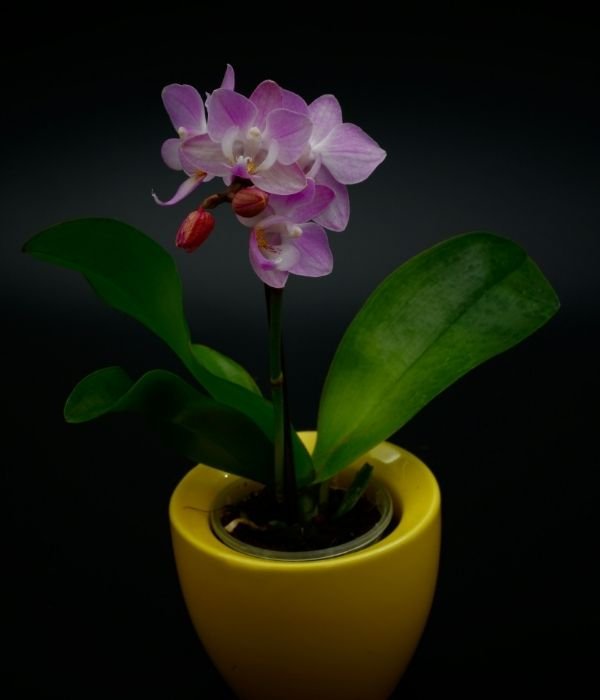
The Orchid belongs to the most diverse group of flowering plants. This pet-friendly indoor plant is admired for its long-lasting, elegant, and beautiful blooms. Additionally, orchids symbolize love, beauty, luxury, and strength, making them a perfect choice for home décor and gifts.
Furthermore, over 25,000 orchid species and 100,000 hybrids are available worldwide in various sizes, shapes, and scents.
Interestingly, some orchids are also used in traditional medicine and fragrance production, making them among the best pet-friendly houseplants and a charming addition to a friendly indoor jungle.
Orchid Care Guide
➦The soil used for orchids is orchid mix soil, usually made from bark, charcoal, and perlite.
➦Feed the fertilizer every 2–3 weeks during spring and summer.
➦Orchids bloom best when the temperature drops slightly (they bloom more in marginally cooler conditions).
➦The ideal temperature for the Orchid is (64°F – 68°F). Avoid sudden temperature changes.
➦Remove dead and yellow leaves to keep the plant healthy.
➦Position the Orchid near a window that receives filtered sunlight.
Orchid Plant Benefits
Their elegant, colorful blooms create a calming atmosphere that can reduce anxiety and enhance focus. Orchid flowers last for weeks or even months and are used as decorative plants in homes and offices.
Rhipsalis: Pet-Friendly Indoor Plant
Rhipsalis, also known as mistletoe cacti, is an exotic pet-friendly indoor plant. The Rhipsalis has beautiful trailing stems and an otherworldly appearance. Additionally, they grow slowly, which means repotting is not required for many years.
Moreover, Rhipsalis plants naturally grow in warm tropical and subtropical climates, mainly across Central and South America, with some species also occurring in the Caribbean and parts of Africa. This uniqueness comes from the fact that it is the only cactus genus naturally occurring outside the Americas.
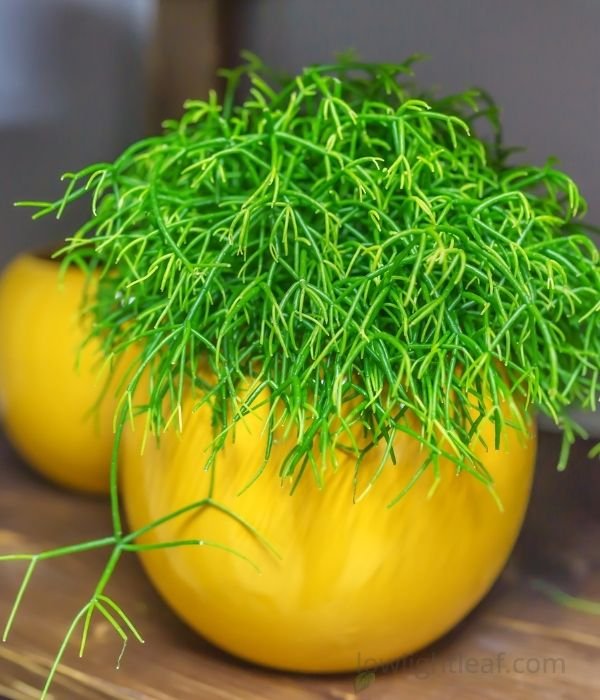
Rhipsalis Care Guide
➦Use a well-draining mix, such as an epiphytic cactus or orchid blend.
➦Keep this non-toxic houseplant out of direct afternoon sunlight, as it can scorch the stems.
➦It needs fertilization monthly during the growing season (spring to early autumn) with a diluted cactus or succulent fertilizer.
➦Repot the plant in spring after every 2–3 years to refresh the soil and provide more space for growth.
➦The ideal temperature for Rhipsalis is (64°F – 68°F).
Rhipsalis Benefits
Rhipsalis adds a trailing, airy texture that looks good indoors. Unlike many different plants, it adjusts well to small spaces and looks best in a hanging basket. Being a pet-friendly indoor plant, it is safe for your furry companions, making it one of the best pet-friendly houseplants.
Cast Iron Plant: Pet-Friendly Indoor Plant
The Cast Iron Plant is recognized for its toughness and deep green glossy leaves. This pet-friendly indoor plant is highly resilient and perfect for beginners. It’s called “Cast Iron” because it can survive neglect, low light, and irregular watering.
Cast Iron Plant Care Guide
The ideal soil for this pet-friendly indoor plant is a well-draining mix. It can survive in low and moderate light. Water it when the top layer of soil becomes dry, and fertilize it once a month during spring and summer.
If you’d like a more detailed breakdown of watering frequency, light positioning, and long-term maintenance, you can explore our complete Cast Iron Plant Care Guide for step-by-step tips.
Cast Iron Plant Benefits
The Cast Iron Plant adds a lush, green look to the home and office with its stiff, resilient leaves. Listed as non-toxic to cats and dogs by the ASPCA, it is one of the beautiful additions to pet-safe indoor greenery, thriving for decades with minimal care.
Jasmine: Pet-Friendly Indoor Plant
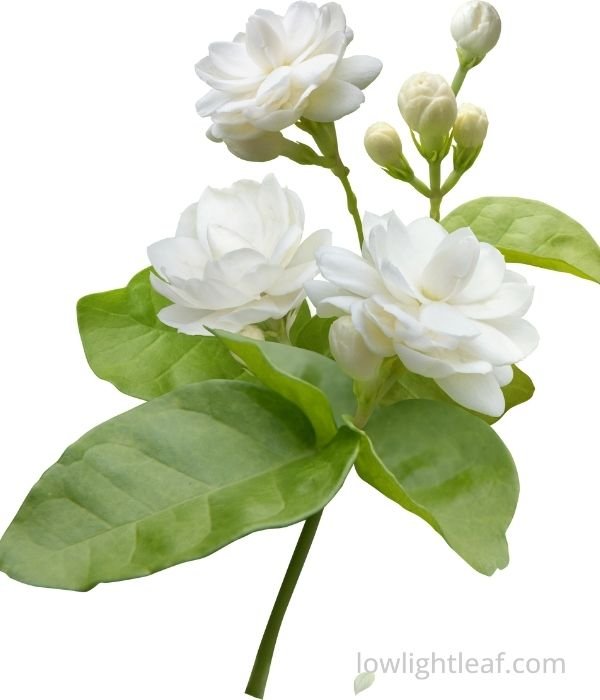
Jasmine releases a most relaxing scent and is admired for its sweet, delicate fragrance, with white flowers and yellow centers. This pet-friendly indoor plant symbolizes purity, love, and positivity, making it perfect for indoor and outdoor decoration.
Jasmine Care Guide
The preferred soil for the Jasmine plant is well-drained, slightly acidic soil. It is best kept out of direct sunlight (some varieties love full sun). The ideal temperature range is (59 °F – 75 °F). Apply fertilizer once every 2–3 weeks throughout the growing season (avoid fertilizing in winter).
Jasmine Benefits
Jasmine fills your home with a sweet scent. These fragrant flowers often attract beautiful butterflies. Being ideal for homes with pets, this plant keeps your furry friends safe while ranking among the best pet-friendly houseplants.
Note: Always confirm the botanical name before buying — False Jasmine and Carolina Jasmine are toxic for pets.
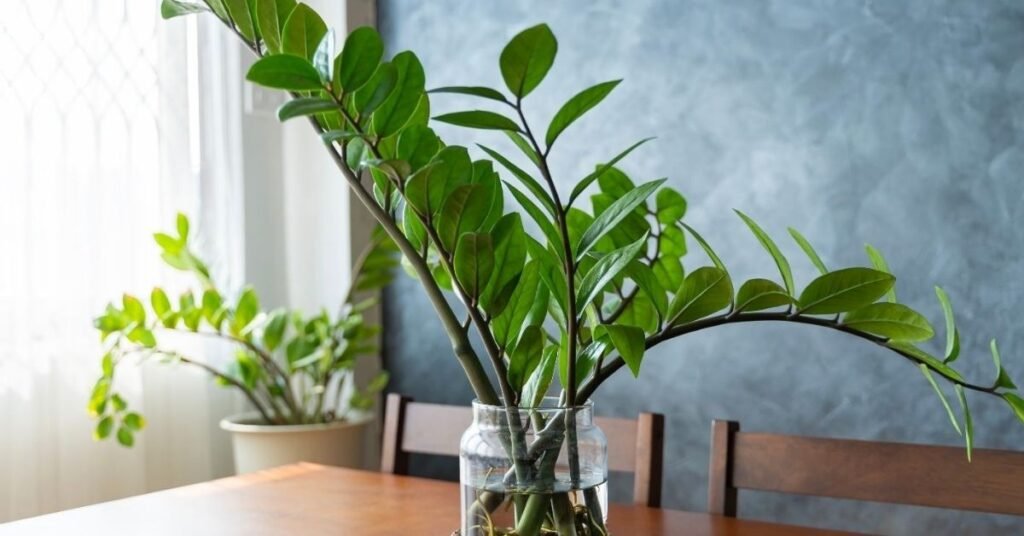
Although many plants are safe for pets, some; such as the ZZ Plant can be mildly toxic. If you own one, follow our detailed ZZ plant care guide to keep it safely out of your pet’s reach.
FAQs: Pet Friendly Indoor Plants
What indoor plant is low light and dog safe?
Peperomia, Parlor Palm, and Cast Iron Plant are excellent low-light indoor plants that are safe for dogs. These pet-friendly plants tolerate minimal sunlight and are widely recognized as non-toxic, making them ideal for apartments and shaded rooms.
What large indoor plants are safe for cats in low light?
Large indoor plants safe for cats in low light include the Parlor Palm, Cast Iron Plant, Bamboo Palm, and certain Calathea varieties. These plants grow well in indirect or low light while remaining non-toxic for curious cats.
What houseplants are not safe for pets?
Popular houseplants that are toxic to pets include Peace Lily, Philodendron, Pothos, Snake Plant, ZZ Plant, Dieffenbachia, and Sago Palm. These plants can cause vomiting, drooling, irritation, or more serious health issues in cats and dogs.
Are pet friendly indoor plants completely safe if eaten?
Even pet friendly indoor plants labeled as non-toxic are not meant to be eaten in large amounts. While they are generally safe for cats and dogs, chewing excessive leaves may cause mild stomach upset. It’s always best to discourage pets from eating houseplants.
How can I make sure a plant is safe for my cat or dog?
To ensure a plant is safe, always check the exact botanical name and verify it through reliable plant safety sources. Some plants have similar common names but different toxicity levels, so confirming the scientific name is important before purchasing.
Conclusion
It is important that creating a beautiful indoor space should never come at the cost of your pet’s safety. By choosing the right pet Safe indoor plants, you can surround your home with natural greenery while ensuring your cats and dogs stay protected from harmful toxins. You can confidently select non-toxic houseplants like Money Tree (Pachira aquatica), Spider Plant (Chlorophytum comosum), Parlor Palm (Chamaedorea elegans), and Hoya varieties that are widely recognized as safe for pets.
When you start paying attention to simple things like light, watering, and the plant’s actual botanical name, everything feels less confusing. You begin to understand what works in your space and what doesn’t. And once you make thoughtful plant choices, you’ll realize you don’t have to give up greenery just because you have pets.

Ellie Marsh
Houseplant grower who spent years in a north-facing apartment. Writes practical care guides for low light homes, checked against extension and botanical garden sources.