Last updated on November 17, 2026
When a parent or partner comes home from the hospital and starts getting home health care, the living room you’ve arranged around your plants has a new job. It has to work for someone who’s unsteady on their feet, and for nurses and therapists who come and go during the week. You don’t have to give the plants away. You do have to look at where they sit, how you water them, and how much care they ask of a household that suddenly has less time.
Houseplants and Home Health Care: Start With the Floor
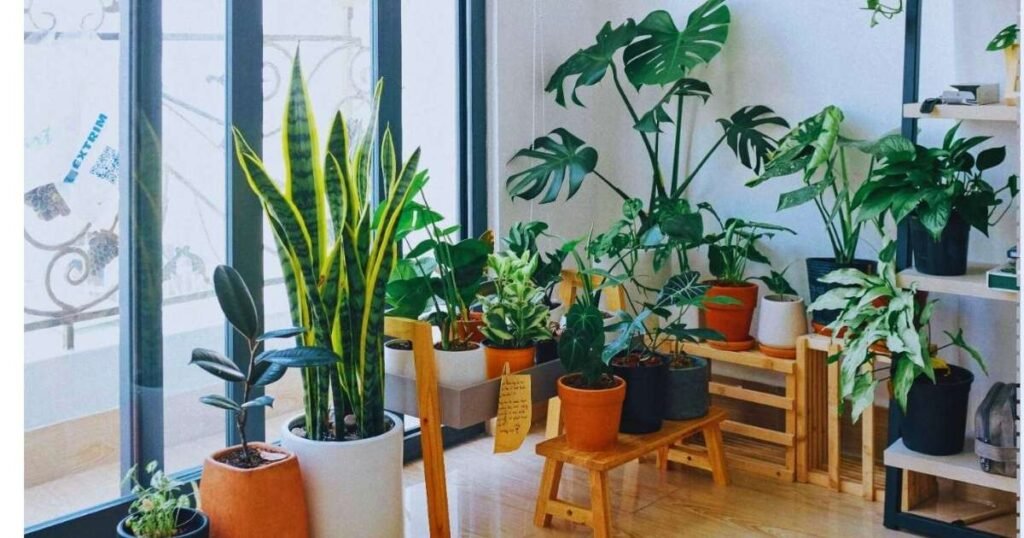
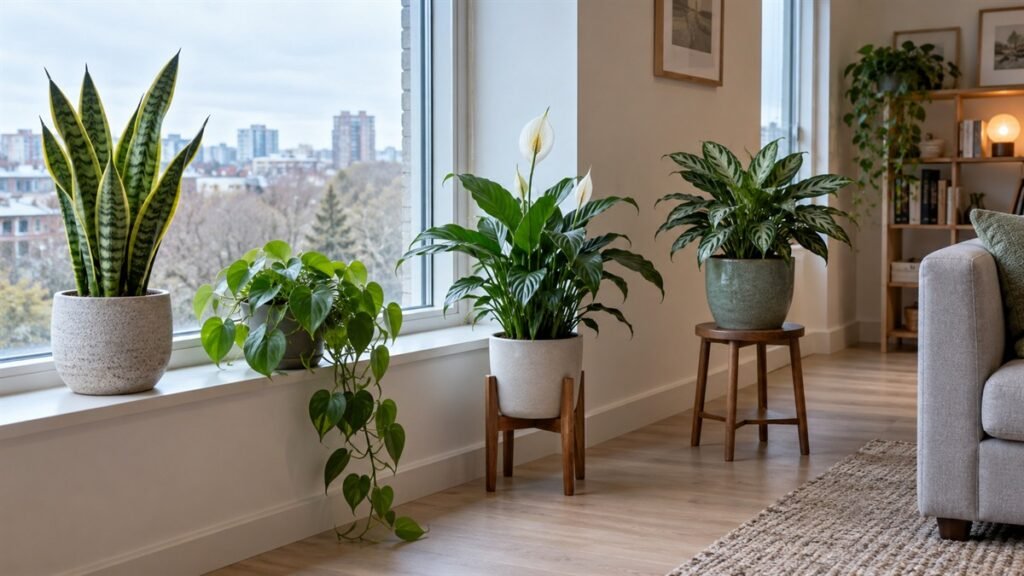
Floor plants are the first thing to rethink. The National Institute on Aging lists clutter, small furniture, pet bowls, cords, and throw rugs among the things people trip over at home, and a wide pot at the end of the sofa does the same job as a small side table.
Walk the routes your loved one uses every day: bed to bathroom, chair to kitchen, front door to the sitting room. Anything with a pot on that path moves, even if it’s sitting in the best light in the house. A plant in a slightly dimmer spot is a fair trade for a clear walkway, and plenty of low light plants won’t mind the move.
Walkers and canes need more room than feet do. Leave the corners where someone turns or sits down empty, and keep pots tight against the wall or up on furniture that won’t tip.

Water Without Leaving a Wet Floor
An overflowing saucer leaves a slick patch on wood or tile, usually right where nobody looks. Easiest fix: carry smaller plants to the sink, water them there, and let them drain before they go back.
For the big ones you can’t move, water slowly and stop when the first drops reach the saucer. Check it half an hour later and tip out anything left standing. Pots that sit in water also stay soggy, which invites fungus gnats and mold on the soil surface, and nobody wants either of those next to a recovery bed.
Get Trailing Plants Off the Ground
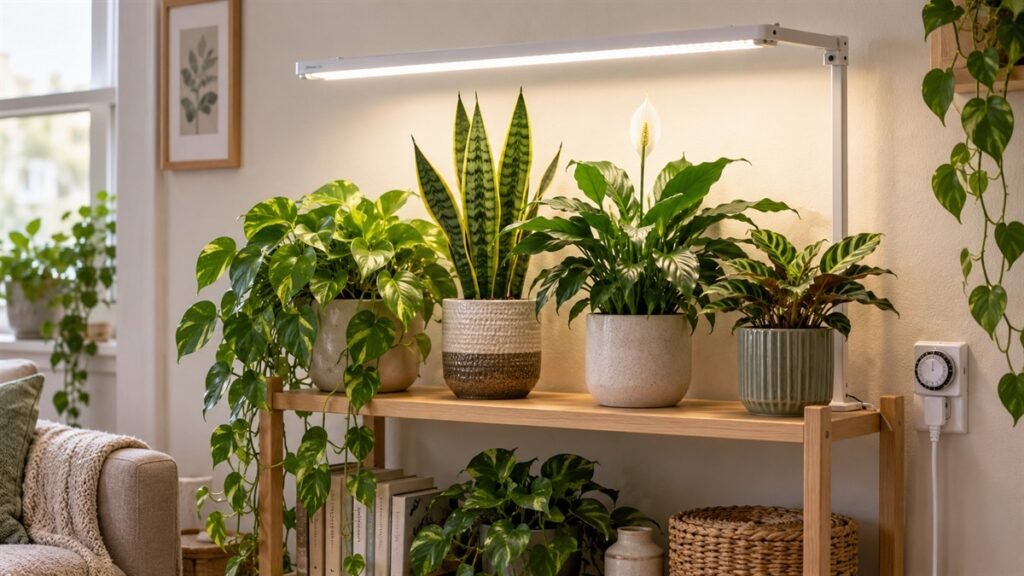
Long pothos and philodendron vines look lovely draped along a shelf or across the floor. Vines that long are also easy to catch with a slipper or the wheel of a walker. Trim them back to the edge of the shelf, or move the pot to a hanging spot where the vines fall free and out of the way. If you’re new to cutting them back, my guide to pruning pothos shows where to cut so the plant fills out instead of sulking.
Choose Plants That Forgive a Busy Week
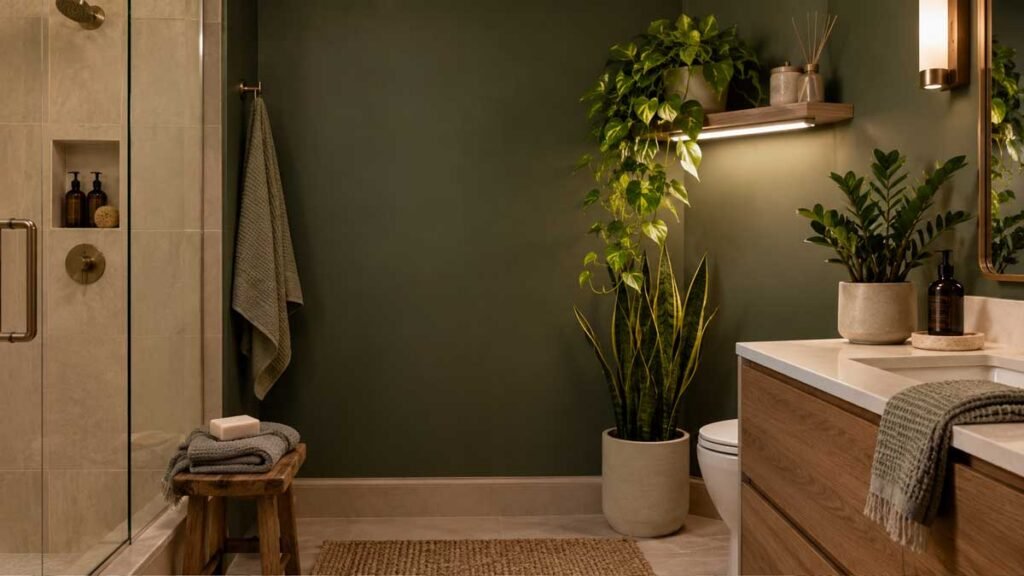
If you’re the one doing the caregiving, plant care slides down the list fast. No harm done, as long as the plants can take it. Snake plants and ZZ plants cope with dim rooms and dry soil between waterings, so a skipped week doesn’t hurt them. Both are happier being forgotten than fussed over.
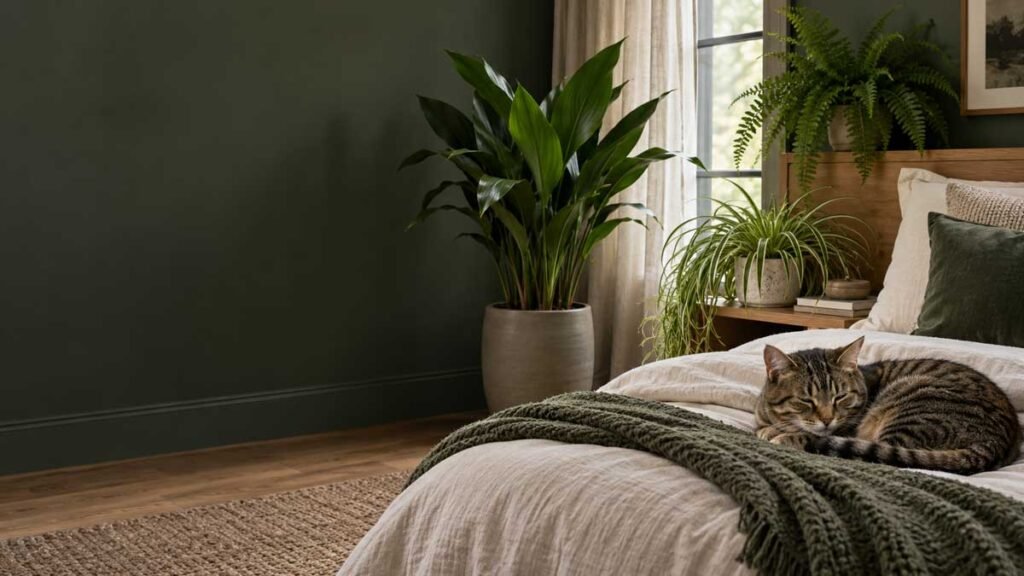
One catch: pothos and snake plants are on the ASPCA’s list of plants toxic to cats and dogs, and ZZ plants aren’t a safe pick around pets either. If there’s a pet in the house, or a loved one who might pick at leaves when confused, lean on plants the ASPCA plant list marks as non-toxic, such as spider plants, parlor palms, and calatheas.
Fewer, easier plants also means fewer pots to move, water, and clean around. Now’s a good time to hand a few fussy ones to a friend.
What the Nurse Notices on the First Visit
You won’t be the only one looking at the floor. For agencies certified by Medicare, care starts with a standard patient assessment called OASIS, which the Centers for Medicare & Medicaid Services requires. OASIS records how your loved one moves around and manages at home, and the care plan is built on it.
Families never see what happens to that record afterward, but it matters. Missing signatures, incomplete assessments, or coding errors can delay approvals and the services that depend on them, which is why many agencies rely on help such as Advanced RevCycle home health coding to keep documentation accurate.
Your part is simpler. Give the nurse an accurate list of medications and recent changes, tell them about any pets, and mention it if you’ve rearranged the house. If something changes between visits, call the agency rather than waiting.
A Quick Room Check Before Care Starts
- Main walking routes are clear of pots, saucers, cords, and rugs.
- Trailing vines are trimmed or hung out of reach.
- Smaller plants get watered at the sink; big ones get their saucers emptied.
- Toxic plants are out of reach of pets, or swapped for non-toxic ones.
- The plants that are left can handle a missed watering.
If the first visit were tomorrow, I’d start with the bed-to-bathroom route and move every pot on it tonight. Everything else can wait for the weekend.
FAQ
Do I need to remove houseplants for home health visits?
No. Keep pots, saucers, and trailing stems out of the walking paths and keep floors dry after watering. Your plants can stay.
Which houseplants are easiest while caring for someone at home?
Snake plants and ZZ plants handle low light and missed waterings well. If pets are around, spider plants and parlor palms are non-toxic options on the ASPCA list.
Should I tell the nurse about pets and plants?
Tell them about pets before the first visit. Plants only need a mention if you’ve moved things around or there’s something heavy near where your loved one walks or sits.

Ellie Marsh
Houseplant grower who spent years in a north-facing apartment. Writes practical care guides for low light homes, checked against extension and botanical garden sources.