Last updated on October 31, 2026
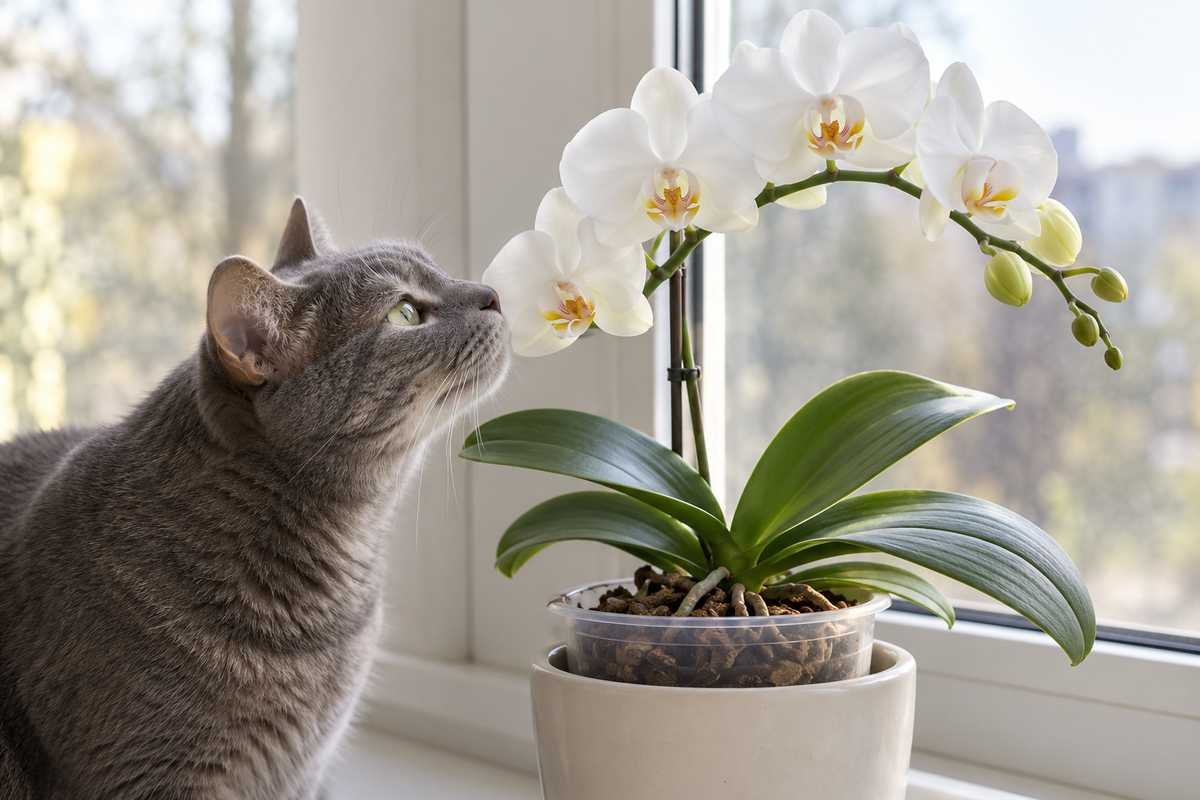
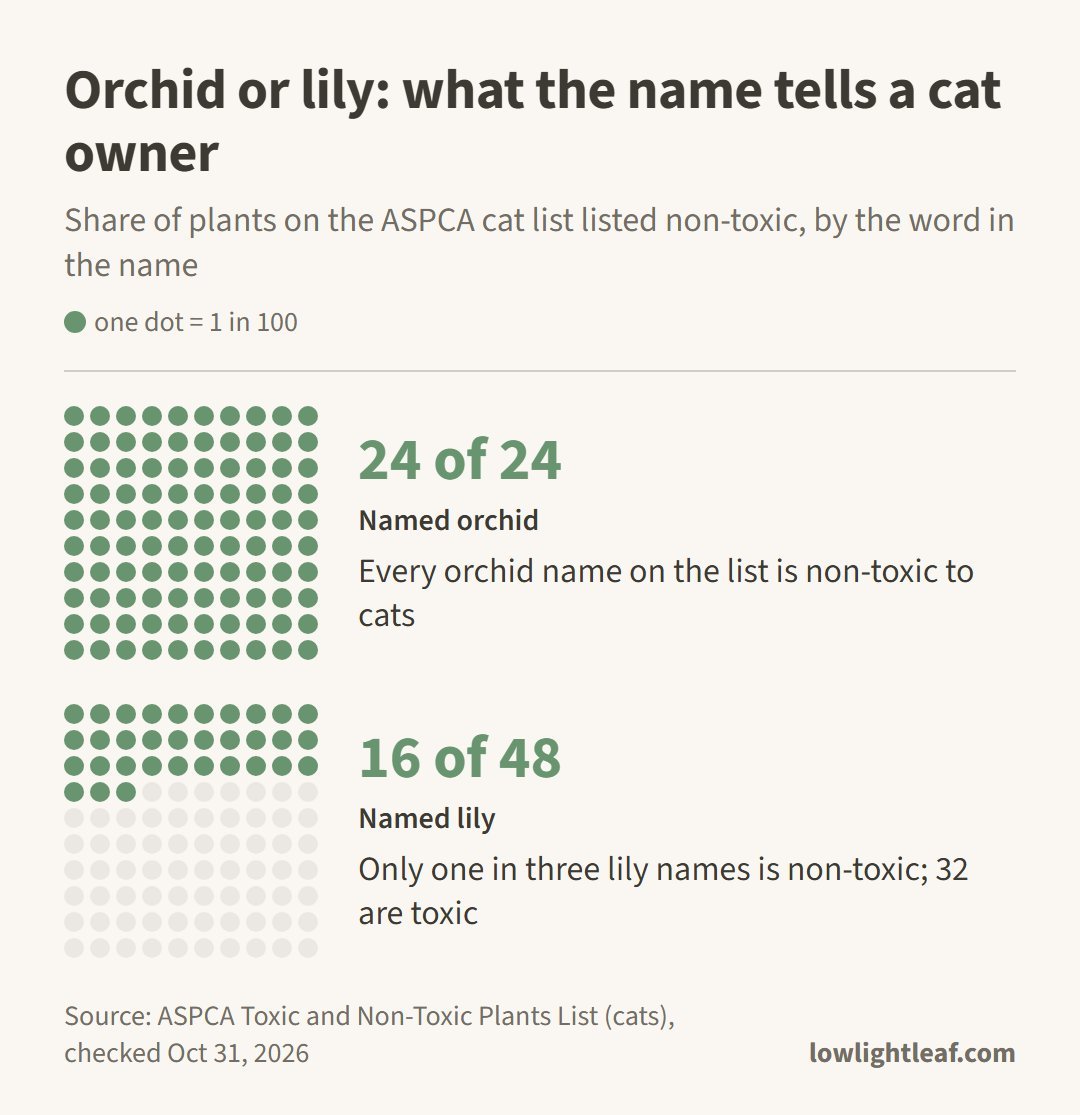
No, orchids are not toxic to cats. The ASPCA lists the moth orchid, the Phalaenopsis sold in grocery stores, as non-toxic to cats, dogs and horses, and all 24 plants with “orchid” in their name on its cat list sit in the non-toxic column. A cat that chews one may vomit, but the bigger risks are what was fed or sprayed onto the plant, and the toxic flowers that get sold next to orchids or wrapped in with them.
That last part is why “are orchids toxic to cats” is a trickier question than it looks. Plant names are loose, and the same ASPCA list that clears every orchid puts 32 of its 48 “lily” names on the toxic side.
What happens if a cat eats an orchid?
Usually a mild stomach upset at most. The ASPCA notes that eating any plant material can cause vomiting and gastrointestinal upset in dogs and cats, and that plants on its non-toxic list aren’t expected to be life-threatening.
Dr. Renee Schmid, a senior veterinary toxicologist at Pet Poison Helpline, told Daily Paws that orchids “may cause stomach upset, vomiting, and diarrhea but are not expected to cause more serious signs.” She added one caveat. If a cat swallows large pieces of the bulbs (the swollen stems some orchids grow at the base) or a lot of plant material, there’s a risk of a foreign body obstruction.
So a chewed petal or a torn leaf is a watch-and-wait situation. Her advice was to watch for stomach upset and see a vet if vomiting or diarrhea keeps going. A cat that has eaten a big chunk of the plant, or that keeps vomiting and stops eating, is worth a call.
Which orchids does the ASPCA list as safe for cats?
The orchids you’re most likely to find for sale are all on the ASPCA list. Here they are with the botanical names the ASPCA plant database uses, each one listed non-toxic to cats:
- Moth orchid or moon orchid (Phalaenopsis): the supermarket orchid, also listed non-toxic to dogs and horses
- Christmas orchid (Cattleya trianaei) and Easter orchid (Cattleya mossiae)
- Dancing doll orchid (Oncidium flexuosum)
- Jewel orchid (Haemaria discolor), also called golden lace orchid
- Lily of the valley orchid (Odontoglossum pulchellum), whose name is a trap explained below
One boundary. Some articles say every plant in the orchid family is safe for cats, but the ASPCA doesn’t rule on the whole family. It says its list is a compilation of the most frequently encountered plants, not every plant, and asks you to check each plant’s name. A rare species from a specialty grower may simply not be listed. What the list does say is that none of the orchids it covers is toxic to cats.
Orchid or lily: the names that trip people up
I check every plant against the ASPCA list by name before it comes home to Miso, and orchids are the easy part. The hard part is that common names overlap. The word “orchid” on the tag has held up on the ASPCA list every time; the word “lily” tells you almost nothing.
The ASPCA list itself contains near-twins that land on opposite sides:
| Name on the tag | Botanical name | ASPCA, for cats | Listed signs |
|---|---|---|---|
| Easter orchid | Cattleya mossiae | Non-toxic | None listed |
| Easter lily | Lilium longiflorum | Toxic | Vomiting, loss of appetite, lethargy, kidney failure; death is possible |
| Lily of the valley orchid | Odontoglossum pulchellum | Non-toxic | None listed |
| Lily of the valley | Convallaria majalis | Toxic | Vomiting, irregular heartbeat, low blood pressure, disorientation, coma, seizures |
| Peruvian lily | Alstroemeria | Non-toxic | None listed |
| Gladiolus | Gladiolus species | Toxic | Salivation, vomiting, drooling, lethargy, diarrhea; most concentrated in the corms |
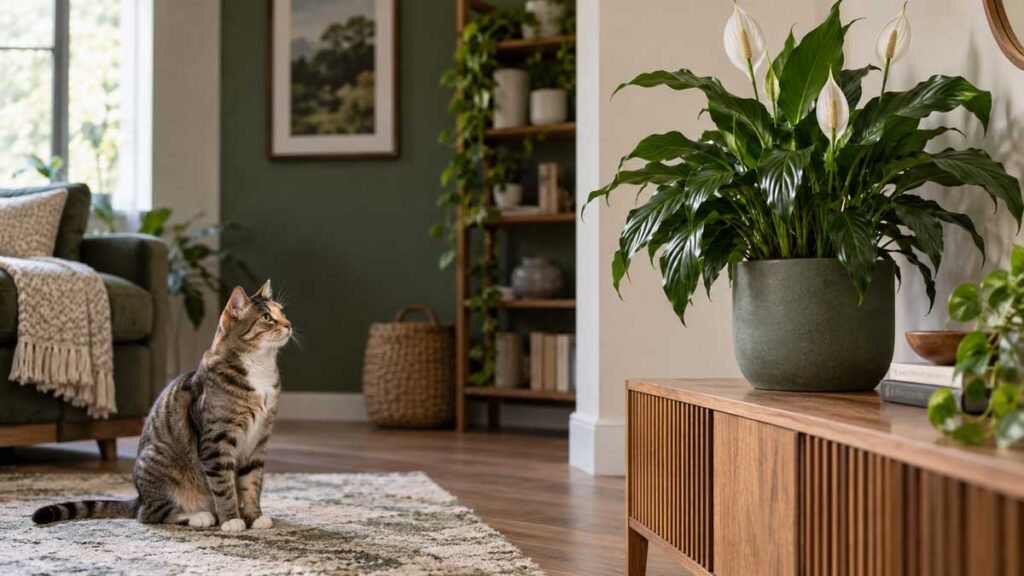
The Easter lily row is the one to remember. The ASPCA says cats are the only species known to be affected by it, which is why a lily that’s harmless to your dog can be deadly to your cat. The peace lily is also on the toxic list, though it isn’t a true lily; are peace lilies toxic to cats covers what it does.
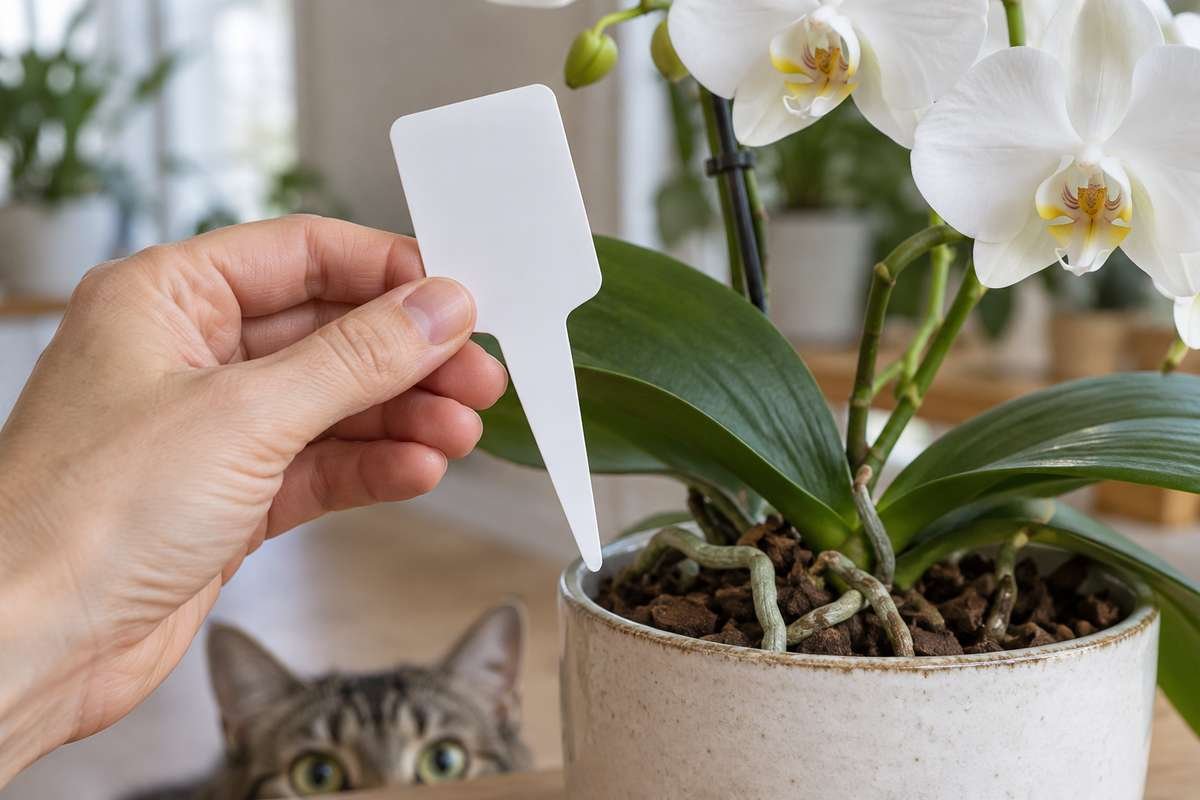
The practical habit: read the plastic tag for the botanical name, not the common one, and look that up on the ASPCA list or in our plant toxicity checker.
Orchids in bouquets and gift arrangements
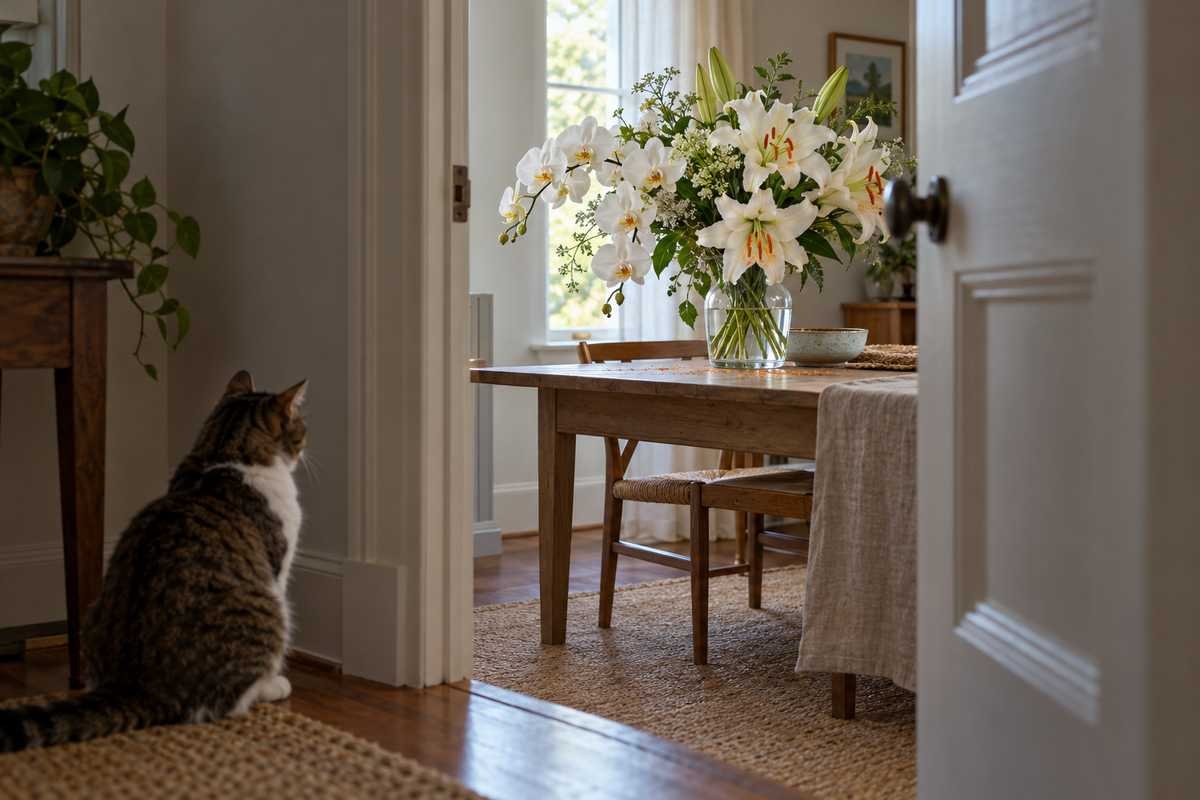
A potted moth orchid on its own is low risk. A gift arrangement with orchid stems mixed in is a different thing, because the other flowers in it may include lilies. Pet Poison Helpline says all parts of true lilies (the Lilium genus, which includes Easter, Oriental, Stargazer and tiger lilies) are toxic to cats, including the pollen and the vase water, and that early treatment is vital.
Owners who have lived through it say the same thing more bluntly. A reply in r/CatAdvice, under a photo of a mixed bouquet:
“Oh my. We lost a sweet girl to lilies before we knew how toxic they were to cats. I think I see lilies in your post. Do not bring flowers into your house unless you have researched every flower to determine if toxic to cats.”
– r/CatAdvice, July 2026 (9 upvotes)
If a bouquet arrives with stems you can’t name, keep it in a room the cat can’t get into until you’ve identified every flower. I look up each stem on the ASPCA list before Miso gets near a vase. Pet Poison Helpline counts the pollen, which falls wherever the vase stands, so a closed door works better than a high shelf.
What’s in the pot: fertilizer and sprays
The orchid may be safe while the products used on it aren’t. Pet Poison Helpline’s fertilizer page says plant foods carry nitrogen, phosphorus and potassium, sometimes with metals such as iron and zinc, and some also contain herbicides, insecticides or fungicides.
A cat licking a little fertilizer off a leaf usually gets mild stomach upset, the helpline says. Larger amounts can cause serious poisoning, and meal-based products (bone meal, blood meal) can clump in the stomach and cause a blockage or pancreatitis. Keep the orchid food bottle in a cabinet and wipe up drips, and if you spray the plant for pests, use a product whose label allows use around pets.
Keeping a cat and an orchid in the same room
Plenty of owners pick orchids precisely because of the cat. In r/orchids, one grower explained how they started:
“Hi, I am just starting to collect orchids for my cat because she is a plant lover, but she snuggles with toxic houseplants.”
– r/orchids, July 2026 (22 upvotes)
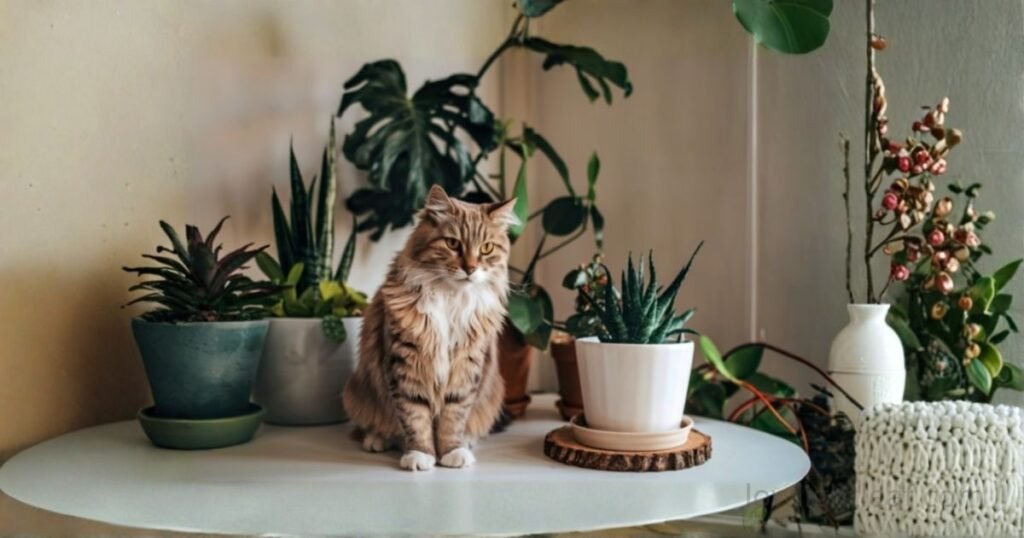
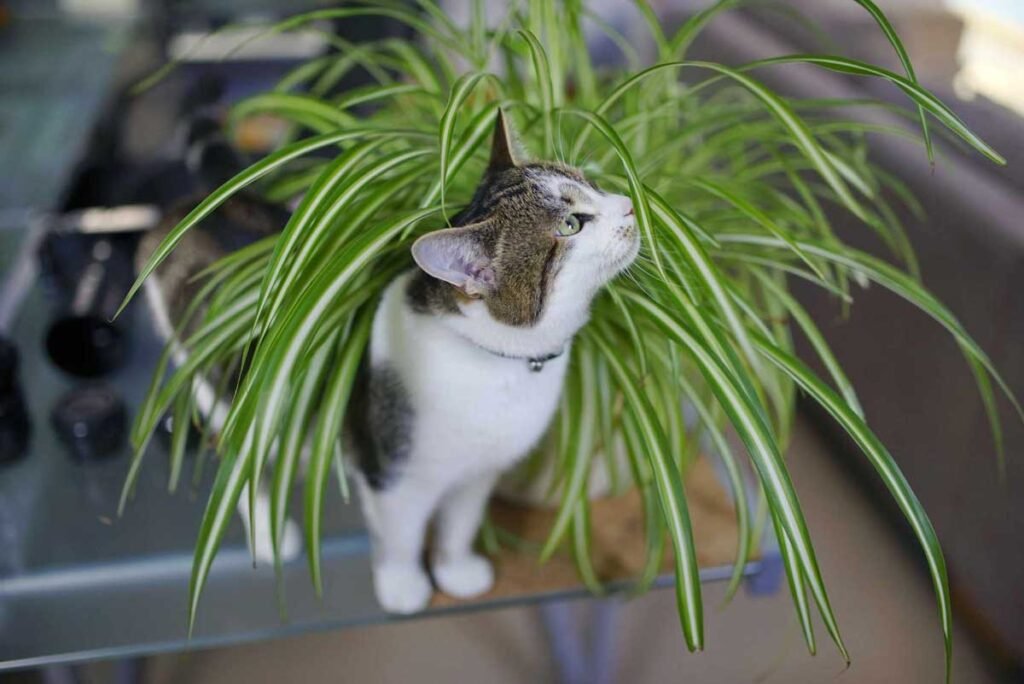
That’s a sound swap, and it fits a short list of other safe choices in pet friendly indoor plants. Chewing is still bad for the orchid even when it’s fine for the cat, so a wall shelf or hanging planter protects the flowers. Daily Paws also suggests giving a plant-chewing cat its own pot of cat grass.
Are orchids toxic to cats? FAQ
Are orchids toxic to dogs?
No. The ASPCA lists the moth orchid as non-toxic to dogs and horses as well as cats, and lists the Easter, jewel and lily of the valley orchids as non-toxic to dogs too. The same caution about fertilizer applies to dogs.
Can I have flowers in my house if I have a cat?
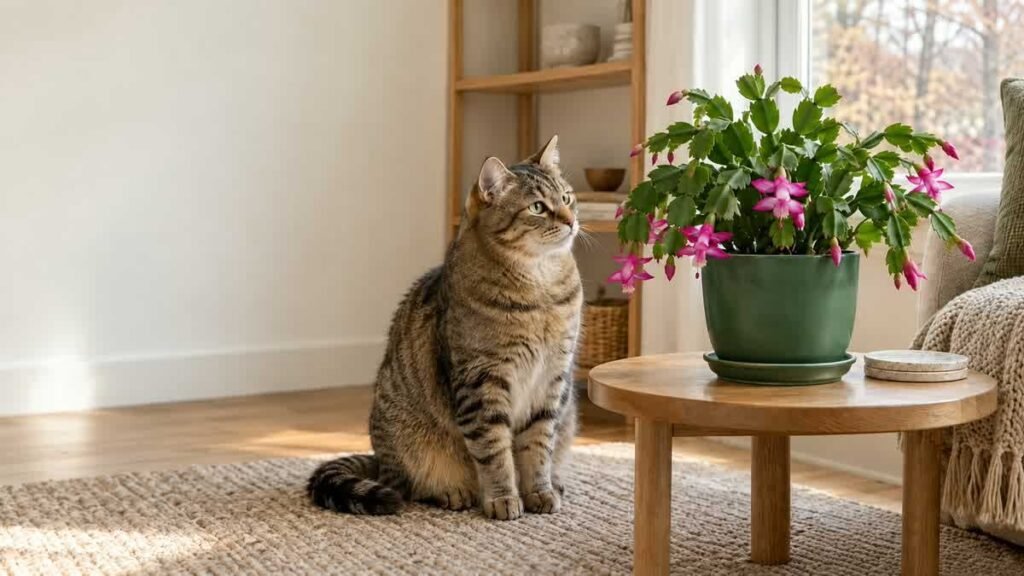
Yes, if you check each one by name. Orchids, Peruvian lilies and the holiday Christmas cactus are on the ASPCA non-toxic list. True lilies are the flowers to keep out entirely, along with anything you can’t identify. For herbs on the kitchen windowsill, see is rosemary safe for cats.
My cat ate an orchid and threw up. What now?
A single bout of vomiting fits what the ASPCA and Dr. Schmid describe for orchids. Take the plant out of reach, offer water and watch. Call your vet if the vomiting or diarrhea continues, if the cat ate a large piece of bulb, or if you’re not sure the plant was an orchid. ASPCA Poison Control is at (888) 426-4435; a consultation fee may apply.
The orchid on your windowsill is rarely the problem. The flower that came in the same wrapping might be, so check every stem by its botanical name.

Ellie Marsh
Houseplant grower who spent years in a north-facing apartment. Writes practical care guides for low light homes, checked against extension and botanical garden sources.