Last updated on November 18, 2026
Are sunflowers toxic to cats? No. The ASPCA plant database lists them as non-toxic to dogs, cats and horses, and nothing in the stem, leaf or petal carries a toxin. The part worth watching is the bag of seeds on the shelf, not the bloom on the table.
I keep a cat, Miso, and I check every plant I bring home against that database before it comes through the door. Sunflower was one of the easy ones, until I watched him bat a jar of salted seeds across the kitchen counter and realized the plant was never the part worth worrying about.
So Are Sunflowers Toxic to Cats or Not?
True sunflowers, the Helianthus genus, are non-toxic to cats. The database entry usually quoted is filed under swamp sunflower (Helianthus angustifolius), one species in that genus, and the ASPCA names common sunflower among the plants it treats as safe for cats and dogs.
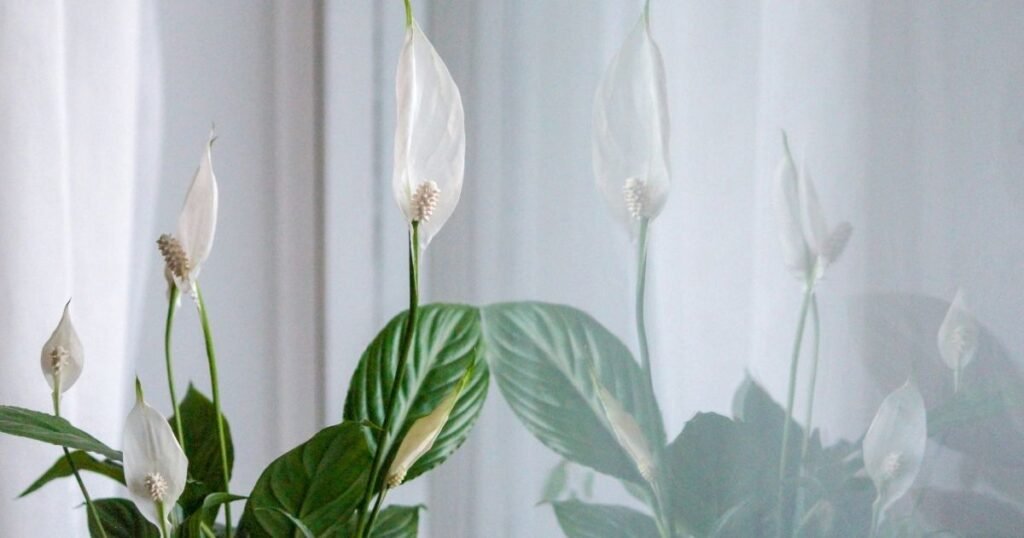
That wording matters more than it sounds. A non-toxic listing is not a test result on every sunflower your florist sells. It means no toxin has been identified in the genus, which is a different and slightly weaker statement, and it is the one the evidence supports. For comparison, the houseplants that do hurt cats hurt them in a specific way: peace lilies carry insoluble calcium oxalate crystals that cut at the mouth, and eucalyptus carries oils that a cat’s liver handles badly. Sunflower carries neither.
The same verdict shows up in places that have no reason to repeat each other. ASPCA’s sunflower entry covers cats, dogs and horses. Roses land in the same category, which is why a mixed bouquet of the two is not the problem in the room.
“Plants SAFE For Cats➡️ Roses, Sunflower, Orchids, Petunia, Spider Plant, Freesia, Aster, Snapdragon, African Violet, Zebra Haworthia, Statice, Boston Fern, Friendship Plant, Prayer Plants, Goldfish Plant, Hoya, Peperomia, Valerian, Calathea and Catnip”
– r/CatAdvice, April 2026 (610 upvotes)
Sunflower Oil in Cat Food
Sunflower oil shows up in commercial cat food as a fat source, which is the same plant judged safe in a refined form. It is a useful contrast: if the plant were a problem at any dose, a main ingredient in a complete diet would be a strange place to find it. The salted snack and the refined oil are far apart in both form and quantity.
The Seed Bag Is the Part to Watch
Sunflower seeds for people are roasted and salted, and salt is the ingredient worth taking seriously. Pet Poison Helpline lists vomiting and diarrhea first, then a stumbling gait, disoriented behavior, tremor, seizure and collapse. It gives no safe dose, so there is no tidy number to compare against how much your cat licked up. A small cat and a spilled bag is a bad pairing on its own terms. Flavored seeds add a second layer, since the coating is not only salt: if the package says ranch, barbecue or honey roasted, the seasoning is one more reason to keep it shut.
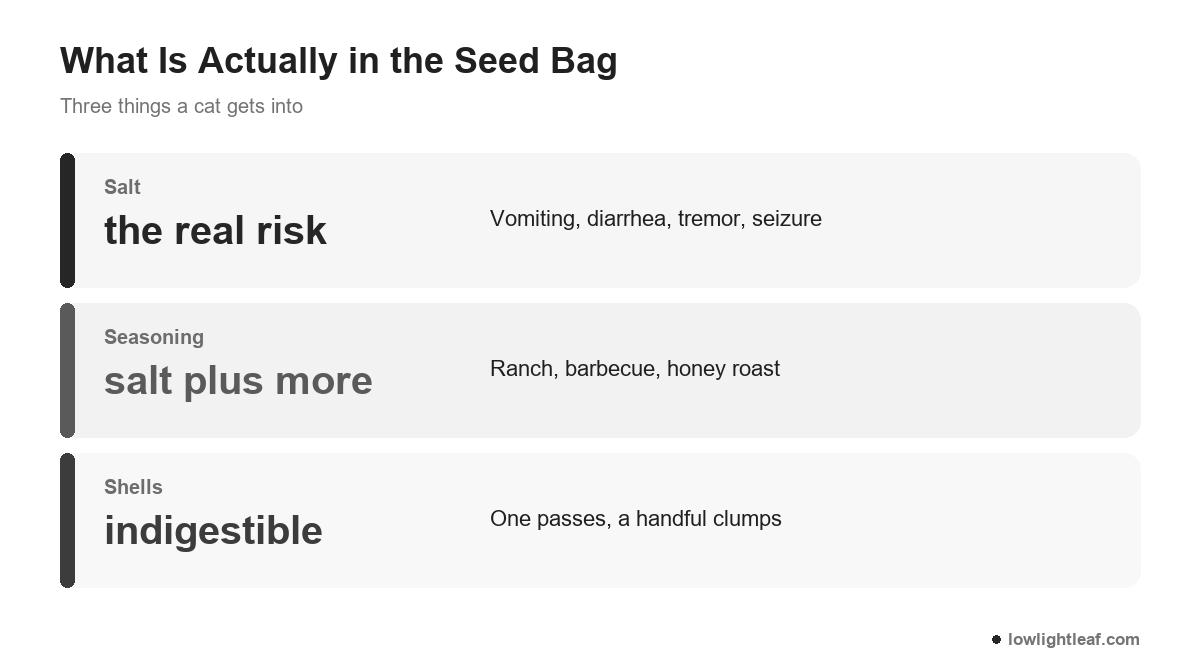
What Is Actually in the Bag
Shells are the other half of it. A cat has no enzyme for a dry, sharp-edged husk, and one swallowed shell is a nuisance while a handful can clump into something that has to come out the other way. Buy shelled, and the question mostly disappears.
Sealed beats supervised.
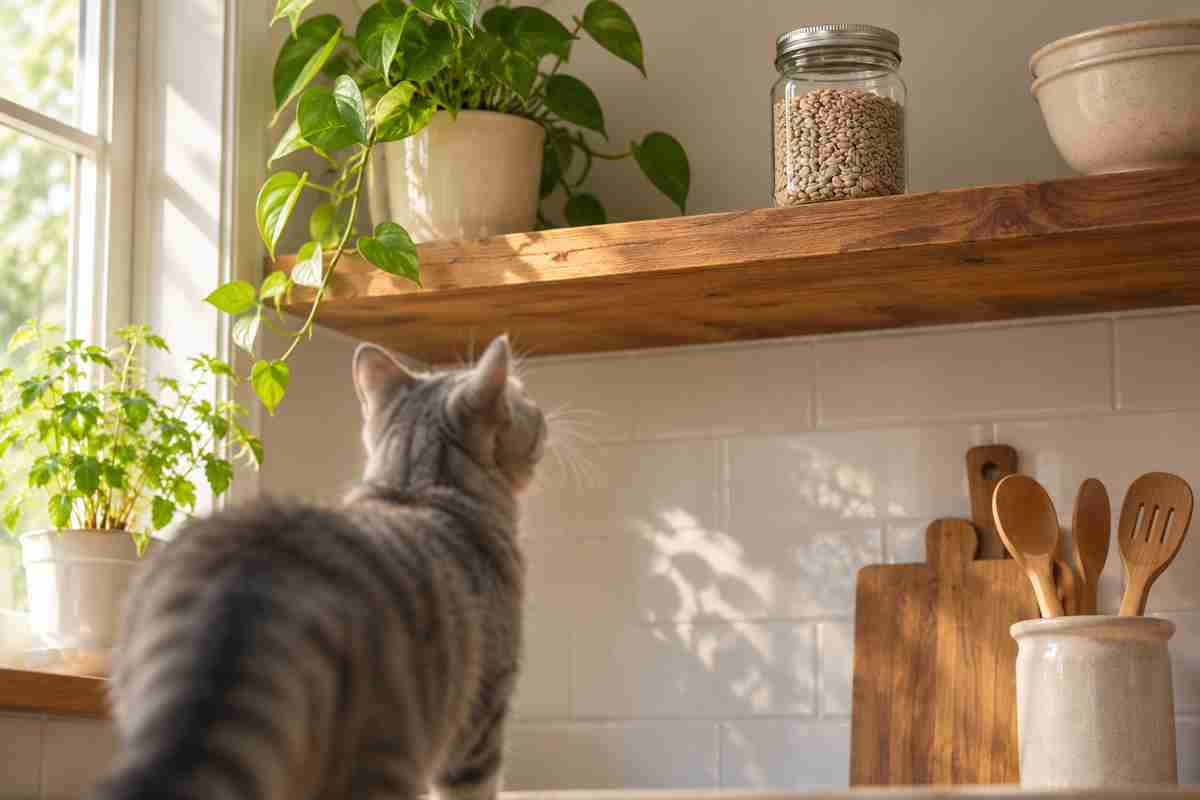
Seeds go in a lidded jar on a high shelf, or in a cupboard with a latch. Miso can reach a countertop in one hop, and I stopped leaving anything edible at counter height after the second time. The same rule covers the bag of birdseed under the feeder outside, which is where mold gets into the picture.
If Your Cat Chewed the Flower or a Seedling
Petals, leaves and stems are fiber, not poison. A cat that shreds a petal and wanders off needs watching, not a car ride. What follows in the next hour is usually nothing, or a single vomit that settles.
Seedlings are the case people ask about most, because a pot of leggy sunflower sprouts comes home from a classroom or a garden center and gets chewed before anyone thinks about it. The sprout itself is the same non-toxic plant. The risk in that pot is the growing medium: fertilizer prills and fresh potting mix are what a cat eats along with the stem.
“My cat just ate a sunflower seed in its shell. Is this okay? Thanks!”
– r/AskVet, October 2016 (6 upvotes)
One shell from a plain, unsalted bag is the smallest version of the question, and it is not the version that lands cats in a clinic. The version that does involves quantity and salt.
Cut stems in a vase carry one more risk that has nothing to do with the flower. The water grows bacteria within days, and the little preservative sachet that comes with a florist bunch is a packet of chemicals a cat can fish out. Empty and refill the vase daily, and put the sachet in the bin before the flowers go in.
Signs to Watch and When to Call
Watch at home after a petal or one plain seed. Call after a quantity of salted or seasoned seeds, and call sooner for a cat that is small, young or already unwell. The signs that move it from watching to calling are the ones on the poison service list: repeated vomiting, diarrhea, a stumbling walk, odd behavior, trembling, or anything that looks like a seizure.
Have three answers ready when you call: roughly how much the cat got, whether the seeds were salted or plain, and whether shells went down with them. Those three change the advice more than the breed or the time of day.
If you are still deciding whether a plant belongs in the room at all, the toxicity checker covers sunflowers and about a hundred other plants in one table, and keeping cats out of plants covers the layout side of the same problem. Sunflower sits in the easy half of that table, next to roses.
Common Questions
Are sunflowers toxic to cats, seeds included?
No. Plain sunflower seeds are not toxic, though a large amount of any rich food can upset a cat’s stomach. Salted or seasoned seeds are the version to keep sealed, because the salt and the coating are what cause trouble.
Is sunflower pollen dangerous to cats?
No. Sunflower pollen is heavy and stains fabric, but it carries no toxin. A cat that grooms pollen off its coat swallows a small amount and is not at risk from it.
Can cats eat sunflower petals?
A nibble is harmless. Petals are fiber, so a cat that eats a lot of them may vomit once, and that is the usual outcome. Watch for repeated vomiting or a change in behavior rather than a single episode.

Ellie Marsh
Houseplant grower who spent years in a north-facing apartment. Writes practical care guides for low light homes, checked against extension and botanical garden sources.