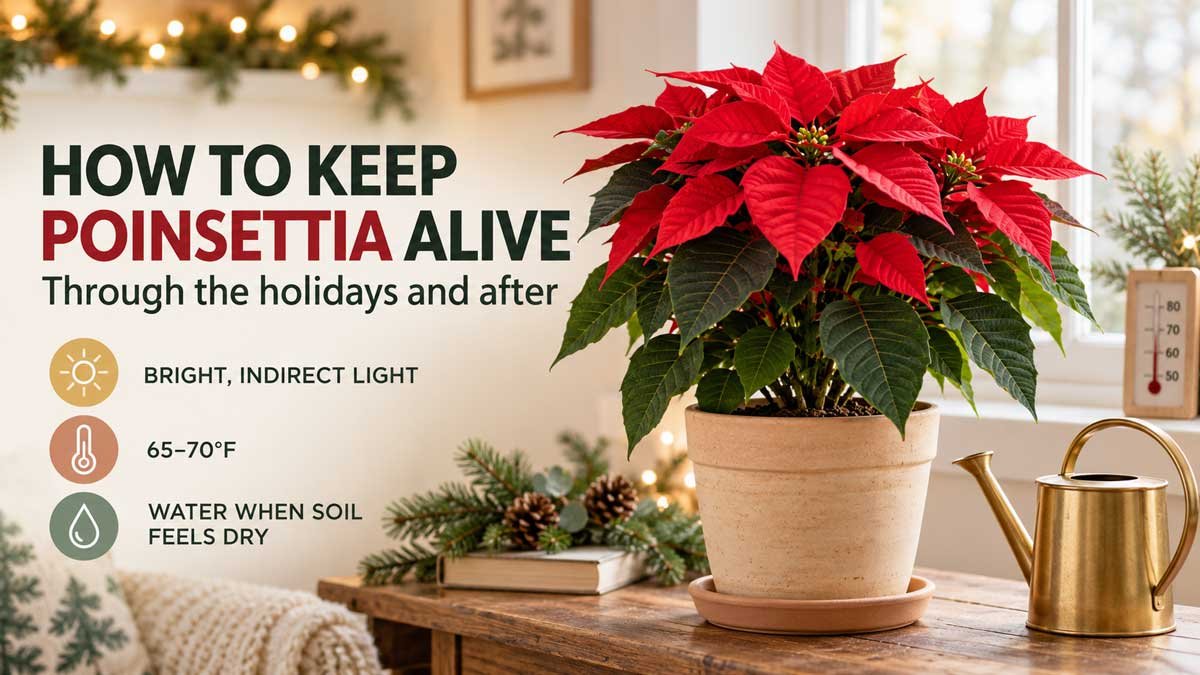
To keep a poinsettia alive, give it bright, indirect light, keep it between about 65 and 70°F and away from drafts, and water it only when the soil surface feels dry, with the foil sleeve taken off. Colorado State University Extension adds that it should never drop below 55°F, the point where the plant essentially stops growing.
Most poinsettias that die in a home are lost in the first week, not in January. Cold on the trip home and a pot standing in a waterlogged foil wrapper do more damage than anything that happens later. So how to keep poinsettia alive starts at the store.
The first week: from the store to your windowsill
The Royal Horticultural Society says the most common reason a poinsettia drops leaves is time spent in a cold, drafty shop or on a chilly sidewalk display, so pick carefully and get it home fast.
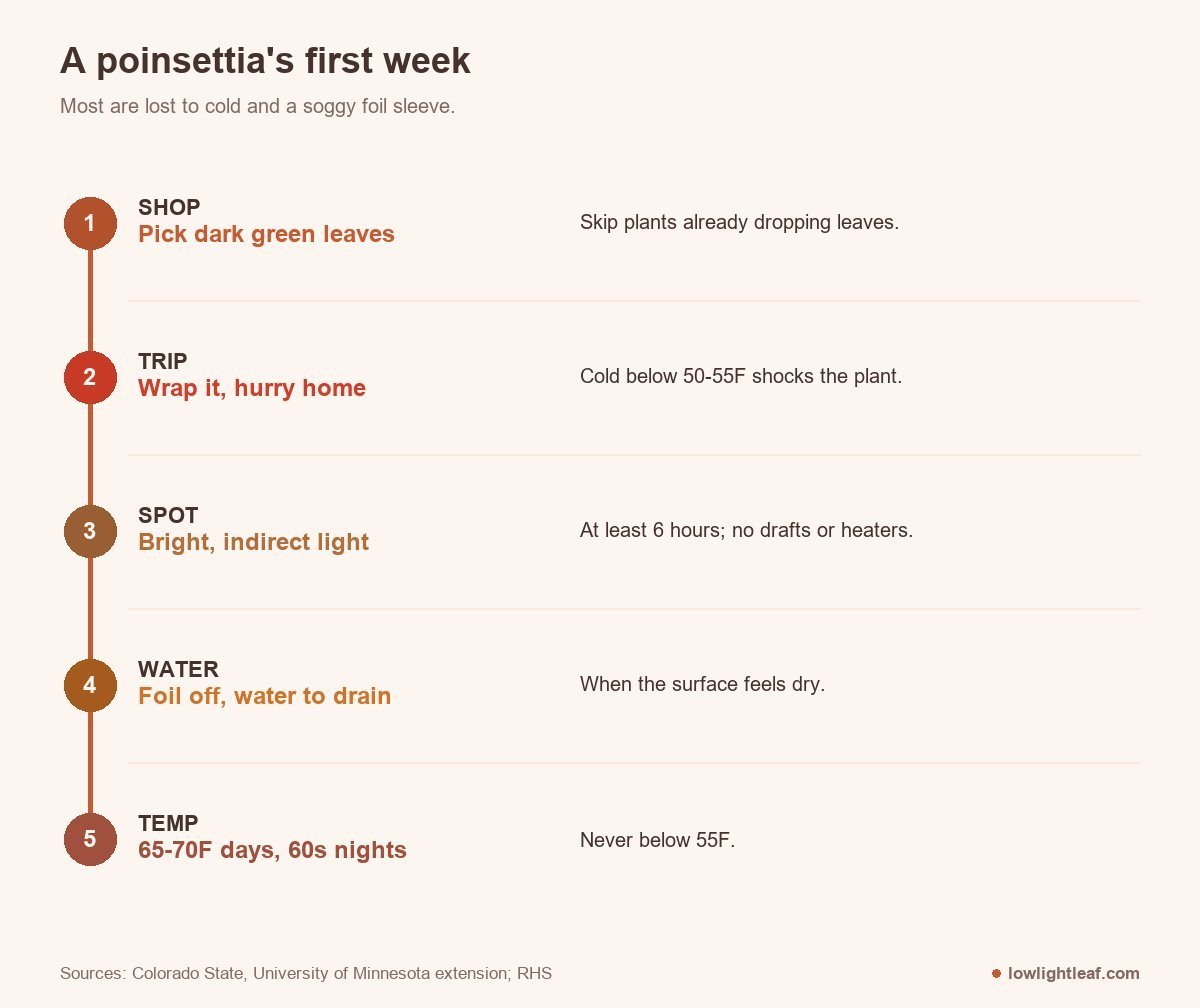
- Pick a healthy plant. Colorado State suggests deep, dark green leaves and full, undamaged colored bracts. The RHS says to skip any plant that is already drooping or dropping leaves.
- Wrap it for the trip. Ask for a sleeve over the top or a bag, carry it straight to the car and get it indoors quickly, the RHS says. A mild day is easier than a frosty one.
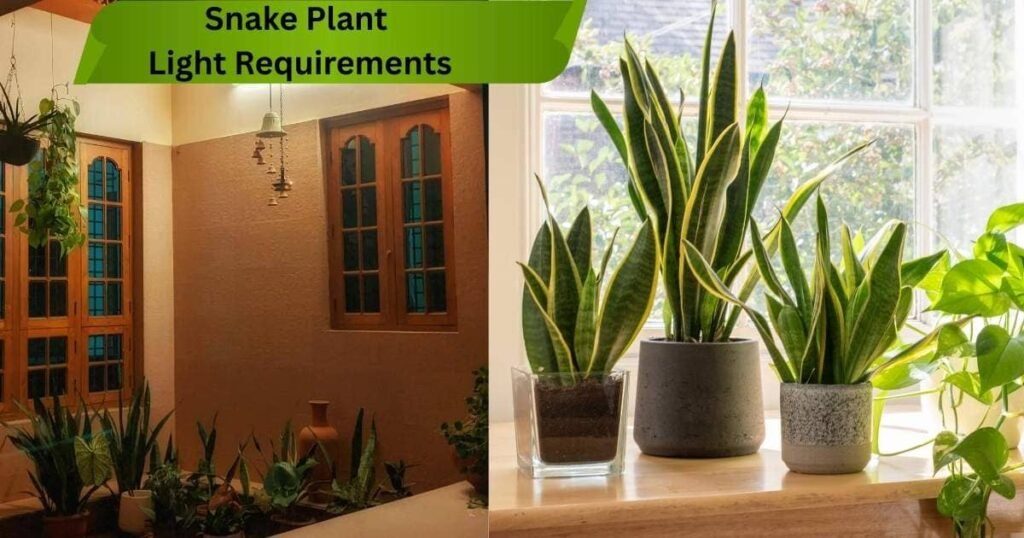
- Find a bright spot out of direct sun. University of Minnesota Extension suggests a south, east or west window. Colorado State asks for at least six hours of indirect light a day and warns that direct sun fades the color.
- Keep it away from heat and drafts. Minnesota lists cold drafts, heat ducts, fireplaces, fans and space heaters as places to avoid. The RHS adds windowsills where the night gets cold behind a curtain.
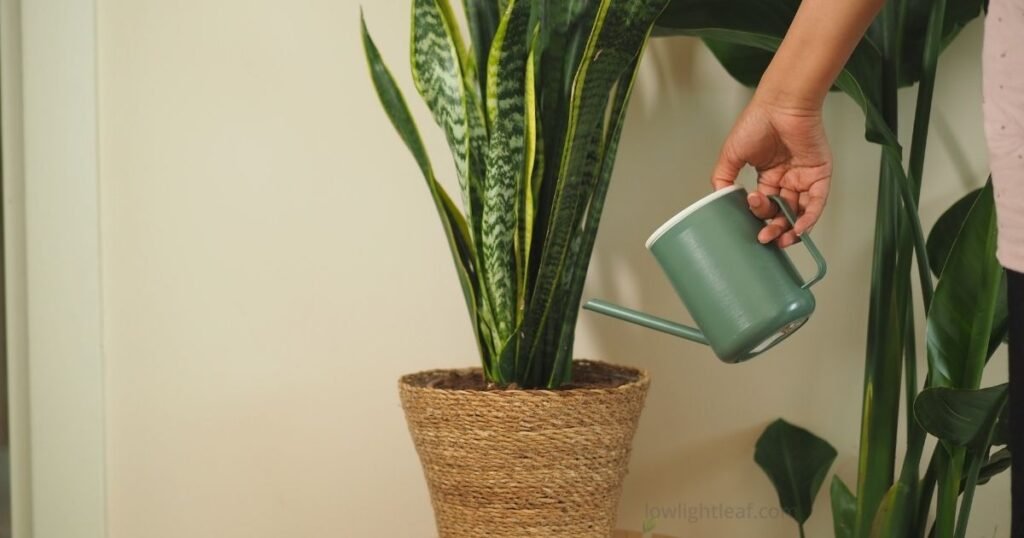
- Take the foil off to water. Both Colorado State and Minnesota say to remove the decorative foil or outer pot, water until it drains, and never leave the pot standing in water.
Lift the pot now and then, since Minnesota’s test for watering is soil that feels dry to a light touch or a pot that feels light when you pick it up.
Temperature, light and water for a poinsettia
Three sources give slightly different numbers, so read across a row and use the strictest one.
| Need | Colorado State Extension | University of Minnesota Extension | RHS |
|---|---|---|---|
| Daytime temperature | 67-70°F | 65-70°F | Warm room |
| Night temperature | 60-62°F | Avoid fluctuations | No cold sills behind curtains |
| Lowest safe temperature | Never below 55°F | Damage below 50°F; frost kills | Minimum 55-60°F |
| Light | At least 6 hours of indirect light | South, east or west window, bright daylight | Bright, out of direct sun |
| Water | When the soil feels dry; foil off | When the surface is dry or the pot feels light; never let it wilt | Make sure excess water drains away |
| Fertilizer | Not while in bloom | Not during the holidays | Little to do but water over the holidays |
There’s no fixed watering schedule, Colorado State says, because the pot, the mix and the room temperature all change how fast it dries. Clay pots dry faster, while plastic pots are easier to overwater. Feel the soil instead of counting days.
The RHS suggests a gentler method: stand the pot in a bowl of tepid water for 10 to 20 minutes, let it drain, then return it to its decorative pot. It adds that humidity lengthens the flowering time and suggests misting the plant every day if you can.
Why is my poinsettia dropping leaves?
A poinsettia usually drops leaves because it got cold, sat in soggy soil, or dried out until it wilted. The RHS says temperatures below 55-60°F send the plant into shock, and Colorado State says yellowing lower leaves that drop can point to overwatering, underwatering or root rot.
- Leaves falling within days of bringing it home. The RHS blames cold storage or display before you bought it, and says such a plant usually keeps declining no matter what you do.
- Yellow lower leaves, soil still wet. Too much water or water trapped in the foil (Colorado State).
- Whole plant wilting, soil dry. Minnesota says never to let it get that dry.
- Leaves dropping near a vent or door. Temperature swings from heat ducts, fireplaces and drafts (Minnesota).
- Leaves dropping after a week or more at home. The RHS says this is usually a cool, drafty spot or soil that isn’t evenly moist, and that the drop should stop once the plant is warm, bright and watered properly.
Overwatering can also bring grey mould, the RHS notes, and scale insects and mealybugs occasionally turn up on poinsettias as on other houseplants.
Green leaves piling up on the table two days after you bring it home is the first case, and it’s the one you can’t fix at home. When the soil stays wet and the stems start to collapse, growers on Reddit often reach the same verdict as Colorado State:
“That sounds like root rot, unfortunately”
– r/plantclinic, August 2026 (15 upvotes)
Keeping a poinsettia after Christmas
A poinsettia doesn’t have to go out with the tree. Colorado State says a well-kept plant can hold its color until mid-March and rebloom in later years, and plenty of growers keep theirs going:
“Instead of throwing out your poinsettias, you might try to keep them alive! Here’s mine that I’ve had for about 6 years now!”
– r/plants, December 2025 (1,014 upvotes)
Keep it in the brightest window you have after the holidays. Minnesota starts feeding only when new growth appears, using an all-purpose houseplant fertilizer at half strength every three to four weeks. Around Valentine’s Day, it suggests cutting a leggy plant back to about five inches.
Getting a poinsettia to turn red again
Getting a poinsettia to color up again takes a year of good light and then about two months of strict long nights. Minnesota calls it “not an easy task” and lays out the year by holiday.
| When | What to do (University of Minnesota Extension) |
|---|---|
| New Year’s Day | Fertilize if you see new growth; keep up light and water |
| Valentine’s Day | Check for whitefly; cut a leggy plant back to about 5 inches |
| St. Patrick’s Day | Prune faded parts; keep it in a bright, sunny window |
| Memorial Day | Trim 2-3 inches off the branches; repot if needed |
| Father’s Day | Move outside into indirect light |
| Fourth of July | Trim again; move into full sun; more water and fertilizer |
| Labor Day | Bring indoors to at least 6 hours of direct light; fertilizer at one-quarter strength |
| About Sept. 21 | 16 hours of total darkness and 8 hours of bright light every day; nights in the low 60s°F |
| Thanksgiving | Stop the dark treatment; sunny spot with 6 hours of direct light |
The dark period has to be complete, because Minnesota says the plant can’t receive even the slightest light during those 16 hours, so a closet, basement or box works better than a room where someone turns on a lamp.
The RHS schedule is close but not identical. It aims for fewer than 12 hours of light a day for 8 to 10 weeks from late September, a steady temperature of about 65°F while the bracts color, and a hard prune to about 4 inches in April. It also warns that store-bought poinsettias are often treated with growth suppressants, so a plant grown on at home comes back taller and looser than the one you bought.
Timing is the other trap, as one grower learned after asking why a plant kept since the previous December never turned red:
“Congrats on keeping a poinsettia alive for several years. While it’s not exactly a healthy specimen, that still puts you ahead of like 99 percent of people! Honestly you are WAY to late to get it to bloom this year. Just try to get the plant healthy again and worry about getting it to bloom NEXT FALL. Spring is not when they normally bloom. Also, set your expectations a bit lower. It’s totally possible get a poinsettia to bloom every year and look beautiful, but it’s nearly impossible to get th…” [excerpt — 2,454 characters in full]
– r/houseplants, February 2026 (202 upvotes)
Light is the part a dim home struggles with.
I spent years in a north-facing apartment, and Minnesota’s six hours of direct light from Labor Day on is more than a window like that can give, so a rebloom there would need a grow light during the day.
FAQ: how to keep poinsettia alive
How often should you water a poinsettia in winter?
Water a poinsettia when the soil surface feels dry, not on a fixed schedule. Colorado State says the interval depends on the pot, the potting mix and the room temperature, and Minnesota suggests lifting the pot, since a light pot is ready for water.
Should you fertilize a poinsettia while it blooms?
No; Colorado State and Minnesota both say a poinsettia in bloom doesn’t need fertilizer, so start feeding when new green growth appears after the holidays.
Are poinsettias safe around pets?
Poinsettias are mildly toxic to cats and dogs. The ASPCA says the sap irritates the mouth and stomach and calls the plant “generally over-rated in toxicity.” What to watch for is in are poinsettias poisonous to cats.
Can you plant a poinsettia outside?
Yes, for summer. Minnesota’s calendar moves the plant outdoors from Father’s Day and into a garden bed with 4 to 5 hours of sun if you like, and warns that freezing temperatures kill it, so bring it in well before frost.
Can you propagate a poinsettia?
Yes, from softwood cuttings taken in May, the RHS says, and it recommends wearing gloves because the milky sap can irritate skin.
Look after the first week and the foil, and Colorado State’s mid-March color is a realistic goal. If you want another holiday plant that reblooms more easily in a dim home, see how to get Christmas cactus to bloom.

Ellie Marsh
Houseplant grower who spent years in a north-facing apartment. Writes practical care guides for low light homes, checked against extension and botanical garden sources.