Last updated on October 11, 2026
When a spider plant is not growing, common reasons include not enough usable light, a root system that isn’t functioning well, inconsistent moisture, unsuitable soil or pot conditions, or a seasonal slowdown. Before troubleshooting, it helps to know which problem you’re actually dealing with. No new leaves on the parent plant, no babies on a mature plant, and a spiderette that won’t root are three different situations, and each one points to a different fix.
Start by deciding whether growth has truly stalled, then work through the causes below from light and root health to pot conditions, nutrition, and seasonal changes.
Is Your Spider Plant Not Growing or Just Growing Slowly?
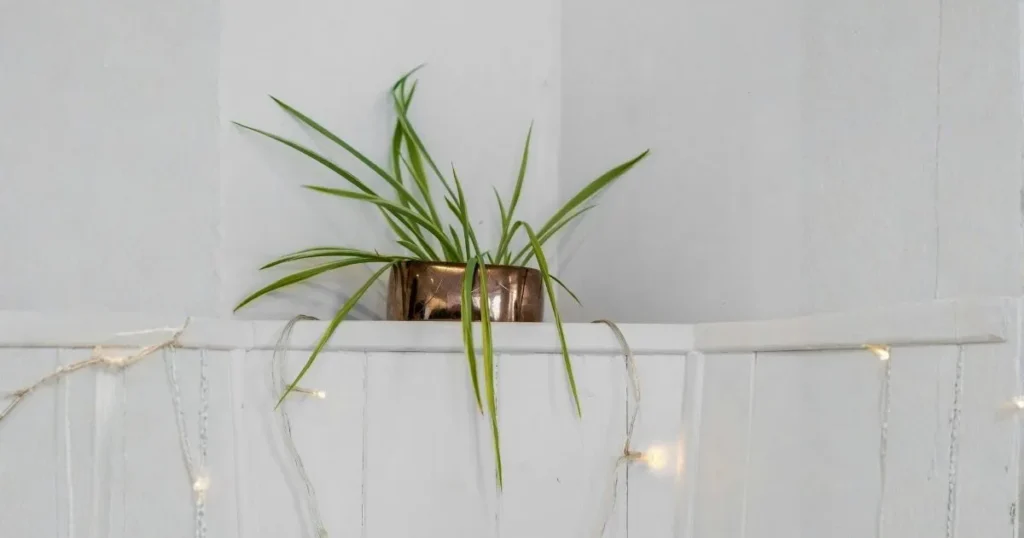
Spider plants (Chlorophytum comosum) can grow quickly in good conditions, but growth is closely tied to light and season, so faster growth in spring followed by a winter slowdown is normal, not a sign of a problem. Age plays a role too. A young, actively establishing plant often grows faster than the same plant several years later, once it has filled its space and settled into a steady rhythm. If your spider plant grew quickly in its first year or two and has since leveled off despite otherwise good care, that can simply reflect a natural shift in growth, especially if the plant still looks full and healthy.
Signs of Stunted Growth vs. Normal Slow Growth
When growth has actually stalled, you’ll notice more than one of these signs:
- No new leaf emerging from the center of the plant for several months during active growing weather.
- Leaves that have gone pale, thin, or floppy instead of staying firm.
- Soil that stays wet and heavy for days with no matching root activity.
Slower winter growth is often fine when the leaves remain firm and healthy-colored. By contrast, soft leaves, no center growth for months, or soft or unhealthy-looking roots deserve a closer look.
New Leaves vs. Babies: Different Growth Problems
No new leaves and no babies don’t necessarily mean the same thing. A plant with no new leaves has a foliage production problem, normally tied to light, roots, or moisture. A plant that leafs out well but never produces babies or runners has a separate, maturity-linked issue. Each needs to be diagnosed differently.
What does healthy new growth look like on a spider plant?
There isn’t a reliable number of leaves a spider plant should produce each month. Look instead for continued signs of active growth, such as a new leaf emerging from the center over time. Growth can slow when light levels drop or during winter. A slower pace alone isn’t enough to diagnose a problem; look for whether the plant continues producing new leaves with time.
Why Is My Spider Plant Not Growing? 10 Possible Reasons
Several conditions can interrupt new growth even when a spider plant still looks relatively healthy. Light, root health, moisture, and the growing environment are the main points to investigate.
1. Not Enough Usable Light
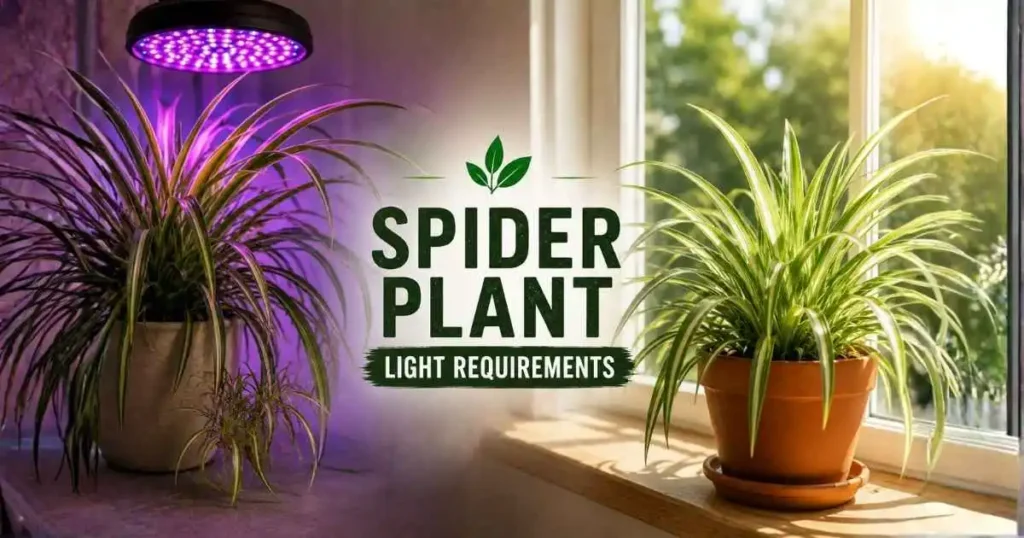
Spider plants tolerate low light well enough to survive there for years, but staying alive and producing new foliage take different amounts of light. In a dim corner, there may not be enough usable light to support new leaf production, even when the existing leaves still look fine. The light levels that support new spider plant growth are worth checking first if this pattern continues.
Look for: Leggy or sparse growth, leaves reaching toward a light source, or a plant that hasn’t changed at all despite regular watering.
What to do: Move it to medium to bright indirect light, such as a spot near an east- or north-facing window, or a few feet back from a stronger south- or west-facing one. In a dim room, a few hours a day under an LED grow light can make up the difference without the scorch risk of direct sun.
2. Overwatering and Poor Root Function
When soil stays saturated, roots lose access to oxygen and begin to decline. Damaged roots can’t support new leaf growth, regardless of how much light the plant is getting. Understanding how moisture affects spider plant growth can help distinguish a watering problem from a light or nutrition issue.
Look for: Potting mix that remains soggy long after watering, a sour smell from the pot, or lower leaves turning yellow and mushy. If you slide the plant out, healthy roots are firm and light-colored; overwatered roots are soft, dark, or slimy.
What to do: For most average indoor pots, letting the top inch or two of soil dry before watering again is a reasonable starting point. The broader goal is to let the root zone aerate between waterings, with the mix drying enough that it doesn’t remain saturated for days. So adjust for your pot size and soil mix. Let excess water drain fully, then empty the saucer so the pot isn’t left sitting in runoff.
3. Underwatering and Prolonged Dryness
Spider plants tolerate some drought, but repeated, extended dryness leaves less capacity for active growth and recovery.
Look for: Crispy leaf tips paired with stalled growth, or soil that pulls away from the pot’s edge.
What to do: Water on a more consistent rhythm and avoid letting the pot go bone-dry for long stretches, especially during the growing season.
4. An Oversized Pot
When a spider plant sits in a container much larger than its root ball, the extra soil volume holds moisture longer than the roots can use it, so the mix stays wet and the root zone gets less air. In some cases, root development continues even while visible leaf production seems slow, though this isn’t a fixed rule for every plant.
Look for: A plant that hasn’t grown despite good light and consistent watering, sitting in a pot that looks visually too large for the current root mass, with soil that stays damp longer than expected.
What to do: Once light and watering are appropriate but growth still hasn’t resumed, check pot size against the root ball. A pot around 1–2 inches wider than the roots is usually enough room.
5. Severely Crowded Roots
A slightly snug pot isn’t a problem on its own. Spider plants often grow and produce plantlets well when slightly root-bound. But there’s a difference between snug and severely crowded: once roots are circling densely or emerging from the drainage holes, they lose effective access to water and nutrients. Knowing when crowded roots start limiting growth can help you recognize when a repotting decision is actually needed.
Multiple babies in the same container can create the same problem. If several spiderettes were planted in the same container, they can crowd each other’s root space even when the pot itself isn’t oversized for the group. If growth stalled after combining a few pups into one pot, thinning to fewer plants per container is worth trying before assuming the pot size is wrong.
Look for: Roots visible through the drainage holes, roots circling tightly at the pot’s edge, or the plant drying out unusually fast after a normal watering.
What to do: Repot into a slightly larger container and loosen the outer roots gently; avoid jumping several sizes up at once.
6. Dense or Poorly Draining Soil
Watering frequency is a separate issue here. Compacted potting mix holds water around the roots regardless of how carefully you time your watering, which limits airflow to the roots.
Look for: Water that sits on the surface before slowly draining, or soil that feels heavy and stays wet well after watering.
What to do: Use a lighter mix by amending standard potting soil with perlite, coco coir, or orchid bark for better aeration. A soil refresh at the next repot helps if the current mix drains slowly.
7. Nutrient Depletion
Potting soil loses available nutrients over time in a container, particularly after repeated periods of active leaf production with no feeding or soil refresh. Check light and root health first, since either can limit leaf production on its own or interfere with how well the plant takes up whatever nutrients are present.
Look for: Pale or weak new leaves on a plant that otherwise has good light and healthy roots.
What to do: During active growth, feed monthly with a balanced liquid fertilizer diluted to about half strength.
8. Fertilizer Salt Buildup
Overfeeding causes mineral salts to accumulate in the soil, which can damage roots and slow growth. Fertilizer isn’t the only source of salt buildup, though. Tap water high in fluoride or dissolved minerals can contribute the same way over time. Already feeding lightly but still seeing this pattern? The water source is worth checking too. Our guide to spider plant brown tips covers water-quality-related buildup in more detail.
Look for: Brown leaf margins or tips, a white crusty film on the soil surface, or slowed growth despite regular feeding.
What to do: If you’re seeing crusty deposits or a feeding history heavier than monthly, run plain water thoroughly through the mix and let the pot drain completely, then cut back the fertilizer strength or frequency afterward.
9. Cold Temperatures or Winter Conditions
Growth slows as light and temperature drop. Spider plants generally do best in average indoor temperatures and start to struggle when conditions fall much below 55°F. Cold drafts, a chilly window in winter, or AC airflow can all contribute. This adaptability is part of what makes spider plants useful indoors, especially in homes with changing seasonal conditions.
Look for: Slowed or paused growth that coincides with colder months or a draftier spot, especially when the change follows a noticeable drop in temperature.
What to do: Keep the plant away from cold drafts and heating or cooling vents, and expect growth to pick back up as light and warmth return. Recovery does not need to follow a fixed schedule.
Cold isn’t the only temperature stress worth checking, though.
What if my home runs hot instead of cold — does heat stall growth too?
Yes, but not necessarily because the room is simply warm. Spider plants tolerate moderately warm indoor conditions, while prolonged temperature extremes or sudden changes can stress indoor plants. A room that becomes very hot during the day and then cools sharply when the AC runs can create repeated temperature swings, especially if the plant is also losing moisture quickly.
If your home runs hot, look at the actual temperature around the plant, its distance from the AC airflow, and whether the potting mix is drying unusually fast. These are among the potential drawbacks of growing spider plants in homes and offices when indoor conditions fluctuate significantly.
10. Adjustment After Repotting or Relocation
A pause right after repotting, moving the plant, or changing its light is often a normal adjustment to the new conditions.
Look for: a stable plant with firm leaves that simply hasn’t added new growth since the change, as opposed to one that’s declining.
What to do: give it several weeks in a stable spot before making further changes. A steady pause can be observed for now; continued decline is the signal to check the roots.
My spider plant hasn’t been repotted, so why did growth stall right after I brought it home?
Nursery-grown plants are often produced under much brighter light and higher humidity than most homes provide, so moving one home can be its own adjustment, separate from repotting. A quiet first few weeks can be a normal part of settling into new conditions.
When the leaves stay firm and nothing is worsening, keep conditions steady rather than adjusting several things at once. Yellowing linked to root stress, wilting, or root problems change the picture. At that point, check the growing conditions directly rather than assuming acclimatization is the only cause.
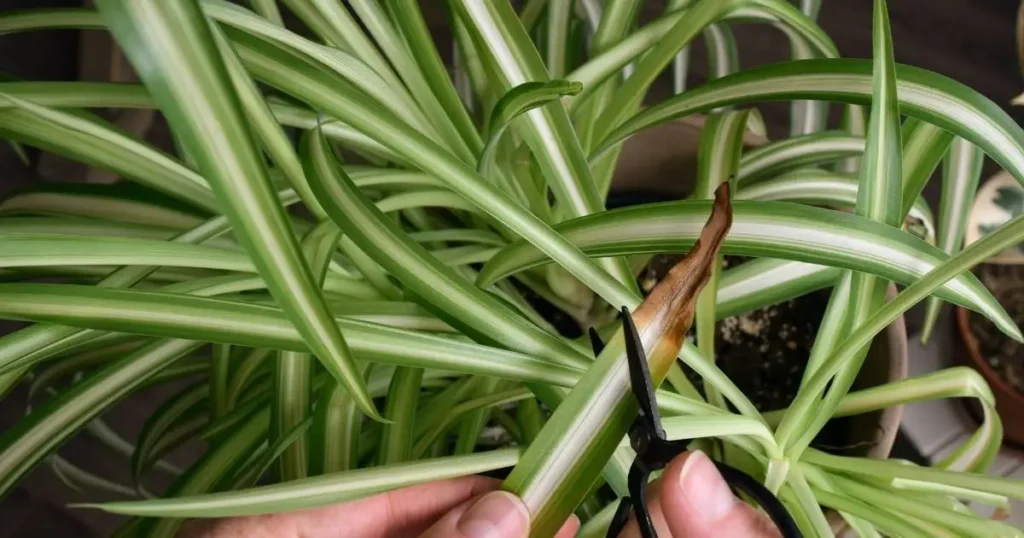
Once the main causes above have been ruled out, look closely at the leaf undersides, the crown, and the leaf bases for spider mites, mealybugs, or scale. A persistent sap-feeding infestation can quietly drain a plant’s energy and slow new leaf production even when everything else looks fine.
Why Is My Spider Plant Not Growing Babies or Runners?
A spider plant can produce healthy new leaves and still never send out a spiderette. Foliage growth and plantlet production are governed by different triggers.
Maturity
A young or recently propagated plant typically needs time and root development before it’s ready to flower and produce plantlets at all.
Flowering Readiness
Spiderettes form after the plant sends up flower stalks, and that response is influenced by day-length changes as much as general care. A well-tended plant can still be off schedule.
Leaf Growth vs. Plantlet Production
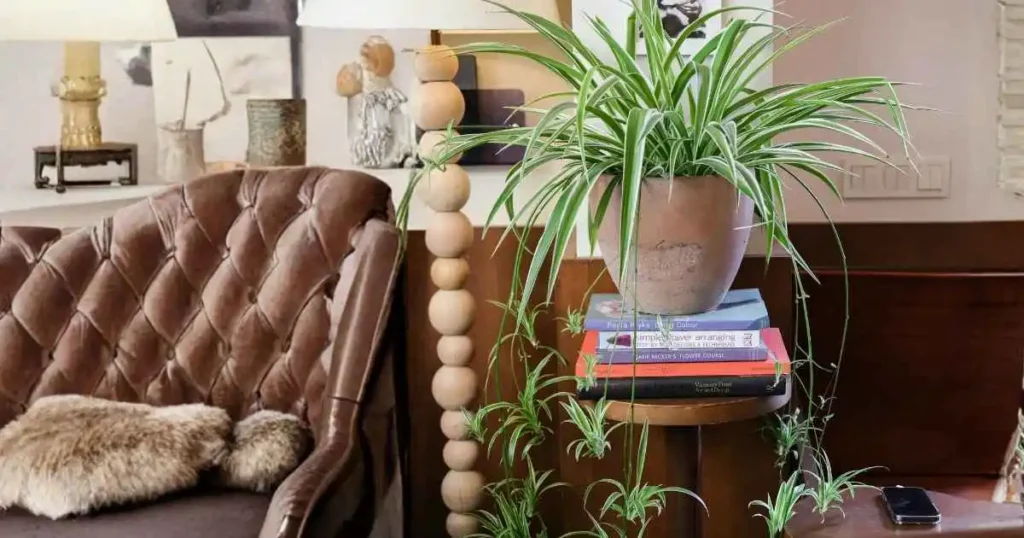
A plant putting most of its energy into foliage may simply be in a leaf-growth phase rather than a reproductive one. Is the parent plant producing healthy leaves but no runners? That’s usually a sign of timing rather than a care mistake.
Does Root-Bound Status Help?
A moderately snug pot may coincide with better flowering and plantlet production in spider plants. Making a plant severely root-bound isn’t a guaranteed way to trigger babies, though, and pushing a plant into that state for the sake of forcing spiderettes can do more harm than good if roots become too crowded to function.
Why Is My Baby Spider Plant Not Growing?
Roots Haven’t Developed Yet
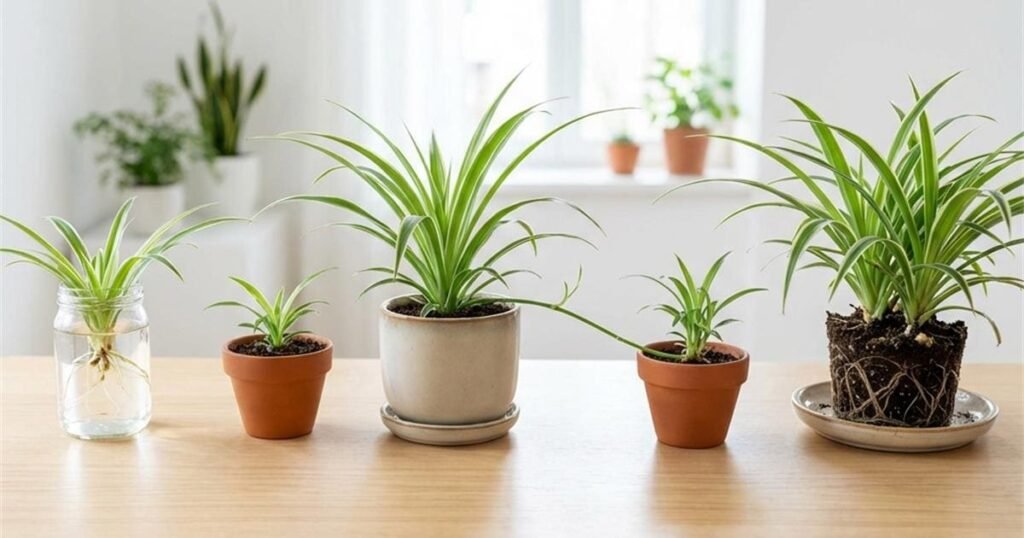
A newly separated or still-attached plantlet needs functioning roots before it can support new leaves. This stage alone can take a few weeks. The process of getting new spiderettes established can take time while the young plant develops enough roots to support new leaves.
Roots Not Forming in Water Propagation
If a spiderette has sat in water for weeks without rooting, check that only the base is submerged, not the crown, that the water is changed regularly, and that it’s getting steady warmth and indirect light.
Still Establishing After Potting Up
Even once roots appear and the baby is moved into soil, expect a quiet period before visible leaf growth resumes. A firm crown and stable appearance during this stage are good signs, even without new leaves yet.
Growing a Spider Plant in Water Changes the Diagnosis
A spider plant kept in water long-term, rather than just rooting a cutting, runs into a different limitation.
Nutrient supply. Water doesn’t offer the same range of nutrients as potting mix, so growth is often slower and weaker over time than a soil-grown plant, even when the plant survives well.
Water quality. In water that sits too long without changing, dissolved oxygen can drop and microbial growth can increase, creating a poorer environment for roots. This isn’t automatic in every water-propagated or water-grown plant, but changing the water regularly reduces the risk.
What’s actually paused. Are roots developing while leaf production looks stalled? That’s a different situation than a plant with neither roots nor new leaves, and it usually means the plant is fine, just slower to show visible growth above the waterline.
Can a spider plant live in water permanently, or does it eventually need soil?
A spider plant can survive in water for a long time, but plain water does not provide the full nutrient supply needed for sustained growth, and the roots also need enough oxygen. Long-term water culture can therefore lead to slower or weaker growth unless the plant is given appropriate nutrients and the roots remain well oxygenated. If your spider plant has healthy roots but its growth has plateaued in plain water, moving it into a suitable, well-draining potting mix can provide a better environment for continued growth.
How to Make a Spider Plant Grow Faster
Once you’ve ruled out the causes above, here’s the order to work through if you want to speed things up:
- Confirm it’s an active growing period. Pushing for faster growth in the middle of winter usually isn’t realistic.
- Improve the light first. Light limits leaf production directly, and it’s usually the easiest condition to change without disturbing the roots.
- Check root health, drainage, and pot fit. A plant with root problems won’t respond well to feeding until this is sorted.
- Stabilize watering. Aim for consistent moisture rather than swinging between soggy and bone-dry.
- Feed only if the plant is otherwise healthy. Fertilizer speeds up a plant that’s already doing well; it doesn’t fix a struggling one.
- Give recently repotted or propagated plants time. Chasing faster growth right after a disruption tends to backfire.
Trimming brown, dead, or overly leggy growth doesn’t directly cause faster growth, but it does stop the plant from putting any energy into tissue that’s no longer productive, which can make new growth easier to spot as it appears. Good conditions for healthy spider plant growth matter more than pushing a struggling plant with extra fertilizer.
Quick Troubleshooting Checklist
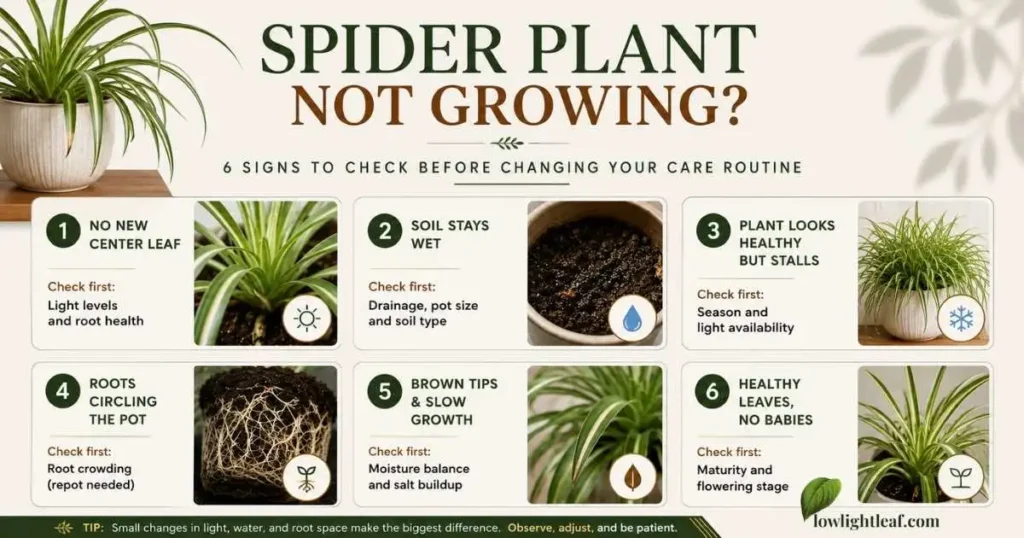
When Should New Growth Return?
Recovery time depends on the cause. A plant limited mainly by light tends to respond sooner once it’s moved. Recovery from root damage generally takes longer, since roots typically need to recover before visible leaf growth catches up. A recently repotted plant may pause while roots adjust, and a propagated spiderette needs functioning roots established before it can sustain new leaves.
Watch the plant instead of the calendar. A new leaf emerging from the center, roots beginning to develop, or the plant simply holding steady are all good signs, even before a new leaf fully unfurls.
FAQs About Spider Plant Not Growing
Why is my spider plant not growing but not dying?
This usually points to a stable plant that’s under-resourced, most often from insufficient light, a root-zone issue, or a seasonal slowdown, rather than one in active decline. Firm leaves and healthy roots are a good sign it will recover once conditions improve.
Do spider plants stop growing in winter?
Growth often slows significantly or pauses in colder, lower-light months. This is a normal seasonal response, and growth typically picks back up as light and warmth increase.
Why is my curly spider plant not growing?
Curly, or Bonnie-type, spider plants have the same basic requirements as standard spider plants, but their compact, curled form naturally looks denser and slower-growing even when healthy. Compare its progress to its own past growth rather than to a standard variegated plant.
Do spider plants need nitrogen to grow?
Nitrogen supports leaf growth, which is why a balanced fertilizer helps during the growing season. A nitrogen shortfall should be considered alongside other signs, though, not assumed just because growth has slowed.

Ellie Marsh
Houseplant grower who spent years in a north-facing apartment. Writes practical care guides for low light homes, checked against extension and botanical garden sources.
Explore more: