To make a terrarium, wash a clear glass container, add about half an inch of horticultural charcoal and 2 to 4 inches of soil, set in small, slow-growing plants, and water with a mister. Those depths come from University of Minnesota Extension, which calls the old pebble layer optional.
Everything else about how to make a terrarium comes down to two choices. Will the jar get a lid, and will you put gravel under the soil? Extension services split on the gravel, so below you’ll find what five sources say about each layer, set side by side, with my own call at the end of every row.
Open or closed terrarium: decide first
Start with an open terrarium unless you specifically want a sealed jar of moss or ferns. Oregon State University Extension recommends open containers for beginners, because a closed jar traps humidity that can lead to disease or algae.
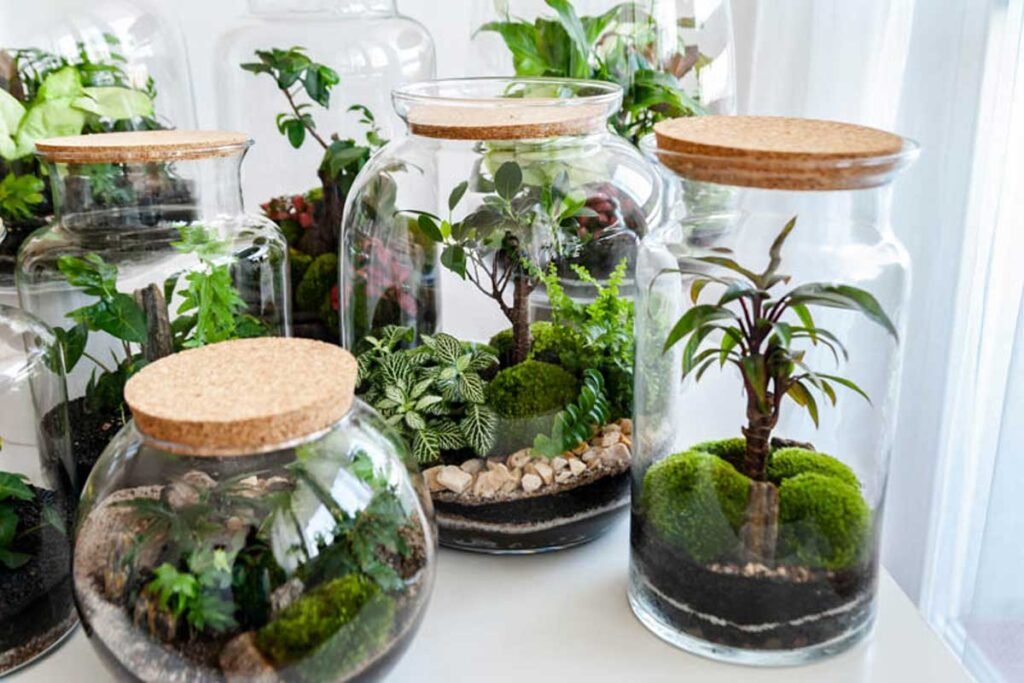
Penn State Extension adds that open terrariums and dish gardens are easier to create and can hold almost any plant. A closed jar is the opposite trade. It suits plants that like steady humidity and lower light, which Minnesota lists as ferns, pilea, peperomia and moss, and once its water cycle settles it needs very little care.
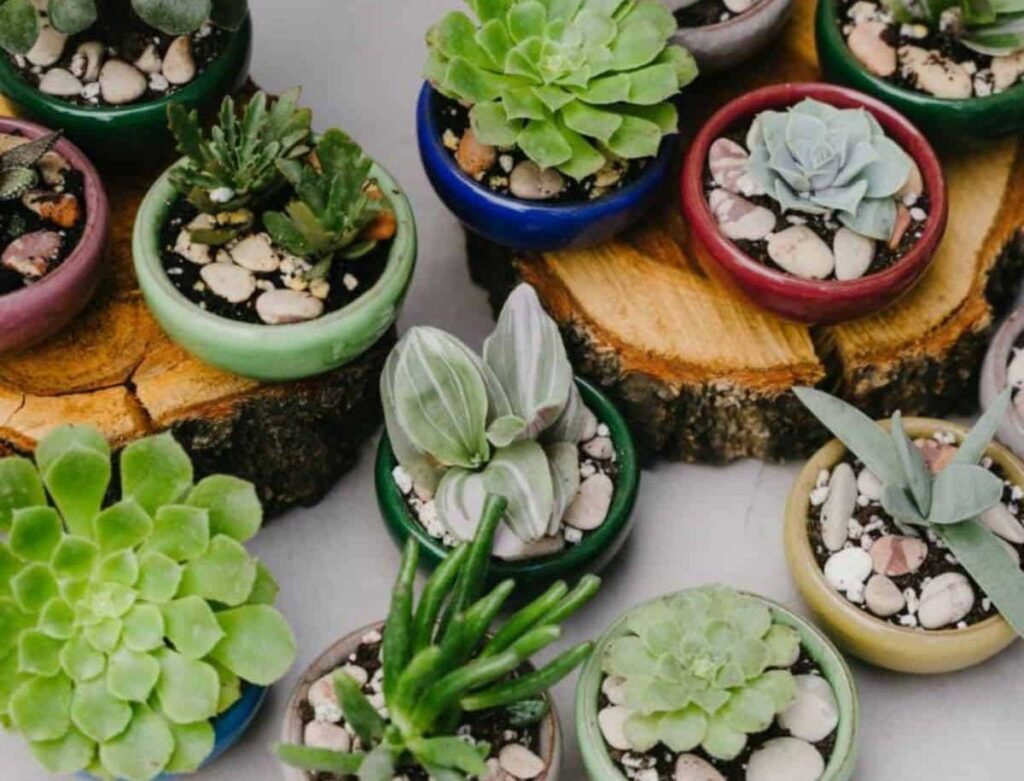
- Open jar: succulents, cacti, African violets and begonias. Moisture escapes, so Minnesota says it needs more regular watering.
- Closed jar: moss, small ferns and other humidity lovers. You water rarely and watch the glass instead.
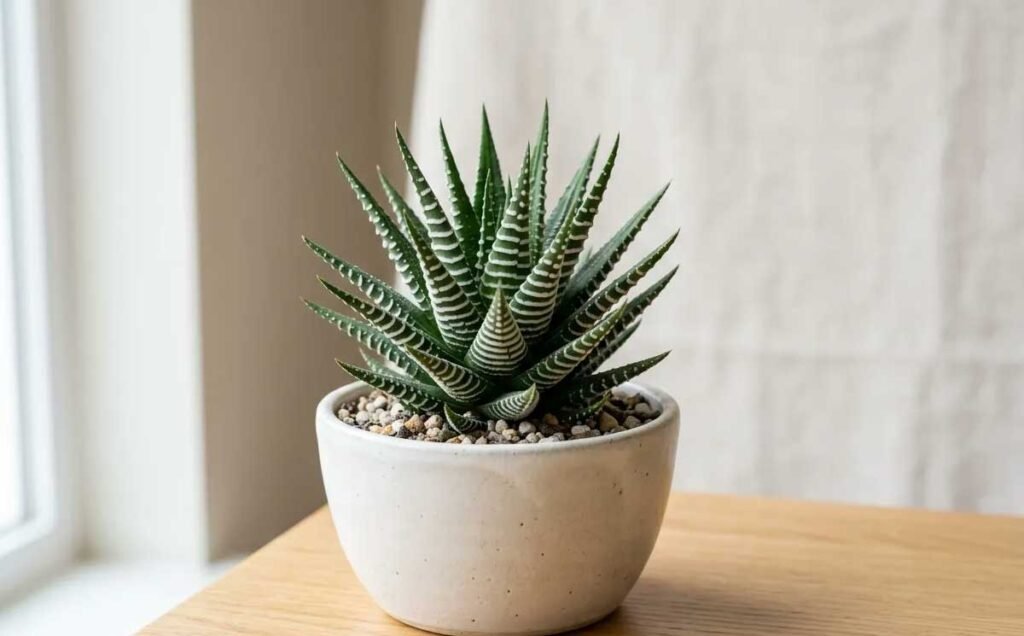
Succulents and cacti belong in the open group only. Penn State says they don’t make good closed terrarium plants, and Oregon State suggests a container with a wide opening to keep humidity low around them. If you’re still choosing plants, start with plants that suit a closed terrarium, or with succulents that cope with low light for an open jar in a dim room.
Terrarium layers, from the bottom up
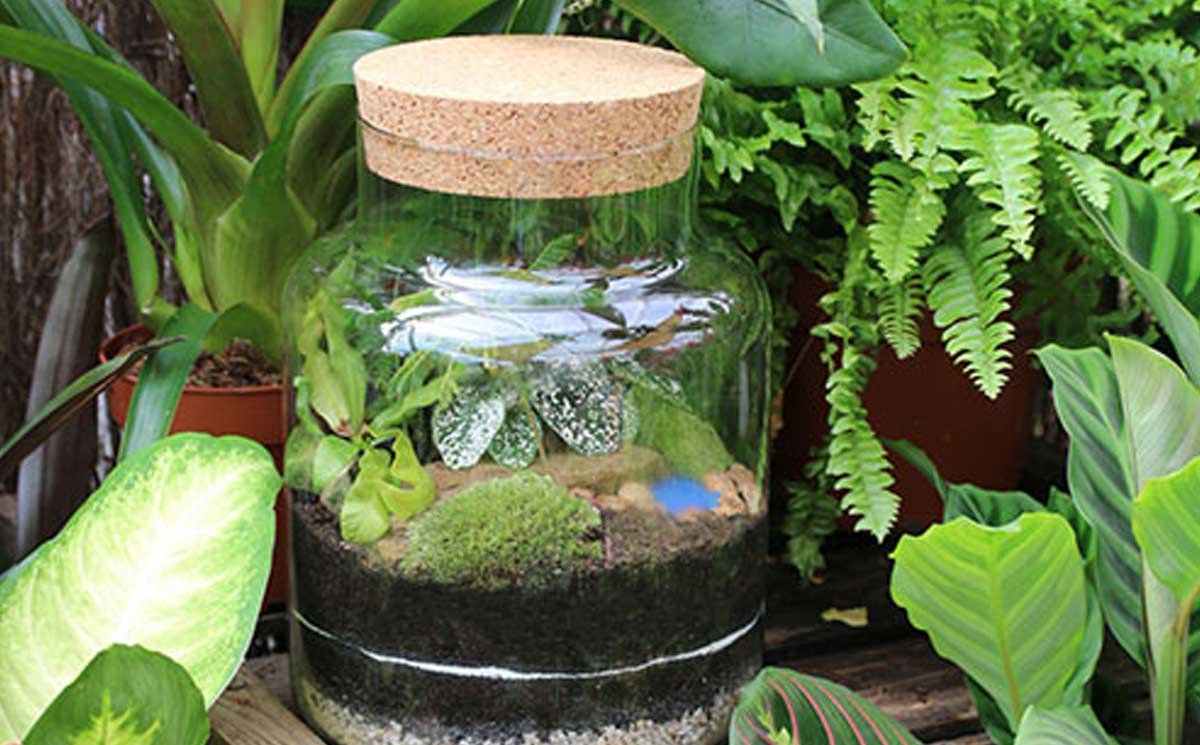
Every recipe stacks the same few materials, but the depths differ and one layer is disputed. Here is what five sources say, bottom layer first, with my call for open and closed jars in the last two columns.
| Layer | What the sources say | Open jar | Closed jar |
|---|---|---|---|
| Pebbles or gravel | Vermont Extension: 1 to 2 inches of coarse gravel. PHS: 2 inches. Minnesota: 1 inch, “if desired”. Oregon State: skip it. Penn State: no longer thought to improve drainage. | Skip in a small jar | Skip, or 1 inch at most in a deep jar |
| Charcoal | Minnesota: half an inch. Oregon State: 1 to 1½ inches. PHS: a quarter to half an inch. Vermont: a thin layer. Penn State: a handful or two. | About ½ inch | About ½ inch |
| Moss divider | PHS lays sheet moss over the stones so soil doesn’t sift down into them. | Only with gravel | Only with gravel |
| Soil | Minnesota: 2 to 4 inches. Oregon State: 3 to 4 inches of soilless mix. Vermont: 2 to 3 inches of light mix with perlite or vermiculite. Penn State: sterile soilless mix, low fertility. | 2 to 4 inches; cactus mix for succulents | 2 to 4 inches of soilless mix |
| Top layer | Vermont: sand, gravel, aquarium stone or living moss. Oregon State: small decorative rock, kept thin near plant crowns. | Optional | Moss works well |
Do you need a drainage layer?
Usually not in a small jar. A terrarium has no drainage hole, so water that sinks into gravel just sits there under the soil. Minnesota Extension says pebbles create a perched water table that could lead to root rot, and Oregon State warns that a bottom layer of stones can let water pool.
Vermont Extension takes the other side. It says the gravel provides necessary drainage because the container has none, and PHS starts with 2 inches as well. Both sides start from the same fact, that the water has nowhere to leave, so gravel only buys you a reservoir below the roots while it eats root room in a shallow jar.
So I’d skip it.
Water with a mister instead, and keep the pour small. If you’ve already bought a kit that came with a bag of pebbles, use one thin layer in a deep container, put moss over it so the soil stays put, and watch the bottom of the glass. A band of standing water down there means you’ve poured more than the plants can use, and PHS’s rule for open jars is to stop the moment water starts to collect at the bottom.
Nine steps from empty jar to planted
PHS says you can build a terrarium in under an hour once the materials are laid out, and how to build a terrarium well is mostly about doing the layers in order. Gather these first.
- A clear glass container you can reach into. Oregon State and Minnesota both suggest thrift stores.
- Horticultural or activated charcoal, sold at garden centers.
- Soilless potting mix, or cactus mix for succulents.
- Small plants with similar light and water needs. Oregon State puts tiny terrarium plants at about $5 each, so pick carefully.
- A long spoon, a chopstick and a spray bottle.
- Optional: pebbles, moss, small stones or decorations.
- Wash and dry the container. Penn State also wants clean hands or gloves, because a humid closed jar is an ideal breeding ground for pests and pathogens.
- Add pebbles only if you’ve decided to. One inch at most, and only in a deep container.
- Spoon in about half an inch of charcoal. Lower the spoon close to the bottom, since charcoal dust clings to the glass.
- Add 2 to 4 inches of soilless mix. PHS keeps the whole base to between a quarter and a third of the container’s height, so plants have room above it.
- Plan the layout outside the jar. Vermont suggests arranging the plants on a plate or a sheet of paper the size of the planting area, taller plants behind shorter ones.
- Plant the biggest one first. Kew starts there. Take it out of its pot, loosen the roots, dig a hole with the spoon and firm the mix around it with the chopstick.
- Leave a gap at the glass. Vermont and Kew both warn against crowding plants against the walls, and leaves that touch the glass are the ones Penn State says to prune later.
- Finish the surface. Moss, sand or small stones all work; Oregon State keeps the layer thin near plant stems.
- Water lightly and decide on the lid. Vermont waters by misting or a few spoonfuls, then the lid goes on or stays off.
Two mistakes sink most first jars: too much water and direct sun. Minnesota’s master gardener says overwatering a closed jar “can lead to a sludgy disaster,” and Vermont warns that glass magnifies sunlight and overheats everything inside.
Moss terrarium: the simplest closed jar
A moss terrarium is the easiest sealed jar to keep alive, because moss likes exactly what a lid creates. Penn State Extension says moss, lichen and ferns thrive on moisture and in dim settings.
Build it the same way and keep the lid on. Oregon State points out that live moss needs more water than most terrarium plants, which is why it suggests preserved moss for open designs, where the jar dries out between waterings. For a living closed jar, Kew suggests raking the shady parts of your own garden, where moss tends to grow on its own, and using what comes up. My backyard is mostly shade, so that’s where I’d look before buying any, and the same goes for anyone with a north-facing patch of lawn or a damp corner by a fence.
The first month: water, light and the fog test
Water an open terrarium when the mix is dry to your first knuckle, and a closed one only when the fog on the glass stops. Oregon State Extension gives the finger test, and Penn State Extension says healthy condensation looks like a light fog.
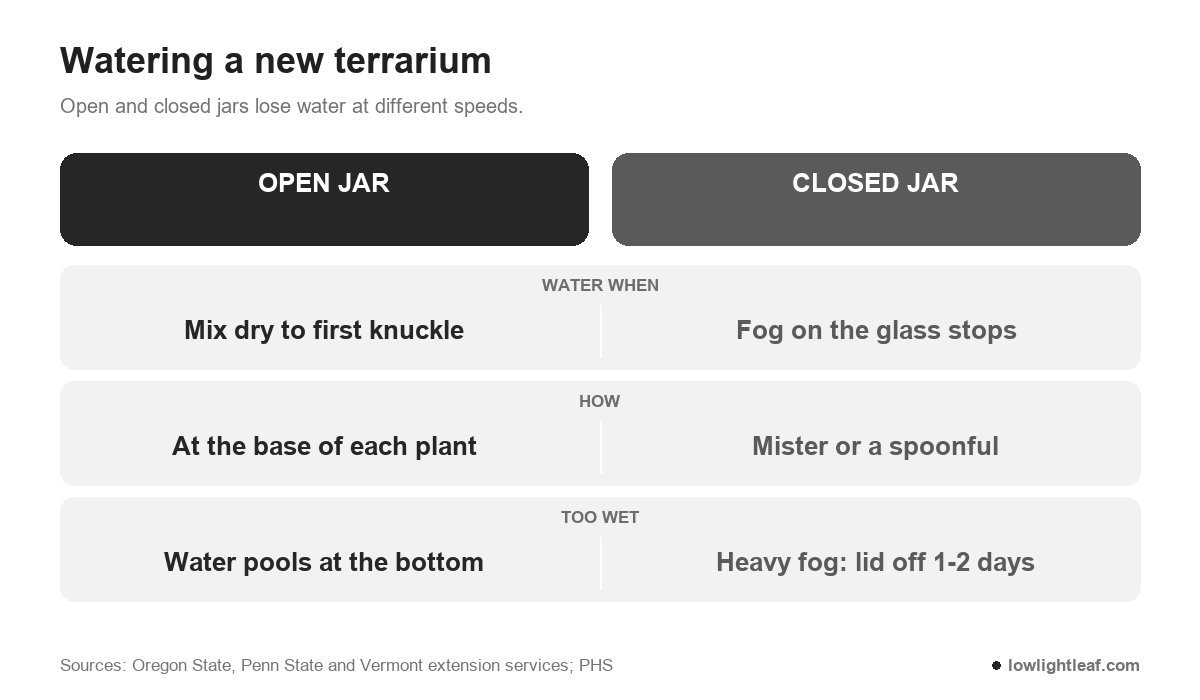
For an open jar, Oregon State waters once a week or less and aims at the base of each plant. It also says to skip fertilizer if you want the plants to stay small longer, which in a jar you usually do.
For a closed jar, heavier condensation means too much water, and Penn State takes the lid off for a day or two. Vermont opens it briefly when moisture builds up on the glass. With a very tight lid, Penn State says watering may be needed only once every four to six months. Look at the jar daily for the first few weeks, since Penn State says that’s when diseases typically take hold; a fuzzy or rotting leaf comes out right away.
Light matters as much as water. Put the jar in bright, indirect light, never direct sun; Oregon State says many terrariums do well in an east window. I lived with only a north-facing window for years, and in light that dim a closed jar of moss or small ferns is the realistic choice.
FAQ: questions on how to make a terrarium
What should you not put in a terrarium?
Keep succulents and cacti out of closed jars, and skip fast-growing plants, colored glass and regular fertilizer. Penn State recommends small, slow-growing or dwarf plants and says colored glass doesn’t let enough light through. Oregon State skips fertilizer to keep plants small.
What are common terrarium mistakes?
The usual mistakes when you learn how to make a terrarium are overwatering, direct sun and plants too big for the container. PHS calls overwatering the most common one. A plant that outgrows the jar crowds its neighbors, which is why Vermont says to choose plants that are naturally small or can be pruned to stay small.
How long does a terrarium last?
With proper care, a terrarium can last many years, Minnesota Extension says. The plants inside won’t all last that long. Oregon State’s horticulturist calls them fleeting beauties that eventually need replacing, so plan on swapping a plant now and then while the jar itself carries on.

Ellie Marsh
Houseplant grower who spent years in a north-facing apartment. Writes practical care guides for low light homes, checked against extension and botanical garden sources.