Last updated on November 20, 2026
The choice between perlite vs vermiculite in a dim room comes down to one thing: which amendment keeps air in the pot after you water. Perlite is volcanic glass expanded at 1,400 degrees Fahrenheit, and it holds three to four times its weight in water while still opening air pores between granules. Vermiculite suits seed trays and cuttings, where a medium should stay damp between visits.
Perlite is the default for a plant that lives in the same pot in a room without direct sun. Add enough that water leaves the drainage hole within a few seconds of pouring, then stop. Vermiculite earns its place in a seed tray, a propagation box, or a pot you cannot reach for a week, and it is the wrong addition for a snake plant, a ZZ plant, or anything already sitting wet.
Perlite vs Vermiculite at a Glance
Both are minerals heated until they pop, and both end up light enough to bulk out a potting mix. Six differences matter at the potting bench.
- Made from: perlite is crushed volcanic glass, expanded at 1,400 degrees Fahrenheit; vermiculite is a mica-like mineral, expanded at 2,000 degrees and growing as much as 8 to 30 times its original size.
- Water: perlite holds three to four times its weight in water; vermiculite has excellent water-holding capacity.
- Air: perlite adds air porosity to a mix; vermiculite flakes pack tighter as they compress.
- Nutrients: vermiculite carries a cation exchange capacity, so it holds nutrient ions at the surface; perlite is credited with none.
- Shape over time: perlite granules stay rigid; vermiculite loses structure in a pot that is never repotted.
- Grade: horticultural grade for both. Construction grades have been treated with materials that can be toxic to plants.
Six lines settle most of the choice. What they do not settle is why the drainage advice holds, and that decides whether it fits your pot.
The Drainage Difference Is Not Absorbency
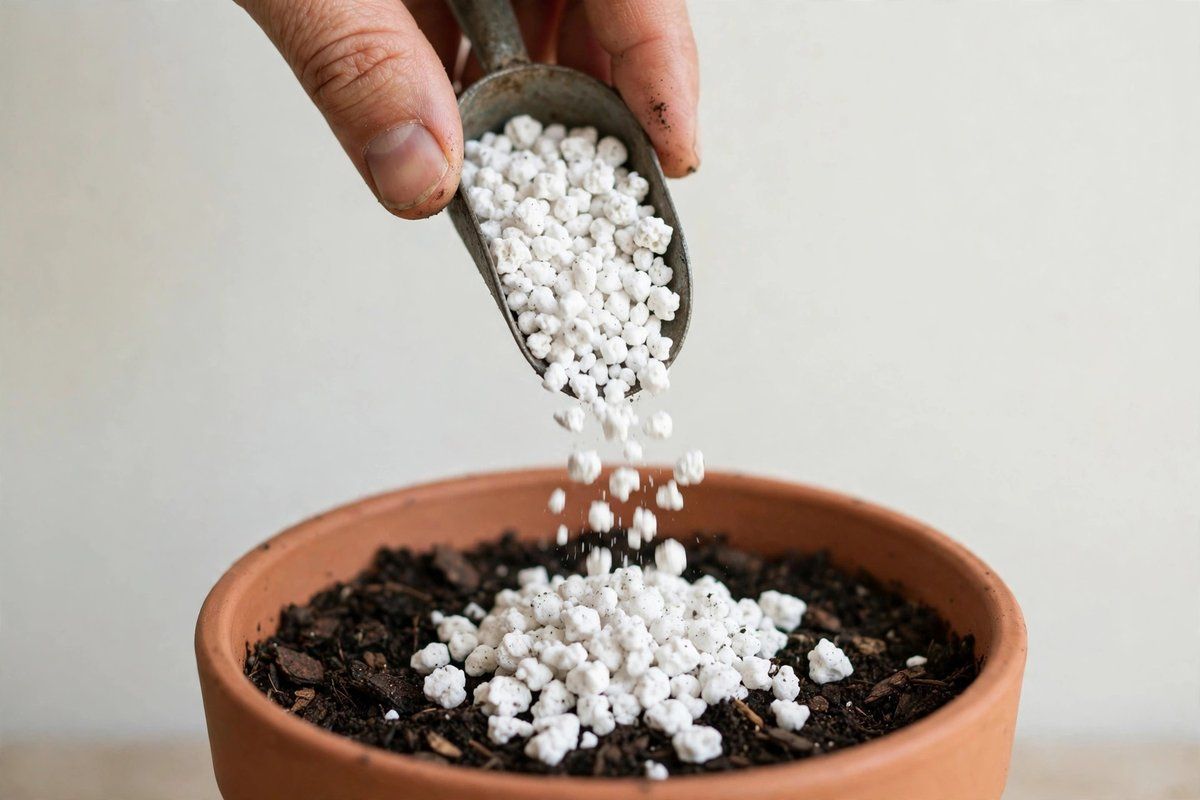
Perlite is sold as the drainage amendment, and it does hold three to four times its weight in water, according to the University of Florida’s substrate guide. A granule that absorbs that much is not letting water run straight through. It holds the water and keeps its shape, so the spaces between granules stay open and the surplus drains away.
Vermiculite holds water as well, and the same guide calls its water-holding capacity excellent. Wet mix is where the two diverge. Vermiculite flakes compress over time, and the guide names that compression as the material’s major drawback, because a flattened flake stops doing the job it was added for.
One keeps a rigid granule, and the other gives way as a flake. In a pot, that shape decides how much oxygen reaches the roots, and it counts for more than the volume either material absorbs.
What Vermiculite Does Better, and Where It Stops
Vermiculite’s advantage is not only water. The mineral carries a cation exchange capacity, meaning it holds nutrient ions at its surface and releases them to roots, and the Florida guide lists that property next to its water holding.
That combination earns its keep in a medium that has to stay damp and feed something small: a seed tray, a tray of cuttings, a seedling being potted on. Germination uses the finest grade.
In a pot that stays where it is, the advantage fades. Flakes compress, the layer holds less air than it did in its first year, and a mix that started loose ends up dense around the roots.
A Dim Room Changes the Answer
Water leaves a pot by two routes: through the plant, and off the surface of the mix. In a room without direct sun the plant transpires slowly, so the first route is small, and a mix that holds more water keeps the root zone wet for longer than the same mix would in a bright window.
Roots need oxygen. A root zone that stays saturated pushes air out of the pore spaces, and the roots sitting in it begin to fail. Yellowing that starts at the bottom of the plant usually shows it later, sometimes with a stem that gives when you nudge it.
The test takes a minute, and I run it before I repot anything. Water the pot the way you normally do and watch the surface. If water stands on top for more than a moment before it sinks in, the mix is dense enough and perlite is the addition it needs. If it runs through and the pot feels light the next day, the mix is doing its job.
I spent years in a north-facing apartment learning this one plant at a time. None of the pots that rotted were the ones that dried out too fast. They were the ones where I had added something to hold water because I was afraid of underwatering.
Container growers arrive at the same place from the other end of the country. One thread on potting mix settled on perlite for a simple reason.
“Figs like well draining soil. I personally like perlite. Pine bark fines, and compost. Dunno why people use vermiculite when compost and other organic material holds water well enough.”
– r/Figs, 5 upvotes
A fig in a warm room and a pothos in a dim one are different problems, and the fig grower’s climate gives that mix more drying power than a shaded corner ever will. Low light makes that logic hold harder, not softer.
Which Mix for Which Pot
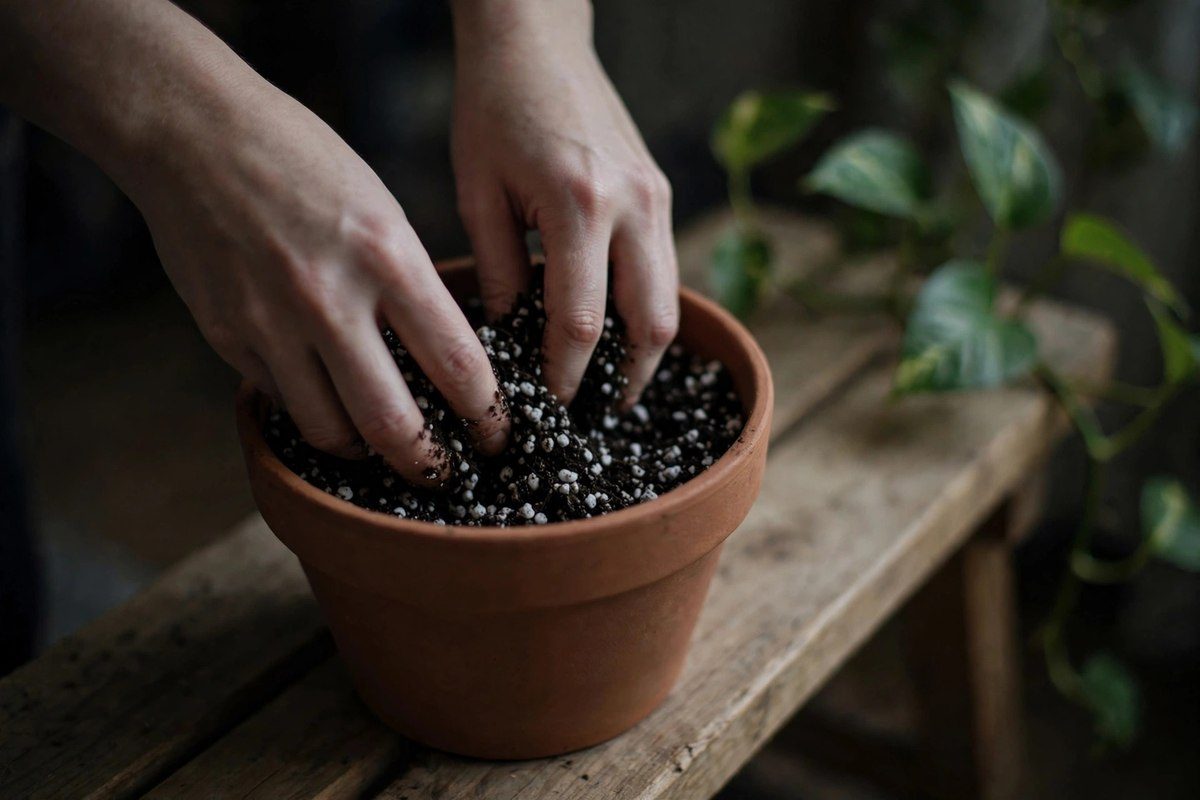
Perlite vs vermiculite matters less than the texture you end up with, and amounts depend on the mix you start from. Aim for a mix that falls apart when you squeeze a handful and holds its shape only loosely. I keep a bag of each, and the vermiculite comes out for trays and nowhere else in winter.
- Seed tray: fine-grade vermiculite, spread thin over the surface after sowing. It keeps the top damp without burying the seed.
- Cuttings: perlite on its own, kept damp, or half perlite in a light mix. Roots need air as much as moisture at this stage.
- Low-light tropical in a large pot: a generous handful per pot, worked through the whole root zone. Pothos is the usual case, and the pothos soil breakdown covers what the mix should hold.
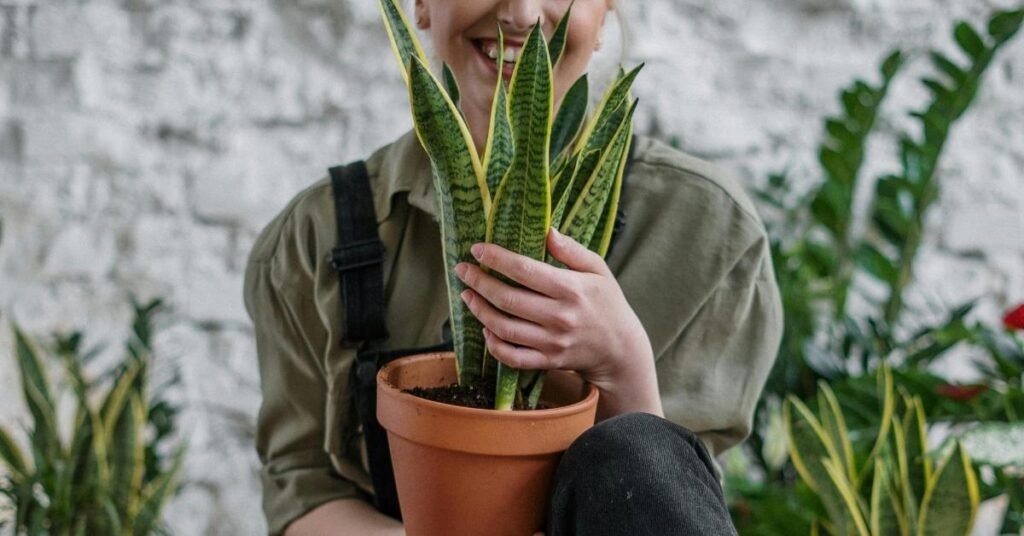
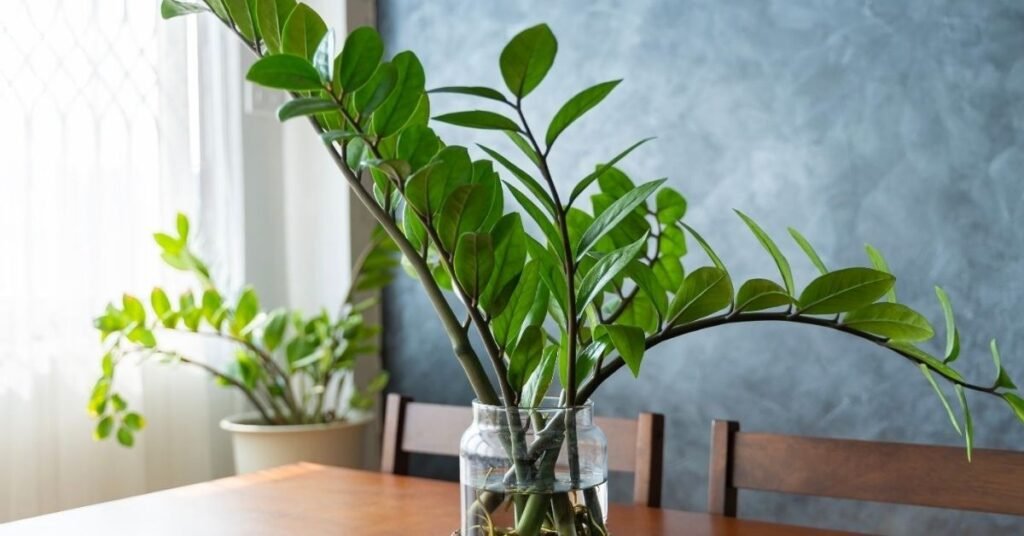
- ZZ plant or snake plant: perlite in the majority, with just enough organic matter to hold the mix together. The ZZ soil mix has the proportions, and if the plant needs a new pot rather than an amendment, repotting a snake plant covers the sequence.
- Fern or calathea that dries out too fast: a small amount of vermiculite through the mix. It buys a day or two between waterings.
Can you use both in the same mix?
Yes, and a blend often beats either one alone. A mix takes the perlite vs vermiculite question off the table. Perlite keeps the structure open while vermiculite buffers moisture, which suits a plant that wants even moisture but still needs air at the roots. Keep the vermiculite as the smaller share in a dim room, and add more perlite if the mix holds water longer than a day.
Grades, Dust, and the Asbestos Question
The word vermiculite turns up in asbestos warnings, and the link is real but narrow. EPA records put the source of more than 70 percent of all vermiculite sold in the United States between 1919 and 1990 at a mine near Libby, Montana, where the ore carried an asbestos deposit. That material went into wall and attic insulation, often sold as Zonolite. The warning covers insulation in a building, not the bag of horticultural grade at a garden center.
Grade is the distinction that matters at the potting bench. Florida’s substrate guide warns that construction grades have been treated with materials that can be toxic to plants, and names horticultural grades as the ones to use. A bag sold for plants is the right one. Granules sold for insulation are not.
Dust is the plainer hazard, and it is the one you can control. Perlite’s dry dust irritates a throat and lungs, and both bags throw dust when poured. I wet the surface of the bag before I scoop, work over a bowl or outdoors, and wear a mask when I am filling several pots at once.
Perlite vs Vermiculite: Three Things People Ask
When should you not use perlite?
Skip it in a seed tray or a closed propagation box, where the medium has to stay damp for days, and in a mix for a plant that dries out faster than you can water it. Perlite’s open structure loses water quickly, which is an asset in a dim room and a problem in a tray of germinating seed. The perlite vs vermiculite call only matters in a mix a plant lives in for months.
Which houseplants do not like vermiculite?
Snake plants, ZZ plants, most succulents, and any tropical overwintering in a dim room. A wet root zone does all of them damage, and vermiculite lengthens the time the mix stays wet after watering.
What are the disadvantages of perlite in potting soil?
It holds no nutrients, it floats and works its way to the surface over a season, and it dries faster than vermiculite. The dry dust also irritates a throat and lungs, so it needs wetting before you mix it.

Ellie Marsh
Houseplant grower who spent years in a north-facing apartment. Writes practical care guides for low light homes, checked against extension and botanical garden sources.