
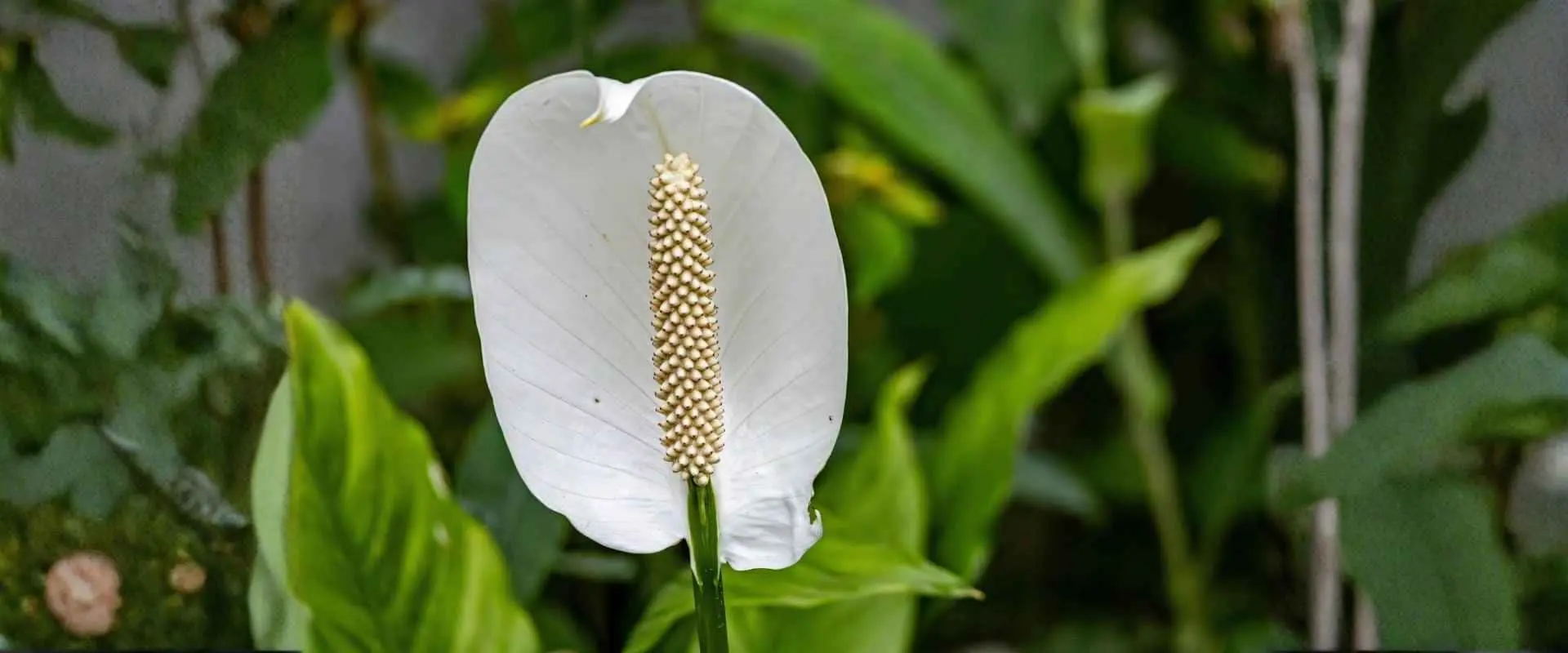
Peace Lily Plant: Complete Guide, Varieties & Resources
Peace lily (Spathiphyllum) is one of the most rewarding indoor plants you can grow, but success comes from understanding more than just the basics.
Growing a healthy peace lily involves understanding multiple topics, from watering and light requirements to repotting, propagation, and troubleshooting common plant problems.
This Peace Lily hub brings together all of our peace lily resources in one place, covering everything from early setup and ongoing maintenance to diagnosing why leaves change color or why the plant loses its shape. If you’re trying to figure out whether this plant fits your home, your schedule, or your light situation, this page is where you start. Everything you need, from what the plant actually is to which variety suits your space, is organized right here.
Why People Keep Choosing Peace Lily Indoors
Out of all the flowering houseplants sold in nurseries, peace lily ends up in low-light rooms more often than many other options. That’s not a coincidence; it’s one reason the plant gets recommended over and over for offices, bedrooms, and indoor spaces where many flowering plants may struggle.
The tradeoff is that it needs steadier attention than a plant like snake plant or ZZ plant, which can forgive longer periods of neglect. Peace lily is quick to show when something is wrong: drooping, discoloration, or reduced blooming are its way of showing that something needs attention before more serious damage sets in.
To learn more about the plant’s origin, botany, and how it earned its name, our peace lily care guide explains these topics in more detail.
Peace Lily Quick Facts
| Feature | Details |
|---|---|
| Botanical Name | Spathiphyllum |
| Plant Type | Tropical Evergreen Perennial |
| Light Requirements | Bright Indirect Light |
| Water Needs | Keep Soil Slightly Moist |
| Humidity | Moderate to High |
| Soil Type | Well-Draining Potting Mix |
| Growth Size | 1–4 Feet Indoors |
| Toxicity | Toxic to Cats and Dogs |
Is a Peace Lily the Right Plant for You?
Not every popular plant suits every household, so it’s worth being honest about where the peace lily actually fits.
Think about your daily routine before your decor. A peace lily doesn’t need much space, and it settles into bedrooms, home offices, and living rooms without much fuss. But it does need someone who’ll notice when the soil dries out and respond before the plant stays dry for too long.
Once it’s growing, here’s roughly what you’re signing up for:
- Watering becomes a regular habit rather than a once-in-a-while afterthought.
- Every year or two, the roots fill the pot and it’s time to size up.
- Once the plant is mature and clumping, you can split it into new plants for free.
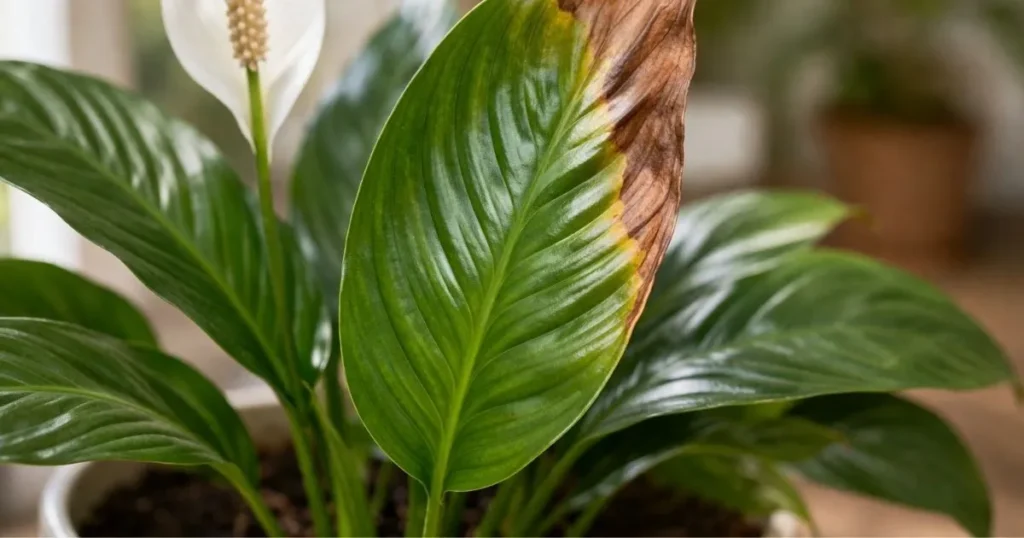
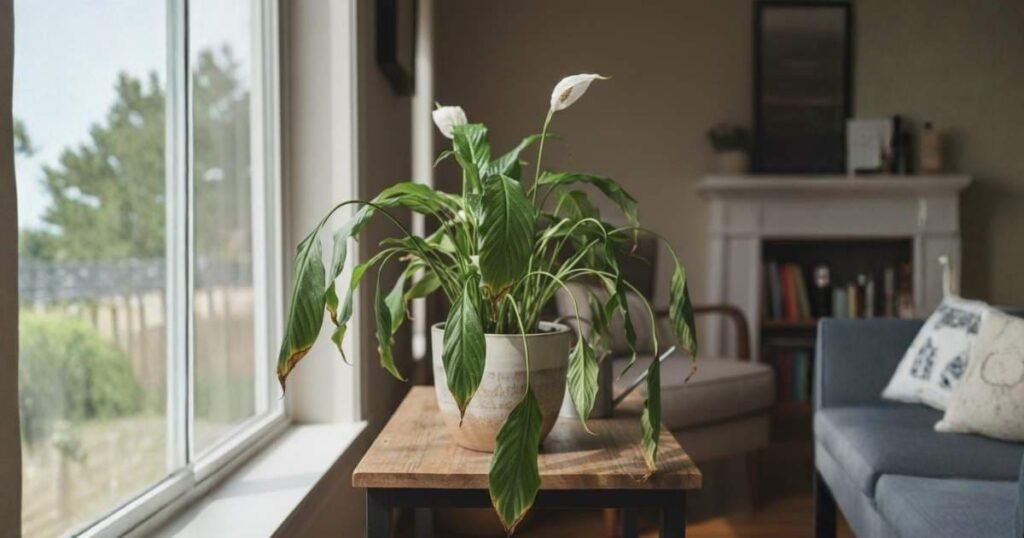
- Drooping, yellowing leaves, or brown tips aren’t random. They’re the plant telling you something specific is off.
None of that is difficult, but it does mean checking in regularly rather than setting and forgetting it. The guides below cover each of these stages in detail, so you can jump to whichever one you’re dealing with right now.
Which Peace Lily Variety Should You Pick?
A common mistake when buying a peace lily is grabbing whichever one the store has in stock, then wondering months later why it’s outgrown the shelf or barely blooms. Picking the right variety upfront can save you a repotting headache later.
Start with the question that actually matters: how much floor or shelf space can you dedicate to this plant once it’s mature, not just when you bring it home?
If you have a desk, shelf, or tight corner (under 15 inches at maturity): Look for a compact cultivar like ‘Power Petite’ or ‘Wallisii’. These stay relatively small by nature, so they’re easier to fit into tighter indoor spaces.
If you want a mid-size floor plant (around 2–3 feet): Look for a cultivar expected to mature within that range. This size works well in many living rooms without taking over the space.
If you have a spacious room and want a statement piece (up to 6 feet): A larger cultivar like ‘Sensation’ is worth considering. It’s one of the largest peace lily types and can develop into a substantial indoor plant, so make sure you have enough room for its mature size.
If blooming matters more than size to you: Some cultivars can flower more generously than others. ‘Starlight’, for example, is known for producing multiple flowers at once. If you’ve had a peace lily before that barely bloomed, the variety itself may have been part of the issue, not just your care routine.
If foliage is the priority over flowers: Look beyond the standard deep-green types. Cultivars such as ‘Golden Delicious’ produce golden-green new foliage that gradually deepens in color, giving you something different even when the plant isn’t blooming.
One practical tip: cultivar names aren’t always obvious on nursery tags. If mature size or flowering habits matter to you, check the tag carefully or ask the seller which cultivar you’re buying. Two peace lilies can look quite similar when young but grow very differently as they mature.
Explore Our Peace Lily Plant Guides
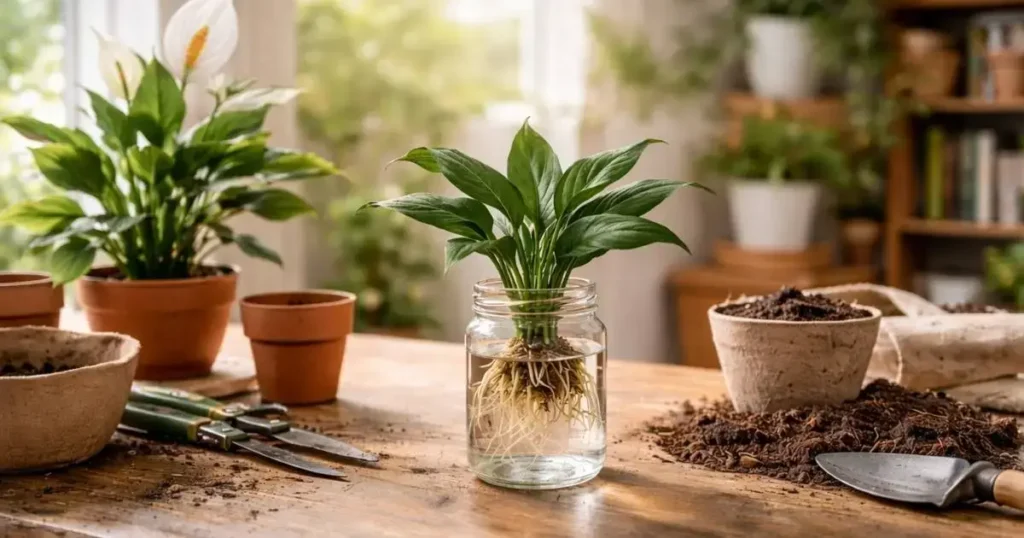
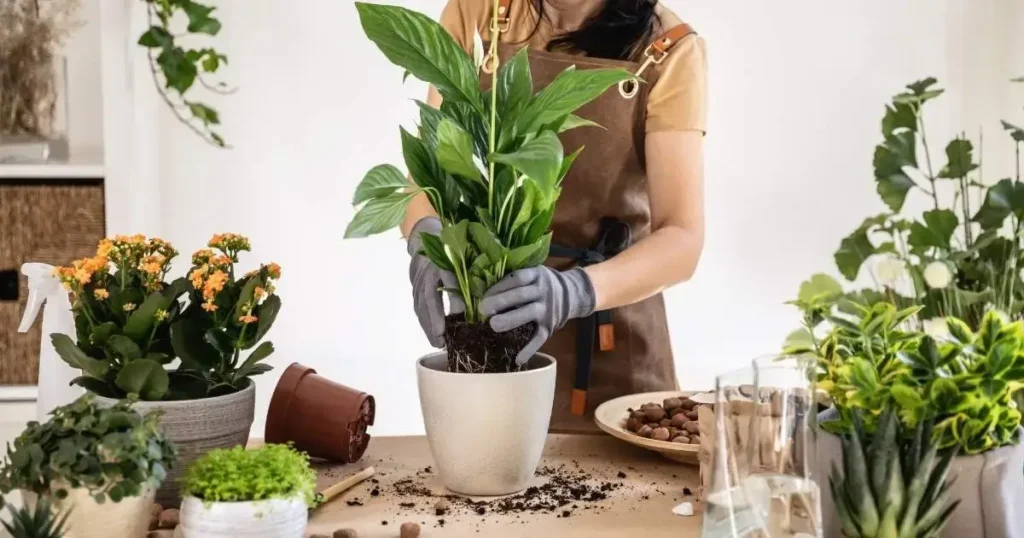
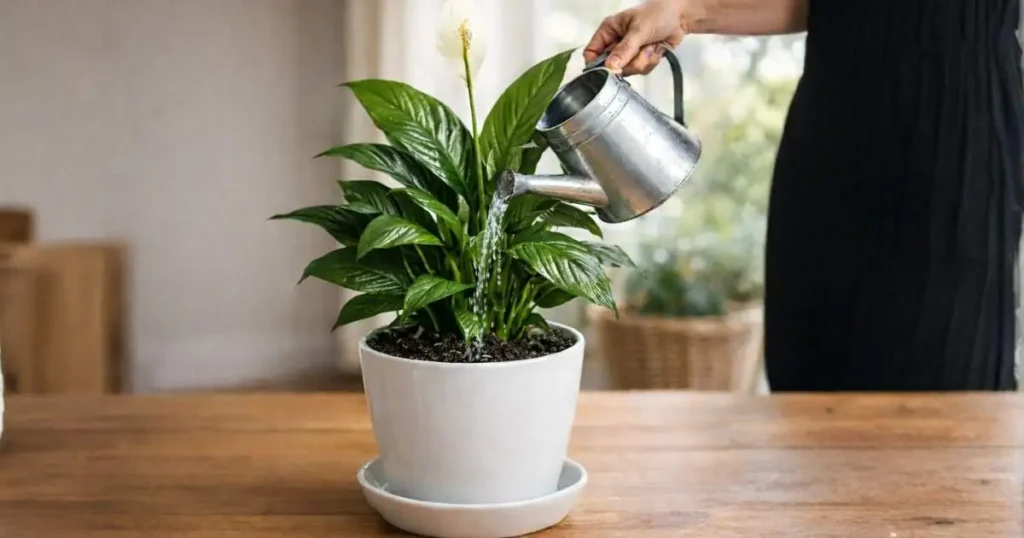
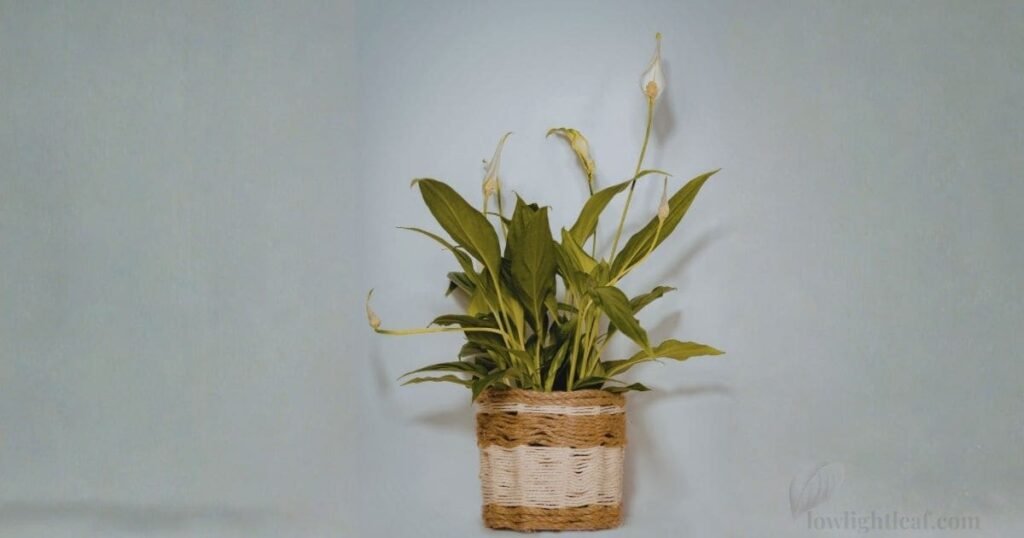
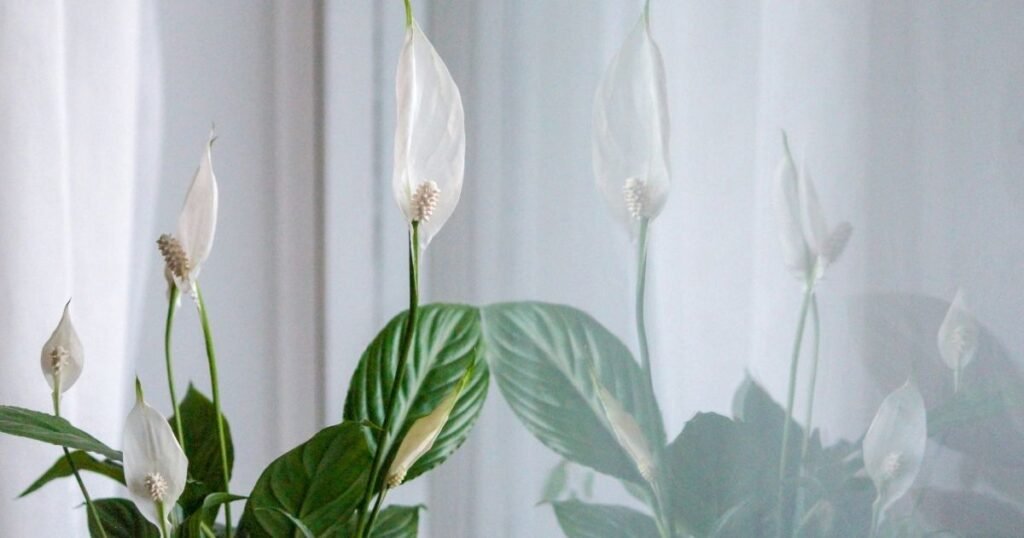
Once you know what you’re working with, the next step is care and troubleshooting. The resources below are organized to help you find answers quickly, whether you’re caring for a new peace lily or troubleshooting an established plant. From watering and repotting to propagation and common leaf problems, each guide covers a specific topic in greater detail.
Peace Lily Plant vs Other Low-Light Options
If you’re comparing houseplants before committing to one, it helps to know how the peace lily stacks up against other shade-tolerant favorites.
Against a snake plant, the peace lily is quicker to show signs of stress. It may droop or develop leaf discoloration when something’s wrong, while a snake plant generally tolerates longer periods of neglect. If you prefer a plant that gives visible clues when its conditions are off, peace lily has the edge; if you want something more forgiving, snake plant may be the better fit.
If you’re looking for another low-maintenance indoor option, you may also compare it with our guide on growing a snake plant, especially for brighter and drier spaces.
Against pothos, the difference is mostly about form. Pothos trails and climbs, filling shelves and hanging baskets, while peace lily grows upright and stays contained, making it better suited to a tabletop or floor spot than a cascading display.
Against a ZZ plant, the peace lily asks for a steadier hand. ZZ plants generally tolerate longer periods between watering and lower-light conditions, while peace lily prefers more consistent moisture and tends to show visible signs when conditions aren’t right.
None of these plants is strictly better; they simply suit different spaces and routines. If you already keep a regular eye on your houseplants, a peace lily can fit naturally alongside any of them.
Peace Lily Plant FAQs
Can a peace lily grow outdoors?
Yes, but only in warm, frost-free climates, generally USDA zones 11–12. Outdoors, it needs deep shade rather than the bright indirect light it prefers indoors, since direct sun scorches the leaves quickly. In cooler regions, it's best kept as a container plant that stays indoors year-round.
How long do peace lilies live?
With reasonable care, a peace lily can live for many years, often five or more, and mature plants have been known to last over a decade. Its lifespan depends less on age and more on whether it keeps getting repotted, divided, and given consistent light as it grows.
How do you know which peace lily variety you have?
Most nursery tags don't list the exact cultivar, so the easiest way is to compare mature size and leaf pattern once the plant settles in. A plant that stays under 15 inches is likely a dwarf variety like 'Power Petite,' while one pushing past 3–4 feet with large leaves is probably a bigger cultivar like 'Sensation.' Variegated or golden-toned new leaves are also a strong clue you've got a specialty variety rather than a standard one.
Is a peace lily a good plant for beginners?
Yes, largely because it tells you what's wrong instead of failing quietly. A drooping leaf almost always means it's thirsty, which makes the plant easier to read than many other houseplants, even for someone caring for one for the first time.