Last updated on October 11, 2026
Snake plants survive almost everything: low light, missed waterings, neglect for weeks. That resilience is real, and it’s why sansevieria sits on more windowsills than almost any other houseplant. But resilience and suitability are different things. Despite their popularity, many snake plant disadvantages are rarely discussed. A plant can be easy to keep alive and still be the wrong choice for your home, your pets, or your expectations.
The snake plant disadvantages are real: slow growth that surprises new owners, toxicity that affects pets more than people realize, permanent leaf damage, soil requirements hidden behind the “low maintenance” label, and long-term realities that only become obvious after a season or two.
If you’re considering a snake plant or already own one and something feels off this is the information to fill in the gaps.
Snake Plant Disadvantages: Quick Scan
Quick summary
| Disadvantage | Severity | Manageable? |
|---|---|---|
| Slow growth | Low – Medium | Yes — set expectations |
| Toxic to pets | Moderate | Yes — placement |
| Toxic to children | Low – Moderate | Yes — placement |
| Sharp leaf tips | Low | Yes — trim tips |
| Rare flowering | Low | Yes — adjust expectations |
| Sensitive to poor soil | Medium | Yes — one-time fix |
| Permanent leaf damage | Medium | Partially — remove damaged leaves |
| Top-heavy when mature | Low | Yes — heavier pot |
| Rhizomes crack pots | Medium | Yes — annual inspection |
| Aggressive outdoors | High | Yes — use containers |
| Skin/eye irritation | Low | Yes — gloves during repotting |
Most snake plant disadvantages are manageable once you know what to expect. For many owners, the advantages of owning a snake plant still outweigh the drawbacks.
Snake Plants Grow Very Slowly
Slow growth is not a sign that something is wrong with your snake plant. It is simply how Dracaena trifasciata behaves. A healthy plant in good conditions typically produces two to four new leaves per growing season. New owners frequently interpret this as a decline and respond by watering more, which creates a separate problem. That’s the ceiling, not a baseline that improves with better care.
Common Expectation vs Reality
Expectation: A small snake plant fills out noticeably within a few months of purchase.
Reality: Growth often remains modest for several seasons indoors and stops almost completely in winter.
Why This is the Plant’s Nature
Snake plants naturally grow slowly because they evolved to survive dry conditions with limited resources. Their energy-efficient growth habit helps them tolerate drought but also means they take longer to produce new leaves.
Most popular houseplants, such as pothos, philodendrons, and tradescantia, produce visible new growth within weeks. Sansevieria operates on a completely different timeline.
Growth Comparison
| Plant | Growth Speed | New Growth |
|---|---|---|
| Snake Plant | Slow | Weeks to months |
| Pothos | Fast | 1–2 weeks |
| Philodendron | Fast | 1–2 weeks |
| Spider Plant | Moderate–Fast | 2–3 weeks |
If you want a plant that transforms a space within a season, this isn’t it. Understanding the light requirement for snake plant can help you provide the best conditions for whatever growth the plant is capable of indoors.
The Practical Limitation: This slow pace matters most if you’re buying a small plant to quickly fill a corner or create a visual impact. A 6-inch nursery plant may look almost identical two years later. Buyers who are happy with the plant as it is at purchase, rather than what it will become, tend to find the growth rate irrelevant. Those buying for future size often feel let down.
Snake Plants Are Toxic to Cats and Dogs
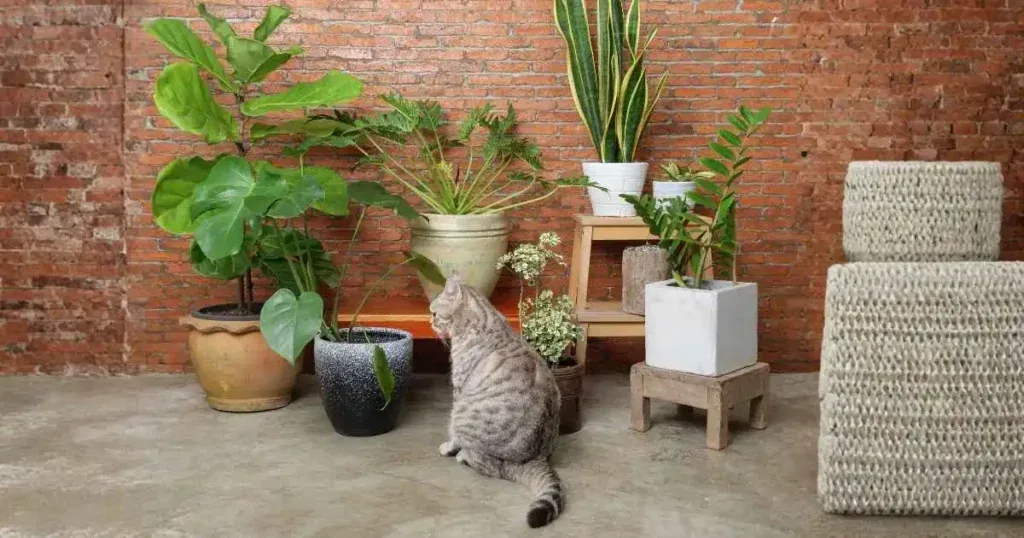
Snake plants are toxic to cats and dogs. The ASPCA lists all Dracaena trifasciata varieties as toxic to cats and dogs. Popular varieties such as Laurentii, Moonshine, Hahnii, and Cylindrica all contain the same toxic compounds and should be kept out of reach of pets.
Snake Plant Toxicity at a Glance
| Factor | Detail |
|---|---|
| Toxin | Saponin |
| Found In | Leaves, roots, rhizomes & flowers |
| Risk Level | ⚠️ Moderate |
| Severe Poisoning | Uncommon |
| Prevention | Place away from pets |
Why Severe Poisoning Is Uncommon
Most articles miss this: the leaves are intensely bitter. Most animals take one bite, react badly, and avoid the plant afterward. The bitter taste is a natural deterrent, which is why serious toxic events are rare despite the plant’s widespread presence in pet households.
Who Is Most at Risk
The highest risk is with kittens, puppies, and dogs that are persistent chewers regardless of taste. For these animals, placement matters more; a high shelf or a room the pet cannot access resolves the concern for most households.
Should You Worry?
If your cat ignores houseplants and your dog doesn’t chew, the risk is low and manageable through placement alone. If you have a young pet still exploring its environment or a dog that chews indiscriminately, consider switching to pet-friendly indoor plants instead. Unlike slow growth or occasional maintenance issues, toxicity cannot be changed or corrected. If you have a pet that chews plants, the only reliable solution is keeping the plant out of reach.
Snake Plants Can Be Toxic to Humans
Snake plant toxicity in humans is real but considerably milder than the risk it poses to cats and dogs. Adults who handle the plant regularly are not at meaningful risk. Two specific groups deserve more careful consideration: young children and people with sensitive skin.
Healthy Adults
LowSkin irritation only
Young Children
Low–ModerateIngestion, mouth irritation
Sensitive Skin
Low–ModerateContact dermatitis
Cats & Dogs
ModerateGastrointestinal distress
What Actually Happens
Ingesting any part of the plant causes mouth and throat irritation, swelling, nausea, and abdominal discomfort. A child who chews a leaf experiences noticeable discomfort quickly, which typically limits ingestion, but the reaction still warrants medical attention.
Skin Exposure
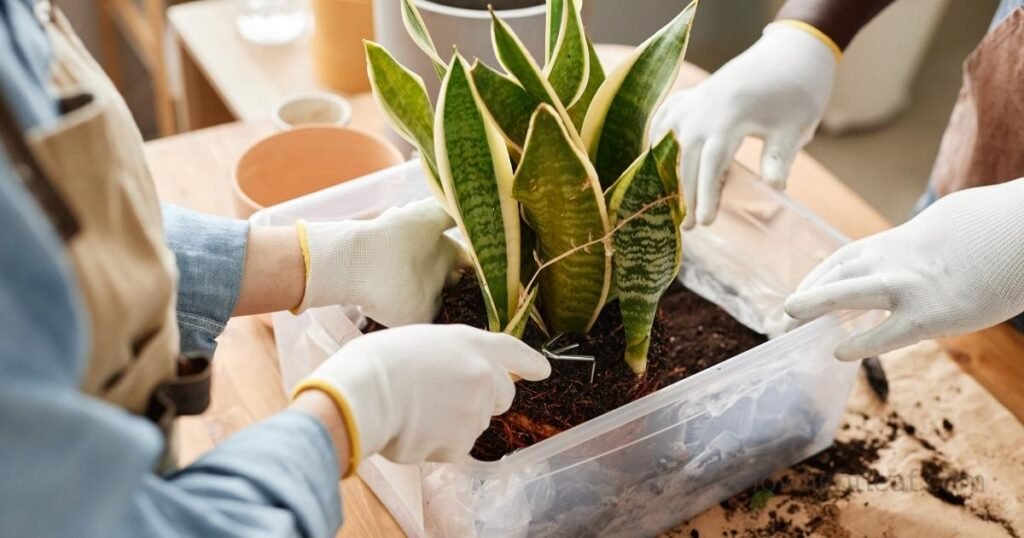
The sap from cut leaves or damaged roots causes contact dermatitis in sensitive individuals. This is most likely during repotting when internal tissue is exposed. Wearing gloves is a simple precaution most casual owners skip entirely.
Reality Check
For most adults, this section is not a concern at all. The practical takeaway is narrow: keep the plant out of reach of toddlers, and wear gloves when repotting or dividing. Neither of those is a significant burden, but both are worth knowing before the situation arises rather than after.
Sharp Leaf Tips Can Cause Physical Injury
Snake plant leaves may look harmless, but their tips can be surprisingly sharp. Mature leaves develop rigid, pointed ends that can puncture skin if you brush against them forcefully. The leaf tips of Dracaena trifasciata are genuinely pointed: rigid, narrow, and sharp enough to puncture skin on contact, particularly the older, fully hardened tips of mature leaves.
When It Becomes a Real Problem
For most adults, sharp snake plant leaves are only a minor inconvenience. However, the risk increases in certain situations:
Homes with toddlers
Children are often at the same height as leaf tips. A snake plant placed on the floor near a play area can easily cause accidental pokes.
Households with curious pets
Cats and dogs that sniff or investigate plants from above may get jabbed near the face or eyes.
Small or crowded spaces
Narrow bathrooms, tight hallways, and busy windowsills increase the chances of accidental contact when moving around.
Important to Know
Trimming the very tip of each leaf with scissors blunts the point without visibly affecting the plant’s appearance. It takes two minutes, and most guides never mention it.
What This Means for You
Where you place the plant matters more than most people think at the point of purchase. A snake plant that looks perfect in a narrow entryway becomes a recurring nuisance if anyone brushes past it daily. Choosing placement based on traffic patterns, not just aesthetics, prevents a problem that’s easy to overlook until it’s already happening.
Snake Plants Rarely Flower Indoors
Many people are surprised to learn that snake plants can produce flowers. Mature plants occasionally produce flowers, small, tubular, cream or white blooms on a tall central spike, often fragrant at night. They’re striking. They’re also largely outside your control as a grower. The drawback is that flowering is highly unpredictable indoors.
Why It Can Be Frustrating
Unlike many flowering houseplants, snake plants do not bloom on a reliable schedule. One plant may flower after a few years, while another grown in similar conditions may never bloom at all.
Factors such as bright indirect light, a slightly root-bound pot, and occasional dry periods may encourage flowering, but they do not guarantee it.
Before You Buy
Some people buy a snake plant after seeing photos of its flowers online. If flowering is part of the appeal, set that expectation very loosely before purchasing.
A snake plant should be chosen for its attractive foliage, durability, and low-maintenance nature, not for guaranteed blooms. Think of flowering as an occasional bonus rather than something you can reliably expect every year.
Reality Check: You can provide excellent care for years and still never see flowers. For most owners, the plant’s architectural leaves remain its biggest attraction.
Snake Plants Need Fast-Draining Soil
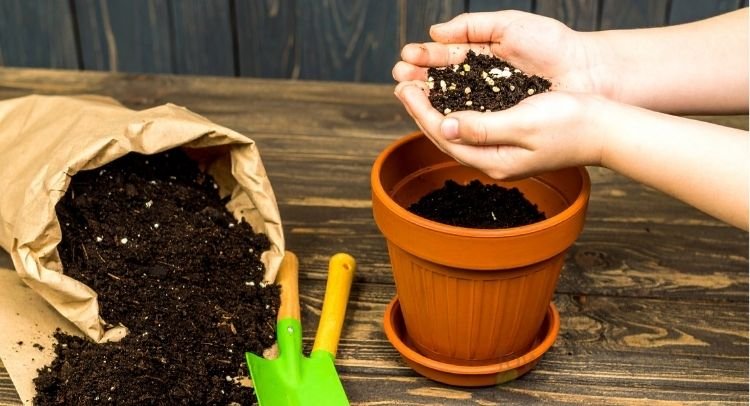
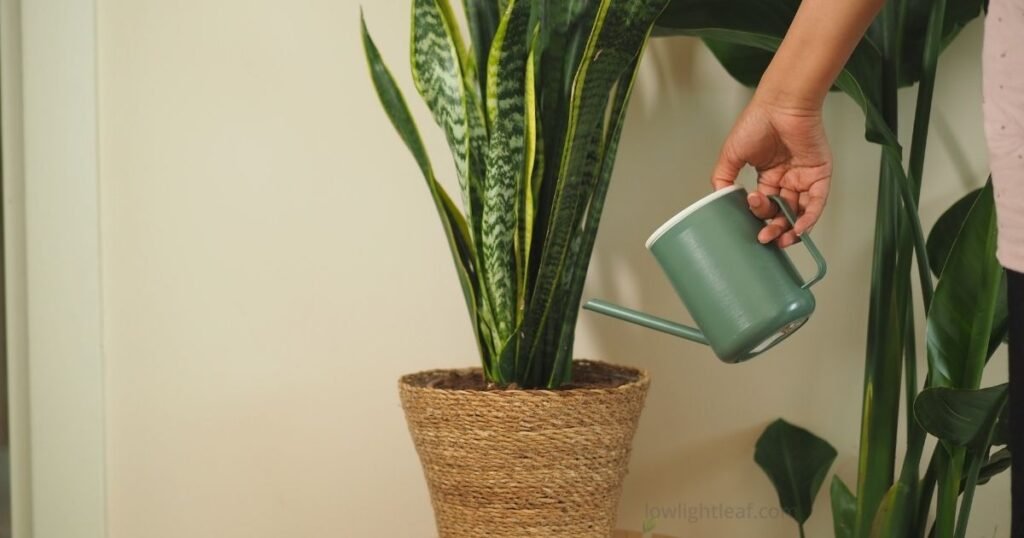
The “low maintenance” label is accurate in most respects, but it creates a false impression about soil. Standard potting mix holds moisture far longer than this plant tolerates. For the right watering schedule to go with it, know how much to water snake plants. Using the wrong soil is one of the most common setup mistakes, and the damage often develops slowly enough that owners don’t notice a problem until the plant begins to decline.
Ownership Reality
This isn’t an ongoing maintenance issue. It’s a decision made when you first buy the plant or eventually repot it. The challenge is that many people assume a snake plant will thrive in whatever soil it arrives in, which is not always the case.
The Hidden Trade-Off
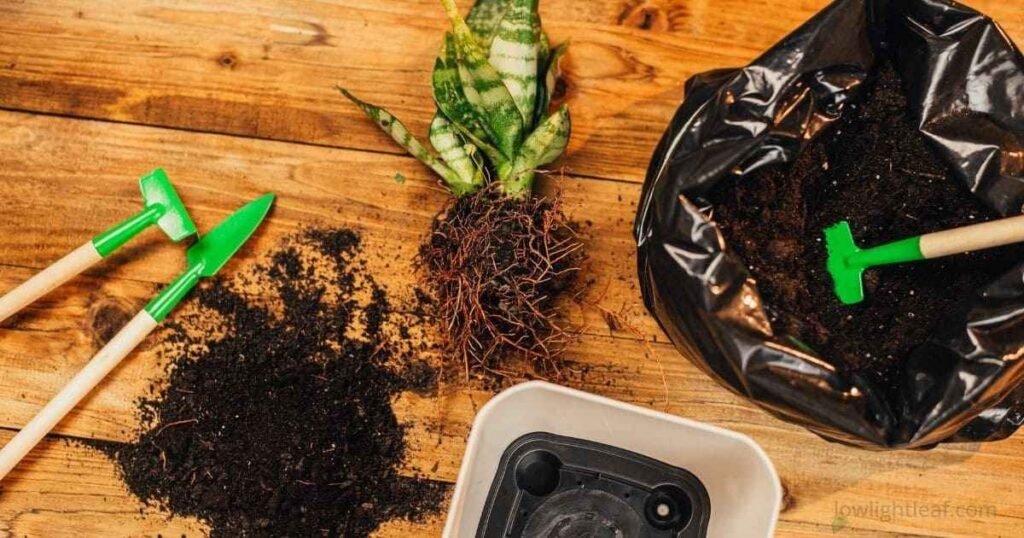
Most nursery-bought snake plants arrive in soil selected for nursery production rather than long-term indoor growing conditions. Many owners leave the plant in that original mix for years without realizing it may be holding more moisture than the plant prefers. When you repot your snake plant, switching to a fast-draining mix is the single most useful change you can make.
What This Means for You
Snake plants are often marketed as nearly impossible to kill, but they are less forgiving of poor soil than many people expect. If you want a truly low-maintenance experience, the soil setup matters more than most buyers realize when they first bring the plant home.
Damaged Leaves Do Not Recover
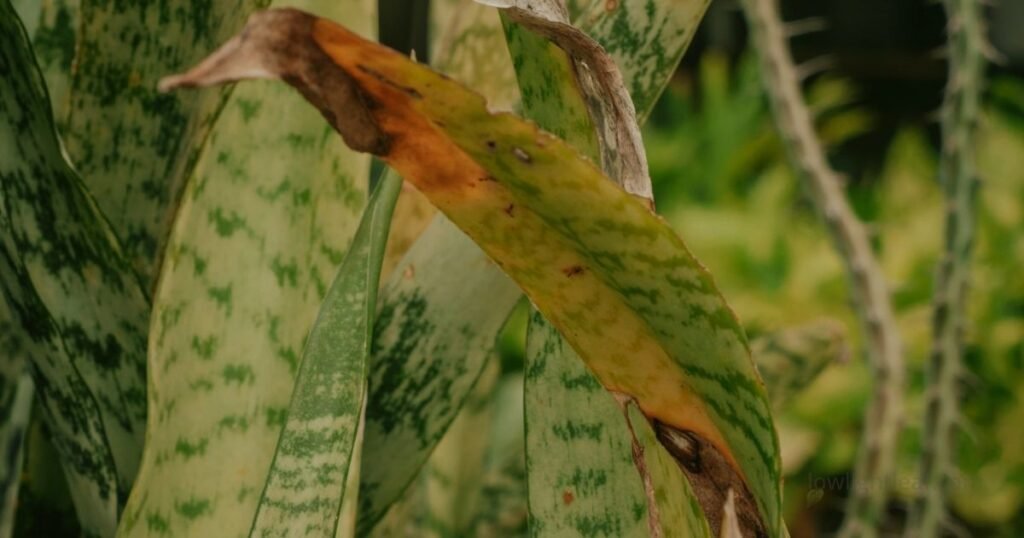
One of the more frustrating realities of snake plant ownership is that leaf damage is permanent. Unlike some houseplants where yellowed tissue greens up or bent stems straighten with corrected care, sansevieria leaves do not regenerate damaged sections.
What Stays Damaged Forever
- A leaf with a brown tip stays brown
- Cold-scarred tissue retains discoloration indefinitely
- Bent or creased leaves from being pressed against a wall or shipped poorly, hold that deformity permanently
Why This Matters
The only way to deal with a damaged leaf is to remove it and wait for new growth. Because snake plants grow slowly, replacing a damaged leaf can take months. Unlike many houseplants, damaged tissue does not recover once it appears, making careful placement and handling more important than most owners expect.
Mature Plants Can Become Top-Heavy and Unstable
Larger snake plant varieties can eventually reach three to four feet tall indoors. As new leaves emerge from the base, the plant becomes heavier above the soil line while the root system remains relatively compact.
When It Becomes a Real Problem
A pot that feels stable when the plant is young may become less secure as it grows. This usually happens gradually, which is why many owners don’t notice the issue until a mature plant starts leaning or becomes easier to knock over.
Why This Matters
This is rarely a concern when you first buy a snake plant, but it can become an issue years later. Larger plants are more likely to tip over in busy areas or homes with children and pets. What starts as a compact, low-maintenance houseplant can eventually require a more stable setup than many owners expect.
Rhizomes Can Crack and Damage Containers
Snake plants spread through underground rhizomes, horizontal root structures that produce new offshoots as the plant matures. In a confined pot, this expansion can create pressure against the container walls over time.
Important to Know: Terracotta and ceramic containers can occasionally crack as the root mass expands. Because the process happens gradually, many owners do not connect the damaged pot to the plant until it has already happened.
Container risk comparison
| Container type | Crack risk | Recommended use |
|---|---|---|
Terracotta | High | Use a plastic liner inside Protects porous clay from moisture-driven cracking |
Ceramic | High | Use a plastic liner inside Glaze may hide stress fractures — liner adds safety |
Plastic nursery pot | Low | Safe for long-term use Flexes under pressure rather than cracking |
Why Buyers Get Surprised
A snake plant often looks compact and well-behaved for the first few years. There is usually no visible sign of pressure building inside the pot, which is why a cracked container can come as a surprise. While this is not a common problem, it is one of the less obvious disadvantages of keeping a mature snake plant long-term.
Outdoor Snake Plants Can Spread Aggressively
In warm climates, snake plants can spread through underground rhizomes and gradually form dense colonies. Over time, they may crowd nearby plants and become difficult to remove completely.
Who Should Care?
This is mainly a concern for gardeners in warm regions where snake plants grow outdoors year-round. Indoor growers and people in colder climates are unlikely to encounter this issue.
Some People Experience Mild Allergic Reactions
Does a snake plant cause allergies? For most people, no. However, the sap can cause mild skin irritation, itching, or redness in sensitive individuals, especially during repotting, pruning, or propagation. Eye irritation is also possible if sap gets into the eyes before handwashing.
The good news is that snake plants do not release significant airborne allergens indoors. For most owners, the risk is limited to direct contact with the plant rather than the air around it.
Is Snake Plant Good for Indoors Despite These Disadvantages?
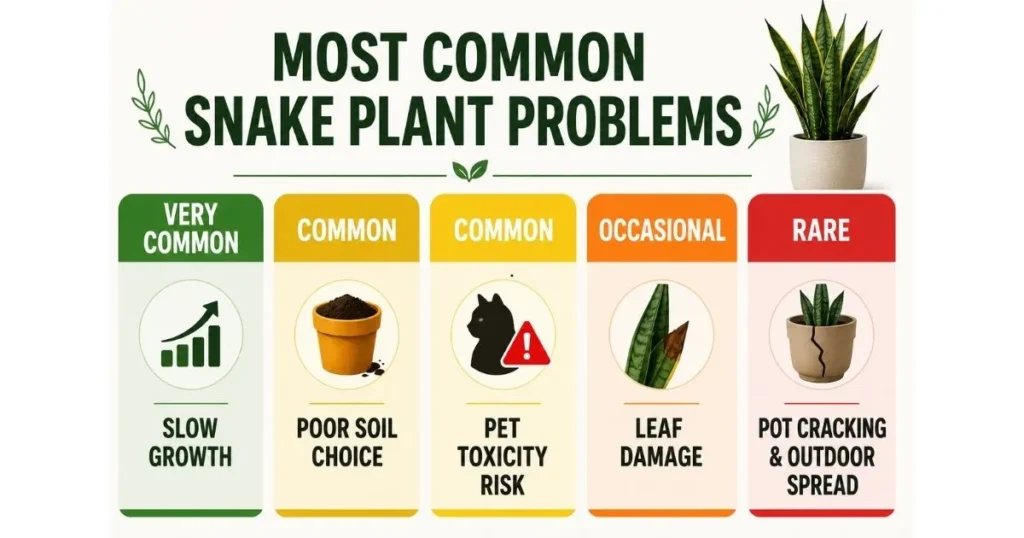
Yes. For most homes, snake plant remains one of the easiest and most reliable indoor plants to grow. The snake plant disadvantages covered are real, but they are usually manageable once you know what to expect.
Who Should Think Twice
- Households with cats, dogs, or toddlers who can easily reach plants
- Buyers expecting fast growth within a single season
- Anyone hoping for regular, predictable blooms
- Warm-climate gardeners planning to plant snake plants directly in the ground
Who it Works Well For?
- Patient growers who value structure over rapid growth
- People with busy or irregular schedules
- Anyone looking for a long-lasting, low-maintenance indoor plant
- Homes with lower light conditions
Final Verdict
Most snake plant disadvantages come down to expectations rather than serious problems. If you are comparing options, spider plant disadvantages are worth reading too before making a final decision. If you choose the plant for its durability, striking foliage, and low-maintenance nature, it remains one of the best indoor plants for beginners and busy households.
FAQs: Snake Plant Disadvantages
Is Snake Plant Toxic to Cats and Dogs?
Yes. Snake plants contain saponins, which are toxic to cats and dogs if ingested. Symptoms may include drooling, vomiting, nausea, and diarrhea. While severe poisoning is uncommon, the plant should be kept out of reach of pets.
What Is the Biggest Disadvantage of a Snake Plant?
The biggest disadvantage of a snake plant is its slow growth. Even in ideal conditions, it may produce only a few new leaves each growing season. This can be frustrating for people expecting a small plant to grow quickly or fill a space within a short time.
Can I Sleep With a Snake Plant in My Room?
Yes. Snake plants are safe to keep in bedrooms and are often chosen because they tolerate low light and require little maintenance. The plant does not release harmful substances at night, making it suitable for most indoor sleeping spaces.
Does the Snake Plant Attract Snakes?
No, snake plants do not attract snakes. The name comes from the plant’s long, upright leaves that resemble a snake’s skin pattern, not because it attracts or harbors snakes. Snakes may occasionally be found near outdoor vegetation for shelter, but snake plants do not specifically attract them. Indoors, this is not a concern.
Final Thoughts
No houseplant is perfect, and snake plants are no exception. The key is knowing what you’re getting before you bring one home. If their growth rate, pet safety concerns, and other limitations fit your situation, you’ll likely find them rewarding and easy to live with for many years. For most indoor gardeners, success comes down to realistic expectations, not perfect care. Browse our complete snake plant resource for varieties, care tips, and common problems all in one place.

Ellie Marsh
Houseplant grower who spent years in a north-facing apartment. Writes practical care guides for low light homes, checked against extension and botanical garden sources.
Explore more: