Last updated on October 11, 2026
Knowing how often to water a ZZ plant is the one thing that separates a thriving plant from a rotting one. As a general rule, water your ZZ plant every 1 to 3 weeks during spring and summer, depending on light, and roughly once a month or less in fall and winter. But your ZZ plant watering schedule should never be based on a calendar alone.
The right schedule also depends on your plant’s light level, pot size, soil mix, and how quickly the pot dries out in your home. ZZ plants store water in thick, potato-like rhizomes, so the soil must dry out completely between waterings, every single time. Get that wrong in either direction and you’ll either starve a remarkably tough plant or rot it from the roots up.
This guide covers exactly how to build the right ZZ plant watering schedule for your light conditions, how to tell when your plant genuinely needs water, how much to give it, and how to fix things if you’ve already gone too far in either direction.
Quick answer: how often to water a ZZ plant
Water a ZZ plant only after the potting mix has dried, which usually works out to every one to two weeks in spring and summer and about once a month in winter. Iowa State University Extension says a thorough watering every 7 to 14 days is usually fine, and the New York Botanical Garden says to let the soil dry completely between waterings during the growing season and to water about once a month in winter.
- Water thoroughly until some runs out of the drainage holes, then empty the saucer; the New York Botanical Garden suggests checking after 15 minutes.
- If you are not sure, wait. The New York Botanical Garden notes that the plant stores water in its rhizome and can ride out dry spells.
- Constantly wet soil is the problem to avoid, Iowa State Extension says, more than an occasional missed watering.
Why ZZ Plants Need So Little Water
Your ZZ plant (Zamioculcas zamiifolia) comes from the dry grasslands of Eastern Africa, where rainfall is irregular and long dry spells are normal. To survive those conditions, it evolved thick rhizomes just below the soil surface that store water and nutrients, allowing the plant to go much longer between waterings than most common houseplants. These adaptations are just one part of everything your ZZ plant needs to thrive.
That’s also why ZZ plants handle underwatering far better than soggy soil. When the potting mix stays wet for too long, the roots and rhizomes lose access to oxygen, which is when root rot starts. In other words, with a ZZ plant, overwatering is usually the bigger risk than waiting a few extra days.
Best ZZ Plant Watering Schedule by Light Level
Here’s the part most watering guides skip: light, not the calendar, is the single biggest factor in how often your ZZ plant needs water. The more light your plant gets, the more actively it grows, and the faster it uses the water sitting in the potting mix. Understanding your ZZ plant’s light needs makes it much easier to adjust your watering schedule.
Use your plant’s actual light conditions, not a generic schedule, to set your baseline.
| Light Level | Typical Watering Frequency | Why |
|---|---|---|
| Bright indirect light | Every 2–3 weeks | Faster growth uses water more quickly, and the potting mix dries sooner |
| Medium light | Every 3–4 weeks | Moderate growth and moderate drying |
| True low light | Every 5–8 weeks, sometimes longer | Slow to minimal active growth means very little water is being used |
If your ZZ plant lives in a genuinely low-light spot, such as a north-facing room, an interior office corner, or several feet back from the nearest window, every 2 to 3 weeks may still be too often. That’s one reason ZZ plants are considered easy indoor plants for low-light spaces. In low light, a ZZ plant grows slowly and uses very little water, so the soil stays wet much longer.
What Changes How Fast a ZZ Plant Dries Out
Light level
Brighter spots dry the potting mix faster, while low-light ZZ plants can stay moist much longer between waterings.
Season
Seasonal light and temperature changes affect how quickly the soil dries, with pots usually staying dry longer in fall and winter.
Pot size
Small pots dry out faster, while oversized pots hold moisture longer and can raise the risk of overwatering.
Pot material
Terracotta dries out faster because it’s porous, while plastic and glazed ceramic hold moisture longer.
Soil drainage
Chunky, fast-draining soil dries more quickly than dense, moisture-retentive mixes, which stay wet longer around the rhizomes. Choosing the right soil mix for ZZ plants can make a noticeable difference in how long the pot stays wet between waterings.
Temperature & airflow
Warm rooms, sunny windows, fans, AC, and heating vents can make the soil dry faster.
Humidity
Higher humidity can slow evaporation slightly, while very dry indoor air may make the potting mix dry a bit faster.
How to Tell When It’s Actually Time to Water
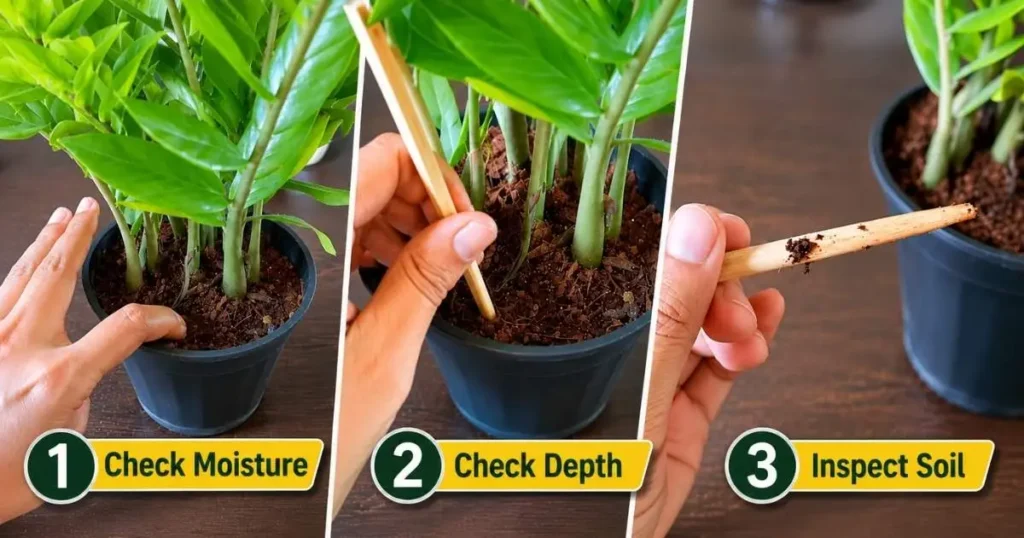
Don’t water on a fixed schedule. Check the plant instead. This is one of the most important principles for watering drought-tolerant houseplants, since fixed schedules often lead to overwatering.
The soil test
Push a finger two to three inches into the soil. If it’s dry at that depth, you’re in the right window to water. If it’s even slightly damp, wait.
The dowel test
For deeper pots, push a wooden skewer or unpainted dowel to the bottom of the pot, leave it a few seconds, then pull it out. If it comes out clean and dry, the root zone has dried out.
The moisture meter
A cheap probe-style meter removes the guesswork entirely, which is useful whether you tend to forget your plants or fuss over them too much.
The pot-weight method
Lift the pot right after watering, then again a week or two later. A noticeably lighter pot means the soil has dried out; a heavy pot still has moisture to give up.
Visual signs your ZZ plant is thirsty
Mild drooping or slightly dull leaves are an early thirst signal, not an emergency.
The wait-a-few-more-days rule
Even when the soil tests dry, the rhizomes may still be holding water. If the leaves still look firm and glossy, it’s often worth waiting another few days before watering.
This approach is consistent with guidance from the University of Connecticut, which recommends letting the potting mix dry between waterings instead of watering on a fixed schedule.
How Much Water Should a ZZ Plant Get?
Most guides for this plant stop at “water thoroughly,” which isn’t actually useful on its own. Here’s a more concrete starting point, scaled to pot size.
| Pot Size | Approximate Water Amount |
|---|---|
| 4–5 inch pot | ½–1 cup |
| 6–8 inch pot | 2–3 cups |
| 10–12 inch pot | 4–6 cups |
| 14+ inch / floor planter | Water until it runs from the drainage holes |
The rule that matters more than any number: pour slowly and evenly until water runs freely from the drainage holes, then let the pot sit a few minutes so the soil can reabsorb what it needs. The same deep-watering approach works when watering plants with different moisture needs, although the drying time between waterings can vary from one species to another.
How to Water a ZZ Plant — Step by Step
Top Watering
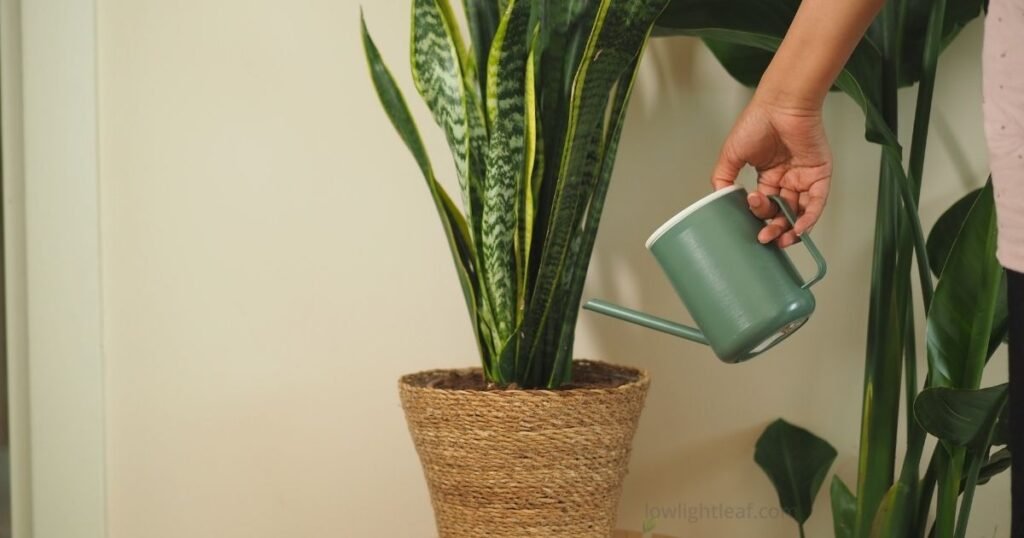
Top watering is the easiest and most reliable way to water a ZZ plant, as long as you do it thoroughly rather than giving the soil a small sip on the surface. The goal is to soak the entire root ball so moisture reaches the roots and rhizomes, then let the excess drain away completely.
Here’s how to top water a ZZ plant properly:
- Pour water slowly and evenly over the soil surface, aiming around the base of the plant rather than in one heavy stream. This gives the potting mix time to absorb moisture instead of letting water rush straight down the sides.
- Keep watering until water runs from the drainage holes at the bottom of the pot. That’s the sign the entire root zone has been moistened, not just the top inch of soil.
- Let the pot drain fully for a few minutes before putting it back in its saucer, basket, or decorative cachepot.
- Empty any collected runoff so the plant isn’t left sitting in standing water, which can quickly lead to soggy soil and root rot.
When top watering works best
Top watering is a good default method when:
- the soil is still absorbing water normally
- you want to flush excess salts or mineral buildup from the potting mix
- your ZZ plant isn’t severely dried out or hydrophobic
One common mistake to avoid
Don’t water a ZZ plant with quick, shallow splashes every few days. That only wets the top layer of soil and can leave the lower root zone dry while the upper soil stays constantly damp, the exact combination that confuses watering signals and increases the risk of rot.
Over time, inconsistent watering can also slow healthy growth, even if the plant survives. If fresh watering habits don’t restart growth, find out what could be holding your ZZ plant back.
Bottom Watering
Yes, you can bottom water a ZZ plant, and it’s especially useful when the potting mix has dried out so much that water runs straight through the pot instead of soaking in evenly. Rather than wetting only the top layer, bottom watering lets the entire root ball slowly pull up moisture from below, which can hydrate the soil around the rhizomes more evenly.
Here’s how to do it properly:
- Place the pot in a shallow tray, bowl, or sink filled with a few inches of water. The water level should be high enough to reach the drainage holes, but not so high that it floods over the top of the pot.
- Let the plant sit for about 20 to 30 minutes. During this time, the dry potting mix will wick moisture upward from the bottom.
- Check the top of the soil. Once the surface feels lightly damp, the root ball has taken up enough water.
- Lift the pot out and let it drain fully. Give it a few minutes to drip out excess water before putting it back in its saucer or decorative pot.
- Empty any leftover water from the tray or outer pot so the ZZ plant isn’t left sitting in moisture afterward.
When bottom watering works best
Bottom watering is most helpful when:
- the soil has become very dry and compacted
- water poured from the top keeps running straight out of the drainage holes
- you want to rehydrate the root ball more evenly after the plant has been underwatered
One thing to keep in mind
Bottom watering is useful, but it doesn’t need to replace top watering every time. A full top watering every so often helps flush out mineral buildup from the soil, especially if you use tap water regularly.
Pot Material Matters
Pot material changes how fast the soil dries. Terracotta and other unglazed clay pots are porous, so moisture evaporates straight through the walls. ZZ plants in terracotta dry out noticeably faster than the same plant in plastic or glazed ceramic. If your ZZ plant is sitting in a heavy ceramic or plastic nursery pot, stretch your watering interval slightly longer than the table above suggests.
ZZ Plant Watering in Summer vs Winter
Once you know your plant’s light level, use the seasons as a secondary adjustment, not a separate watering schedule.
Spring: As light and temperatures climb, growth picks up. Start checking the soil weekly; you’ll likely settle into watering every 2-3 weeks.
Summer: Peak growing season for most ZZ plants. Soil dries fastest now, especially near bright windows or in warm rooms, every 2-3 weeks is typical, sometimes sooner in very bright, warm spots.
Fall: As growth slows and light drops, the potting mix usually stays moist longer than it did in summer, so watering intervals often need to stretch.
Winter: Many ZZ plants enter a near-dormant state. Every 4 to 6 weeks is common, and a plant in a genuinely low-light winter spot may go even longer. The same principle applies when caring for indoor plants in low light, where slower growth usually means less frequent watering. Most overwatering mistakes happen because owners keep watering on a summer schedule out of habit.
Overwatered or Underwatered ZZ Plant
ZZ Plant Yellowing, drooping leaves get blamed on both overwatering and underwatering, which leaves you no closer to an answer. The fix is to stop reading the leaves first and check in this order instead.
Step 1 — Check the soil.
Wet and heavy, or bone dry and light? This alone resolves most cases before you even look at the plant.
Step 2 — Check the rhizome and lower stem.
Gently feel near the soil line. Firm means healthy. Soft, mushy, or accompanied by a sour smell means rot has already started.
Step 3 — Only then read the leaves
Using the table below.
| Sign | Overwatering | Underwatering |
|---|---|---|
| Leaf color | Yellow, sometimes pale and soft | Often stays green but dull; can yellow in late stages |
| Leaf texture | Soft, limp | Crispy, wrinkled |
| Stems | Mushy, may show brown or black spots | Wrinkled, may show vertical shrivel lines |
| Soil | Wet, heavy, possibly smelly or moldy on top | Bone dry, light pot |
| Growth | Stalled; new growth mushy or rotting | Slowed, but new growth looks normal |
| Smell | Sour, musty, or rotten | None |
One more thing worth ruling out: not every yellow leaf is a watering problem. Over-fertilizing can cause yellowing too, especially with frequent feeding. If your watering routine checks out but leaves are still yellowing, it’s worth understanding why ZZ plant leaves turn yellow before assuming water is the only cause.
How to Fix an Overwatered ZZ Plant
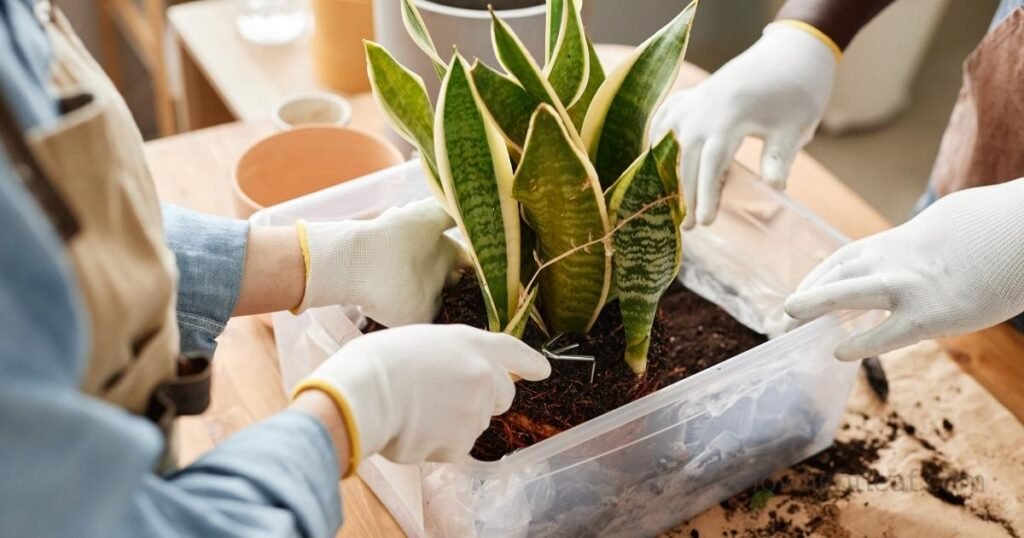
If your ZZ plant has been overwatered, stop watering immediately and let the soil dry out fully. Once the potting mix starts smelling sour or the rhizomes feel soft and mushy, remove the plant from its pot, trim away any rotten tissue, and repot it into fresh, fast-draining soil. Wait about a week before watering again, then restart with a much drier watering rhythm. If the damage is beyond recovery, you may be able to start a new ZZ plant from healthy cuttings.
How to Revive an Underwatered ZZ Plant
Underwatering is usually easier to fix than overwatering. Give the soil a deep, even soak, or bottom water the pot for 20 to 30 minutes if the mix has become very dry and started repelling water. Let the excess drain fully, then return to a normal watering rhythm once the plant perks up. This forgiving nature is one reason ZZ Plant is considered one of the easiest houseplants to care for.
Self-Watering Pots & Moisture Meters
A self-watering pot can help if you travel often or regularly forget to water, but it needs to be used carefully with a ZZ plant. These plants handle dry soil much better than constantly moist soil, so the reservoir should be allowed to run mostly dry between refills instead of staying topped up all the time.
A moisture meter is the lower-risk option for most owners. It removes the guesswork from the soil test without changing how or when you actually water, which matters more for a rhizome-storing plant like this one than it does for thirstier houseplants.
ZZ Plant Watering Special Cases
Watering After Repotting
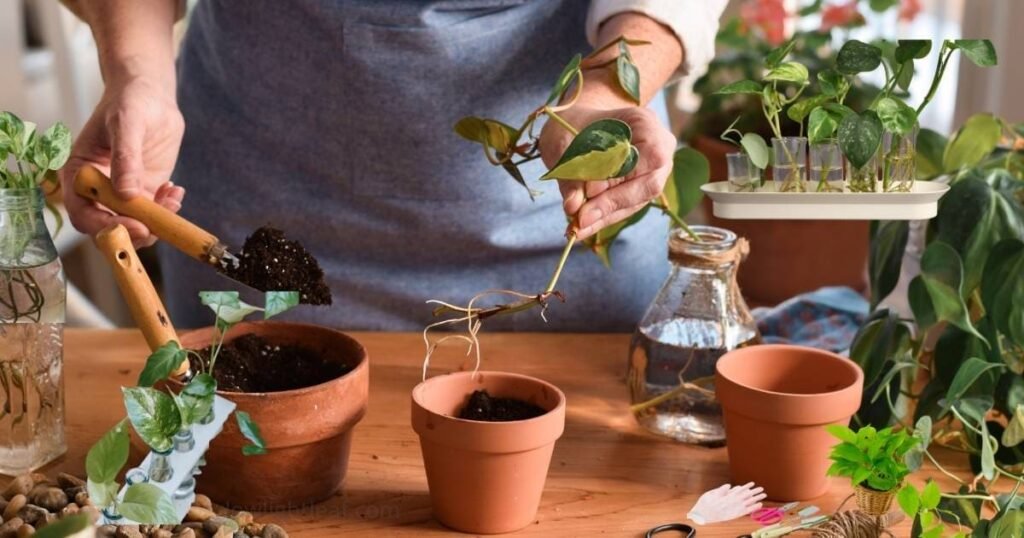
Wait a few days after repotting before watering again, especially if the rhizomes were disturbed or trimmed during the process. This gives any small root breaks time to begin healing rather than soaking immediately, which lowers the risk of rot setting in right after a stressful move. If you repotted into fresh, slightly moist mix, your plant may not need water again for one to two weeks.
Raven (Black) ZZ — Does It Need Different Watering?
No. Raven ZZ plants follow the same watering rules as standard green ZZ plants. The deep, near-black coloring is a pigment difference, not a different water-storage system, so the same light-level framework above applies.
Water Droplets on ZZ Leaves — What’s Happening?
If you’ve spotted small beads of water on the tips or edges of the leaves, especially in the morning, that’s guttation, a normal process where the plant releases excess water and dissolved minerals through small pores when root pressure builds up overnight. It’s most common after a thorough watering and isn’t a sign of a problem.
My ZZ Plant Arrived Already Soggy — What Do I Do?
If a newly purchased or shipped ZZ plant arrives with visibly wet, heavy soil, don’t add more water on top of it. Let it sit and dry out fully before its first watering, and check the soil with the dowel test rather than watering on instinct just because it’s new.
Frequently Asked Questions
How do you know when a ZZ plant needs water?
Check the soil two to three inches down, or use a wooden skewer to test the deeper root zone. If the soil feels dry at that depth and the leaves have started to lose a little of their usual gloss, your ZZ plant is in the right window to water.
How many days can a ZZ plant go without water?
A healthy ZZ plant can often go several weeks without water because its rhizomes store moisture. In bright indirect light it may need water every 2 to 3 weeks, while a ZZ plant in low light may go 4 to 6 weeks or even longer between waterings.
Underwatered vs. overwatered ZZ plant: what’s the fastest way to tell?
Check the soil first. Wet, heavy soil combined with soft yellowing leaves usually points to overwatering, while bone-dry soil with wrinkled, drooping, or crispy leaves points to underwatering. For a ZZ plant, the soil test is more reliable than leaf color alone.
Can I use succulent soil for a ZZ plant?
Yes, a succulent or cactus mix can work well for a ZZ plant as long as it drains quickly and does not stay soggy around the rhizomes. The goal is not a specific bagged mix, but a potting medium that dries evenly and reduces the risk of root rot.
Can you grow a ZZ plant in water?
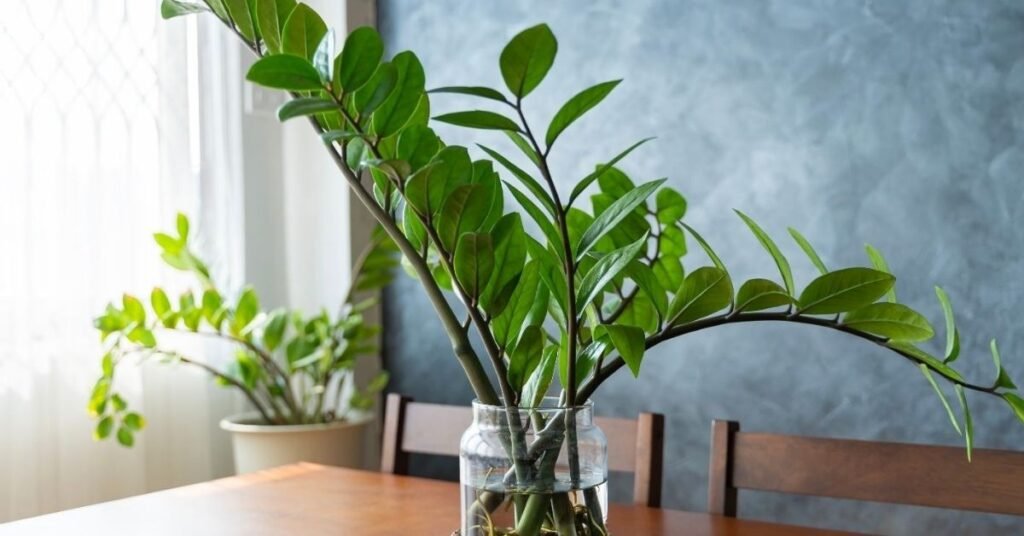
ZZ plants can be propagated in water, but they do not usually grow best as permanent water plants long term. If you want to propagate one from a leaf or stem cutting, water propagation can work, but most ZZ plants do better once they are moved into a well-draining soil mix.

Ellie Marsh
Houseplant grower who spent years in a north-facing apartment. Writes practical care guides for low light homes, checked against extension and botanical garden sources.
Explore more: