Last updated on October 16, 2026
Snake plants are often labeled as “low-maintenance,” especially among low-light houseplants, but that description can be misleading. While they are far more forgiving than many houseplants, improper watering remains the most common reason snake plants struggle or fail. The key is not how often you want to water, but how well you understand the plant’s natural water-use behavior.
When watered correctly, snake plants can thrive for years with minimal effort, a trait commonly highlighted by university horticulture extension programs studying drought-tolerant houseplants. When watered incorrectly, especially too often, problems develop quietly below the soil surface long before visible damage appears.
How Snake Plants Store and Use Water
When you understand how snake plants manage water internally, it becomes clear why letting the soil dry out between waterings is essential for long-term health.
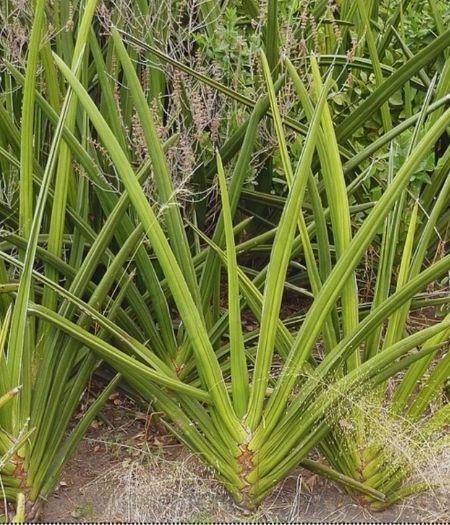
Snake plants evolved in regions where water can be unpredictable, which is why they cope so well with dry conditions. Their thick, upright leaves act as natural reservoirs, allowing the plant to hold onto moisture for extended periods. This built-in storage system is one of the reasons snake plants are considered easy to grow and is covered in more detail in our snake plant care guide.
CAM Photosynthesis
In addition to storing water, snake plants use a special Survival strategy known as CAM photosynthesis. Instead of opening their leaf pores during the day, when heat and sunlight cause rapid moisture loss, snake plants absorb carbon dioxide at night. This nighttime process allows them to conserve water during the hottest parts of the day while still supporting photosynthesis.
Their ability to store water internally allows snake plants to withstand infrequent watering and short periods of neglect. However, this same trait makes them vulnerable to excess moisture around the roots. Prolonged humidity around the roots weakens them and creates conditions that favor rot. For this reason, snake plants generally suffer more from overwatering than from occasional dryness.
Watch: https://youtu.be/dcTuqj3F2Lo?si=YOefzoKug6XI3ivK
Factors That Affect Snake Plant Watering Needs
Despite their reputation for toughness, snake plants require different watering approaches based on their environment. In fact, how often you should water a snake plant depends on several environmental and growing conditions. Understanding these factors not only helps prevent overwatering but also supports healthier, long-lasting growth.
Light Exposure
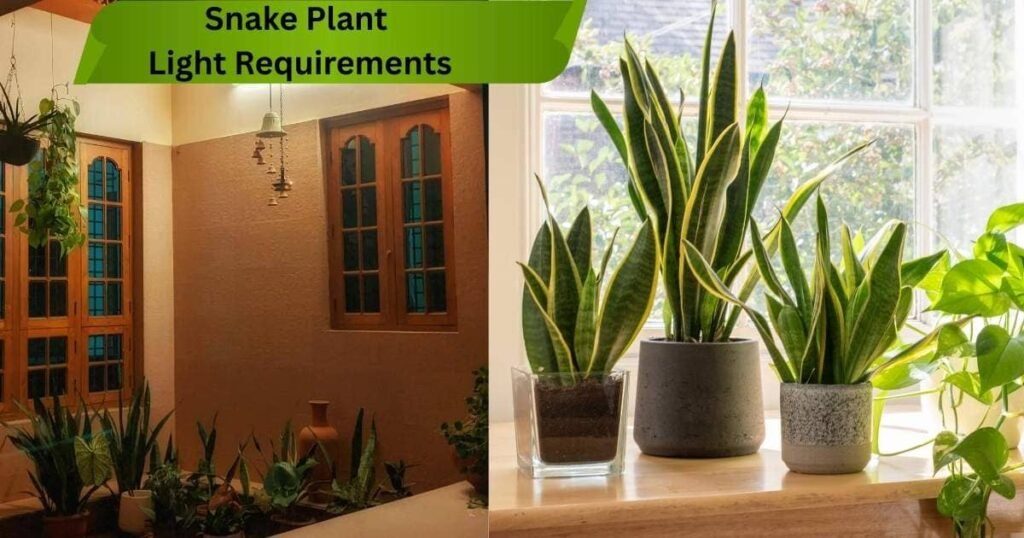
To begin with, light plays a significant role in how quickly soil dries out. Snake plants placed in bright, indirect light use water faster than those kept in low-light corners. This is why many plants that thrive in low light, including snake plants, require less frequent watering indoors. As a result, plants in brighter locations may need watering slightly more often, while low-light plants should be watered sparingly.
Temperature
Equally important is temperature. In warm conditions, water leaves the soil faster, causing it to dry out sooner. Cooler temperatures slow this process down, meaning the plant uses less moisture overall. Because of this, snake plants growing in cooler rooms should be watered less often to prevent soggy soil and root problems.
Humidity Levels
Humidity also influences watering frequency, though it’s often overlooked. In dry indoor air, especially during winter soil loses moisture faster. However, in naturally humid spaces, water stays in the soil longer. Adjusting watering based on humidity helps maintain the right balance.
Season of Growth
As seasons change, so do your plants’ needs. During spring and summer, snake plants grow more actively and use more water. Some snake plant varieties grow faster than others, which can slightly affect how quickly the soil dries. As fall and winter arrive, snake plants naturally slow their growth. Since the plant isn’t using much water during this time, watering should be cut back to avoid moisture sitting in the soil for too long.
Pot Size and Drainage
Another critical factor is the container itself. When a snake plant is kept in a smaller pot, the soil doesn’t hold moisture for long and dries out more quickly, while pots without drainage holes trap excess water. For healthy roots, snake plants should be consistently grown in pots that allow excess water to drain.
Soil Type for Snake Plant
Finally, soil composition makes a noticeable difference. When the soil drains easily, extra water doesn’t stick around, which helps keep the roots healthy. But if the soil is heavy or packed down, it tends to stay wet much longer, and that’s where overwatering usually starts.
Key Insight
When all these factors are considered together, it becomes clear why strict watering schedules often fail. Instead of watering on a fixed routine, observing your plant’s environment and soil condition leads to far better results.
How to Tell When a Snake Plant Needs Water
The most reliable way to decide when to water is by checking the soil, not the calendar. Surface dryness alone is not enough; the soil should be dry throughout the pot before watering again.
Indicators that watering is appropriate include: soil completely dried from top to bottom, soil pulling slightly away from the pot’s edges, and leaves that feel firm but somewhat less plump.
Tools like moisture meters can help, but experienced growers often rely on a combination of touch, visual cues, and an understanding of how quickly the plant typically dries in its environment.
Snake Plant Watering Schedule by Season
Watering in Spring & Summer (Active Growth Phase)
During spring and summer, snake plants enter their active growth period. Increased light and warmth cause the plant to use water more efficiently. In these months, watering may be needed more frequently, often once every 7 to 10 days, depending on how quickly the soil dries.
That said, faster growth does not mean consistently moist soil. Each watering should still occur only after the soil has dried completely.
Watering in Fall & Winter (Dormant Phase)
As temperatures drop and daylight decreases, snake plants slow their growth dramatically. Water usage decreases, evaporation slows, and moisture remains in the soil longer. During this phase, watering every two to three weeks, or even less frequently, is usually sufficient.
Overwatering during winter is one of the most common and damaging mistakes.
Indoor vs Outdoor Snake Plant Watering
How Often to Water Indoor Snake Plants
Indoor snake plants typically dry out more slowly due to stable temperatures and limited airflow. This slower drying pattern is common among many pet-friendly indoor plants grown in low-light conditions. Snake plants kept in low-light spots usually dry out much more slowly, so it’s easy to water them too soon. Instead of following a routine, wait until the soil has dried out.
Watering Snake Plants Grown Outdoors
Outdoor snake plants may dry faster due to sun exposure and air circulation, especially in warm climates. However, rainfall introduces an additional variable. In regions with frequent rain, it’s easy for outdoor plants to receive more water than they need, increasing the risk of overwatering.
Best Way to Water a Snake Plant (Step-by-Step)
➦ When watering, Apply water slowly and evenly until it drains from the bottom of the pot. It ensures the entire root system receives moisture.
➦ Always discard excess water collected beneath the pot, as standing water encourages root problems.
➦ Avoid light, frequent watering, which leaves deeper roots dry and promotes uneven moisture distribution.
➦Unlike moisture-loving plants that need consistently damp soil, such as those discussed in our peace lily plant guide, snake plants should always dry out completely between waterings.
Why Overwatering Is Dangerous for Snake Plants
Snake plants generally suffer more from overwatering than from occasional dryness, a trait they share with other drought-tolerant plants like those covered in our ZZ plant and cast iron plant care.
Since snake plants hold water in their leaves, keeping the soil wet for too long cuts off airflow to the roots and causes problems. When roots cannot breathe, fungal growth develops, leading to root rot. Overwatering often damages the roots before the leaves show any visible symptoms, which allows the problem to go unnoticed until the plant becomes stressed.
Signs of Underwatering in Snake Plants
While snake plants tolerate dryness well, prolonged dehydration can still cause stress. Common signs include:
- Brown or crispy leaf tips
- Leaves losing firmness
- Soil is becoming compacted and resistant to water
In most cases, a deep, thorough watering restores the plant quickly.
Signs of Overwatering in Snake Plants
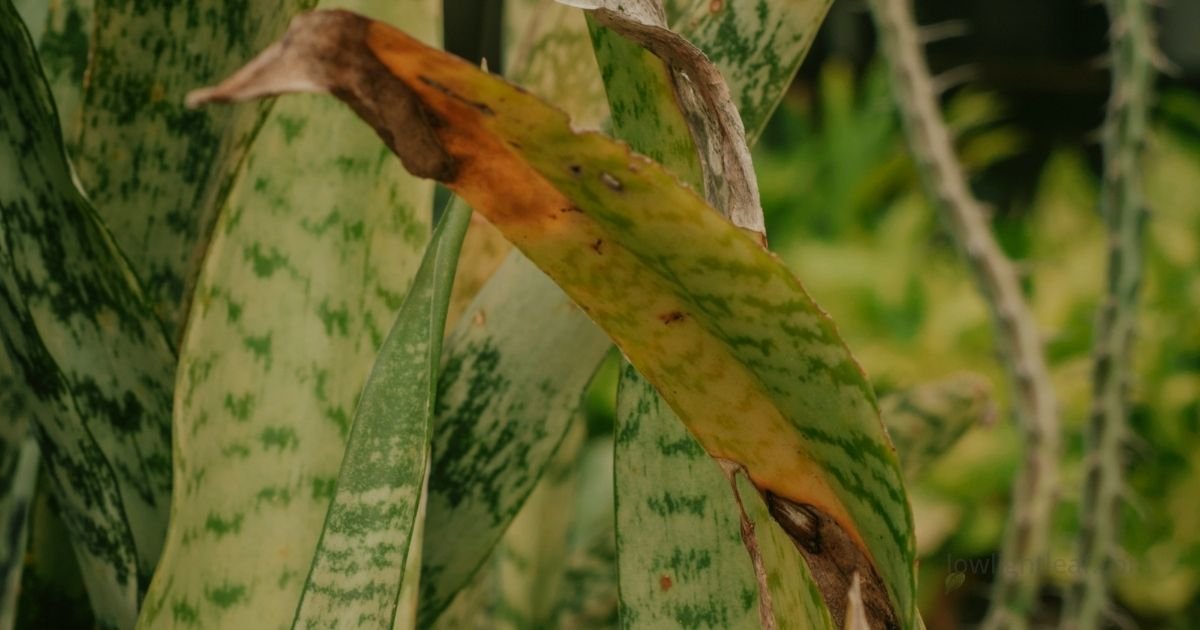
Overwatering symptoms tend to worsen rapidly once they appear:
- Yellowing or translucent leaves
- Soft or mushy stems near the base
- Soil that remains wet for extended periods
At this stage, inspecting the roots is critical. The checks to run, in order, are in why is my snake plant drooping.
How to Fix an Overwatered Snake Plant
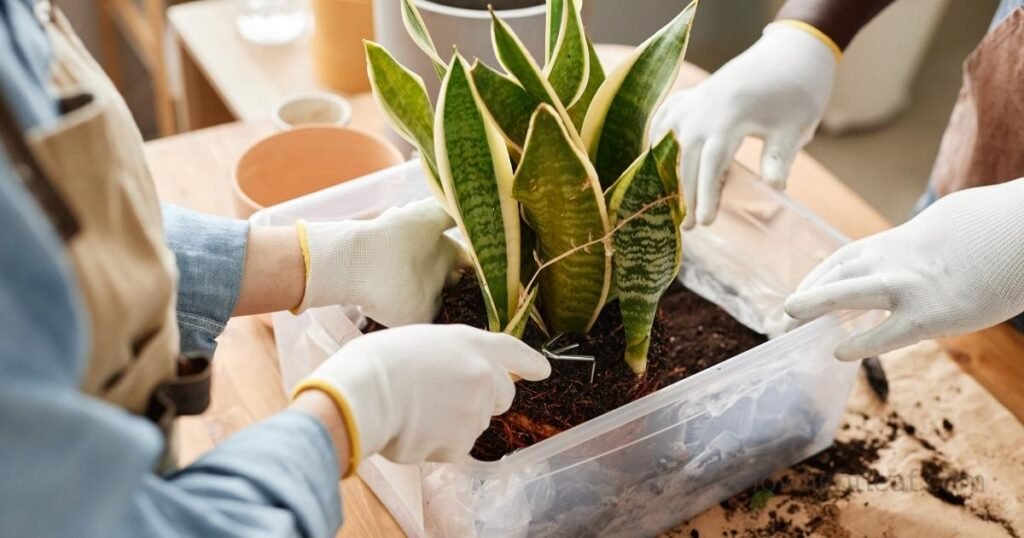
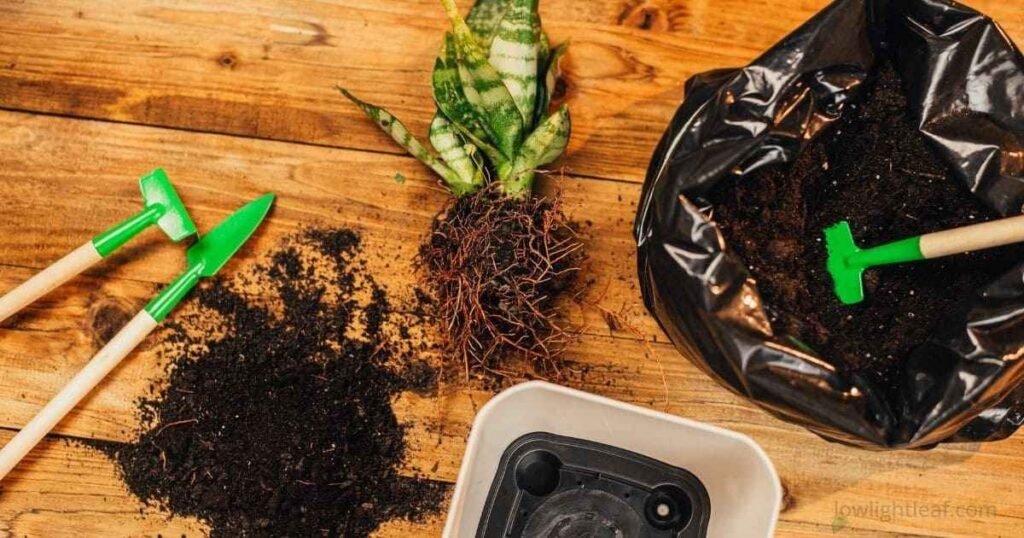
If overwatering is suspected, carefully lift the plant from its pot and inspect the roots. Strong roots feel solid, whereas rotting roots are soft and discolored. Cut away the damaged parts, let the healthy roots air out, and repot using fresh, well-draining soil. In the future, cut back on watering and pay closer attention to soil dryness.
How to Revive an Underwatered Snake Plant
When a snake plant has been dry for too long, it’s best to reintroduce moisture slowly rather than all at once. Extremely dry soil can become compacted and repel water, causing it to run straight through without reaching the roots. Instead, water deeply and allow the soil to absorb moisture gradually.
In most cases, snake plants bounce back quickly once you water them properly. With a few careful waterings and a return to a consistent, soil-based watering routine, the plant usually regains its strength and firmness over time.
Snake Plant Watering Mistakes
- Watering on a fixed schedule
- Ignoring soil moisture levels
- Using containers without drainage
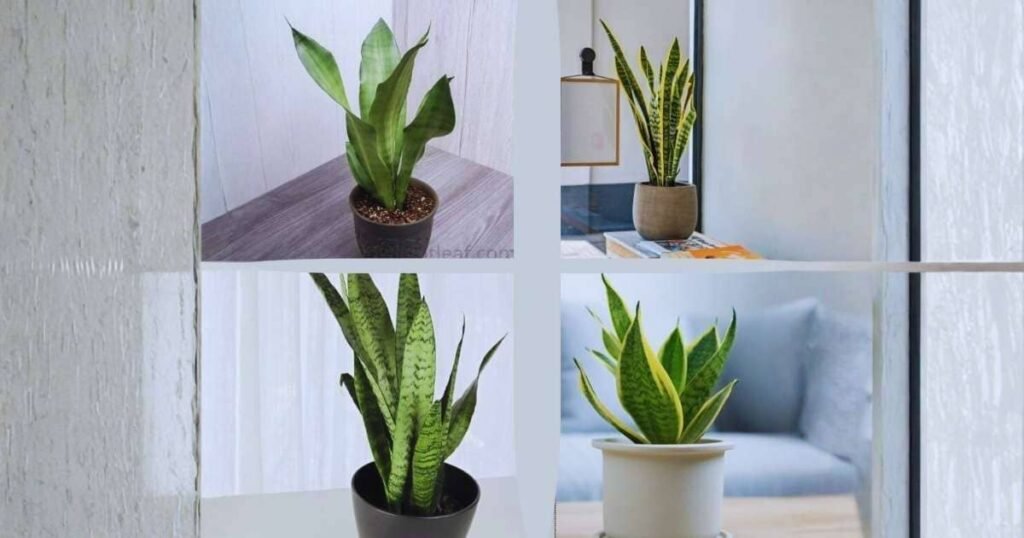
- Treating all snake plants the same, regardless of environment
Observation is more important than routine.
Final Tips for Perfect Snake Plant Watering
Over time, snake plants perform best when watering is based on observation rather than a fixed routine. Waiting for the soil to dry, adjusting as the seasons change, and paying attention to the plant itself make a noticeable difference and help maintain long-term plant health with minimal effort.
If you enjoy growing low-maintenance houseplants, you may also find our spider plant care guide, and collection of hanging indoor plants helpful for expanding your indoor garden.
FAQs About Snake Plant Watering
How much water does a snake plant need?
Snake plants need very little water. Only water when the soil has completely dried out, which usually happens every 10–14 days. During winter, reduce watering further as growth slows.
Can a snake plant go 2 weeks without water?
Yes. Snake plants can easily go two weeks without water. Their moisture-storing leaves help them tolerate dry soil, and overwatering is a much greater risk than brief dryness.
Is it best to water a snake plant from the top or the bottom?
You can water a snake plant from either the top or the bottom. Both methods work well, but bottom watering often benefits mature plants with deeper root systems.
What if the soil is too wet for my snake plant?
If the soil becomes too wet, drain any excess water immediately. If moisture lingers, remove the plant from the pot, clear away the damp soil, and allow the roots to dry before repotting.
How do I know if my snake plant is thirsty?
Your snake plant needs water when the soil is completely dry and the leaves feel firm but slightly less plump. Dry, loose soil is the clearest sign it’s time to water.

Ellie Marsh
Houseplant grower who spent years in a north-facing apartment. Writes practical care guides for low light homes, checked against extension and botanical garden sources.