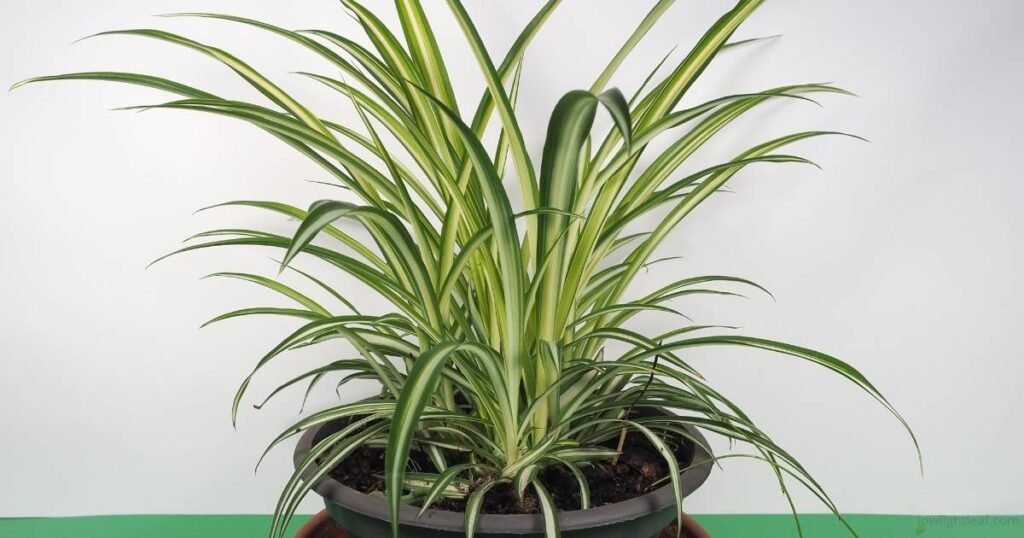
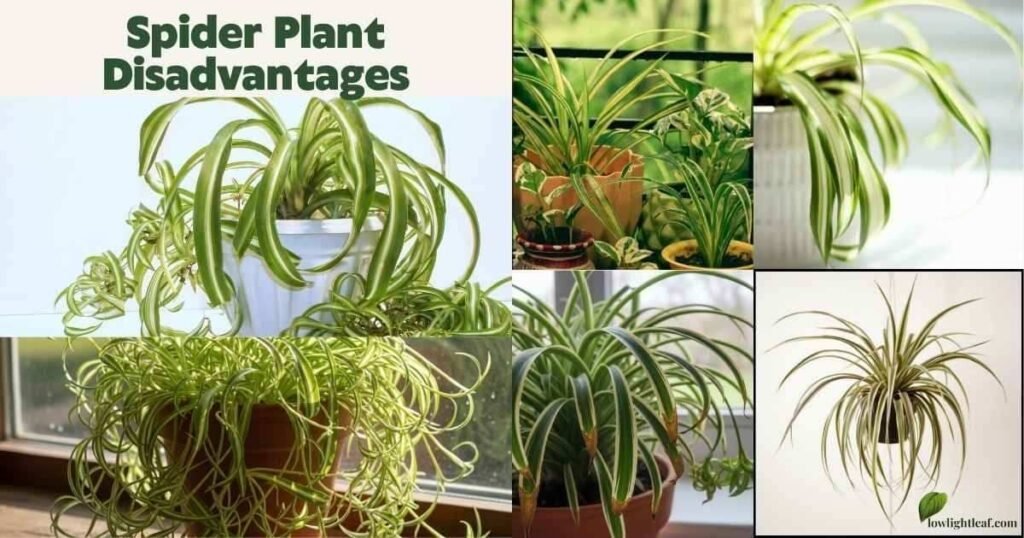
Spider plants come with their own set of disadvantages, and many beginners or busy plant lovers struggle with issues such as brown leaf tips, frequent pruning, sensitivity to distilled water, and pest problems. Spider Plant disadvantages usually appear after a few months of growth, especially in indoor environments with tap water, dry air, or limited sunlight. My purpose is not to discourage you, but to provide an honest and realistic review. Understanding these drawbacks helps beginners care for spider plants more effectively and decide whether this plant truly suits their lifestyle.
The spider plant is one of the most popular and easiest indoor plants, loved for its long, arching green leaves with white stripes. But wait! Do you think the Spider plant is completely perfect, or does it have no hidden cons? Many indoor gardeners research the disadvantages of the spider plant before bringing it home, especially when growing it indoors long-term, understanding maintaining a healthy spider plant at home requirements.
Spider Plant Disadvantages
| Problem Area | Visible Symptoms | Likely Cause | Recommended Action |
|---|---|---|---|
| Water Sensitivity | Brown leaf tips | Fluoride and salt buildup from tap water | Use filtered or rainwater for watering |
| Fast Growth | Messy, spreading leaves | Rapid leaf and spiderette production | Trim runners regularly to control shape |
| Overwatering Risk | Yellow, drooping leaves | Waterlogged soil or poor drainage | Allow soil to dry slightly before watering |
| Low Humidity | Dry or crispy leaf tips | Dry indoor air or heating systems | Increase humidity or mist occasionally |
| Low Light Stress | Pale or weak leaf growth | Insufficient indirect light | Move plant to brighter, indirect light |
| Pet Interaction | Chewed or damaged leaves | Cats attracted to foliage texture | Place plant out of pets’ reach |
| Soil Quality Issues | Slow growth, recurring brown tips | Heavy or compact soil mix | Use light, well-draining potting soil |
Brown Leaf Tips are very Common
Brown tips on Spider Plant leaves are a very common issue. In most cases, this problem is linked to water sensitivity. Spider plants are sensitive to chemicals such as fluoride, which is often added to tap water for treatment. Over time, these chemicals and excess salts build up in the soil, leading to leaf tip browning.
Excessive sunlight is another major cause of brown leaf tips. When exposed to strong or direct sunlight for long periods, spider plant leaves can become stressed and scorched, resulting in dry, brown ends. Providing filtered or bright indirect light and using low-mineral water can help keep the foliage healthy and green.
Solution:
Water your spider plant with rainwater whenever possible, as it is free from harmful salts and chemicals commonly found in tap water. Additionally, avoid prolonged exposure to direct sunlight. Place the plant in bright, indirect light to protect the leaves from scorching and to maintain healthy, vibrant growth.
Spider Plant Root Rot Risk
Spider plants may look tough, but their roots are sensitive to excess moisture. Overwatering or poor drainage can keep the soil too wet for too long, limiting oxygen around the roots. When this happens, roots begin to soften and rot, leading to yellow leaves, drooping growth, and an unhealthy smell from the soil. Root rot often develops below the surface, making it difficult to detect early.
Solution:
Always place a spider plant in pots with drainage holes and use well-draining soil. Let the top inch of soil dry before watering again. If roots appear mushy, trim the damaged parts and repot in fresh soil immediately.
Sensitive to Very Dry Indoor Air
While spider plants adapt well to indoor conditions, extremely dry air can stress their leaves. Low humidity, especially during winter or in air-conditioned rooms, often causes leaf tips to dry out and turn brown. Even with proper watering, dry indoor air can slowly weaken the plant’s overall appearance.
Solution:
Increase humidity by light misting, grouping plants together, or using a small humidifier. Keep the plant away from heaters and AC vents to reduce moisture loss.
Soil Quality Matters More Than Expected
Spider plants do not perform well in heavy or compact soil. Poor soil structure restricts airflow and drainage, leading to salt buildup and weak root development. Over time, this can cause leaf discoloration, slow growth, and recurring brown tips.
Solution:
Use a light, airy potting mix with good drainage. Mixing regular soil with perlite helps improve airflow and prevents moisture buildup around the roots.
Needs Regular Pruning
Spider plants are fast growers, which means they require frequent trimming to stay neat and healthy. Their rapid growth often leads to overgrown leaves and runners, making the plant look messy if not maintained regularly.
In addition, brown or dead leaf tips are common and need to be cut off to maintain a clean appearance. Without routine pruning, the plant can quickly lose its attractive appearance, making it challenging for beginners or those with a busy schedule.
Rigid Leaves
Spider plant leaves are spiky and pointed, so extra care is required while watering or handling the plant. Because of their sharp edges, this plant is an important consideration when choosing, especially for households with small children or pets, where safety and easy maintenance are a priority.
Solution:
Place the spider plant in a safe, elevated location away from children and pets. Handle the plant gently during watering or pruning, and avoid placing it in high-traffic areas to reduce the risk of accidental contact.
Not Ideal for very low-light areas
The Spider Plant thrives in indirect light. While it can survive in low-light conditions, prolonged exposure to insufficient light can affect its health, especially when compared to plants that handle low light conditions better. In areas with only low light, the plant’s growth slows down, leaves lose firmness, and they may turn pale or yellowish due to reduced photosynthesis. Proper lighting is therefore essential to keep your spider plant healthy and vibrant.
Solution:
Place the spider plant near a bright window with indirect sunlight. If natural light is limited, use a grow light to support healthy growth and prevent pale or weak leaves.
May Attract Common Houseplant Pests
Spider plants are generally hardy, but they can occasionally attract common houseplant pests. Spider mites are the most frequent, while aphids are rare but still possible. Pests are more likely to appear in dry conditions, so maintaining proper humidity and regularly checking the plant can help prevent infestations.
Solution:
Inspect the plant regularly for early signs of pests and wipe the leaves with a damp cloth. Maintain moderate humidity and, if needed, treat infestations with neem oil or mild insecticidal soap.
Mild Toxicity Risk for Pets:
While spider plants are not deadly, they can cause stomach upset if chewed in large quantities, according to ASPCA, especially for curious cats. Cats, in particular, are known to nibble on the leaves, so it’s important to keep an eye on pets and discourage excessive chewing to avoid discomfort.
Solution:
Keep spider plants out of pets’ reach by placing them on high shelves or in hanging baskets. If pets continue chewing, consider switching to fully pet-safe indoor plants to avoid digestive discomfort.
Spider plant Can Look Messy over Time
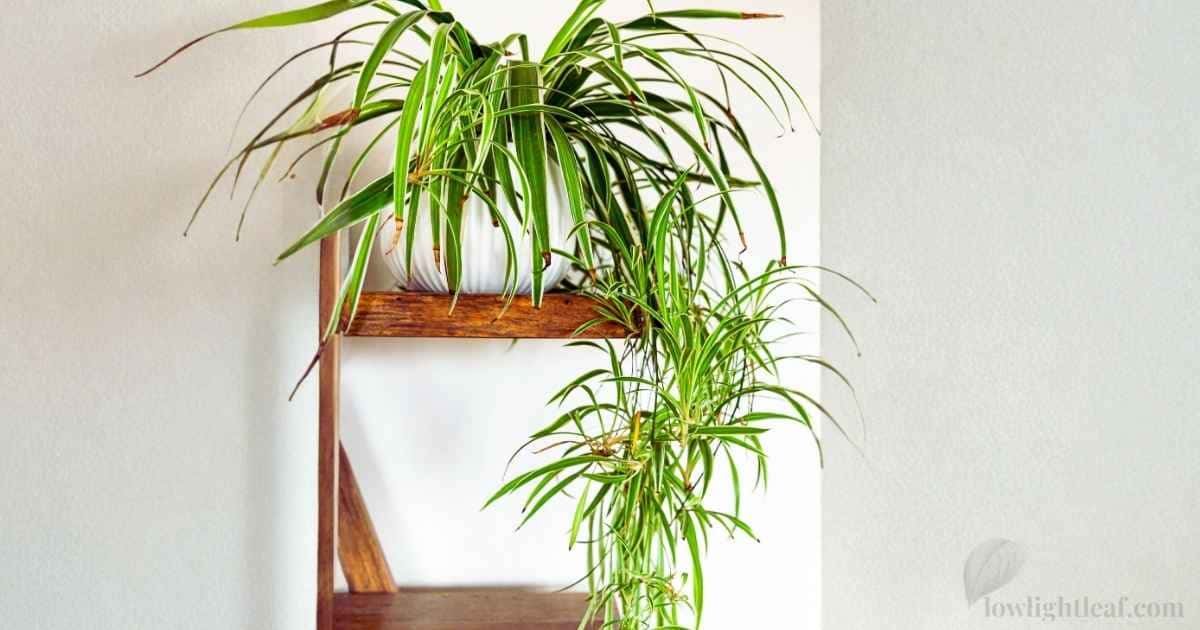
Due to the spider plant’s long, arching leaves, it naturally spreads outward rather than growing upright. In small homes or limited spaces, this wide growth can cover a large area, making the plant look crowded or untidy, especially when placed on shelves or side tables. As the plant matures, it begins producing multiple babies along long runners, which many people use for growing new spider plants from runners.
While these baby plants look attractive in spacious or hanging setups, they are not suitable in compact homes. They often hang everywhere, tangle with nearby objects, and disrupt the space’s overall neat appearance. Managing these runners requires regular pruning or hanging arrangements, which can be inconvenient for beginners or people with limited room.
Solution:
Trim long runners regularly to keep the plant neat and controlled. Place spider plants in hanging baskets or elevated spots where arching leaves can fall naturally. If space is limited, remove excess baby plants to maintain a clean and balanced appearance.
Fast Growth Can Become a Problem
To begin with, spider plants grow faster than most people expect. In small pots, the roots quickly fill the container, so you’ll need to repot more often to keep the plant healthy, similar to other fast-growing houseplants that require timely repotting to avoid root problems.
Requires More Maintenance Than Expected
Moreover, constant root expansion and spiderette production mean that spider plant care for beginners isn’t completely hands-off. Without timely pruning and repotting, overcrowding can harm the plant’s health and appearance.
Sensitive to Water Quality
Spider plants are sensitive to chemicals in tap water. Fluoride and salts can cause leaf discoloration and stress, so filtered or distilled water is often required, which may be inconvenient for some plant owners.
Are Spider Plant Disadvantages Really a Big Problem?
Spider plant disadvantages aren’t very serious, but they do need attention. Before buying a spider plant, it’s always wise to pause and think, especially if your home lighting is limited and you may need easy indoor plants that grow well in low light. Is it safe for your pets and children? Can you provide the environment and care that every spider plant truly deserves?
This isn’t to discourage you; just an honest reminder that even the easiest houseplants need the right conditions to thrive, and remember – no plant is perfect. The key is choosing the plant that fits your lifestyle and environment. Scroll down to explore the advantages of the Spider Plant.
Is Spider Plant Right for You?
Before buying a spider plant, it’s important to consider a few key factors:
Spider Plant is a Good Choice if:
A spider plant is an excellent option for beginners, especially if you can provide bright, indirect light. It’s also a great choice if you enjoy watching plants grow quickly and like propagating new plants. If you have time and give your plant the attention it needs, propagating it can be a fun and rewarding process.
You may avoid the spider plant if:
You may want to avoid a spider plant if you cannot provide adequate light or don’t have enough time for regular maintenance. Spider plants grow rapidly and need pruning; otherwise, they can look messy rather than neat and structured.
If you prefer a clean, lined-up, or minimal look in your space, the spider plant’s arching and bouncing leaves may not suit your style, and you may prefer upright plants with a cleaner growth habit instead.
Conclusion
The spider plant is widely admired but requires proper lighting to look its best, grows quickly, is prone to brown tips, and needs regular maintenance. Without proper care, the plant can give your home a cluttered or messy appearance. If you have pets or children and limited time for maintenance, it may be better to choose a more structured, low-maintenance plant that require less attention. Every plant has its pros and cons;choose the one that truly fits your lifestyle.
FAQs: Spider Plant Disadvantages
What are the disadvantages of a spider plant?
The main disadvantages of a spider plant include fast root growth that leads to frequent repotting, brown leaf tips caused by tap water chemicals, and a tendency to look messy without regular pruning. In very low light, growth slows and leaf color may fade. While these issues are manageable, they require consistent care.
Why do spider plant tips turn brown?
Spider plant tips usually turn brown due to fluoride, chlorine, or salt buildup from tap water. Low humidity and over-fertilizing can also contribute. Using filtered or rainwater and flushing the soil occasionally helps reduce browning.
Is the spider plant bad for pets?
Spider plants are considered non-toxic to cats and dogs. However, pets may chew the leaves, which can sometimes cause mild stomach upset. Keeping the plant slightly out of reach can prevent damage.
Why does my spider plant look messy over time?
Spider plants grow quickly and produce long leaves and multiple spiderettes. Without trimming, they can spread widely and lose their compact shape. Regular pruning keeps the plant neat and controlled.