Last updated on February 26, 2026
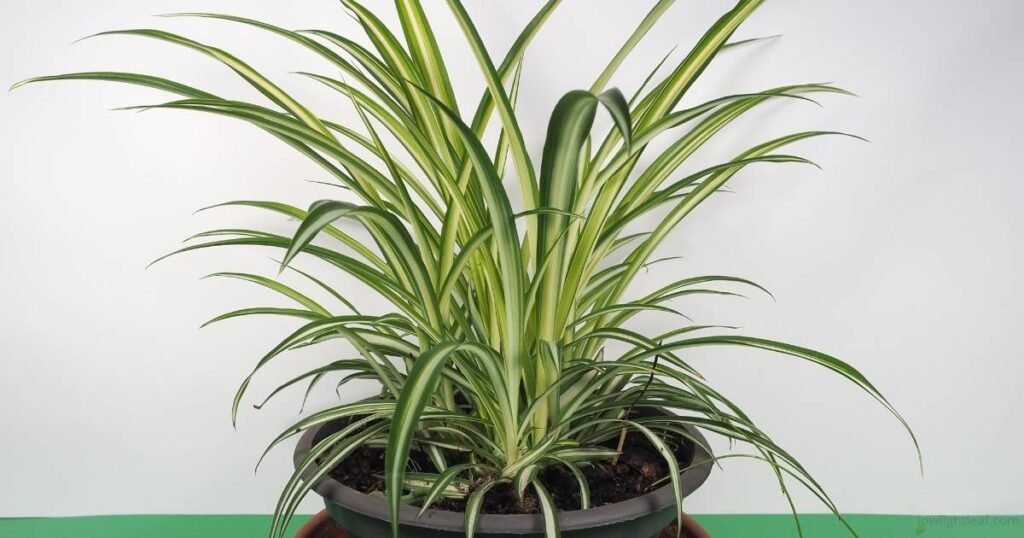
Spider plant care is simple, reliable, and perfect for beginners who want an easy indoor plant. With the right balance of bright, indirect light, consistent watering, and well-draining soil, spider plants grow quickly and produce small plantlets that make propagation effortless. Known botanically as Chlorophytum comosum, the spider plant features long, arching green leaves with creamy white stripes that can reach up to one foot in length. Its graceful, cascading growth makes it ideal for shelves, hanging baskets, and tabletops. In this complete spider plant care guide, you’ll learn how to grow, maintain, and keep your plant healthy indoors while managing common care challenges with confidence.
Discover here why plant lovers around the world call the Spider Plant the ‘Queen of Easy-Care Houseplants.
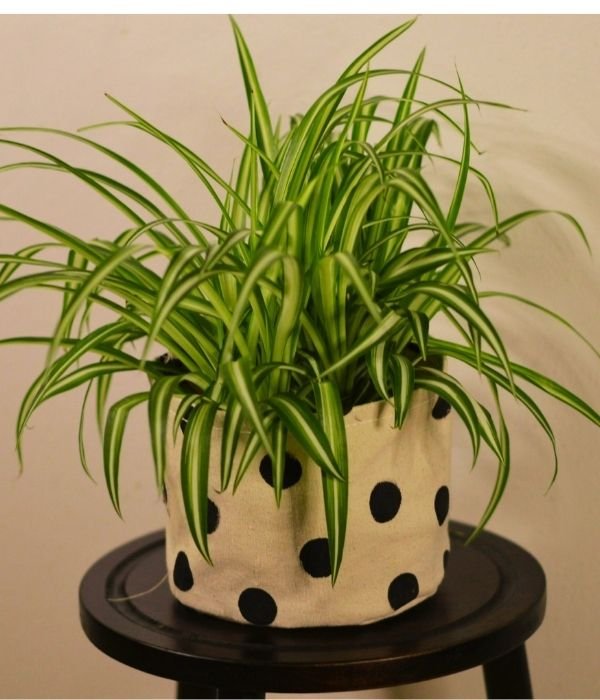
Common Name: Spider Plant, Ribbon Plant, Spider Ivy
Scientific Name: Chlorophytum Comosum
Botanical Family: Asparagaceae
Plant Type: Herbaceous, perennial
Mature Size: 1–2 ft tall and wide
Sunlight Required: Partial, Shade
Soil Category: Well-drained, Loamy and Neutral pH
Bloom Time: Four Seasons
Bloom Colour: White, Yellow
Resilience: 9–11 (USHD)
Native Habitat: Africa
How to Plant a Spider Plant (Using Pups)
- ■ Choose a healthy pup with small roots already developed.
- ■ Always ensure a pot with drainage holes to prevent waterlogging.
- ■ Fill the pot with well-draining soil, such as indoor potting mix + perlite.
- ■ Place the pup in the center and gently cover its roots with soil.
- ■ Water lightly until the soil feels evenly moist.
- ■ Keep it in bright, indirect light to encourage quick growth.
Step-by-Step Guide to Grow Spider Plant from the Seed
Growing a Spider Plant from seed can be tricky, so following a proper propagation method is essential UW Spider Plant Guide.
We suggest either propagating it or, if you want to experience the plant growing from a seed, following this guide.
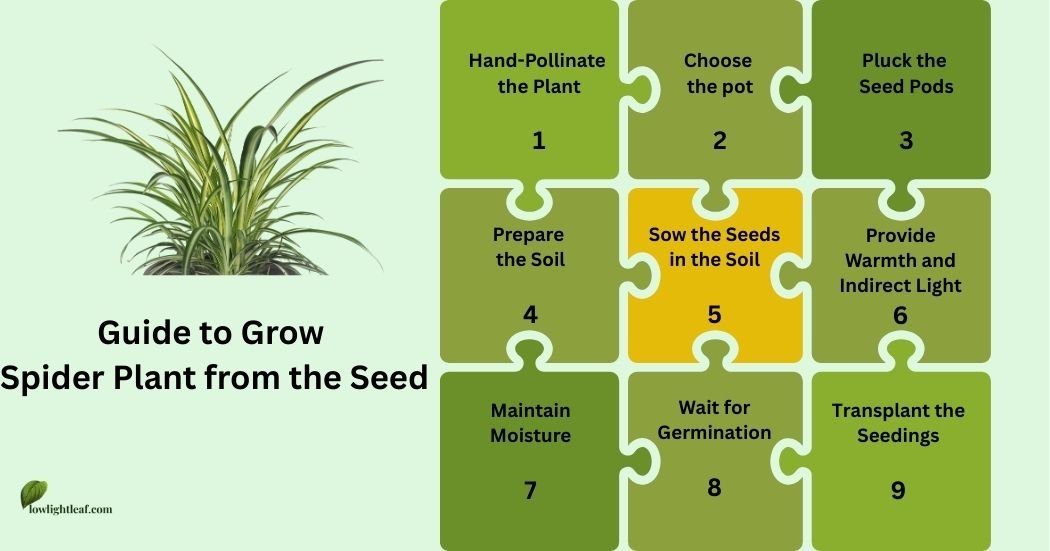
■ Hand-Pollinate the Plant
To form seeds, the Spider Plant flowers must be hand-pollinated. Use a small paintbrush to transfer pollen between the blooms. Brush at least four to five flowers to help them fertilize properly and ensure successful seed formation.
■ Choose the pot
For better growth, always use a pot with drainage holes. Since the this Plant is an indoor plant and thrives in humidity, its soil can become soggy, which may lead to root rot. Using a pot with drainage holes helps the soil dry properly and keeps your plant healthy.
■ Pluck the Seed Pods
After brushing, when the flowers fade, you will notice small green pods; these are the Spider Plant seeds. Once they dry, gently pluck the seed pods from the plant and store them for planting purposes.
■ Prepare the Soil
Prepare a light, well-draining potting mix soil and break it up a little so the seeds can fit easily.
■ Sow the Seeds in the Soil
Always plant the seeds about 1/2 inch deep in loose, well-draining soil for proper growth.
■ Provide Warmth and Indirect Light
Always keep the pot in a hot area with indirect light to support the seeds germinating smoothly.
■ Maintain Moisture (Optional Covering)
Lightly mist the soil and, optionally, cover the pot with a thin plastic sheet to maintain stable humidity until the seeds sprout.
■ Wait for Germination
Seeds may take time to sprout, so make the soil a little moist and avoid direct sunlight.
■ Transplant the Seedlings
Once seedlings have grown a few leaves, gently shift them into separate small pots. Now your plant is ready to grow.
Growing spider plants from seeds is possible but slower and less reliable than propagation using pups.
Spider Plant Care Guide for Beginners (Chlorophytum Comosum)
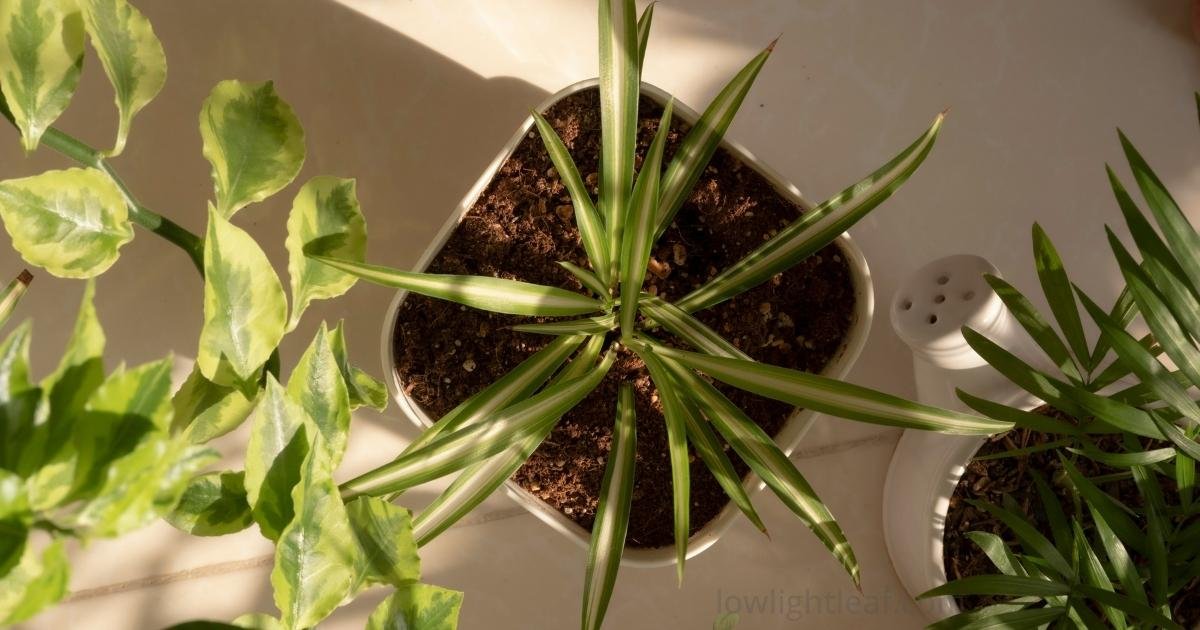
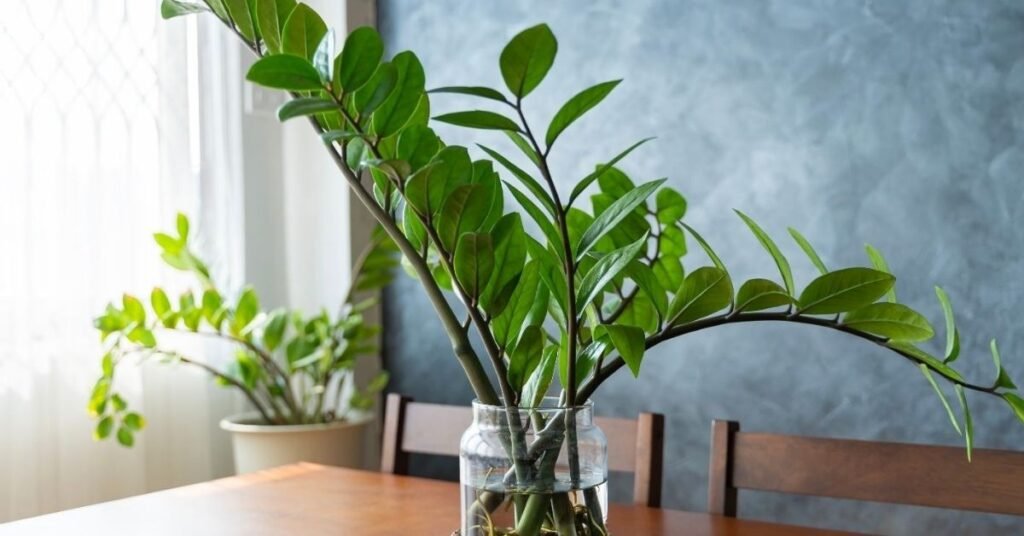
Spider Plant care is the easiest and perfect for beginners. These hardy plants like ZZ Plants don’t ask for much; just bright, indirect light, a bit of water when the soil dries out, and a normal room temperature. With simple care, they grow quickly, produce small white flowers, and form baby ‘spiderettes’ that hang down like tiny plantlets.
Quick Spider Plant Care Summary
- Light: Bright, indirect
- Water: When the top inch is dry
- Soil: Well-draining, loamy
- Temperature: 60–80°F
■ Soil
They aren’t very picky, but they do best in loose, slightly chunky soil that doesn’t hold too much water. Something close to a loamy mix works great as long as the pH stays somewhere around 6 to 7, making this an essential part of proper spider plant care.
■ Light Requirements for Proper Spider Plant Care
The Spider Plant prefers bright, indirect sunlight. While it can tolerate outdoor conditions, direct sunlight may scorch its delicate leaves. Spider plants can adapt to low-light areas as well. If you love plants that thrive in shade, check out our full guide on Low Light Indoor Plants.
■ Water
The Spider Plant prefers loamy, well-draining soil that stays slightly moist. A simple rule is to water when the top of the soil feels dry. Whenever possible, use rainwater or distilled water, as Spider plants don’t grow well with the additives in regular tap water.
Steady Watering
While spider plants can tolerate short dry spells, they grow best with consistent moisture. To stay on track, check the soil with a moisture meter and water right before the reading dips into the dry zone.
■ Temperature and Humidity
The Spider Plant thrives in warm temperatures and can thrive in conditions like temperature as low as 50°F. However, it should be kept away from direct air conditioning vents to prevent cold drafts.
Ideally, place it indoors near a bright window where it can receive gentle warmth and indirect sunlight. Maintaining a temperature around 60°F (15–27°C) with moderate humidity helps the plant grow healthy and vibrant, supporting overall spider plant care.
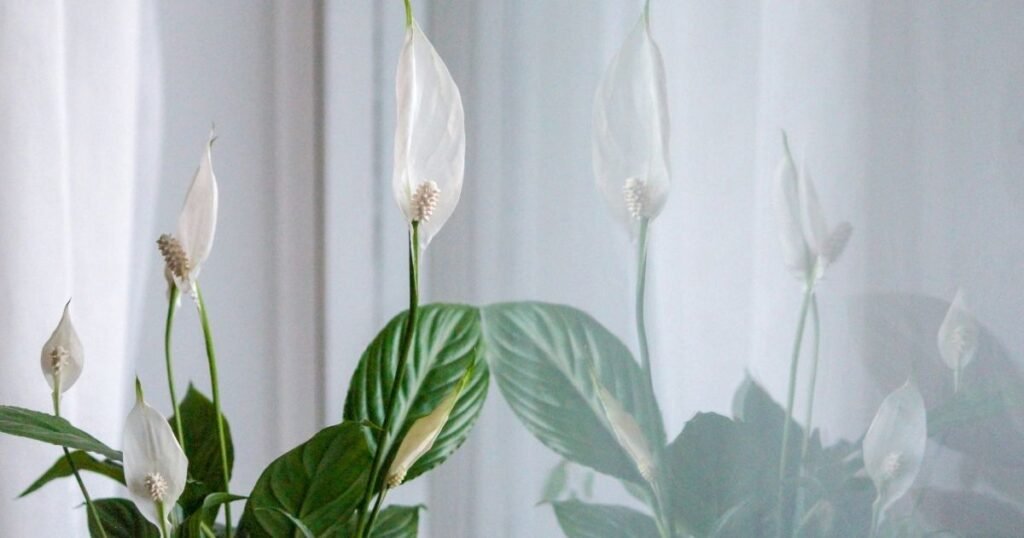
For plants with similar humidity and indoor requirements, you can also explore our complete Peace Lily Care Guide.
■ Fertilizer for Spider Plant Care
When considering care for a spider plant, it’s important to remember that these plants are relatively low-maintenance and do not require frequent fertilization. Give your spider plant a monthly feeding in spring and summer. Always use a diluted, balanced liquid fertilizer. Don’t fertilize in fall or winter when growth naturally slows.
■ Pest Prevention
Spider plants are usually resistant to pests. However, they can be affected by mealybugs or spider plant mites, especially when the plant is stressed or overwatered. To prevent these issues, gently wash the leaves with insecticidal soap, then apply a light coating of neem oil for added protection. Additionally, keeping the plant clean and regularly checking the undersides of the leaves helps you catch spider mites early before they spread.
Pruning a Spider Plant
It’s essential to remove the leaves that turn yellow or brown from the beginning, a process known as pruning. Pruning enhances the appearance and health of the Ribbon plant, giving it a bushier look.
How to Prune a Spider Plant
A spider plant doesn’t need regular pruning.
- ■ If you note any brown foliage from the base or growing spiderettes, then it’s time for a pruning. For pruning, use clean scissors and pruning shears.
- ■ If only the tips are brown, cut them with scissors in a slightly mimicking leaf shape.
- ■ If the spiderettes are overgrown and give the plant a messy look, cut them off from the base. It helps the mother plant save energy and grow healthier.
- ■ If the foliage becomes thin and brown from the base, cut it with clean scissors, but remove only (20%–25%) at a time.
- ■ If you notice bulky roots or roots circling the pot, it’s time for root pruning. Remove the plant, trim (10%–20%) of the roots, and repot with fresh soil.
Spider Plant Flowers
Spider plants often produce small, delicate white flowers when they’re getting the right light, moisture, and overall care. These blooms eventually turn into tiny ‘spiderettes’, which you can use for easy propagation.
Spider Plant Propagation Methods
Propagation is a simple and effective way to grow a new spider plant using its own “babies,” also known as spiderettes. If you want to share your Chlorophytum Comosum with friends or expand your plant collection, propagation is a great idea.
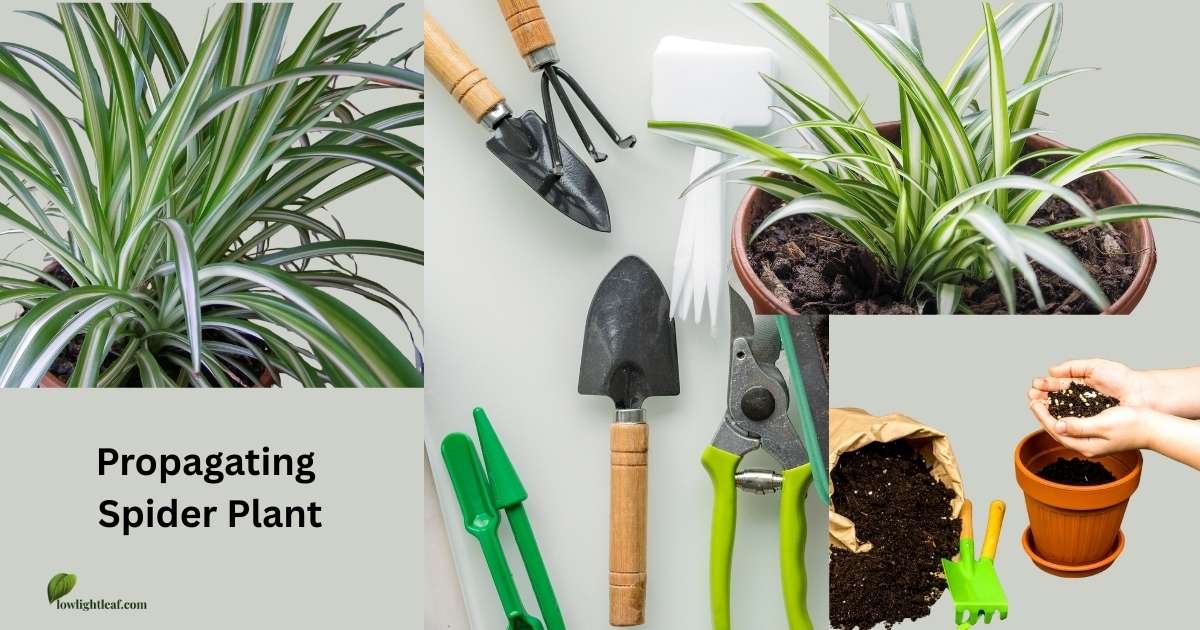
Spiderets
Spiderets are the baby of the spider plant, also called pups, babies and plantlets. They grow from the long stems of the Spider Plant. These offshoots develop leaves and tiny roots as they attach to the mother plant.
Propagation Through Spiderettes (Plantlets)
➔ Maturing: First, allow the spiderettes to mature before propagating. To ensure they will survive on their own, wait until each spiderette has at least five leaves, each about 5 cm long.
➔ Cutting: Once your spiderette has reached this stage, cut it off the mother plant, leaving about ⅔ cm of stem attached to the spiderette. After removing it, trim the remaining stem from the mother plant.
➔ Prep Pot: Prepare a pot; terracotta pots are recommended for planting Chlorophytum Comosum plants. Each plantlet only needs a small pot, roughly around 3 inches in diameter, since the spiderette’s roots are not yet fully developed.
➔ Filling soil: Fill the pot with fresh potting mix, moisten the soil, and place it in a warm location to encourage root growth.
➔ Planting Plantlet: Place the plantlet on the soil surface and lightly cover its tiny roots. They’ll need time to grow and settle in. Keep the soil slightly moist.
➔ Caring/Growing: Now care for it as you would a new plant. With proper attention, it will grow into a healthy new plant. Always use chemical-free water, such as rainwater, as treated water can cause damage to the plant.
Propagating Spider Plant Through Root Division
Spider plants can also be propagated via root division. Simply remove the plant from its pot and gently separate the root ball into smaller sections, ensuring each section has healthy roots and foliage.
Always Avoid breaking too many roots during separation. Once divided, replant each section into its own pot with fresh soil. This method quickly gives you several established plants ready to grow.
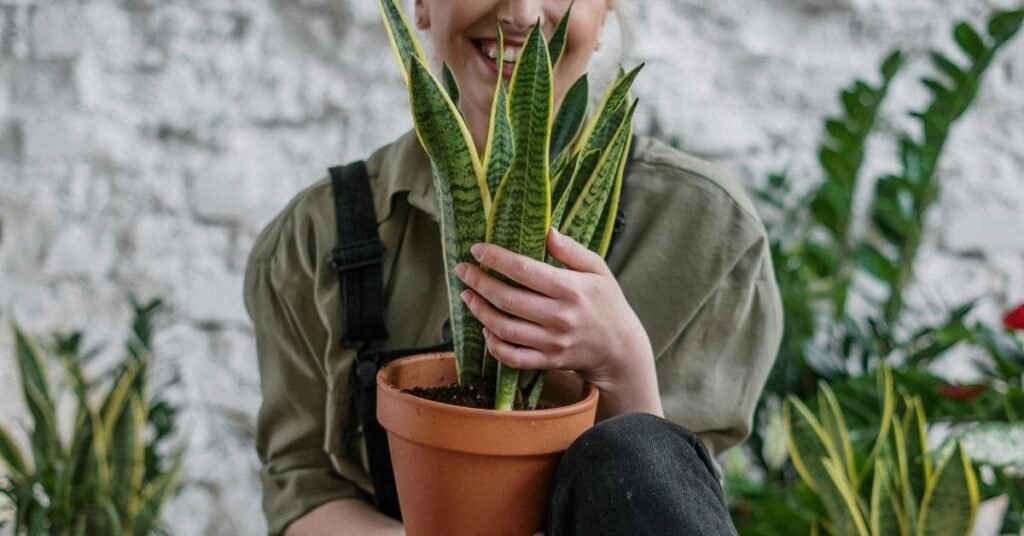
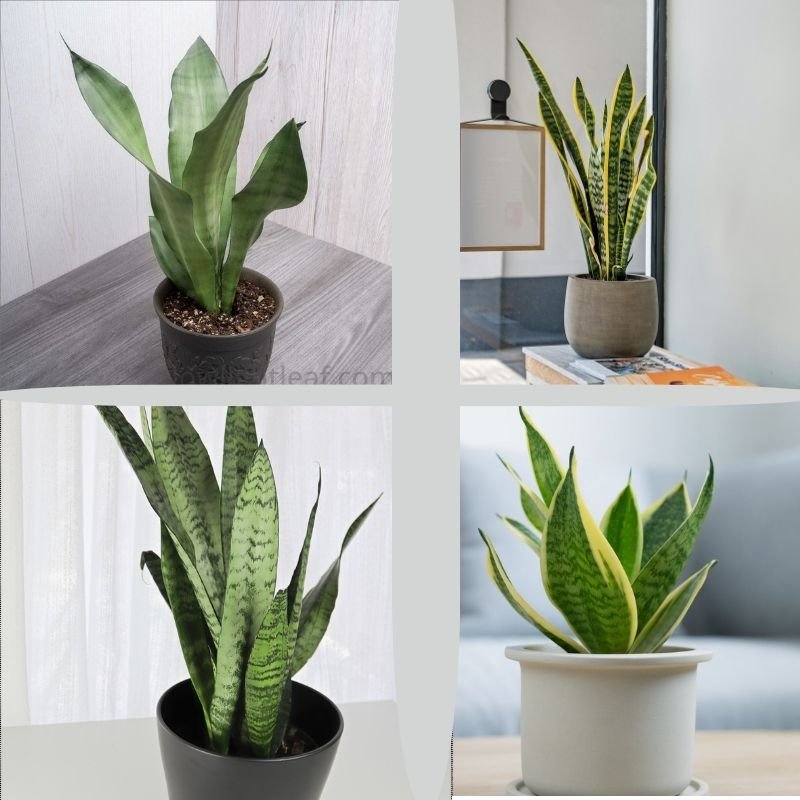
If you enjoy growing easy-care houseplants like the Spider Plant, you’ll also find our Snake Plant Care Guide incredibly helpful.
Benefits of Spider Plant
Ever wondered why spider plants are one of the most recommended indoor plants for beginners? So many people love the spider plant for a good reason. It is easy to grow and take care of. With so many natural advantages packed into one low-maintenance plant, the spider plant truly stands out as a must-have addition to any indoor space.
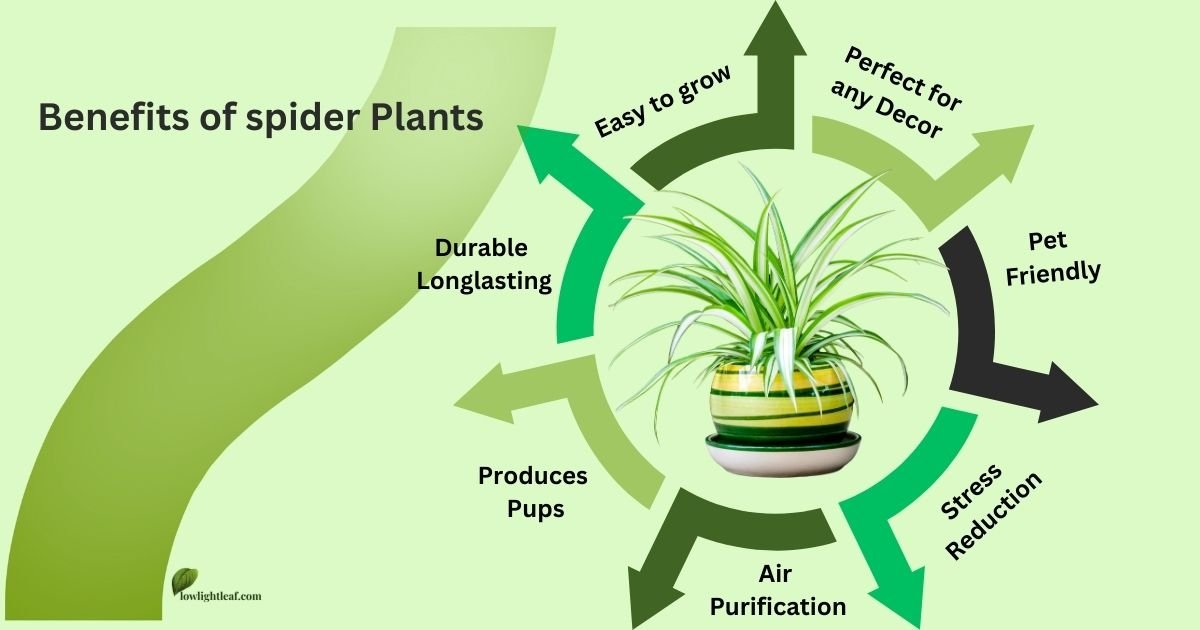
Easy to grow
If anyone wants a houseplant that requires minimal effort, the spider plant care is one of the easiest to manage, making it the best choice for beginners. It can thrive in medium to low light with medium humidity and temperature.
Perfect for any Decor
The long green plant with white striped leaves makes any corner of your house more beautiful. Whether placed in a hanging basket or on a tabletop, it adds a fresh, soothing look to the space for visitors.
Stress Reduction
There is substantial evidence that indoor plants, mainly the Spider Plant, support positive mental health, including better sleep, improved mood, increased happiness, reduced stress, and less isolation. Caring for plants can lower anxiety and promote relaxation.
Pet friendly
Compared to other toxic houseplants like the peace lily and pothos, the spider plant is a safer choice for pets such as cats and dogs. Always place your spider plant in a higher spot to prevent any accidental damage from pets.
Air purification and Boosts Oxygen Levels
Spider plants remove harmful toxins like formaldehyde and xylene from the air. Plus, it naturally helps clean the air and is completely safe for kids and pets RHS Spider Plant. Like all plants, it also releases oxygen and increases humidity, which can improve overall air quality and make indoor spaces feel fresher.
Naturally Produces Pups
Spider plants produce little “pups” that you can replant, share, or use to grow more plants for free.
Durable and Long-Lasting
Spider plants are hardy and can survive neglect, irregular watering, and different temperatures. They grow quickly and can live for many years.
Spider Plant Disadvantages (Quick Overview)
Spider plants are easy to grow, but they are not completely maintenance-free. Their fast growth means frequent repotting may be required. Brown leaf tips are common, especially if tap water contains fluoride or salts. Additionally, in very low light, growth slows down and the plant may lose its vibrant color. While these issues are manageable with proper care, it’s important to understand them before bringing the plant home.
👉 For a detailed breakdown of potential drawbacks of spider plants, long-term care challenges, and practical solutions, read our complete guide here.
Common Spider Plant Problems And Solutions
To keep your spider plant healthy, regularly observe it and note anything that looks unusual. It may feel like detective work, but early diagnosis always leads to better plant health.
Below are the most common problems that happen to spider plants and how to fix them:
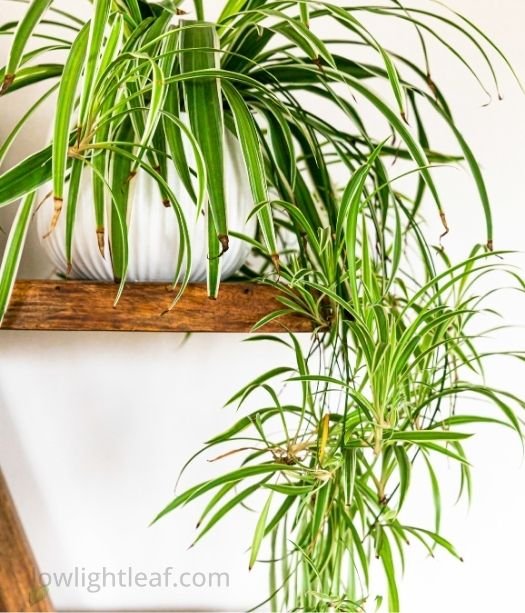
Spider Plant Brown Tips
Problem: Ever this happened to you, you looked at brown tips leaves and wondered, “Why do the edges turn crispy brown, as if the plant had a bad day in the sun?”
Reason: Brown leaves can be caused by fluoride and salts in tap water, dry soil, over-fertilizing, or low humidity.
Solution: Place the plant near a humidifier, maintain a consistent watering schedule, and use rainwater, filtered, or distilled water to avoid chemical buildup. Always avoid over-fertilizing (do not fertilize in winter or fall).
Spider Plant Yellow Leaves
Problem: Have you ever noticed your spider plant’s leaves turning yellow and looking dull, almost as if they’ve lost their energy?
Reason: It usually happens when the soil becomes too dry for too long.
Solution: Use the weekly finger test: check the top inch of soil. If it still feels moist, don’t water yet. Check again after 2 days. This simple habit prevents underwatering and helps keep the leaves fresh and healthy.
Spider Plant Wilting Leaves
Problem: Are you tired of seeing these Wilted leaves? Come with us, we tell you, what are you missing?
Reason: Wilting leaves occur due to insufficient light. Spider plants thrive in bright, indirect sunlight. Overheating can also cause the leaves to wilt.
Solution: If you notice wilting, move the plant to a location with proper humidity and indirect light. Avoid keeping the plant near fireplaces, heat vents, or hot windows, as excessive heat can stress the plant.
Spider Plant Brown Base
Problem: Are you wondering? “Why does your plant base becomes brown?”It’s almost like it’s hiding a sad secret story.
Reason: A brown base on spider plants is usually a sign of overwatering, which can lead to root rot.
Solution: If the plant base starts turning brown, it’s time to repot and prune the roots. Root rot cannot be fixed with minor adjustments; repotting is the best solution.
Tips to Keep a Spider Plant Healthy Long-Term
Chlorophytum Comosum, commonly known as the Ribbon plant or Spider Plant, is a favorite indoor plant for its lush green, long leaves and easy propagation. From experience, I have concluded these secrets for growing a healthy, blooming this plant. By following these steps, you can keep its beauty long-lasting.
■Providing a balanced amount of light is most important, and the key to keeping plants healthy. For a deeper understanding of how different plants thrive in low-light conditions, you can also explore our The Ultimate Guide to Low light Plants.
■The secret of a healthy plant lies in mastering your watering routine. By balancing moisture, using clean water, and avoiding overwatering, you unlock the true secret of a healthy spider plant.
■Another Secret for a healthy spider plant is the Right temperature. Overheating can cause leaf scorch in plants. And a drop in temperature can cause dull leaves due to dryness.
■Always use high-quality mix-potting soil, slightly acidic with a pH of 6.5.
■Spider plants prefer moderate humidity. To achieve the right humidity level, use a humidifier or keep a tray of water nearby.
■A balanced liquid-soluble fertilizer can keep the Spider plant healthy. Ensure Fertilizing every 4-6 weeks during the growing season.
■Sir J. D. Hooker (botanist) said on root behavior:
“Healthy root architecture depends on proper container aeration and space.”
For Spider Plants, we recommend using a pot slightly larger than the root ball and one that has proper drainage holes.
Stylish Ways to Decorate Your Home With Spider Plants
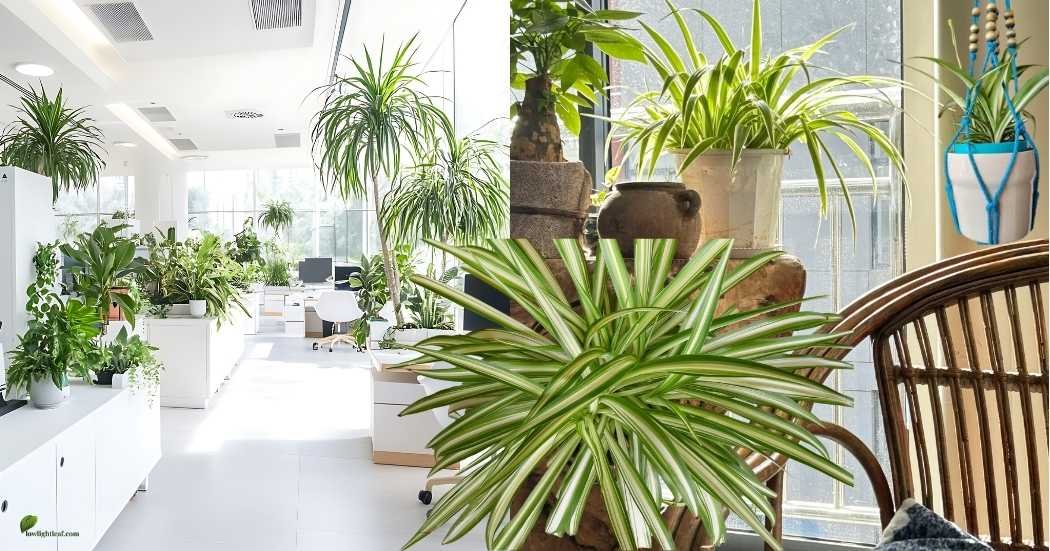
Caring for and planting the Chlorophytum Comosum is not enough unless you know how to showcase its beauty and your care for your visitors. Placing Spider Plants in the right spot will brighten your space, enhance the aesthetic, and showcase their long, arching, lush green leaves.
Here are a few decor ideas to inspire you:
■ Spider Plant in a Hanging Basket
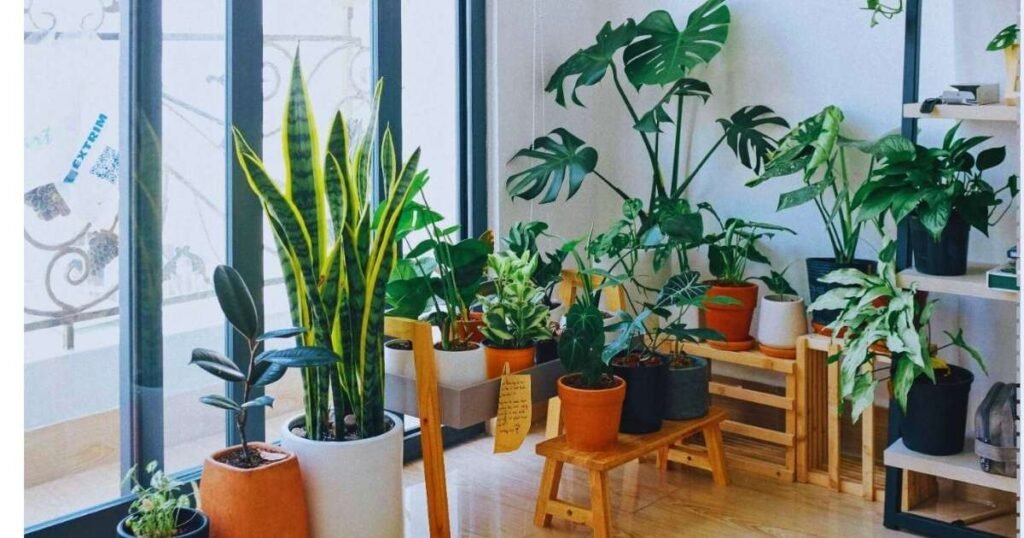
The spider plant looks its best in a hanging basket or pot, making it a popular choice among indoor hanging plants for balconies or living rooms near a bright window.
■ High Table
Additionally, placing your plant on a high table improves visibility, adds height to the room, and keeps it out of reach from pets.
■ Shelves
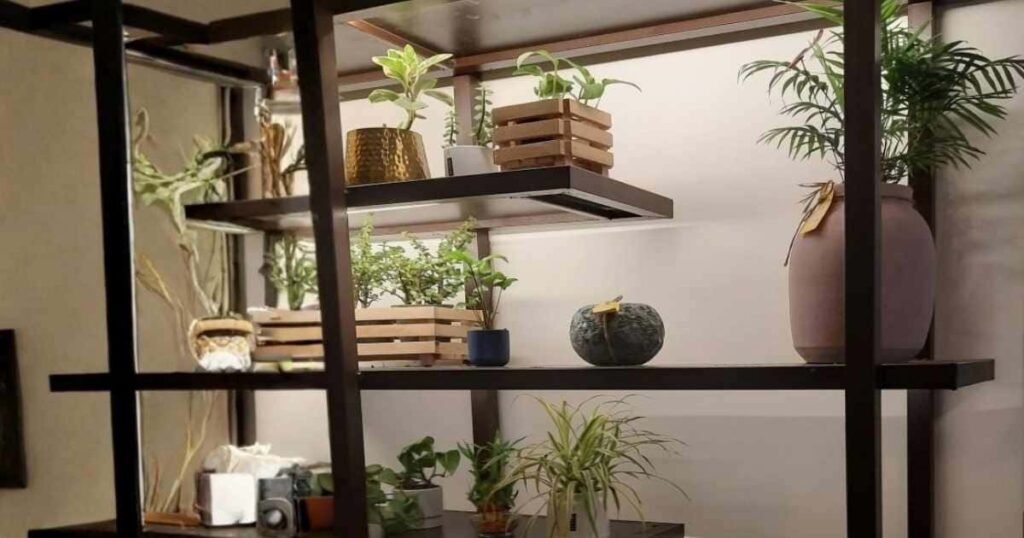
Placing these plants on shelves adds greenery at eye level and livens up your decor. It works best on shelves near windows or under soft, indirect light, allowing the arching leaves and baby plantlets to flow beautifully.
■ Decorative Floor Planters
Placing a Spider Plant in a decorative floor planter is a perfect way to fill empty corners or add greenery to an ample space. Just make sure the plant receives bright, indirect sunlight for healthy growth.
How to Choose a Good Spider Plant
If you are planning to buy a spider plant, always consider these small but essential details.
➔ Pot and drainage: Always Ensure that the pot must have proper drainage holes, as poor drainage can trap excess moisture, increasing the risk of root rot.
➔ Soil used: Always check Plant that you are buying is well-drained potting soil with a mildly acidic pH around 6.5. A warm, slightly moist environment supports healthy growth, and maintaining balanced soil moisture is essential.
➔ Healthy leaves: Always check a plant’s health by looking at its leaves; leaves tell the whole story of how well it has been cared for. If you notice any dull or wilting leaves, avoid buying that plant, as it may be close to developing root rot.
➔ Plant maturity: Choose between a young or mature plant based on your care routine. Young plants are fresh and usually pest-free, while mature plants require less daily care. Picking a healthy plant from the start saves time, effort, and future costs.
➔ Examine Roots: Before buying a plant, always take a moment to check its roots. With the seller’s permission, gently lift the plant from its pot to assess its root health.
Keep in Mind
Keep in mind, root problems aren’t always visible in the leaves. Sometimes the roots may start to weaken early, and the signs only appear later.
Spider Plant FAQs
Where is the best place to put a spider plant?
The best place to put a spider plant is near a bright window with indirect sunlight. An east- or north-facing window works best. Avoid direct harsh sun, heating vents, and very dark corners. A hanging basket or shelf near filtered light helps the plant grow fuller and healthier.
Is the spider plant safe for pets?
Yes, spider plants are considered non-toxic and safe for cats and dogs. However, pets may still chew on the leaves out of curiosity, which can cause mild stomach upset. To be safe, place the plant where pets can’t reach it easily.
Why do my spider plant leaves turn brown?
Brown leaf tips usually appear due to chemicals in tap water, dry air, or irregular watering. Low humidity and over-fertilizing can also contribute to this issue. Using filtered water and maintaining consistent moisture often helps prevent browning.
How often should you water a spider plant?
Spider plants prefer evenly moist soil but dislike soggy conditions. A simple rule is to water when the top inch of soil feels dry. During warmer months, watering is needed more often, while in winter the plant requires less frequent watering.
How to get rid of pests on a spider plant?
Spider plants are generally pest-resistant, but mealybugs and spider mites can appear if the plant is stressed. Clean the leaves regularly and apply neem oil as needed to manage pests without harming the plant.
For more indoor plant care guides and helpful tips, visit our Home Page