Last updated on February 9, 2026
Many homes and indoor spaces simply don’t get enough sunlight for most houseplants to grow well. Corners of rooms, north-facing windows, and office interiors often feel bright to us but still fall short for plants, causing slow growth or weak foliage. In most cases, the issue isn’t care or effort; it’s a lack of understanding of what low light really means indoors and which plants are actually suited to those conditions.
The solution lies in understanding how light works indoors and selecting plants that can naturally adapt to limited or indirect sunlight. With the right plant choices and proper placement, even low-light spaces can support healthy indoor greenery.
In this guide, you’ll discover which low light plants thrive indoors, how much light they need, where to place them, and how to care for them without overwatering or stressing them out. We’ll also cover pet-safe options, common beginner mistakes, and simple tips to keep your plants healthy in the long term.
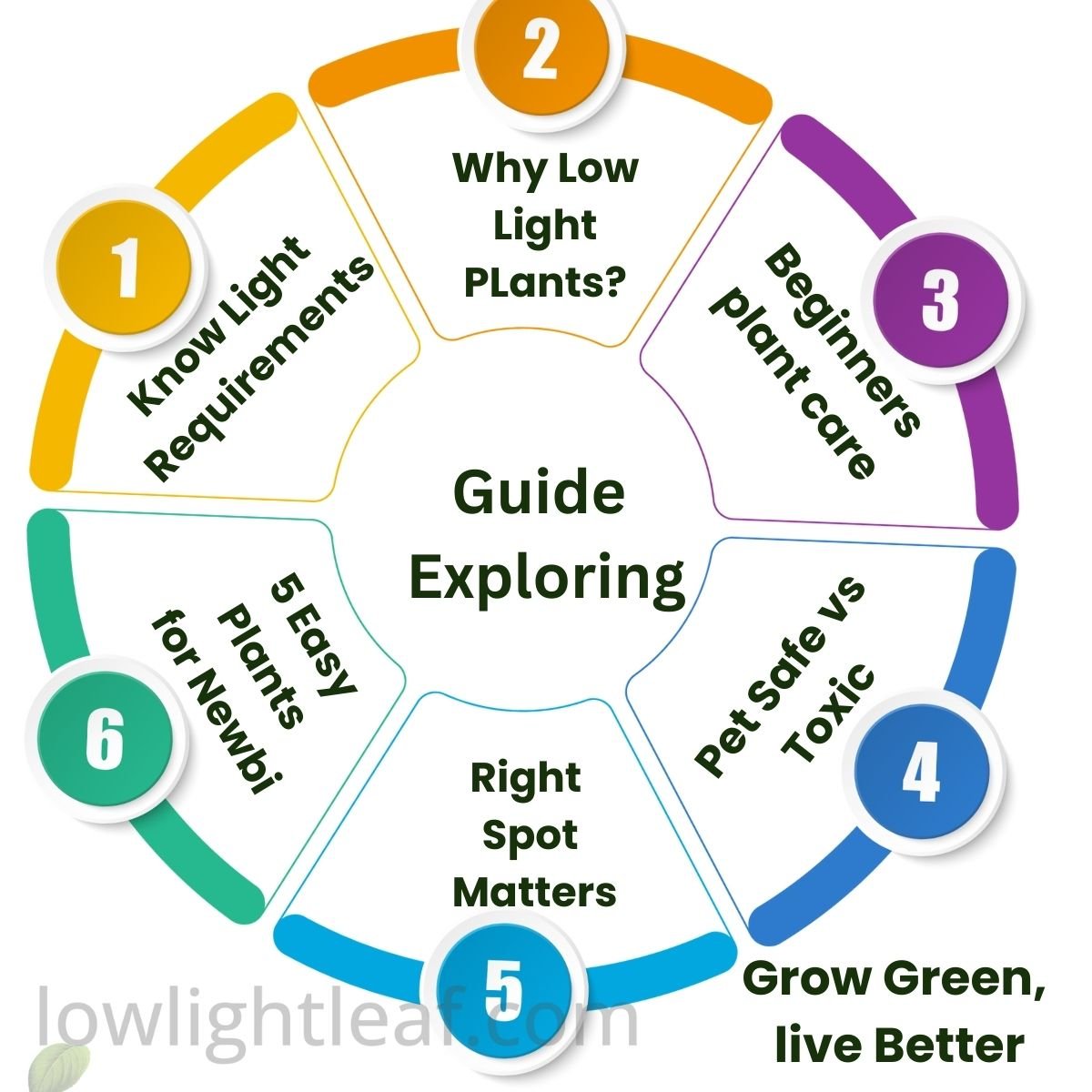
By the end, you’ll know exactly which plant to bring home first, and how to keep it thriving.
Now, before diving into specific plants, let’s first understand what “light” really means for indoor growth.
What Does Low Light Mean for Indoor Plants?(Explained)
Low light indoor plants are houseplants that can grow in shaded areas, indirect sunlight, or rooms with limited natural light. These plants are ideal for beginners because they require less light and minimal care compared to other indoor plants.
————– Know your Light —————-
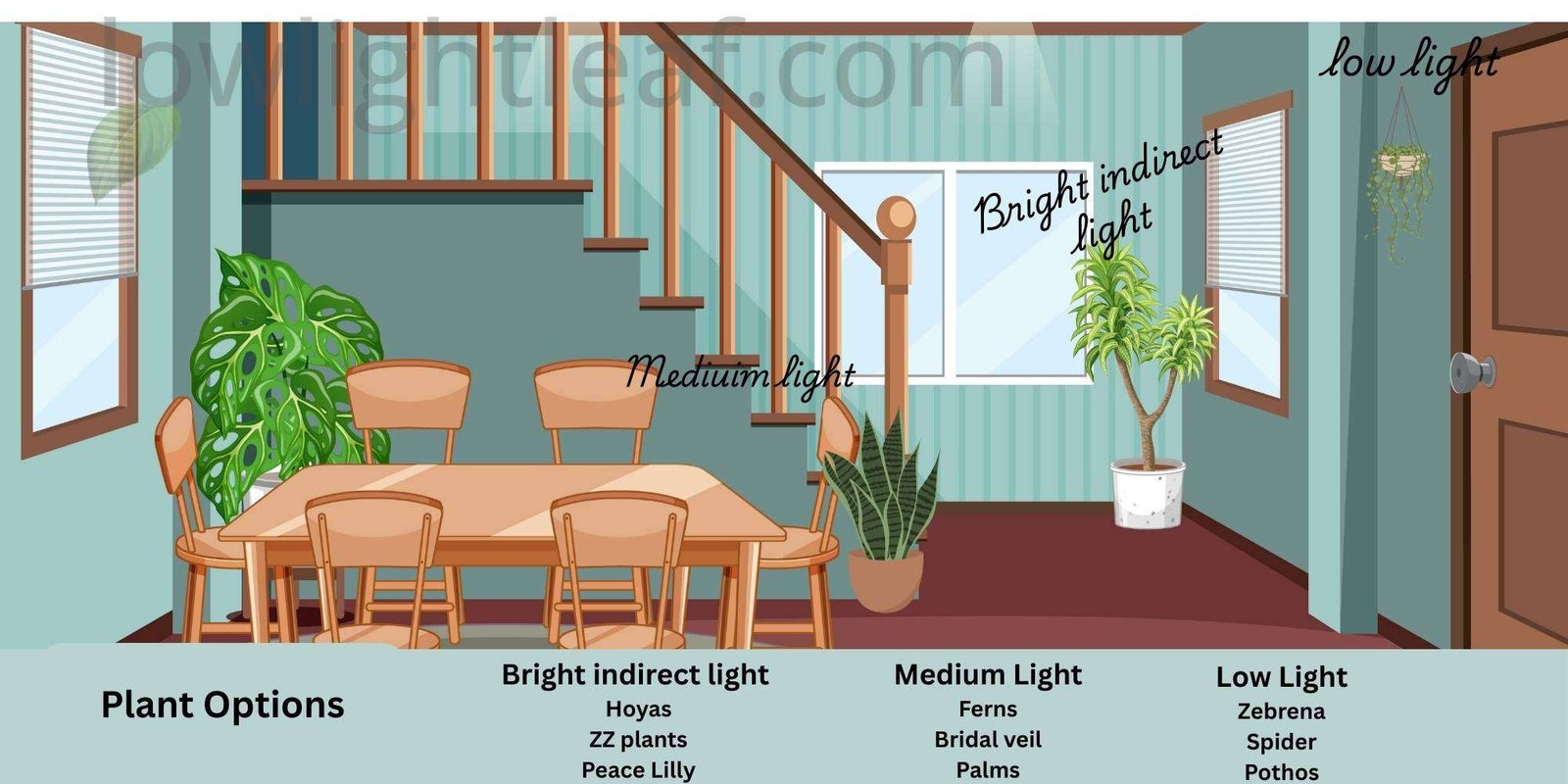
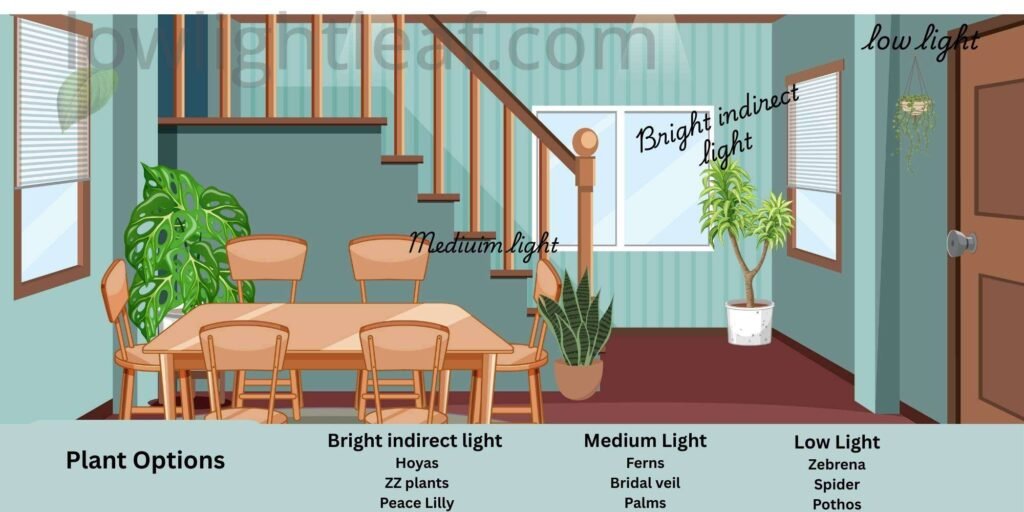
Knowing the difference between bright indirect light, low light, and no light is key to creating the right growing conditions. Light affects how plants grow. With enough light, they stay healthy. Without it, they start to decline.
Bright Indirect Light
Bright indirect light is the standard against which most houseplants are measured. This type of light is bright yet diffused. It gives plants enough energy to grow without the risk of scorched leaves. Most often, this is reflected light or filtered light, as you would find near a north window or behind a sheer curtain.
Ideal Light for Flowering Plants
Bright indirect light usually measures between 100 and 250 foot-candles. This light level is perfect for flowering plants like orchids and anthuriums, as well as those with colorful foliage. These plants need strong light without direct sun, which helps them photosynthesize efficiently.
Low Light
Low light usually means little or no illumination from either natural or artificial sources. It is not complete darkness, but the light inside the space will be much weaker, as might be around the corners of a room farthest away from the window.
Which plants survive in low light?
Only hardy, shade-adapted plants can thrive in low light. While this light level can’t support flowering or colorful plants, many foliage species still grow well in such conditions.
No Light
No light means the total absence of illumination, which will, without delay, impede photosynthesis. This is an inappropriate situation for all plants. No species can live for extended periods without receiving any exposure to light.
For this reason, true low light indoor plants are adapted to survive with minimal natural or artificial light, but never complete darkness.
Do plants grow with artificial light?
Yes, plants can grow under artificial light, but just when it coincides with the spectrum and strength of natural sunlight. Some artificial lights actually mimic natural sunlight. If the light is not strong enough or sufficiently balanced, the plants cannot survive.
Before selecting the right plants, it is essential to understand how light impacts their growth. Not all indoor locations are equally bright, and not all plants have the same reactions to light.
—————– Definition ——————-
What Are Low Light Indoor Plants?
Low light indoor plants are houseplants that thrive in shaded areas or rooms with indirect sunlight. This does not mean they can survive in complete darkness, as every plant requires some light for photosynthesis.
These species thrive best in indirect, filtered, or shaded light, generally in spaces that receive between 25 and 100 foot-candles of light brightness at the center of the day.
Where Low-Light Conditions Occur Indoors
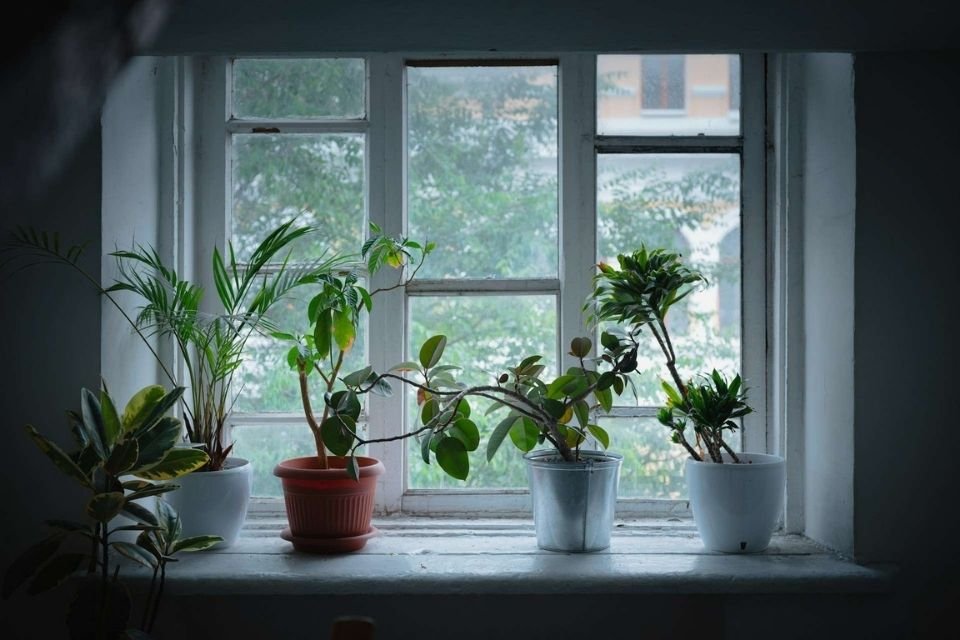
You will regularly discover this lighting within north-facing rooms, corners away from windows, or areas shaded by trees and buildings.
Some common low-light areas in homes or offices include
➦Rooms that depend on north-facing windows
➦Bathrooms with small or frosted glass openings
➦Workspaces illuminated primarily by fluorescent lighting
➦Bedrooms- Curtains or blinds limit the direct sunlight
How to Identify Low-Light Spots
Try the “reading test” for a better understanding. If you can comfortably read a book in that spot during the day without turning on any lights, the area is bright enough for most low-light houseplants.
Once one knows what constitutes a low-light plant and in which areas within the house these conditions do exist, the next question is exactly how these plants manage to grow and remain healthy under such minimal light.
How Do Low-Light Plants Grow Indoors?
Low-light plants grown indoors adapt to limited sunlight and use energy more efficiently. Instead of growing quickly, these plants slow their growth and focus on maintaining healthy leaves. Many develop broader or thinner leaves to capture as much available light as possible.
Because light levels are lower indoors, growth is usually gradual. This is entirely normal and not a sign that the plant is unhealthy. With proper placement, occasional watering, and stable indoor conditions, low light indoor plants can remain healthy and attractive for years.
From adding an aesthetic touch to your interiors to air purification and boosting mental health, there are numerous benefits related to the plants that make them perfect for both beginners and busy people.
—————— Grow Logic ——————
Why Are Low Light Plants Perfect For Beginners And Indoor Spaces?
These plants are perfect for beginners because they are easy to care for and don’t demand constant attention. They can tolerate watering gaps, uneven light, and typical indoor conditions without declining quickly.
These plants also work well in apartments, offices, and homes with limited sunlight, making them ideal for modern indoor spaces. For anyone new to houseplants or short on time, low-light plants offer a stress-free and straightforward way to enjoy greenery indoors. some reasons are given below:
Aesthetic Value
Low-light plants bring organic elegance to your home, making rooms feel fresh and inviting.
Air Purification
Research by NASA indicates that plants like the Snake Plant and Peace Lily can remove toxins such as benzene, xylene, and formaldehyde from the air.
Stress Relief & Well-being
It’s not just in your head; indoor plants actually lower stress levels, boost mood, and enhance focus. Whether it’s your home or office, they quietly turn your space into a zone of calm and productivity.
Easy To Grow
If you think a thriving indoor garden demands endless sunshine, low-light plants might change your perspective. Unlike sun-hungry varieties, these resilient greens thrive with minimal attention, making them the perfect confidence booster for beginners.
Homes and Offices with Minimal Sunlight
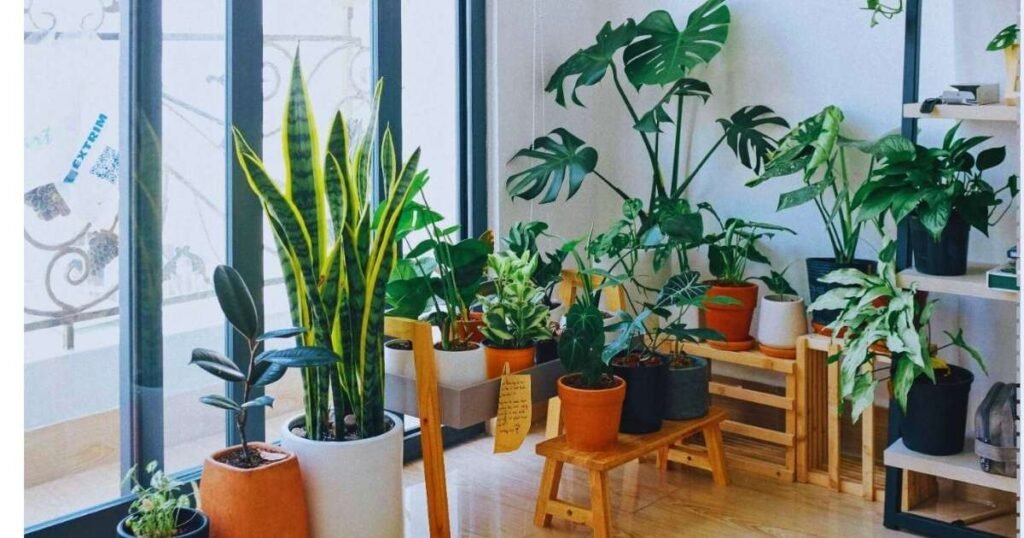
Think your low-light corners are too dull for plants? Think again. These varieties will be perfect for homes and offices that receive little sunlight. They are great for placing in dim corners or darker rooms and absolutely thrive, as opposed to just survive, in such settings.
——————— Is This You? —————
Who Should Grow Low-Light Plants?
Low-light plants are a practical choice for people who struggle with limited sunlight or inconsistent indoor lighting. Whether you’re brightening a dark corner or adding some greenery around your small window, these plants will grow well even in low-light environments. So, who exactly benefits the most from these resilient greens? Let’s break it down:

Beginners and New Plant Parents
Just starting out with indoor gardening? Don’t worry. Snake Plants, ZZ Plants, and Pothos are all great options for beginners, as they are easy to grow and very suitable for new plant owners. They are hardy, low-maintenance, and require very little attention, which makes them perfect for anyone new to indoor gardening.
Busy People
Busy people will love these low-light varieties. They need very little water or maintenance, can survive with a lack of attention, yet still fill up your space with fresh greenery.
People Who Travel Frequently
Always moving? Low-light plants have your back. They thrive even when you forget to water them for days, making them perfect companions for busy travelers who still want a touch of greenery at home. Discover your ideal plant today and bring fresh life to your space.
Decor Enthusiasts / Interior Designers
Want to add greenery without needing perfect sunlight? Low-light plants let you effortlessly style any indoor space, bringing life, texture, and color to dull corners. Start incorporating these vibrant plants into your home today and effortlessly transform your space.
————— Know This First —————
Things Beginners Should Know Before Buying Low Light Plants
It’s important to understand what “low light” really means and how to set realistic expectations. Most beginners think that these plants can fit in any dark corner, but the fact is that even the toughest low-light varieties need a source of natural or artificial light to survive.
Before you take home your first plant, consider these most important tips to guarantee success:
Low light is not zero light:
Low light is not zero light. Total darkness won’t support plant growth. A little indirect sunlight or overhead lighting is essential.
Growth will be slower
Low-light plants tend to grow more slowly than ones placed in bright light conditions.
Pick Easy-to-Grow Plants
Struggling to keep plants alive in dim rooms? Not all low-light plants survive in dark corners. Rely on proven survivors like the ZZ Plant, Snake Plant, or Pothos; they excel where others fail.
Choosing the Right Pot and Soil
Always pick a pot with drainage holes at the bottom to avoid root rot. Use well-draining potting soil rather than garden soil for indoor plants.
Avoid Overwatering
Newbies tend to “kill with kindness.” Too much water kills roots. Plants require less water since the soil dries more slowly.
Rule of Thumb: Water only when the surface 1–2 inches of soil are dry.
Placement Matters
Give your plants some breathing room! Keep plants a few feet away from windows that receive indirect light. Never place them in complete darkness, such as in windowless bathrooms.
Rotate Occasionally for even growth
Rotate the plant every few days/weeks to ensure that the plant grows evenly and does not lean towards the light source.
Want to explore more tips on plant care? Check out our homepage
Important: Keep these basics in mind, and you’ll be setting yourself up for your plants to thrive. This will avoid the frustration that many first-time plant owners experience.
—————— Grow Guide —————
Which Low-Light Plants Suit You Best?
As a new plant parent, one tends to wish for every plant to grow quickly and show results immediately. However, the reality is that low-light plants grow at different rates. Some plants adjust quickly, producing new leaves even in low light. Others develop more slowly, taking time to adapt to their environment.
Fast-growing Plants
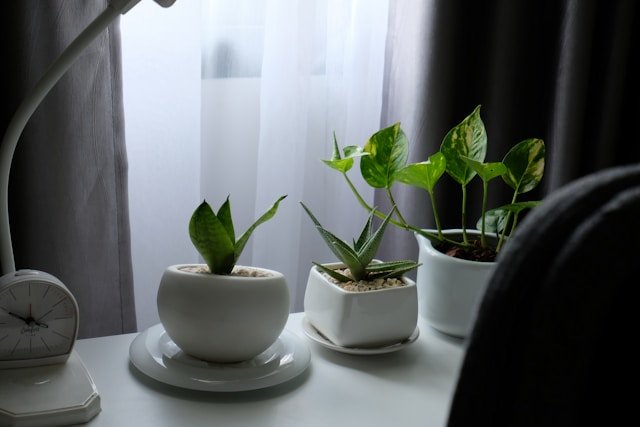
If you want quick results, fast-growing plants like Pothos and Philodendrons are ideal. They thrive in low light and grow new green leaves often, filling your home or office with fresh, lively energy. These low-maintenance plants are motivating because you notice tangible growth even in dimmer areas or in front of a north window.
Slow-growing Plants
Slow-growing plants such as the Snake plant and ZZ plant may take their time and add only a few new leaves to the plant. But the beauty of these is that they are very hardy plants that don’t need much to survive. They thrive as low-maintenance, beginner-friendly plants that can survive even in limited sunlight.
——————— Pet Guide ——————
Pet-Safe vs. Toxic Low Light Plants
Not all greenery is safe for curious cats and dogs. As pet lovers, it’s essential to consider which indoor plants are safe for cats and dogs before bringing them home. Use this quick guide to check plant safety and make informed choices that keep your home and your furry friends happy.
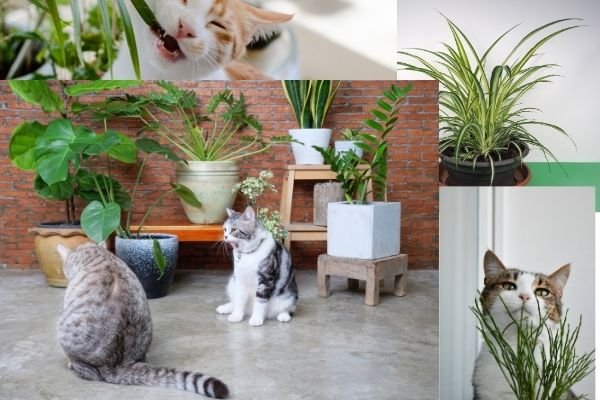
Pet-Safe Low Light Plants
These low-light plants are safe for cats and dogs and perfect for indoor beginners:
- Areca Palm
- Calathea
- Parlor Palm
- Spider Plant
- Baby Rubber Plant
- Burro’s Tail
- Hoya
Toxic Low Light Plants (Keep Away from Pets)
Be aware that some popular low-light plants are toxic to cats and dogs. Always check a plant’s safety before bringing it home, especially if your pets are curious. Ensure your home is safe for your furry friends.
- Peace Lily
- Dieffenbachia(Dumb Cane)
- Pothos
- Snake Plant
————— Top Indoor Picks ————
Best Low Light indoor Plants for Beginners
Popular low light indoor plants like Snake Plant, Pothos, ZZ Plant, Peace Lily, and Spider Plant are known for their ability to survive with minimal sunlight and care.
Before we dive deeper into the types of plants that tolerate or thrive in low Light, I want to share my experience to help beginners choose the right plants for low Light. Which low-light indoor plants thrive in dim spaces?
If you’re looking for a wider variety, you can also explore our detailed guide on low light plants that thrive in low light, including less common options for different indoor spaces.
How I Finally Stopped Killing My Indoor Low Light Plants
I’ve always loved the idea of filling my home with plants. When I first started keeping houseplants. I was confident, watering them regularly, giving them attention, and moving them around to find the “perfect spot.” But many of them didn’t make it. Some looked fine for a while, then began to droop and lose leaves. I felt discouraged and wondered if I didn’t have the “green thumb” for indoor plants.
The real turning point came when I learned the truth about light. I had been choosing plants labelled as “low light” without realizing that some only tolerate dim corners, not thrive in them. Once I understood how to match plants to the right spaces, everything changed.
Now, my plants not only survive; they flourish. That confidence came from learning and adjusting a few simple things:
Key lessons I learned:
- Understand what true low light really means.
- Choose hardy plants that match your space and routine.
- Avoid dark corners where even shade-tolerant plants can struggle.
- Don’t overwater; most low-light plants prefer to dry slightly between waterings.
If you’re new to houseplants, start with varieties truly suited for low-light conditions. Below are some of the easiest and most rewarding plants for beginners
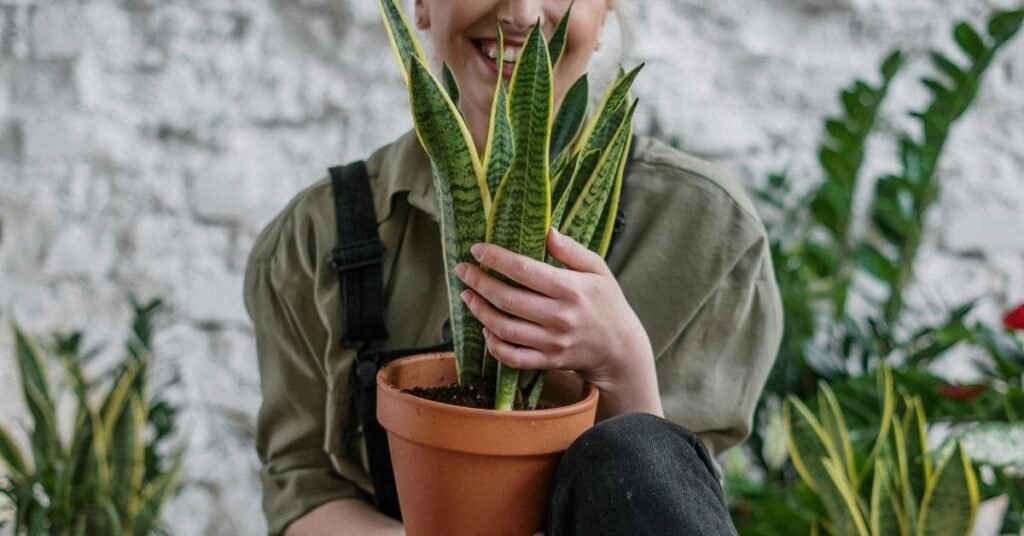
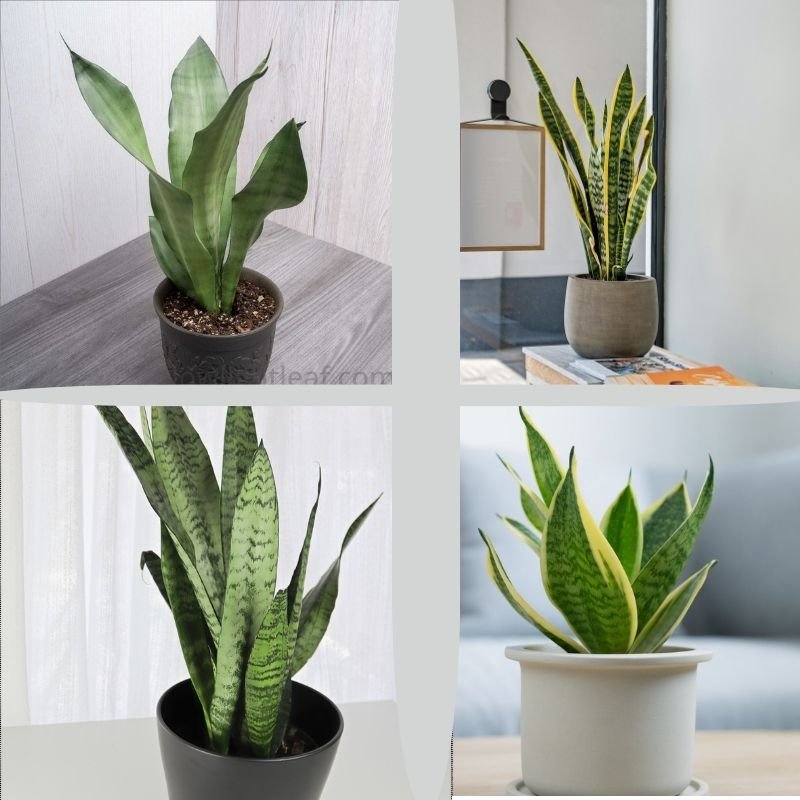
1_ Snake Plant (Sansevieria)
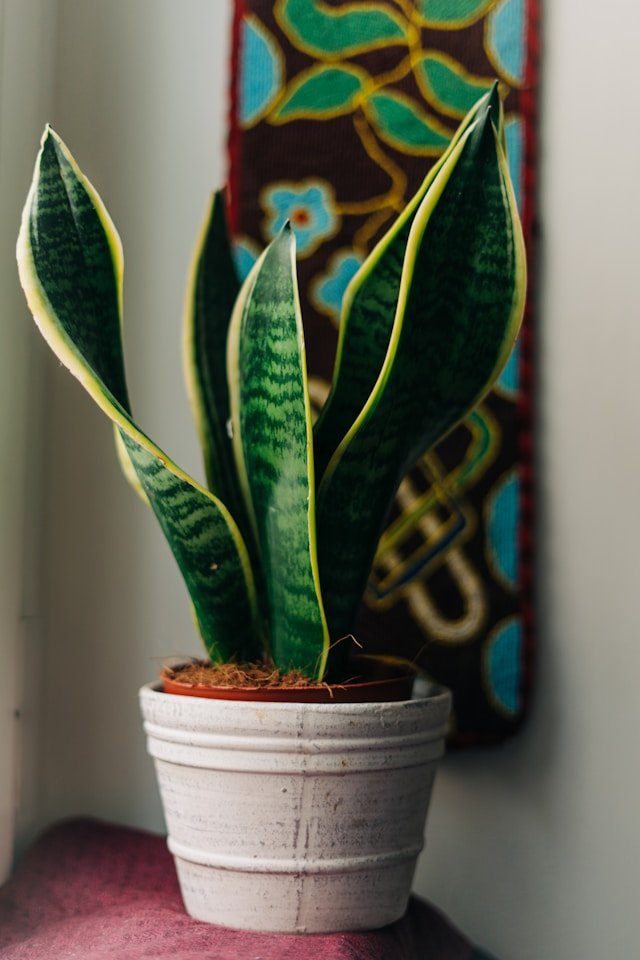
Snake Plant (Sansevieria) is one of the easiest and most reliable indoor plants for beginners, especially in homes with limited sunlight. Its upright, sword-shaped leaves allow it to adapt well to low light indoor environments, making it a popular choice for apartments, offices, and shaded rooms.
This plant is known for tolerating neglect better than most houseplants. It adjusts easily to irregular care, dry indoor air, and shaded conditions without losing its structure. However, understanding how much light a snake plant needs helps prevent slow growth and dull foliage, even in low-light spaces.
Another reason snake plants are beginner-friendly is their low watering demand. Over time, learning the watering needs of snake plants can help avoid common mistakes and keep the plant healthy for years with minimal effort.
2_ Pothos (Devil’s Ivy)
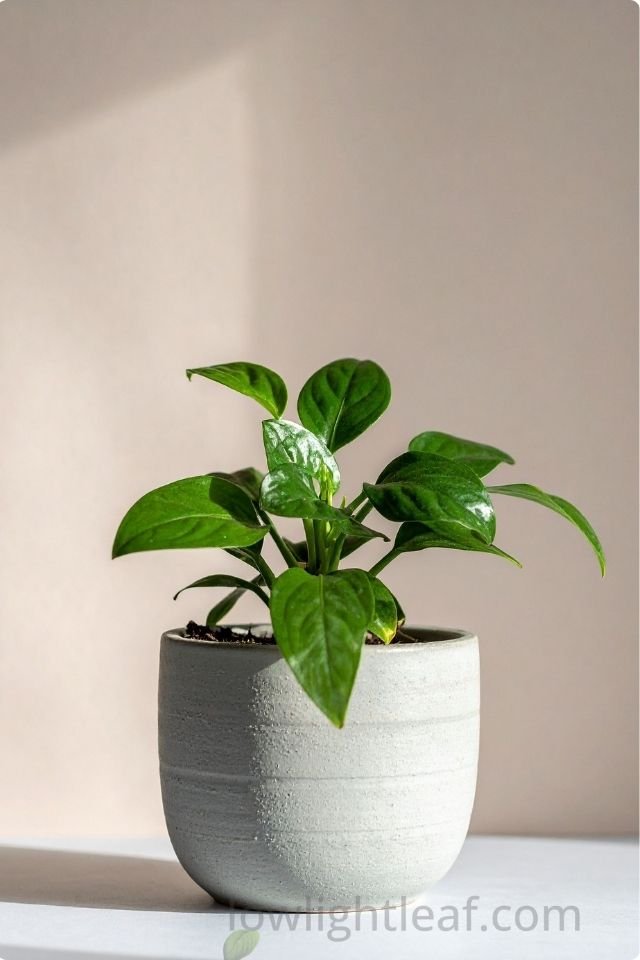
Pothos is one of the easiest houseplants, perfect for beginners, with trailing vines bearing shiny, heart-shaped leaves that instantly add greenery to any room.
This tough plant will put up with low Light, rare watering, and a variety of soils, making it absolutely perfect for busy people or those new to owning plants.
This fast-growing, low-maintenance plant is virtually impossible to kill and thrives whether it’s in a hanging basket or climbing a shelf.
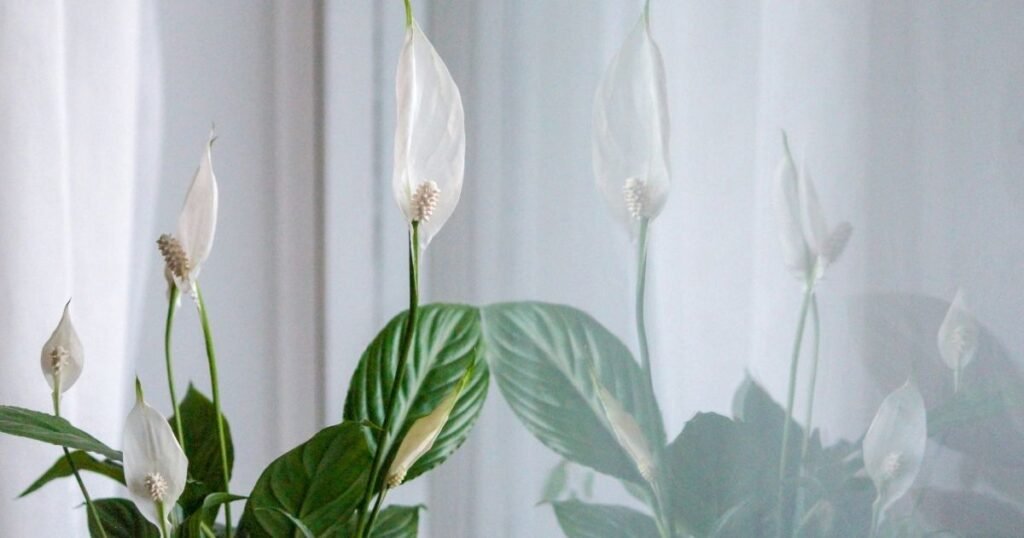
3_ Peace Lily
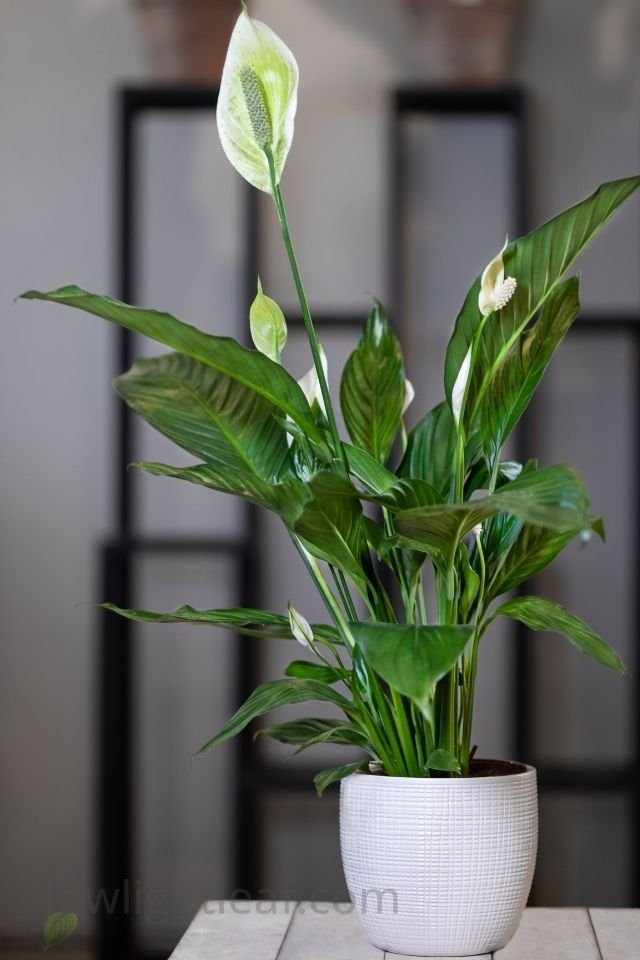
It is among the most popular indoor plants due to its luscious green leaves and elegant white blooms. This plant is so easy to care for and tolerates low Light, making it perfect for a home or office.
Besides adding beauty, this plant naturally purifies the air, making your space healthier and bringing a touch of calm. The Peace Lily requires the least effort and, in return, it rewards you every year with its beautiful flowers.
Learn more in our detailed Peace Lily Care Guide to keep your Spathiphyllum plant lush and blooming indoors.
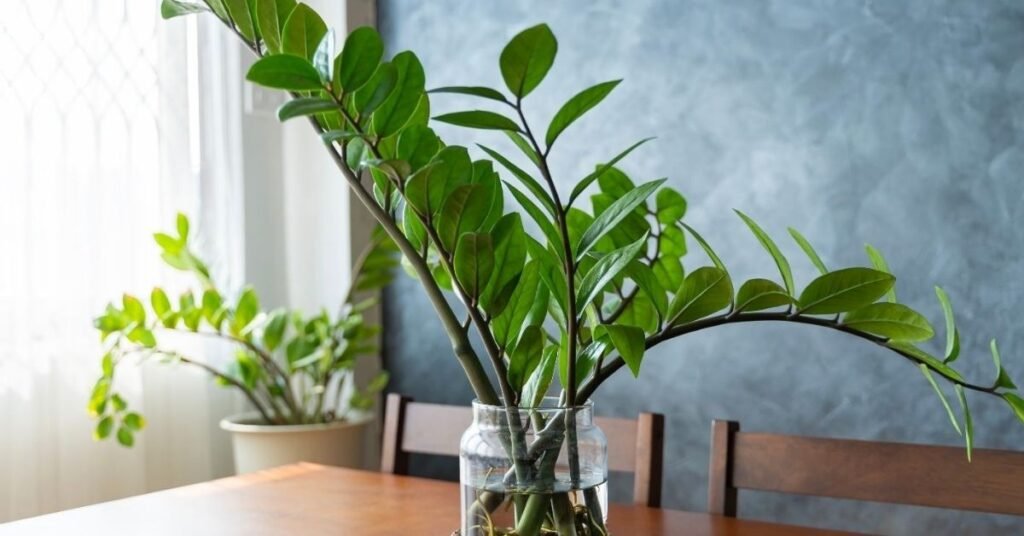
4_ ZZ Plant (Zamioculcas Zamiifolia)
The ZZ Plant is a low-maintenance beauty with shiny green leaves that can thrive under just about any condition. Water-storing rhizomes make this really a set-and-forget plant for beginners. It thrives even when you forget to water.
In a nutshell, this is the perfect plant for busy beginners and pros alike. The ZZ Plant Care Guide covers everything you need to know about light, watering, and propagation for this hardy plant.

5_ Spider Plant
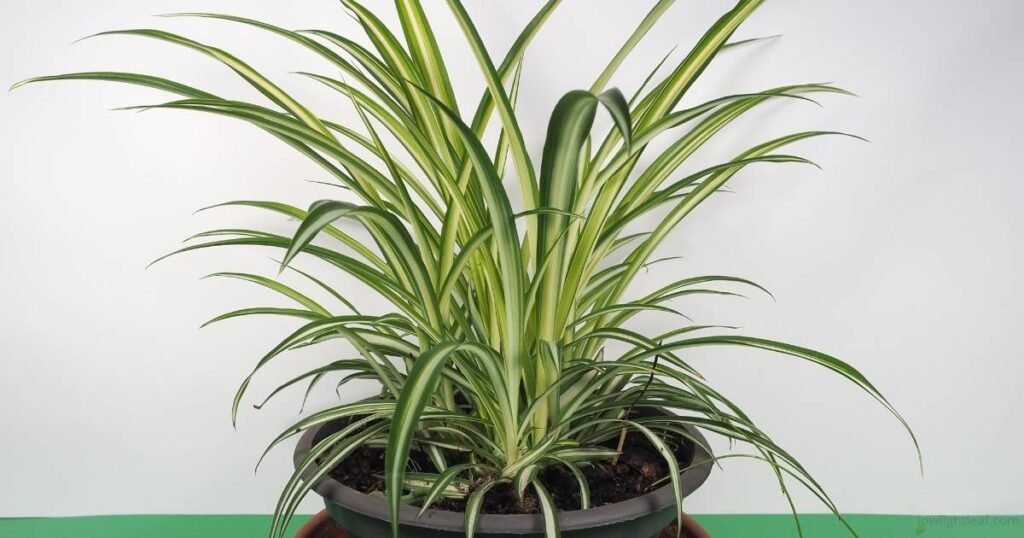
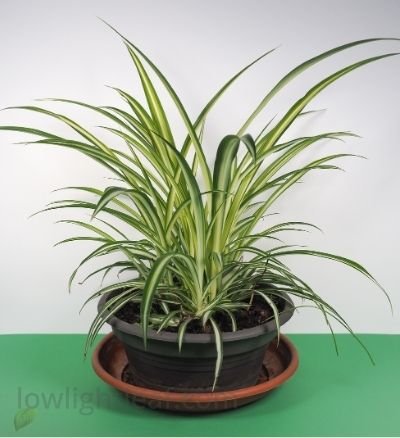
Spider Plant (Chlorophytum comosum) is an evergreen favourite plant for both beginners in plant growing and lovers of plants. With striped leaves of green and white, they thrive in low Light and are very low-maintenance.
With proper care, this plant produces baby “spiderettes” that can be used to make new plants. More than its good looks, the Spider Plant is praiseworthy for purifying indoor air. Learn how to keep it thriving in our Spider Plant Care Guide.
If you’re just getting started, begin with one plant and observe how it responds to your space before adding more.
Want to explore more more Plant care guide? Check out our Indoor Plants
————— Position Your Plant —————
Tips for Positioning Low-Light Plants
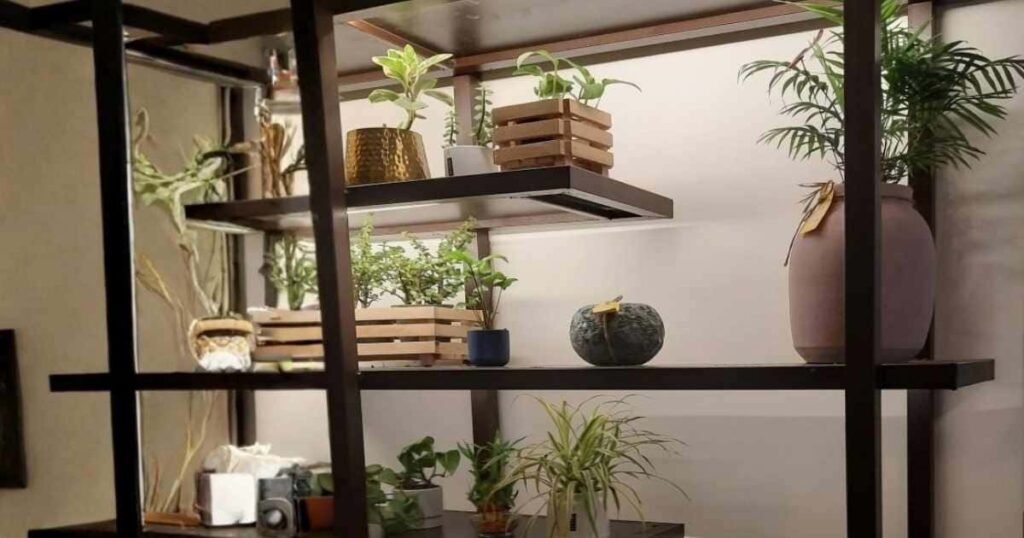
Low-light plants do not need direct sunlight. Selecting the right spot is still essential for their health. When placing them, avoid complete darkness. Choose areas where you can comfortably read a book without a lamp.
Here are a few simple tips to help you place your low-light plants the right way:
➦Low-light plants thrive near north-facing windows, which provide a soft and even glow.
➦Keep plants about 4–10 feet away from a window to avoid harsh rays while still letting them soak up brightness.
➦ Indirect light works best for most low-light plants. Direct sun can scorch their leaves.
➦ Always observe your plants. Yellowing, fading, or brown spots are signs that they may need a new spot.
FAQs about Low Light Plants
What plants thrive in low light?
Pothos, Peace Lily, Spider Plant, and Cast Iron Plant are among the best low-light houseplants. They tolerate shade, need minimal care, and stay healthy even without direct sunlight.
What does low light mean for plants?
Low light refers to areas with little or no direct sunlight. North-facing rooms or spots a few feet away from windows, where shade-loving plants can still thrive.
Can low-light plants survive without sunlight at all?
No, all plants require some amount of light to photosynthesize. Yet, low-light plants are able to thrive on indirect or artificial light, which makes them ideal for areas that lack intense sunlight.
How often should I water low-light houseplants?
Most low-light plants prefer their soil to dry out slightly between watering. It’s a good practice to water when the top 1–2 inches of soil are dry. Overwatering is a bigger risk than underwatering.
Are low-light plants safe for pets?
Some plants, like Spider Plant, are safe for pets, while others, such as Peace Lily and Snake Plant, can be toxic to cats or dogs if ingested. Always check the plant guide before bringing home.