Last updated on January 16, 2026
ZZ plant care is often praised for being easy, but many beginners still ask the same question: where should I place a ZZ plant indoors, and how much light or sunlight does it really need? From low-light rooms to brighter spaces near windows, getting the placement right makes a big difference in how healthy your ZZ plant looks and grows.
Suppose you’re beginning your journey into plant care or need a low-maintenance companion for your houseplant family. In that case, learning ZZ plant care can feel like a fun experiment, discovering how little effort it takes for this glossy-leaved wonder to thrive.
Many indoor plant growers often find that ZZ plants adapt well to almost any indoor space. While they can survive in less-than-ideal conditions, better light and proper placement usually help them grow stronger, stay glossier, and avoid common issues.
In this first part of the guide, we will cover the basics: placement, lighting, watering, soil, fertilizer, and the different types of ZZ plants you can grow.
What is a ZZ plant?
People regard the Zamioculcas, known as the ZZ plant, as a hardy houseplant native to Eastern Africa. A member of the Araceae family, it is known for adapting to dry conditions, making it suitable for indoor spaces where many other plants might struggle.
The name Zamioculcas zamiifolia can feel tricky at first, which is why most people simply call it the ZZ plant or Zee Zee plant, a nickname that fits its laid-back personality.
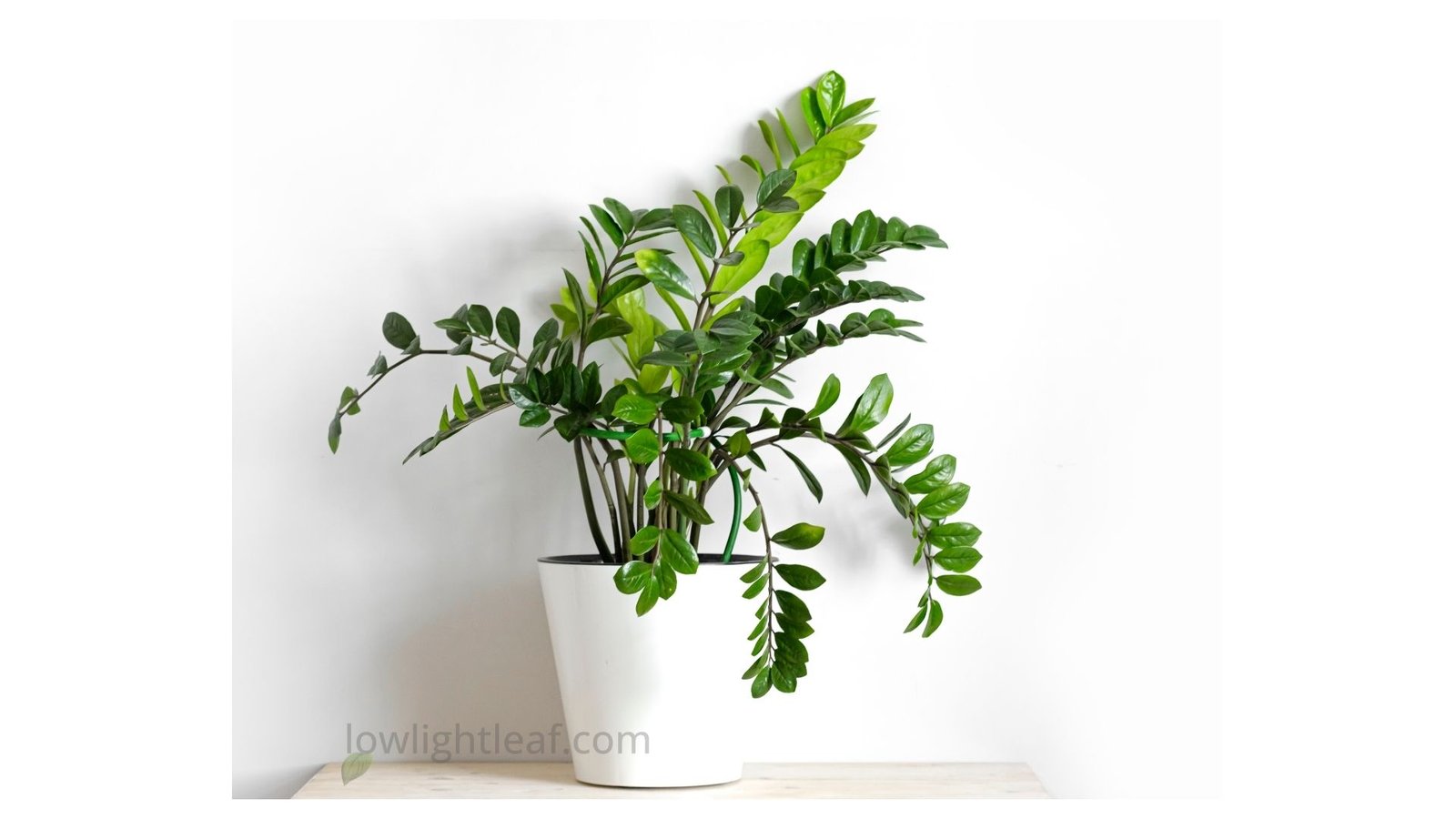
This plant has earned the nickname “Zanzibar gem,” not only for its roots but also for the way it shines. Plant lovers now adore not only the classic green ZZ but also unique varieties. Here are the dark Raven, the elegant variegated, the bold Black, and the color-shifting Chameleon ZZ.
ZZ Plant Basics
Scientific name
Zamioculcas zamiifolia (pronounced zam-ee-oh-KUL-kass zam-ee-FOH-lee-uh)
Popular names
ZZ Plant, Zee Zee Plant, Zanzibar Gem, Eternity Plant, and Aroid Palm
Geographic origin
Native to Eastern Africa, the ZZ plant thrives in dry conditions Missouri Botanical Garden.
Plant category
A hardy herbaceous perennial known for thriving indoors with little effort.
Growth habit:
By nature, slow-growing, making it easy to manage in small or large spaces.
Average size:
A mature ZZ plant grows about 2 to 3 feet tall, with upright stems that give it a sculptural look.
Leaf characteristics
The ZZ Plant is admired for its thick, glossy leaflets that grow along sturdy stems, usually in rich green, but sometimes showing unique shades in different cultivars.
Flowering details
ZZ plants rarely bloom indoors, but they may produce small flowers at the base of the stem.
Bloom season
In spring, blooms appear at irregular intervals. The flowers form a small spadix, which is usually yellow to brown, though it can have a cream color when fresh.
Toxicity warning
Poisonous if ingested by humans or pets. If swallowed, seek medical attention or contact a poison control center. ASPCA
USDA Hardiness Zones
ZZ plants are suitable for USDA zones 9–11. In cooler regions, they are almost always grown as indoor houseplants.
Is the ZZ plant lucky at home?
In Feng Shui, it is often called the ‘Fortune Tree’ and symbolizes prosperity and good fortune, as well as endurance and longevity. In Feng Shui, it is often recommended to place it in the southeast corner of the home to attract positive energy.
What Are the Benefits of ZZ Plants?
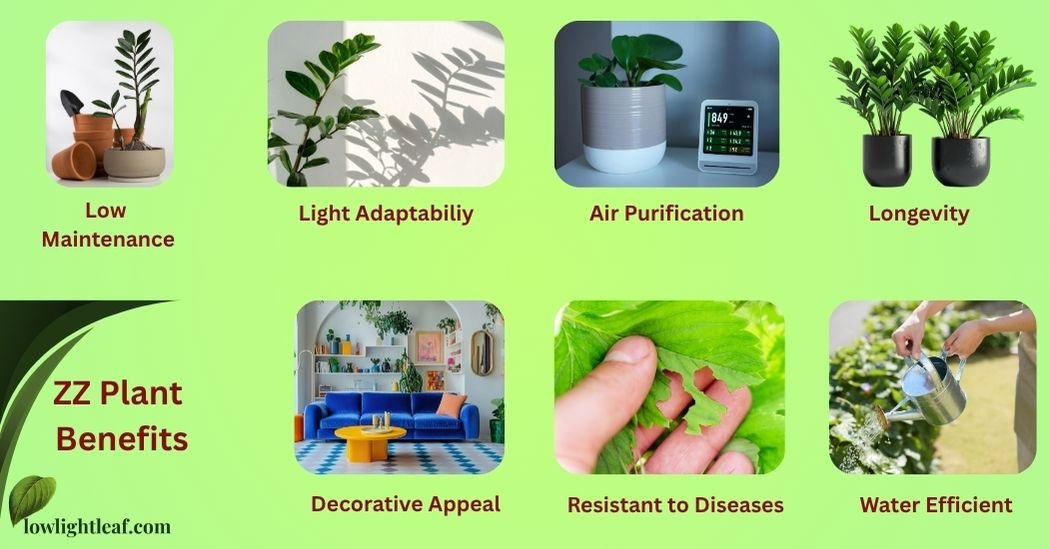
Why are so many plant lovers obsessed with this beauty?
1_ Low Maintenance
ZZ plants can tolerate neglect, making them ideal for beginners or busy plant owners.
2_ Adaptable to Light
They tolerate both low light and bright, indirect light, making them perfect for homes and offices.
3_ Air Purifying
ZZ plants may help purify indoor air, supporting a healthier living environment.
4_ Water Efficient
Their rhizomes store water. It allows them to handle infrequent watering without stress.
5_ Decorative Appeal
Glossy green leaves, along with unique cultivars like Raven or Variegated ZZ, add a touch of elegance to any space.
6_ Symbolism/Lucky Plant
Considered a symbol of prosperity, growth, and stability in feng shui.
7_ Durability
Resistant to pests, diseases, and suboptimal growing conditions.
8_ Longevity
When properly cared for, a ZZ plant can live for many years, which is why it is often called the ‘eternity plant.’
Many plant owners report that ZZ plants handle periods of neglect better than most houseplants, often staying healthy even when watering is delayed.
IS THIS THE RIGHT PLANT FOR YOU?
Start simple, start strong. The ZZ plant is the perfect companion for your indoor journey, if you want.
- Live where temperatures stay above 45°F (7°C).
- Prefer infrequent watering.
- If your home doesn’t get much natural light, a ZZ plant will still thrive in those shaded corners.
For homes with dim corners, ZZ plants pair perfectly with many other low-light species you can explore on the Low-Light Plants Page.
Where to Place a ZZ Plant Indoors (Best Spots & Light)
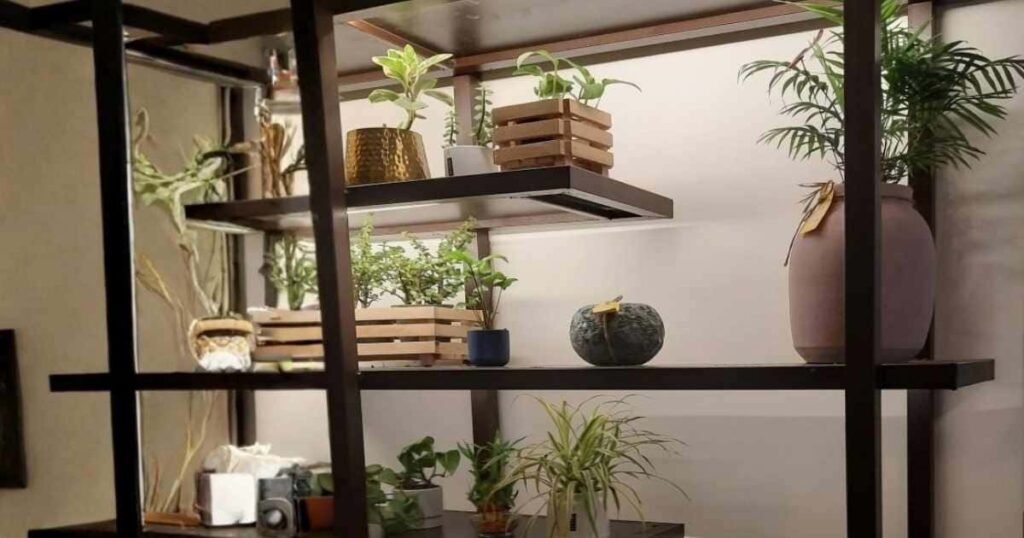
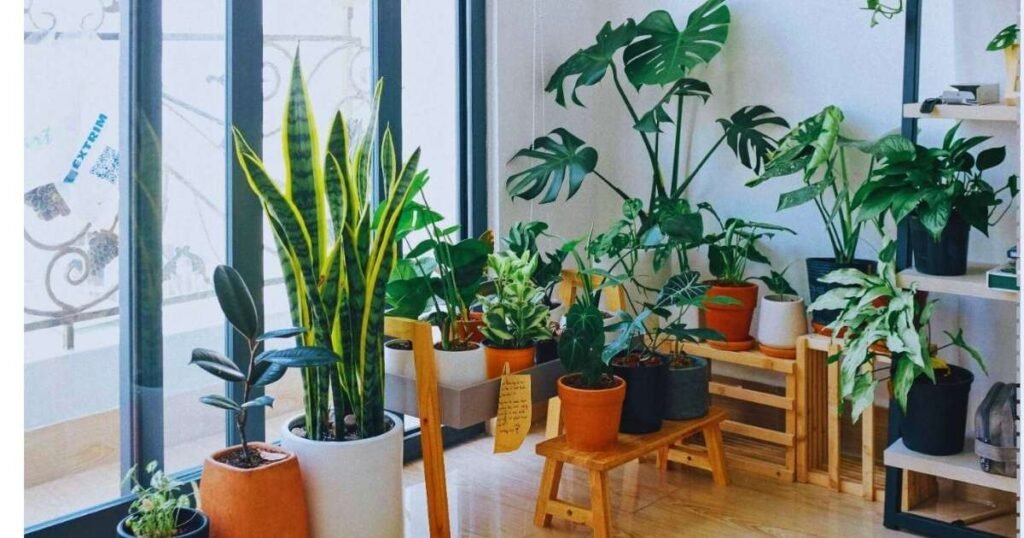
ZZ plants are often used in offices and rooms with limited natural light, where they tend to grow slowly but remain healthy. In winter, move it to brighter spots or use grow lights to maintain healthy, glossy foliage. The best spots to place a ZZ plant are living rooms, bedrooms, home offices, and bathrooms with indirect sunlight.
If you’re building a simple indoor plant collection, you can explore more beginner-friendly tips on the Indoor Plants.
Grow Light for ZZ Plant: When and How to Use It
If your home has very low natural light, using a grow light for a ZZ plant can be helpful. Research and grower recommendations suggest that a simple LED grow light placed 12–18 inches above the plant for 6–8 hours a day is usually sufficient.
ZZ plants do not need intense lighting, so avoid strong grow lights that can stress the leaves. Grow lights are especially useful in windowless rooms or during winter when sunlight is limited.
ZZ Plant Care Snapshot (Quick Indoor Guide)
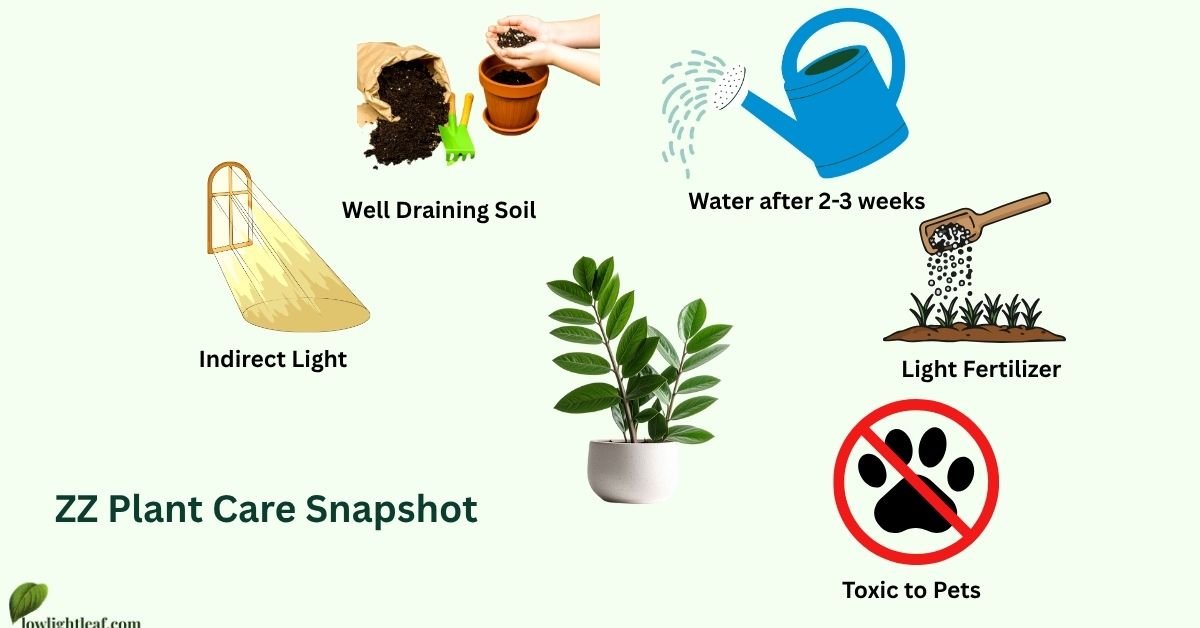
If you’re short on time, here’s the fast track to keep your Zee Zee Plant (Zamioculcas zamiifolia) thriving:
- Prefers low to medium indirect light. Avoid harsh direct sun.
- Water every 2–3 weeks, allowing the soil to dry thoroughly in between.
- Use a well-draining mix to prevent root rot.
- Soil pH Slightly acidic to neutral (6.0–7.0)
- Fertilizer is not essential, but a light feed during the growing season won’t hurt.
- The ZZ plant is toxic if chewed or eaten, so keep it out of reach of pets and kids.
Now that you’ve got the quick care snapshot, let’s dig deeper. The sections ahead cover not only the basics of ZZ plant care, but also practical tips commonly recommended to prevent stress and keep the plant healthy.
Different Varieties of ZZ Plants
Think all ZZ plants look the same? Beyond the classic Zamioculcas zamiifolia, a few unique cultivars bring surprising charm to this hardy houseplant. Let’s explore some favorites.
Raven ZZ Plant
New leaves often start off a bright lime green before gradually turning a deep, rich black as they mature, giving the plant a dramatic and eye-catching look.
Variegated ZZ Plant
The Variegated ZZ Plant grabs attention with its rich green leaves streaked with creamy white and golden yellow. Each new leaf unfolds like a work of art, bringing elegance and a touch of uniqueness to any room.
Black ZZ Plant
Often mistaken for the Raven, the black ZZ plant showcases a rich, dark green that appears nearly black under certain lighting.
Chameleon ZZ Plant
The chameleon ZZ plant produces new leaves in a striking lime green before they deepen to a classic emerald.
Detailed Care Guide for ZZ Plants
ZZ plants respond best to consistent care and stable indoor conditions. When given suitable light, proper watering, and well-draining soil, they often recover quickly from stress and maintain healthy, glossy foliage. Maintaining steady temperatures and avoiding drafts can also help prevent common issues.
Let’s explore them one by one.
ZZ Plant Light & Sunlight Requirements
ZZ plants are adaptable to indoor lighting, but knowing their preferences helps them thrive. These plants aren’t alone; many houseplants adapt well to dim spaces, as explained in the low-light plants guide.
Best Light Conditions for Healthy ZZ Plant Growth
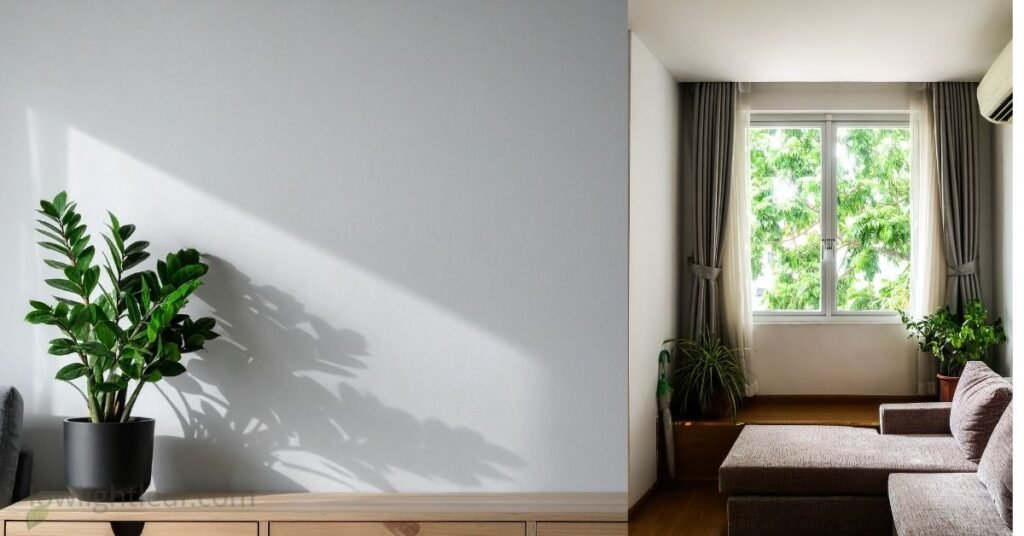
ZZ plants prefer indirect light rather than harsh sunlight, which can scorch their leaves and cause brown spots. Placing them near a north- or east-facing window usually gives them just the right amount of brightness to thrive.
Where is the best place to put a ZZ plant indoors?
The best place for a ZZ plant indoors is a spot with bright, indirect light, such as near a north- or east-facing window. It also does well in living rooms, bedrooms, or offices where light is filtered and consistent.
Does a ZZ plant need direct sunlight?
ZZ plants do not need direct sunlight to stay healthy. They grow well in indirect light and can even adapt to artificial lighting. Direct sun exposure may scorch the leaves, while gentle, indirect light supports steady growth.
Can ZZ Plants Grow in Low Light Indoors?
Yes, ZZ plants can thrive in low light. Ideally, they grow faster and look healthier in medium to bright, indirect light. If kept in very dark corners, growth may slow down, but the plant will still survive with minimal care.
ZZ Plant Care Watering Guide:
Here’s the golden rule: Less is more. Stick your finger into the soil. If it feels dry, it’s time to water.
Signs Your ZZ Plant Needs Water
You’ll know it’s time to water a ZZ plant when signs of dehydration appear: the leaves start to wilt, look wrinkled or limp, and feel less firm than usual. For greater accuracy, you can also check by…
A moisture meter can help you see when the roots are ready for watering.
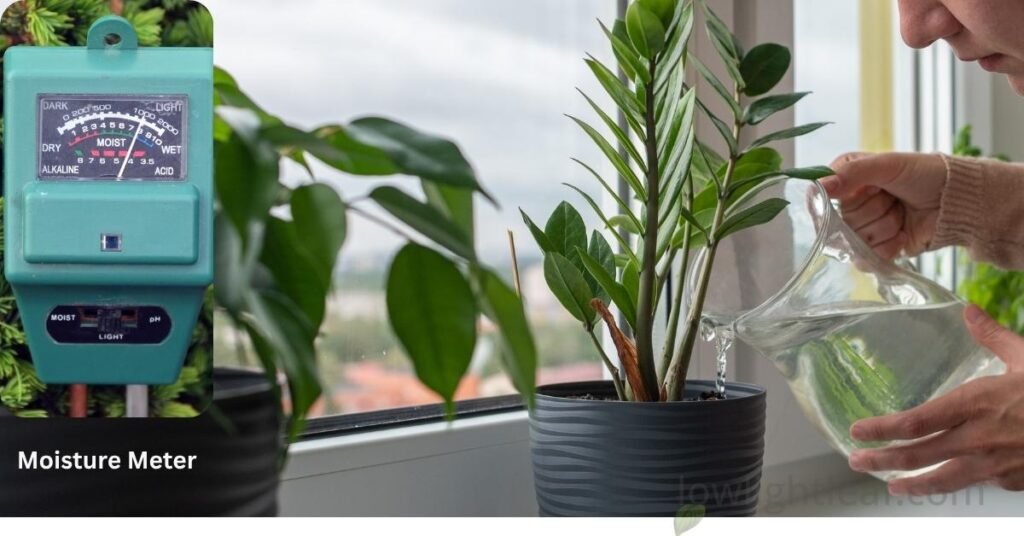
How often should I water a ZZ plant?
For most indoor settings, water your ZZ plant every 2–3 weeks in bright conditions, and every 3–4 weeks during cooler or low-light months. Adjust it depending on soil dryness. It helps prevent overwatering.
Note: The frequency of watering your ZZ plant depends on key factors such as light exposure, pot size, soil mix, and the surrounding climate.
What is the Best Way to Water a ZZ Plant?
Since ZZ plants have rhizomes that store water, the best way to water them is from the top, allowing excess water to drain out of the pot. This method ensures the soil is evenly moistened, prevents salt buildup, and keeps the rhizomes healthy.
ZZ Plant Care Soil Guide:
ZZ plants thrive in well-draining soil that prevents water from sitting around the roots. A cactus or succulent mix works perfectly. But you can boost drainage by adding perlite, orchid bark, or horticultural charcoal.
ZZ Plant Care Fertilizer Guide:
ZZ plants don’t need heavy feeding since their rhizomes store nutrients, but a light fertilizer can support growth. Always use a balanced houseplant fertilizer diluted to half-strength once or twice during its active growing season (spring and summer), and skip fertilizing in winter. Over-fertilization can cause leaf burn, so less is better.
Temperature Guide for ZZ Plant
ZZ plants thrive in average household temperatures between 65°F and 85°F (18–30°C) and prefer a stable indoor environment. Keep them away from cold drafts, vents, or frosty windows, and avoid letting temperatures drop below 45°F to 60°F to prevent stress or damage.
A quick lesson in keeping it warm
ZZ plants may show stress, such as yellowing leaves, when exposed to cold drafts or sudden temperature drops, especially during winter.
Humidity Guide for ZZ Plants
ZZ plants adapt well to average household humidity and can tolerate drier air better than most houseplants. Keep ZZ plants away from heating or cooling vents that cause dryness. In winter, if the air is dehydrated, adding some humidity can help prevent leaf tips from browning.
Leaf Care: How to keep ZZ plant leaves shiny?
Keep your ZZ plant leaves healthy and glossy by wiping them with a damp cloth to remove dust. Clean leaves not only look fresh but also help the plant absorb more light, boosting overall growth.
Repotting: When and How to Repot a ZZ Plant
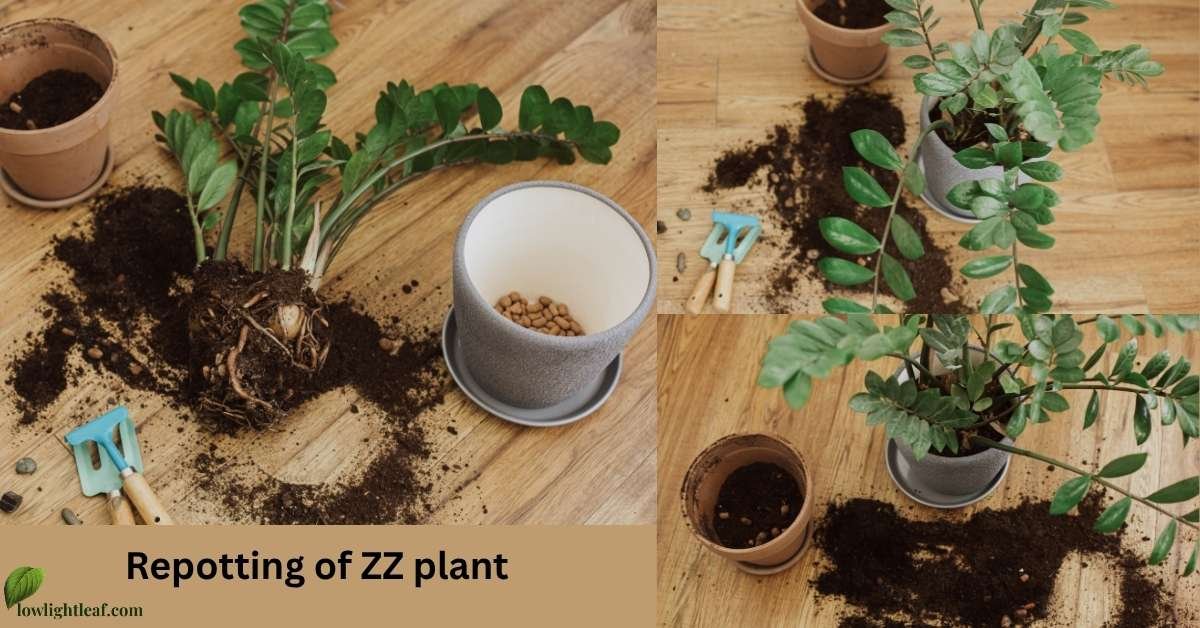
ZZ plants are slow growers and thrive in tight spaces. According to some plant parents, repotting should be done only when the plant has outgrown its previous container. Repotting is generally recommended every 2–3 years to refresh the soil and improve drainage. For larger growth, move it into a pot just 1–2 inches wider, since its rhizomes expand sideways.
Note: Repotting in spring or summer is recommended for quick recovery and less stress on the plant.
Pruning: How to Prune and Reshape a ZZ Plant
Pruning a ZZ plant doesn’t make new shoots grow, but it helps your ZZ plant look neat and healthy. Cut off yellow or old leaves, and trim tall or thin stems just above a leaf joint. Always use clean scissors and wear gloves, because the plant’s sap can bother your skin. You can also plant the cuttings in soil to grow a new ZZ plant.
Best Methods to Propagate a ZZ Plant
Propagating a ZZ plant is easy, and you can choose a method depending on your patience and personal preference. The two most common methods for propagating ZZ plants are division and leaf cuttings, though some growers also use leaf-stalk cuttings in water.
Division (Easiest method)
During repotting,
➦Gently separate the plant’s rhizomes (thick root-like stems) into smaller clumps, as this is the best time.
➦Each section should have at least one healthy stalk.
➦Please place them in fresh, well-draining soil and water lightly.
➦It is the quickest way to get a new Zamioculcas zamiifolia growing.
Leaf Cuttings (Slower method)
- Take a healthy stem with two or more leaves and plant it in a pot with moist, well-draining soil.
- Keep the plant’s cuttings in a warm spot with bright, indirect light.
- It may take several months for roots and new rhizomes to form, so patience is key.
Leaf Stalk in Water (Optional Method)
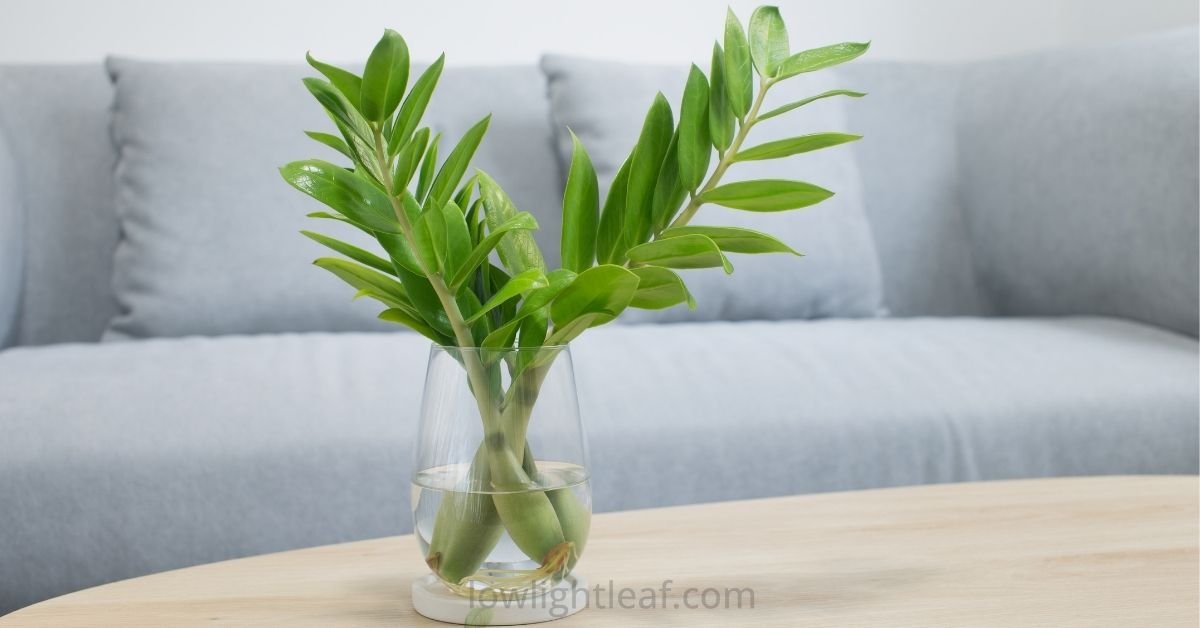
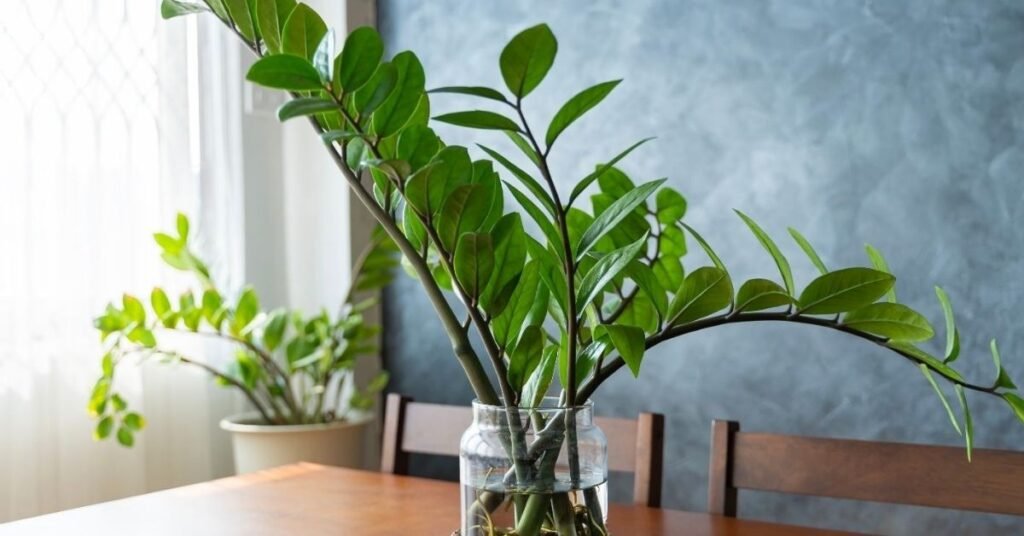
A common question among growers is whether ZZ plant cuttings can be propagated in water. A healthy stalk can be placed in a jar of clean water, changed weekly to prevent rot. Roots usually appear within a few weeks, after which the cutting can be transferred to soil.
The division method is widely considered the fastest and most reliable way to propagate a ZZ plant during repotting.
⚠Safety Tips:
- Always wear gloves when handling ZZ plant sap, as it can irritate the skin.
- Use clean, sharp tools to avoid infection or damage.
- Keep cuttings and tools out of reach of children and pets.
- Wash your hands after handling the plant or soil.
Smart Tips for Buying a Healthy ZZ Plant
1_ Look closely at the leaves: they should be glossy and upright. Avoid plants with yellow spots, tiny holes, or sticky marks, as these can indicate pests.
2_ Peek at the roots: If roots are pushing out of the drainage holes or tightly circling inside the pot, the plant may be stressed.
3_ Check the soil surface: Make sure there are no gnats, webs, or unusual growths in the potting mix.
4_ Know what you’re bringing home: Ask about care needs or read the label to be sure your Zamioculcas zamiifolia fits well in your space.
Keep in mind that a bit of care at the store means your ZZ plant will thrive at home.
Common Problems in ZZ Plants
Even though ZZ plants don’t ask for much, they can still show signs of stress, like yellow leaves, floppy stems, or brown tips. Catching these problems early makes it much easier to revive your plant. Common issues with ZZ plants are:
- Leaves are turning yellow.
- Drooping ZZ plant.
- Leaves are turning brown and crispy.
- Leggy growth
- Leaning to one side.
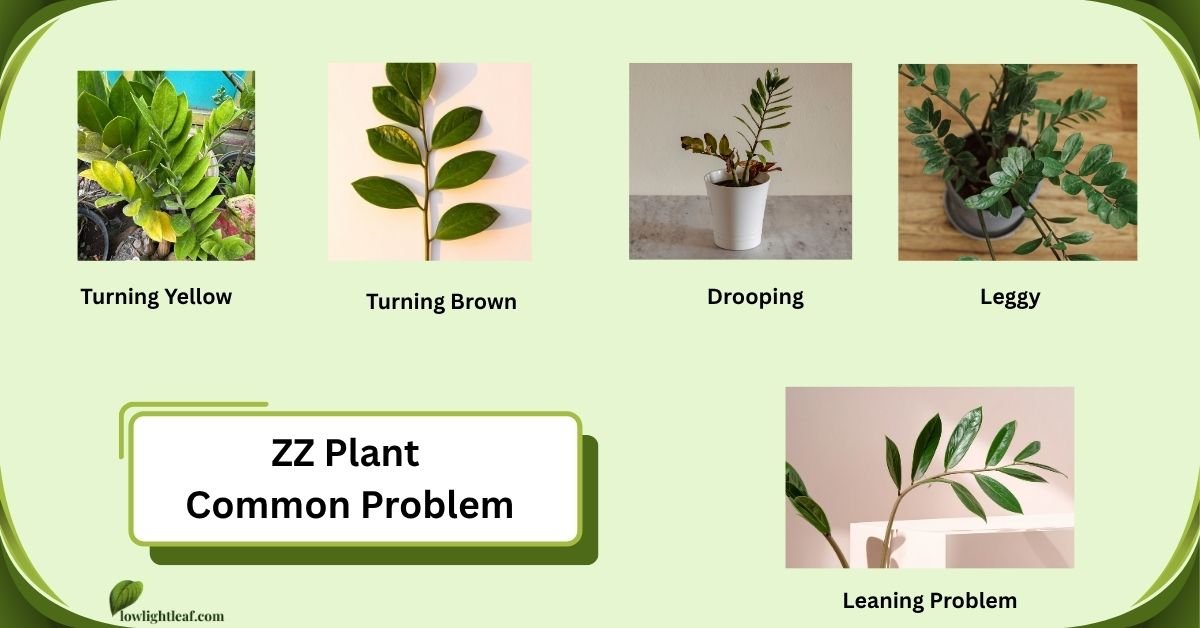
Think ZZ plants never struggle? Even the strongest can show signs of stress. Here’s how to spot and solve it fast.
Leaves Turning Yellow
Temperature Stress
ZZ plants like warm, steady conditions. If temperatures fall below 45°F (7°C), the leaves may turn yellow or wilt from stress. Keep your plant away from cold drafts, heaters, and air conditioners to prevent sudden temperature shock.
Why is the ZZ plant turning yellow?
Overwatering is the most common reason ZZ leaves lose their green color. ZZ plants like their soil to dry out between waterings, so soggy soil can cause root rot. Trim off the yellow leaves, and let the soil dry. If the problem continues, repot in a fresh, well-draining mix.
Nutrient Deficiency
Yellow leaves does not always mean overwatering. Sometimes, it’s a sign that your ZZ plant isn’t getting enough nutrients, so feed it lightly with a balanced liquid fertilizer every 4–6 weeks during the growing season.
Why is my ZZ plant still turning yellow if I’m not overwatering?
If watering isn’t the issue, yellow leaves may come from too much direct sunlight, which burns the foliage, or too little light, which weakens growth. Natural aging of older leaves can also cause yellowing.
Trim the damaged leaves and place your ZZ plant in a bright, indirect-light spot for recovery.
What would you do with a heavily drooping ZZ plant?
If your ZZ plant is heavily drooping but still producing new growth, don’t panic; this is usually fixable. A heavily drooping ZZ plant means watering or light issues. Check the soil, let it dry if it’s soggy, or water it if it is too dry. Please place it in bright, indirect light and prune weak stems. New growth indicates the ZZ plant is still healthy and can thrive with proper care.
Why are the leaves of my ZZ plant turning brown
Symptoms: Leaves turn brown, crispy, or start to wrinkle and wilt.
Reasons: Most often, underwatering, low humidity, poor water quality, or too much direct sunlight.
Solutions:
- Trim off damaged leaves (but not more than 20% at once).
- Move your plant to bright, indirect light.
- Follow a consistent watering schedule to support new, healthy growth. If the reason is the quality of water, you may use filtered water from the fridge, or leave tap water in a container overnight and then use it.
Why is my ZZ plant growing leggy?
Symptoms: Long, thin stems, a sparse appearance, and a loss of compact, full shape.
Reason: When a plant receives insufficient light, it tends to stretch.
Solutions: Place it in bright, indirect light, turn the pot, and trim tall stems for a fuller shape.
Why is my ZZ plant leaning to one side?
Problem: When a ZZ plant leans, it usually means either that overwatering has weakened its roots or that it is stretching toward light.
Solution:
- Check that the soil isn’t soggy, and let it dry out before watering again.
- To fix leaning, place your plant in bright, indirect light, or use a grow light to encourage balanced growth.
ZZ Plant Common Pests and Diseases
ZZ plants are tough and rarely get sick, but like most houseplants, they can sometimes face pests or fungal problems. Knowing what to watch for helps you act early and keep your Zamioculcas zamiifolia healthy.
Pests to Watch for and How to Treat Them
Mealybugs: Tiny white insects that look like cotton on stems and leaves. They drain nutrients from the plant, causing it to lose vigor and slow its growth. Use neem oil, insecticidal soap, or spray them off with water.
Fungus Gnats: Small black flies live in overly wet soil. Let the soil dry out, then water it with a mild hydrogen peroxide mixture to kill the larvae.
Aphids: Small green, yellow, or black bugs found on new growth. Rinse with water or treat with neem oil.
Scale Insects: Brown bumps stuck to stems and leaves. Wipe them off with a damp cloth or use horticultural oil.
Diseases to Prevent
Root Rot / Fungal Spots: Caused by overwatering and soggy soil. Symptoms include yellow halos, brown patches, or mushy roots. Isolate the plant, remove damaged leaves, let the soil dry, and repot it as needed in a fresh, well-draining soil mix.
Disadvantages of ZZ Plants
What You Should Know Before Bringing a ZZ Plant Home. While ZZ plants are low-maintenance and incredibly resilient, they do have a few drawbacks that every plant parent should be aware of:
- Slow growth: Patience is key.
- Toxicity: Harmful to pets and humans if ingested.
- Limited flowering indoors: Don’t expect blooms often.
ZZ Plant Mysteries
The ZZ plant may look simple at first glance, but it hides a few secrets that surprise even experienced plant owners. From its rare flowers to the way it stores energy underground, this Zamioculcas zamiifolia has mysteries waiting to be uncovered.
Rare Blooming Secret
Although ZZ plants are mostly grown for their shiny leaves, older plants sometimes surprise growers with tiny, pale flowers. These blossoms sit close to the soil surface and belong to the same arum family as peace lilies.
Hidden Pollination Clues
The drooping, ground-level flowers are thought to attract beetles and flies for pollination in nature. Indoors, however, blooms remain rare, making them a quiet mystery for plant lovers.
Seeds vs. Rhizomes
Unlike many flowering plants, ZZ plants rarely form seeds. Instead, they thrive by spreading through their underground rhizomes, which act as storage organs for water and energy.
ZZ Plant Care & Placement FAQs
How Much Light Does a ZZ Plant Need Indoors?
ZZ plants generally prefer bright, indirect light, but they are flexible enough to handle low-light areas. In brighter indirect light, growth stays more balanced and leaves look healthier. Very dark spaces may slow growth, while direct sunlight can damage the foliage.
Can ZZ Plants Survive in Low-Light Rooms?
Yes, ZZ plants can handle low light, which is why they’re popular in offices and shaded rooms. However, growth is usually slower and stems may stretch over time. For better results, indirect light or occasional exposure to a grow light helps.
How Often Should You Rotate a ZZ Plant Indoors?
Rotating a ZZ plant every two to three weeks helps it grow evenly. This prevents the plant from leaning in one direction and supports a balanced, upright shape, especially when light comes from one side.
Do ZZ Plants Grow Faster in Brighter Indirect Light?
Yes, ZZ plants usually grow faster in brighter, indirect light. In low-light spaces, growth often slows, while brighter conditions help produce sturdier stems and fuller foliage. Direct sunlight should still be avoided.
Can You Keep a ZZ Plant in a Dark Room?
ZZ plants tolerate low light but cannot thrive in total darkness. For healthy growth, place them in indirect light or use a grow light if the room has no natural light.
Conclusion
Caring for a ZZ plant is one of the easiest plant routines you’ll ever follow, whether you’ve got the classic ZZ plant. A bold raven ZZ plant, or the unique [variegated ZZ plant], they’ll all add beauty to your home.
Here’s what matters most for healthy ZZ plant care:
- Give it a cozy spot with bright, indirect light.
- Don’t rush when watering.
- Refresh the soil every couple of years.
Be patient with its slow growth. You’ll love this glossy, elegant plant. It looks fantastic and adds a calm, positive vibe to your space.