Reviewed by: Muddsir Munir
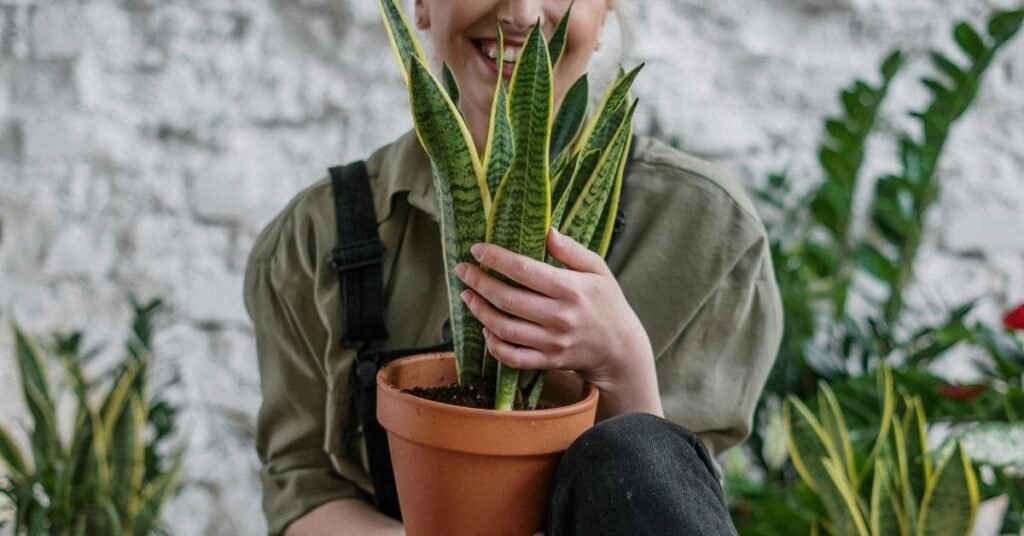
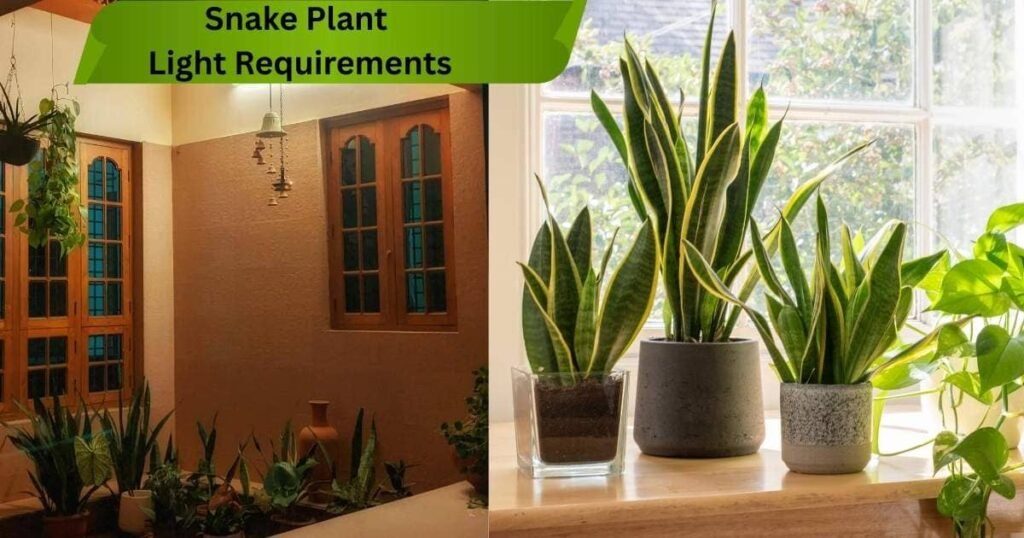
Poor lighting is one of the most common reasons snake plants stop growing. Snake plant is renowned for its upright growth and striking, sword-like foliage, which rises vertically from the plant base. Its rigid, deep-green leaves display distinctive yellow horizontal variegation. snake Plant Light requirements greatly affect a plant’s shape, color, and growth. Understanding ideal lighting is crucial to maintaining the snake plant’s health and appearance.
Why Proper Snake Plant Light Requirements Matter
Meeting the snake plant’s light needs is key to healthy growth and an appealing look. While snake plants tolerate many lighting conditions, proper light noticeably enhances leaf color, structure, and growth rate, helping the plant remain upright and stress-free.
How Snake Plant Responds to Different Light Conditions
Effects of Direct Sunlight on Snake Plant
From what I’ve seen, snake plants don’t handle strong, direct sun very well. Extended exposure can damage leaf surfaces and dull their natural color. To keep the plant growing steadily, bright but filtered light is usually the safer choice.
Benefits of Bright Indirect Sunlight
Bright, indirect sunlight supports overall snake plant health by promoting firm, upright leaves and steady growth, as explained in the Royal Horticultural Society’s guide on how plants use light to grow. When the light is well balanced, the plant can produce energy easily without stress, helping it stay neat, strong, and attractive over time.
Can Snake Plant Survive in Low Light?
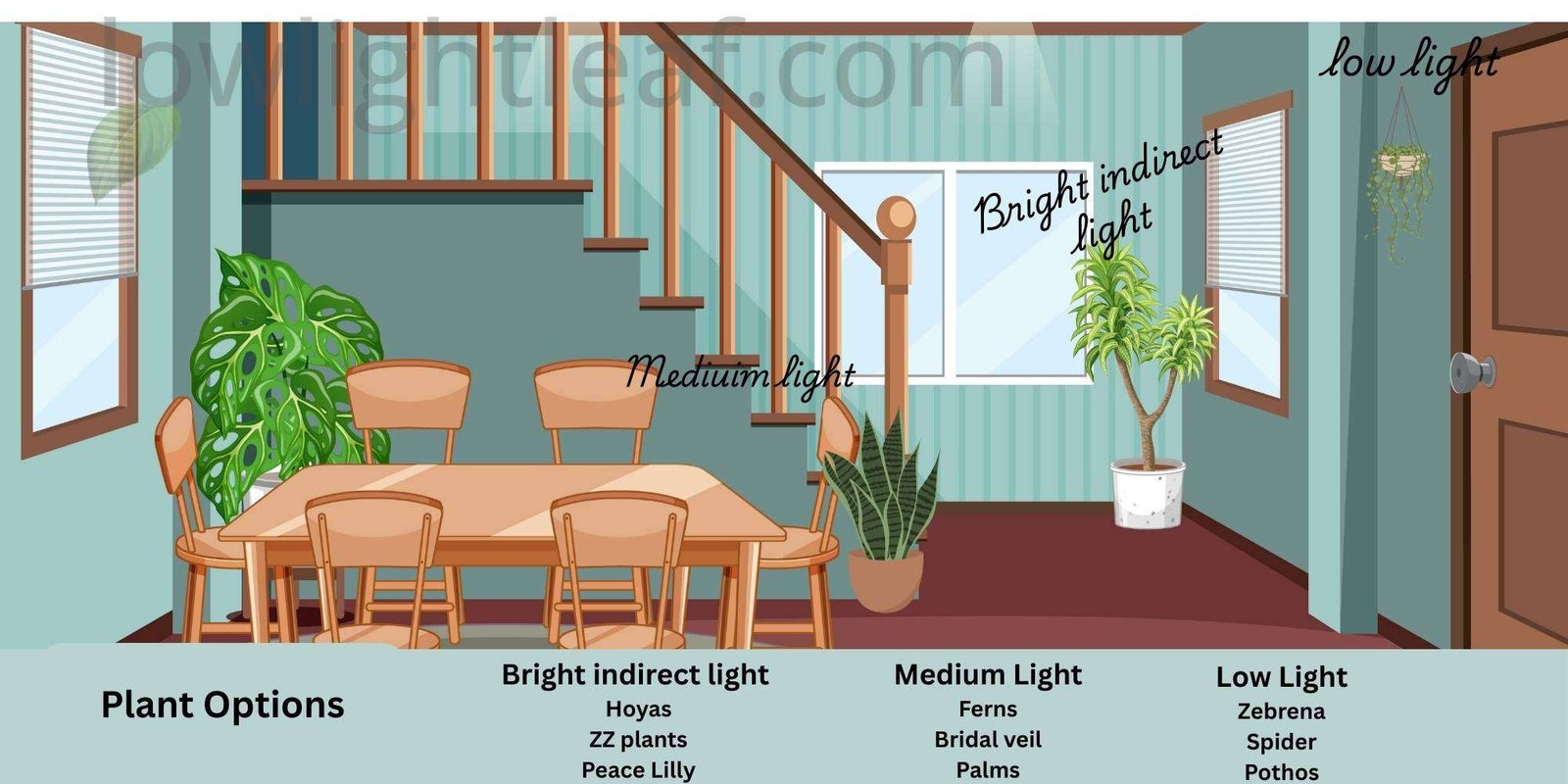
Snake plants are known for their ability to tolerate low-light environments. However, consistently dim conditions can affect their overall vitality. In low light, growth tends to slow, and the plant may gradually lose its strong structure and visual appeal. While low light will not immediately harm a snake plant. Because of this tolerance, snake plants are often counted among the most reliable low light indoor plants for homes and offices.
If you’re furnishing a dim space, you can also explore other low light plants that thrive indoors besides snake plants.
Snake Plant Light Needs at Different Growth Stages
Light requirements can vary depending on the plant’s growth stage, something many beginners overlook.
Young or Newly Planted Snake Plant
When a snake plant is young or newly planted, it benefits most from steady, gentle lighting. Soft, indirect light supports early root development and even growth. From what I’ve noticed, keeping young plants out of very low light early on helps avoid thin, weak, or floppy leaves later.
Mature Snake Plant
As snake plants mature, they become more adaptable to different light levels. Even so, consistent indirect sunlight helps preserve leaf thickness, upright structure, and deeper color, keeping the plant looking healthy over time.
How Much Light Does a Snake Plant Need Per Day?
First, understanding snake plant light requirements is essential for healthy growth. Generally, snake plants require at least 5–6 hours of daylight each day. However, when it comes to the best snake plant sun, bright indirect light works far better than harsh direct exposure.
Moreover, although snake plants can survive in low light, providing proper snake plant lighting helps the leaves grow upright, maintain their colour, and stay strong over time.
Does More Light Make a Snake Plant Grow Faster?
Yes, the right amount of light helps a snake plant grow faster. Bright, indirect light supports steady growth, while low light slows it down. However, too much direct sunlight can stress the plant and reduce healthy growth.
Best Indoor Placement for Snake Plant Based on Window Direction
Choosing the right spot indoors is crucial for meeting snake plant light requirements. From my experience, snake plants adapt well, but their growth and leaf color improve noticeably when placed facing the window.
East-Facing Windows
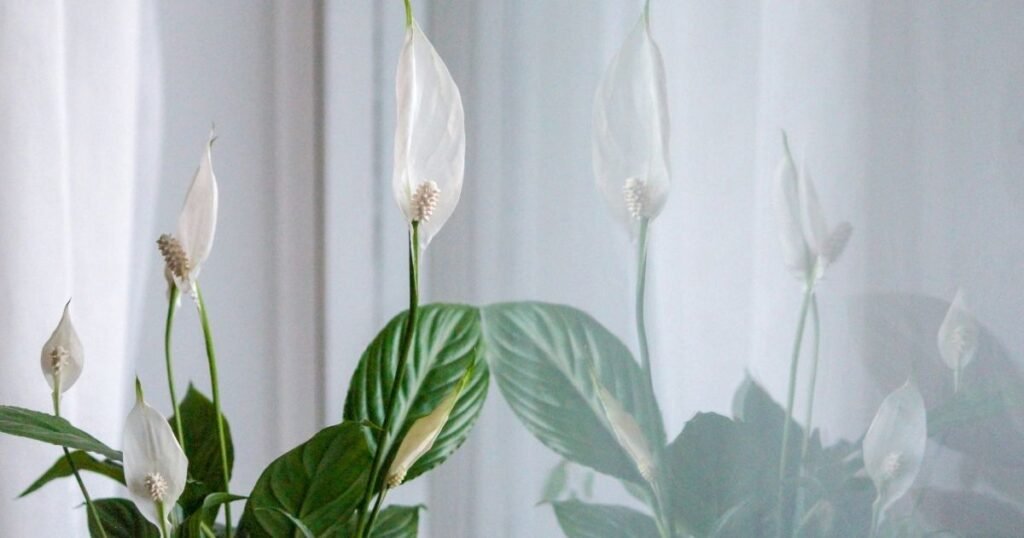
East-facing windows provide gentle morning sunlight, which is usually soft and indirect, similar to the conditions recommended in this peace lily care guide. This makes them an excellent placement option for snake plants. I’ve found that snake plants near east-facing windows maintain upright growth without showing signs of sun stress.
West-Facing Windows
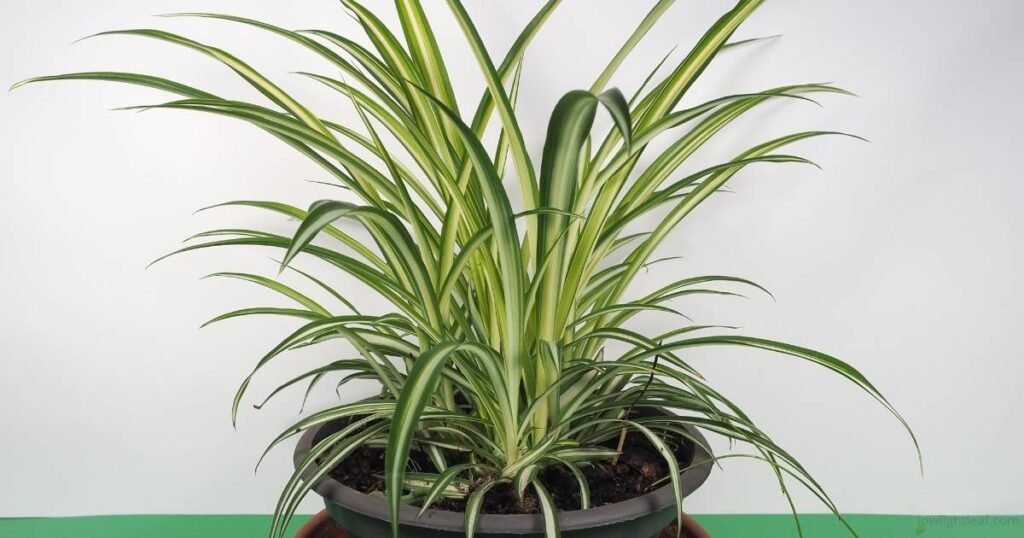
West-facing windows receive stronger afternoon light, which can sometimes be intense, similar to lighting conditions discussed in this spider plant care guide. Although snake plants can handle this level of light, placing them a short distance from the window or using a sheer curtain helps soften the sunlight.
North-Facing Windows
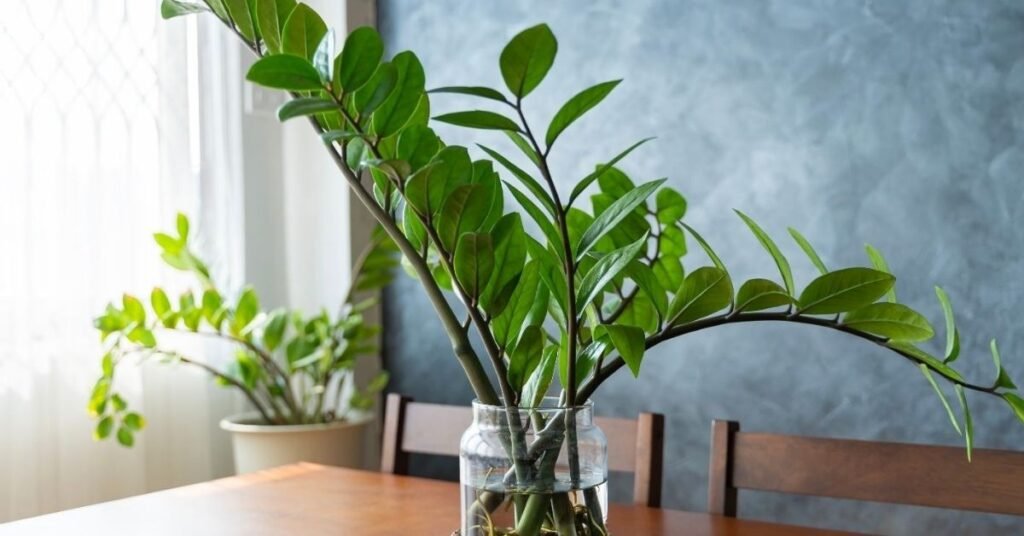
North-facing windows usually offer low to moderate indirect light. Snake plants can survive here, but growth may be slower, much like conditions discussed in this ZZ plant care guide for low-light indoor spaces. If the plant starts looking dull or stretched, adding artificial light can help meet its lighting needs.
South-Facing Windows
South-facing windows receive the brightest light throughout the day. In my experience, placing the snake plant slightly away from direct rays works best. Exposure to the leaves may cause leaf discoloration, while filtered light encourages healthier growth.
How Far Should a Snake Plant Be From a Window?
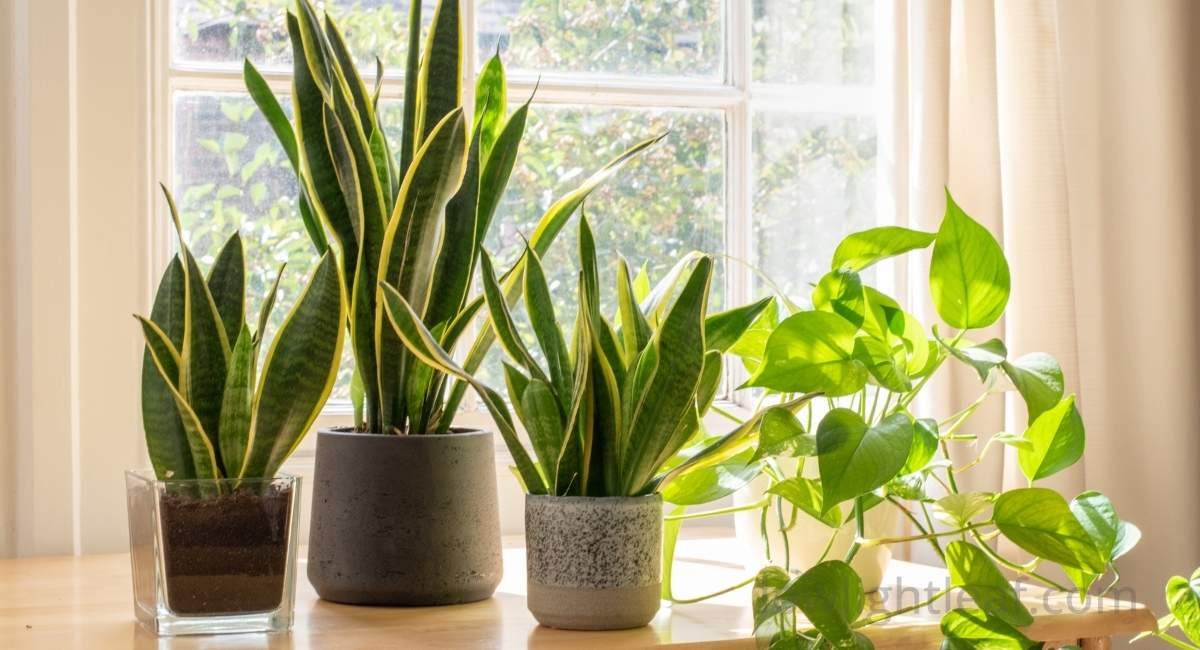
The distance from the window directly affects how much light your snake plant receives. Ideally, placing the plant 3–6 feet away from a bright window provides balanced indirect sunlight. If the light is very intense, increasing the distance helps prevent sunburn.
Interesting to know
Snake plants naturally grow toward the light. If you don’t rotate the pot every few weeks, one side may stretch faster, causing the plant to lean instead of growing straight.
Indoor vs Outdoor Light Requirements for Snake Plant
I’ve found that snake plants do well both indoors and outdoors, but light control makes a big difference. Inside the house, bright indirect light is easy to regulate. Outdoors, however, the plant needs protection from direct sun, particularly during hot months, to avoid leaf scorch, much like other tough houseplants covered in this cast iron plant care guide. That’s why indoor placement tends to be more reliable, especially for beginners.
Adjusting Snake Plant Light Requirements by Season
As seasons change, light intensity also changes, so adjusting snake plant lighting becomes very important. For example, if your snake plant is placed near a window for indirect sunlight during winter, you may need to move it closer to a brighter spot to meet its light needs for about 5 hours of daylight.
However, as summer arrives with stronger, more intense sun, it is better to move the plant slightly away from balconies or direct sunlight. In this way, you can protect the plant from harsh snake plant sun while still maintaining healthy and balanced growth.
Pro Tips
A snake plant placed in the same spot all year may struggle as seasons change. Even a small shift of 1–2 feet closer or farther from the window can noticeably improve growth.
Common Snake Plant Light Problems and Their Solutions
The amount of light a snake plant receives significantly affects its health; therefore, it is important to closely monitor any issues and address them early.
Signs Your Snake Plant Is Not Getting Enough Light
When a snake plant does not receive sufficient light, physical changes appear over time. Common signs include drooping or bending leaves, noticeably slower growth, and a lifeless or muted appearance. These visual cues indicate that the plant is struggling to meet its energy needs and would benefit from brighter lighting conditions.
Signs Your Snake Plant Is Getting Too Much Light
When a snake plant receives excessive sunlight, visible warning signs begin to appear. Leaves may develop yellow patches, dry or crispy areas, or show uneven coloring. These changes indicate light stress and signal that the plant needs to be moved to a location with softer lighting.
Slow Growth Due to Poor Lighting
If your snake plant is growing slowly or has stopped growing altogether, this may indicate a problem, that sometimes goes beyond light and requires snake plant repotting.
Reason:
A snake plant that has stopped growing indicates it isn’t receiving enough sun or that its light exposure needs aren’t being met.
Solution:
Move the plant to a brighter spot with indirect sunlight, or you can install the best artificial grow lights for the Snake plant.
Brown or Dry Leaf Edges from Excess Sun
Dry, brown edges indicate sunburn on the snake plant.
Reason:
Sunburn occurs from direct exposure to the sun (the plant receives too much light).
Solution:
Shift the plant to a location with gentler illumination, such as near a sheer curtain or a shaded window, and prune the brown leaf edges to let it grow healthily.
Drooping or Weak Leaves in Low Light
If leaves start bending, drooping, or losing their upright structure, it is a sign of weak foliage due to insufficient lighting.
Reason:
The plant’s upright structure was lost due to low light conditions.
Solution:
To overcome this problem, move the plant to a brighter spot or install artificial grow lights for the snake plant. Furthermore, for the best result, rotate the plant weekly so all sides receive equal light.
Changes in Variegation Caused by Light
Lighting plays an important role in how clearly variegation shows on snake plant leaves. When the plant is kept in very low light, the patterns can become dull or less noticeable.
Reason:
Because variegated leaves contain less chlorophyll, they need better light balance to maintain strong color contrast. In dim conditions, this contrast becomes harder to sustain.
Solution:
A simple way to support variegation is to gently clean the leaves with a damp cloth. Dust-free leaves absorb light more efficiently, improving pattern clarity without moving the plant into stronger sunlight or risking leaf damage.
Faded Leaf Colour and Dull Appearance
When the leaves lose their rich green colour and variegation, making the plant look lifeless.
Reason:
Happens due to a low-light condition.
Solution:
Introduce new artificial grow lights for the snake plant and rotate the plant regularly so all sides receive equal light and stay evenly bright.
Variegated Snake Plant Light Requirements
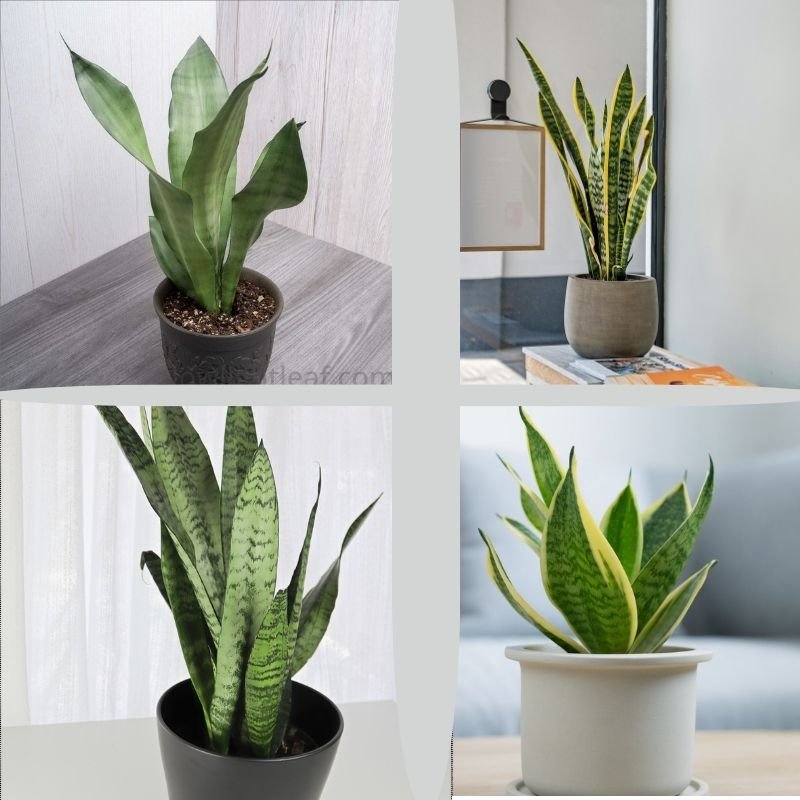
Since variegated snake plants have less chlorophyll, they need slightly brighter light to grow well, especially certain snake plant varieties with lighter leaf patterns. Bright, indirect light for several hours a day helps keep the leaf patterns visible and healthy. Strong direct sunlight can scorch the leaves, while low light may cause the colors to fade.
Best Artificial Grow Lights for Snake Plant
A full-spectrum LED grow light with a stand in daylight color is, without a doubt, one of the best options to fulfill snake plant light needs indoors. First of all, proper snake plant lighting is vital for maintaining healthy, upright, and vibrant leaves. Ideally, the grow light should be placed 12–18 inches above the plant to ensure balanced exposure.
If your room feels dim or gets very little natural light, using a grow light can really help a snake plant stay healthy. In such spaces, keeping the light on for around 8–12 hours a day usually works well. That said, the exact duration should depend on how much daylight the room already receives. For example, in a moderately bright room, I’ve found that 4–6 hours of artificial light is often enough.
Using a grow light with a built-in timer is also a smart choice. It keeps the lighting consistent, avoids overexposure, and makes daily care much easier.
Furthermore, although full-spectrum LED grow lights are available in many brands, some reliable and effective options include:
- Wolezek Full-Spectrum LED Grow Light for Indoor Plants
- Yadoker Grow Light with Timer
- LBW LED Grow Light with Stand
Common Myths About Snake Plant Light Requirements
From experience, snake plants don’t actually thrive in dark corners, even though they can survive there. With better lighting, their leaves stay stronger and more vibrant. It’s also a myth that direct sunlight is good for them; gentle, indirect light works far more effectively.
How Snake Plant Lighting Affects Watering Needs
There is a strong connection between light and watering for snake plants. Brighter conditions cause the plant to use water more efficiently, while low light slows this process and keeps the soil wet for longer, which directly affects snake plant watering routines. Paying attention to light levels when watering can help prevent common problems, including root rot.
FAQs About Snake Plant Light Requirements
Can Snake Plant Grow Outdoors?
Yes, it is possible to plant a snake plant outdoors, but it should only receive filtered sunlight. Direct sunlight can scorch the leaves and cause sunburn.
Does Snake Plant Need Light to Survive?
Yes, snake plants need light to grow. Although they are highly adaptable, they grow best in bright, indirect light.
Is LED Light Enough for Snake Plant?
Yes, an LED grow light is enough for a snake plant if it is full-spectrum or daylight (5000–6500K). Keep the light 12–18 inches away and use it for 6–12 hours daily, depending on room lighting.
Is Snake Plant Suitable for Beginners?
Yes, snake plants are ideal for beginners because they are highly adaptable and low-maintenance.
What Are the Benefits of Snake Plant?
Snake plants add a modern touch to your home while being low-maintenance. They also help improve air quality, release oxygen at night, and can reduce stress.