Last updated on January 13, 2026
In modern interiors, snake plants are a favorite because of their bold, sculptural look. Indeed, Sansevieria, better known as the snake plant, is a timeless classic that never fades from style. This hardy houseplant is especially popular as an indoor plant because it thrives in low light and needs very little care.
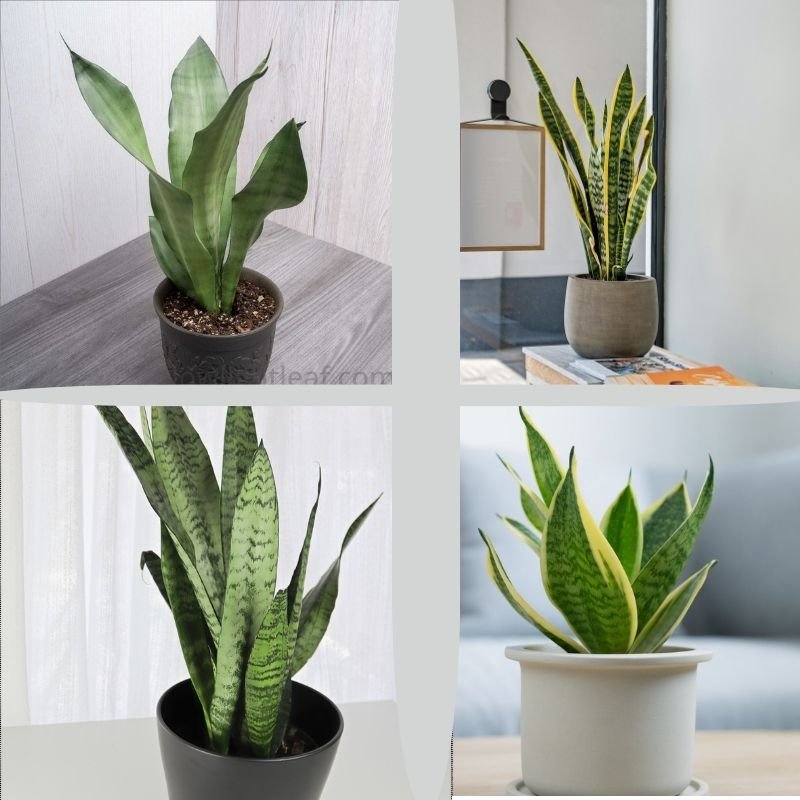
The plant is known for its stiff, sword-like leaves, striped with bands of green, yellow, cream, or silver. Moreover, this adaptable houseplant brings an elegant look and, consequently, an architectural feel to any space.
Plant enthusiasts are fond of it not only for its exotic appearance but also for its bulletproof care requirements. As a result, it has earned nicknames such as mother-in-law’s tongue and serpent’s tongue due to its indestructible nature. It is a perfect option for first-time plant buyers.
This low-maintenance and drought-resistant plant grows well in low, medium, or bright light. Furthermore, it naturally filters indoor air and thrives with little care, making it the perfect blend of beauty, resilience, and simplicity.
In this guide, we’ll explore everything about the [snake plant], its origins, varieties, benefits, planting tips, propagation methods, care essentials, styling ideas, and more. By the end, you’ll see why this resilient houseplant deserves a spot in your home.
What is a Snake Plant?
The snake plant (Dracaena trifasciata) is a tropical species native to West Africa. It was previously classified under the genus Sansevieria and is still commonly referred to as Sansevieria trifasciata. It belongs to the Asparagaceae family.
Is Snake Plant a Good Indoor Houseplant?
Yes, snake plants are one of the best indoor houseplants for beginners. They grow well indoors, tolerate low light, and require very little watering, making them perfect for homes, apartments, and offices.
Botanical Name
- Current name: Dracaena trifasciata
- Old classification: Sansevieria trifasciata
Snake Plant Family
- Family: Asparagaceae
- Genus: Dracaena
- Former genus: Sansevieria
Common Snake Plant Species
- Dracaena trifasciata
- Dracaena cylindrica
- Dracaena masoniana
Common Names of Dracaena trifasciata
- Snake plant
- Mother-in-law’s tongue
- Serpent plant
- Viper’s bowstring hemp (due to its strong fibers)
Snake Plant Origin
It originates in tropical areas of West Africa, such as Nigeria and the Democratic Republic of the Congo. It grows in dry, rocky ground and resilient climates, which explains its long lifespan in indoor conditions.
Snake Plant Size
Indoor varieties typically grow between 6 inches and 4 feet tall, depending on the type and the size of the pot. Some outdoor varieties grow even taller.
Sansevieria Growth Rate
Slow to moderate grower. Growth hastens in spring and summer, and diminishes in winter.
Foliage
The snake plant is distinctive for its leathery, pointed leaves, often patterned like those of an exotic snake. Most varieties grow tall and upright, while dwarf “bird’s nest” types form tight rosettes suitable for smaller spaces. The leaves may be flat, concave, twisted, or tubular.
Flowers
Snake plants rarely bloom indoors. An established plant can surprise you with an infrequent bloom. A narrow spike of white or pale-pink lily-like flowers emerges only after extended periods of time, emitting a very fragrant odor.
Snake Plant Longevity
Due to its hardiness, it is among the longest-lived of houseplants. It can live for 5–25 years indoors with care, provided it is propagated by division every five years.
Toxicity
Slightly toxic to animals (cats and dogs) if eaten. Chewing it is likely to cause nausea or stomach discomfort in humans. So avoid the reach of children and animals.
Care Level: Beginner-friendly
It is one of the simplest to cultivate, demanding little attention. Hardy to neglect, thus suitable for time-conscious plant owners.
Advantages of Having a Snake Plant
Bringing a snake plant into your home or office isn’t just about adding greenery. It’s about embracing a more innovative, healthier way to live. Let’s explore why so many people have fallen in love with this easygoing plant.

Aesthetic Appeal of Snake Plant
This popular houseplant is known for its tall, sword-like leaves that add structure and elegance to any room.
Snake Plant Produces Oxygen at Night
The snake plant uses a process called CAM photosynthesis, allowing it to release oxygen at night, unlike many other indoor plants, which release oxygen only during the day. This unique trait can help maintain better air quality and may contribute to a more restful sleep environment.
Snake Plant Air Purifying Properties
One of the most sought-after snake plant benefits is air filtering. According to NASA’s Clean Air Study, the snake plant is a natural air purifier. It removes indoor air toxins such as formaldehyde, benzene, xylene, and toluene, releasing oxygen during the night. This makes it ideal for bedrooms, offices, and studio apartments.
Low-Maintenance Lifestyle
Snake plants are very tolerant and drought-resistant and do well even in poor lighting. This hardy plant is perfect for gardeners. It offers durability, versatility, and low maintenance. For this reason, it is ideal for beginners or anyone seeking an easy-care houseplant.
Health and Wellness Benefits of ‘Sansevieria’
Allergy Reduction
Snake plants help freshen indoor air by removing certain airborne pollutants. They can also contribute to slightly higher humidity levels, which reduce common allergens and create a more comfortable living environment.
Promotes Inner Peace
Similar to many other houseplants, snake plants can contribute to a more pleasant indoor environment by supporting relaxation and promoting well-being in homes and offices.
Feng Shui Benefits
In Feng Shui the snake plant symbolizes resilience and protection. It is believed to bring balance and harmony to the surrounding space.
Want to learn about more easy-to-grow indoor plants? Head over to our homepage
Planting Snake Plant
If you’re picking snake plants to add to your collection, here’s how to plant them well and set them up for long-term growth.
Where to Plant a ‘Sansevieria’
Snake plants (Sansevieria) thrive in almost any location with some light, best in bright, indirect light near a window.
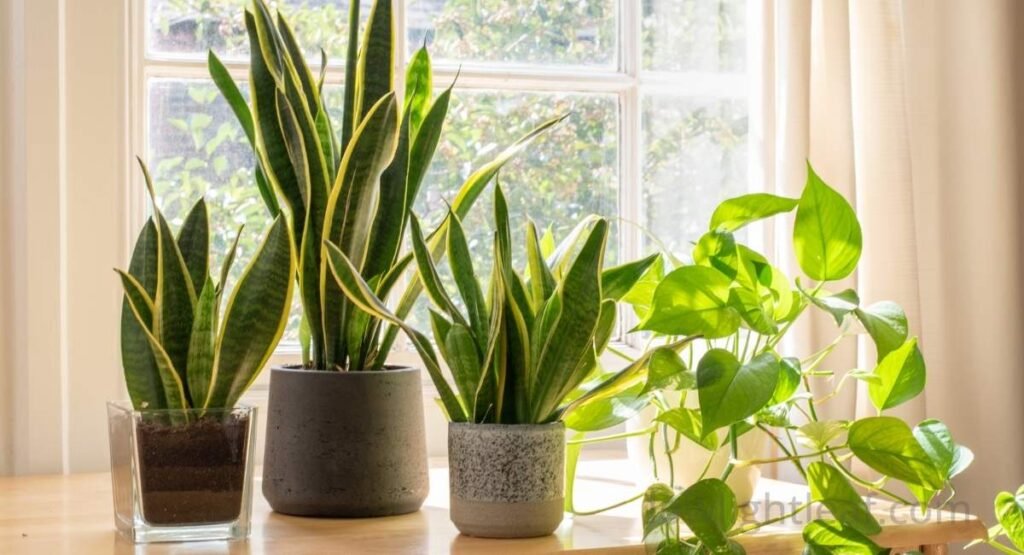
Containers for Snake Plant
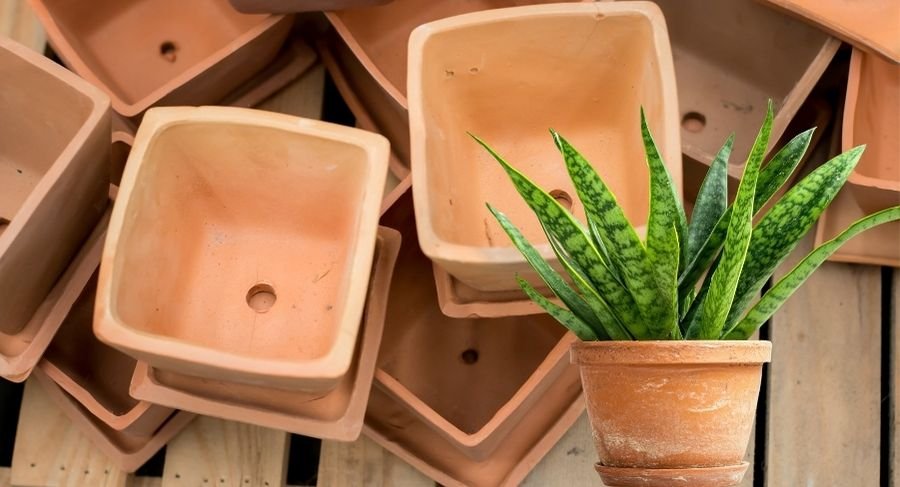
Snake plants require strong pots because their rhizomes can crack thin plastic pots. Heavy clay pots provide stability for tall leaves by keeping the soil moist without overwatering. Wide, shallow pots with drainage holes promote vigorous root growth.
Pot Size for Snake Plant
For initial planting, select a 4–6-inch pot for small snake plants, a 6–8-inch pot for medium snake plants, and a 10–12-inch pot for large snake plants. Select a pot that is 1–2 inches larger in diameter than the root ball and has drainage holes.
Attention: During repotting, use a vessel that is approximately twice the width of the root ball, without changing the soil depth.
Best Soil for Snake Plant
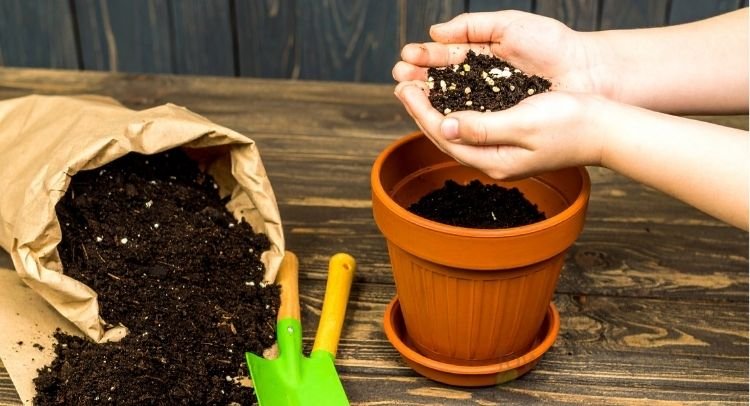
To support healthy development, the snake plant needs a well-draining soil mix. Use a sandy mix or cactus potting mix as the best choice, and avoid peat-based soil as it holds too much water.
Temperature
Ideal room temperatures for Snake Plants range from 65°F to 80°F. They tolerate cooler air, which makes them excellent indoor plants.
Warmer/Winter Environment
In warmer climates (Zones 9–11), snake plants are also appropriate for outdoor cultivation in pots or directly in the soil. Do not plant directly into the soil if winters are harsh, as frost will mark the leaves.
Humidity Requirements
Snake plants prefer household humidity levels of 30% to 50%. Unlike tropical houseplants, snake plants don’t need misting. In fact, excessive humidity can promote fungal problems.
How to Water a ‘Dracaena trifasciata‘?
Always drain the saucer to avoid standing water.
When to Water It?
Allow the soil to dry completely before watering. Always let excess water drain to keep the roots strong and healthy.
In summer, every 2–3 weeks.
In winter, once a month or less.
Signs Your Mother-in-law’s Tongue Needs Attention
Notice some snake plant leaves turning yellow or feeling soft? It’s your plant’s way of telling you it’s had too much water. Keep the leaves clean and watch for these signs to ensure your snake plant stays healthy and thriving.
If you want a clear, step-by-step watering schedule, including how often to water in summer vs winter and common mistakes to avoid, check out my detailed guide on watering snake plants
How to Fertilize Snake Plant
Snake plants need little fertilizer and can survive in poor soil. Fertilize with a diluted liquid or slow-release 10-10-10 fertilizer in spring and mid-summer. Avoid fertilizing in winter for optimal growth.
Looking for more indoor plant care guides? Visit our Low LIght Plants for easy tips and inspiration.
How to propagate Snake plant
Snake plants are easy to multiply, producing free plants or thoughtful gifts. In spring or summer, propagate by cuttings or division once the plant is about four inches tall. Separate new shoots, cut through the roots with a sharp knife, and replant them in moist soil. Leaf cuttings can also work, but variegated types may not grow true to form.
How to Propagate Snake Plant by Division
The best way to propagate mother-in-law tongue plants. Pups are baby snake plants that develop from the soil. Divide the roots, remove them, and plant each in its own container. A step-by-step breakdown is as follows.
1_ Unpot the Snake Plant
First, carefully remove the snake plant from its container and place it on a flat surface.
2_ Brush away the roots
Gently remove the soil until the rhizomes or roots are visible.
3_ Cut into sections
Cut the rhizomes using a knife at the orange section, ensuring that most of the roots remain intact.
4_ Pot the Sections
Put each piece of plant into a clean pot with new soil, using a pot suitable for its root size.
5_ Water & Light
Provide the plant with a thorough watering and place it in an area with filtered sunlight.
How to Propagate Snake Plant from Leaf Cuttings
This is another way of propagating the snake plant through leaf cuttings.
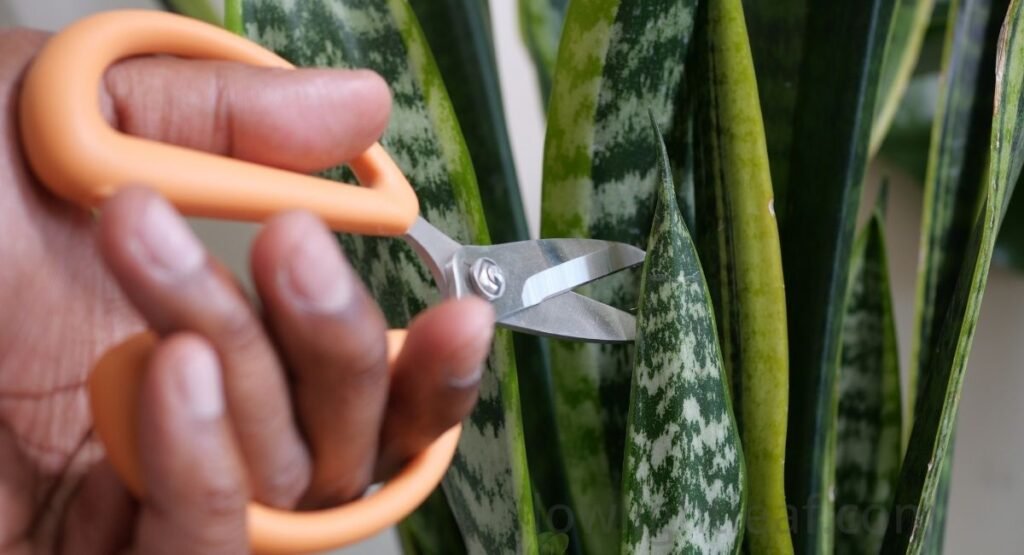
1_ Remove a leaf:
Remove a healthy leaf near the soil line using clean scissors.
2_ Dry the cutting:
Dry the cutting for 1–2 days to develop a callus.
3_ Place partly water/Soil:
Submerge the cut end of the leaf in fresh water and position the jar in low, partial sunlight. Plant the cutting always in the same direction that it naturally grew (don’t turn it around upside down).
Tip: You may set the cuttings in good-draining soil until they develop roots.
4_ Fresh Water or Moist Soil
Change the water every two weeks to prevent algae from growing and to keep it fresh. If planting in soil, keep it uniformly moist.
5_ Rooting Takes Time
New roots and offshoots will form in one to four months from the cut base of the leaf.
6_ Shift into Potting Mix
When the roots are about an inch long, transfer the cutting to a well-draining potting mix.
7_ Light and Water
Grow your Snake Plant in bright, indirect light and water sparingly. After the roots establish, transition it to direct sunlight.
Best Time to Propagate
Spring or early summer is the best time to do this, as it is the active growing season. It should be avoided when the plant is dormant, such as during the winter.
How to Grow and Care for Snake Plant
While the Snake Plant is low-maintenance, following a simple care routine will keep it thriving for decades.
Indoor Snake Plant Care (Complete Guide for Beginners)
Indoor Snake Plant Care Checklist (Quick Summary)
➦Light: Bright, indirect light is ideal, but snake plants also grow well in low-light indoor conditions
➦Water: Water every 2–3 weeks, only when the soil is completely dry
➦Soil: Use a well-draining cactus or succulent potting mix
➦Temperature: Keep between 65°F and 80°F (18°C–27°C)
➦Humidity: Normal indoor humidity is sufficient
➦ Placement: Ideal for bedrooms, offices, and indoor living spaces
Light Requirements
- The [snake plant] is incredibly adaptable:
- Tolerates low light
- Prefers bright, indirect light for faster growth and stronger colors.
- Avoid placing it in direct afternoon sunlight, which can scorch the leaves. Knowing the ideal light conditions for snake plants helps you choose the right spot and avoid harsh afternoon sunlight that may scorch the leaves.
For Plant Lovers who want a deeper understanding of low-light environments and how plants adapt to them, my Low Light Plant Guide covers everything from light levels to proper placement.”
Soil and Potting Mix
- Use a succulent or cactus mix with added sand/perlite for drainage.
- Avoid heavy soils that hold water.
- Repot every 2–3 years to refresh nutrients and give roots space.
Signs of Overwatering in snake Plants?
Overwatering is the number one killer of the [snake plant], which can cause the leaf bases to turn yellow and become mushy. When you water, water thoroughly until it drains from the bottom of the pot.
Cleaning the Leaves
Dust can block the plant’s ability to photosynthesize. Dust leaves gently with a damp cloth once a month. Avoid harsh chemicals or leaf shine sprays.
Repotting ‘Sansevieria’
Repot every 2–3 years or when roots climb against the pot walls. Select a slightly bigger pot with good drainage. If you are struging follow this guide to repotting a snake plant to learn exactly when and how to do it properly. Refresh with new soil to promote healthy growth.
Trim Dead or Damaged Foliage
Always trim Yellow, mushy, or wrinkled leaves at the base. Scissors should always be clean and sharp to prevent the spread of diseases.
Types of Snake Plants
Snake plants are not confined to one look; they come in many unique varieties, each with its own charm. The popular Dracaena trifasciata ‘Laurentii’ is loved for its tall leaves edged with golden yellow. On the other hand, the compact ‘Hahnii’ (Bird’s Nest Snake Plant) forms a small rosette, perfect for desktops and coffee tables. Some of the favorites include:
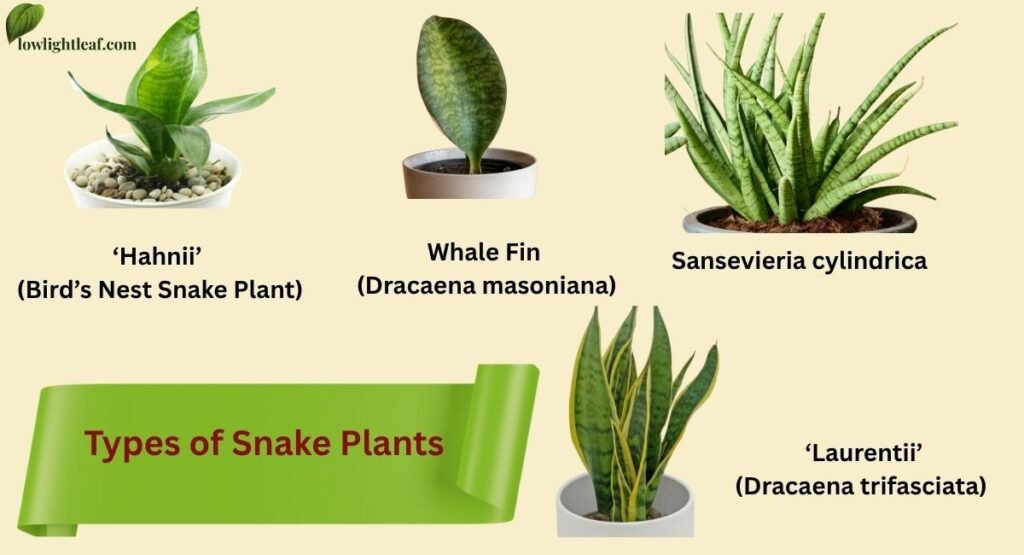
Dracaena trifasciata ‘Laurentii’ Upright, tall leaves with bold golden-yellow edges.
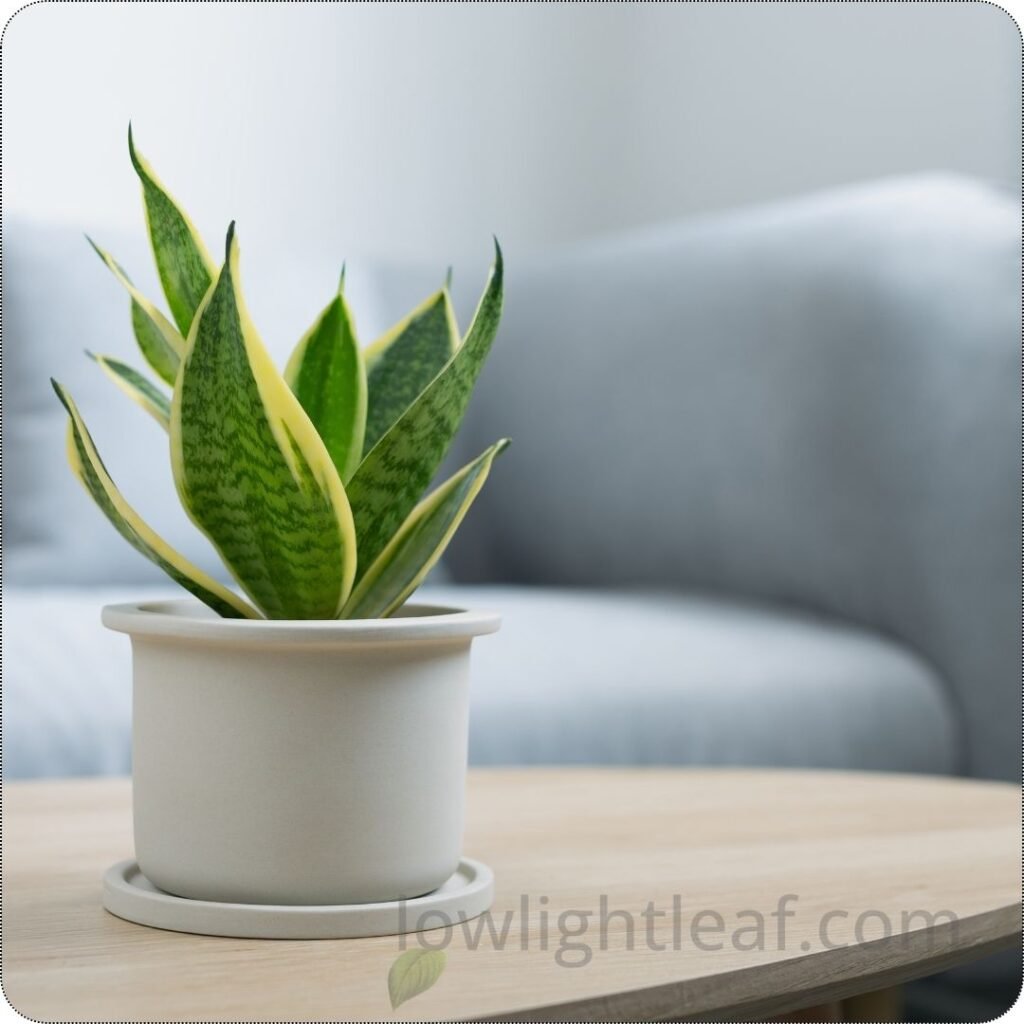
‘Hahnii’ (Bird’s Nest Snake Plant): A small rosette type that remains below 6 inches, ideal for shelves or desks.
Whale Fin (Dracaena masoniana): Its broad, paddle-shaped leaves make a dramatic statement.
Sansevieria cylindrica: Its slim, tubular, spear-shaped leaves give it a contemporary appearance.
‘Moonglow’: Pale silvery-green with subtle variegation, bringing sophistication to any space.
These are only a few examples. Explore our comprehensive Snake Plant Varieties guide to learn about many more you can grow indoors.
Common Indoor Pests That Affect Snake Plants
Snake plants may attract indoor pests, including spider mites, fungus gnats, and mealybugs. Many of these can be removed manually or washed off with a gentle water spray. For larger infestations, applying neem oil is an effective treatment. Here’s a simple table for quick reference:
| Pest Name | Signs of Infestation | Treatment Method |
|---|---|---|
| Spider Mites | Tiny webs on leaves, dry or speckled foliage | Wipe leaves with a damp cloth or spray with neem oil |
| Fungus Gnats | Small black flies near soil surface | Allow soil to dry out and use sticky traps |
| Mealybugs | White cotton-like clusters on leaves or stems | Remove manually with cotton swab dipped in alcohol |
| Scale Insects | Brown, shell-like bumps on leaves | Scrape gently and apply insecticidal soap |
Common Problems of Snake Plant & Solutions
While the snake plant is resilient, it still runs into problems if it is not adequately cared for. Knowing the signs and solutions will keep your plant thriving.
Overwatering & Root Rot
Problem: If your snake plant’s soil stinks, it has root rot, mushy leaves, foul smell, or soggy soil.
Solution
- Remove the plant from the pot.
- Trim off any soft, blackened roots; leave only the firm, healthy ones. Rinse the roots gently to remove dirt or other materials.
- During reporting, place the plant in a clean pot filled with fresh and well-draining soil.
- Only water the Snake Plant when you feel the soil is completely dry.
Underwatered Snake Plant
Problem: An underwatered snake plant may develop wrinkled, curled, or dry leaves and show slow growth.
Solution: Give the plant a deep watering until excess water drains out. After that, follow a consistent watering schedule and allow the soil to dry between waterings, but do not leave it dry for too long.
Yellow Leaves on ‘Sansevieria’
Problem: Leaves turn yellow or become soft. Causes include overwatering, poor drainage, and insufficient sunlight.
Solution:
- Trim yellow leaves at the base.
- Move to a brighter spot with indirect sunlight.
- Check if your pot has drainage holes.
Wrinkled or Drooping Leaves
Problem: Soil too dry or pot-bound roots.
Solution:
- Give the plant a deep watering, then let any excess water drain out of the pot.
- Move your plant to a new pot once the roots outgrow their space.
Fungal Issues
Problem: Brown spots or leaf blotches.
Solution:
- Improve air circulation.
- Avoid splashing water on leaves.
- Treat with a fungicide if necessary.
Overwintering.
Problem: Keep Snake Plants away from cold air. Temperatures below 50°F or winter drafts can damage their leaves and roots.
Solution:
- Bring them indoors to a warm, draft-free spot.
- Water sparingly during winter and let the soil dry out completely before watering again.
Snake Plant and Pets
A common question among plant lovers is whether their greenery is toxic to pets. The snake plant is aesthetically pleasing and healthy for your living space, but it can be hazardous to cats and dogs, so caution is needed.
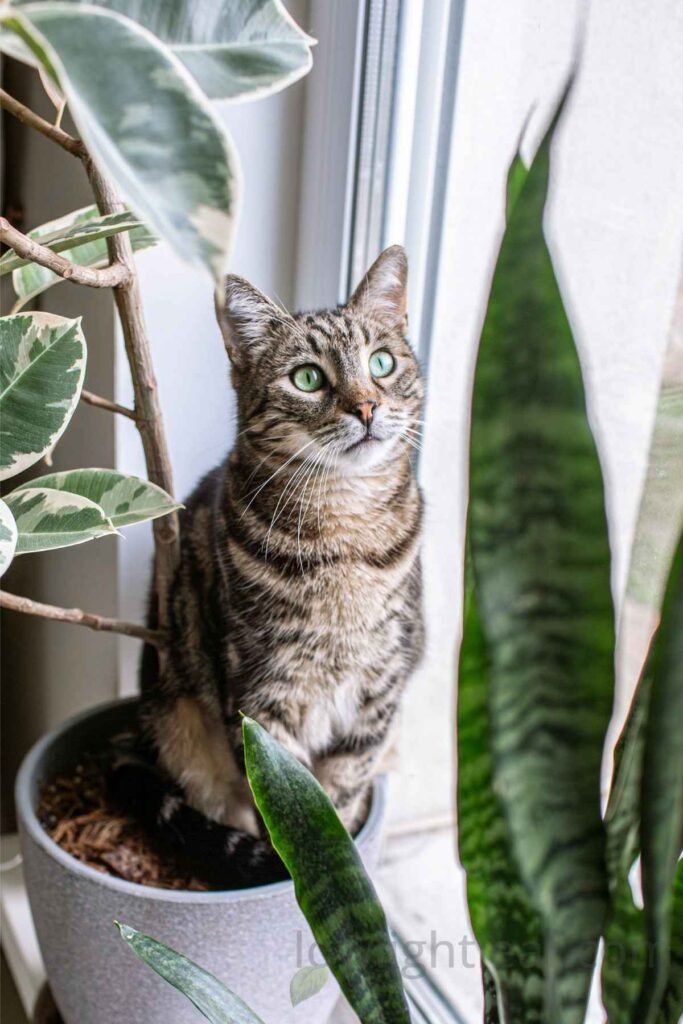
Safe Placement Tips
- Place the snake plant on a high shelf, plant stand, or hanging planter to keep it out of reach.
- If you have inquisitive pets, then try deterring them with citrus peels around the base of the plant. Cats do not like their smell.
- In case of ingestion, consult a veterinarian immediately.
Is Snake Plant Toxic to Cats and Dogs?
Yes, the chemical in the mother-in-law’s tongue, Dracaena Trifasciata, is a saponin. Symptoms it may cause in cats and dogs include nausea, vomiting, and drooling. This may also manifest as upset stomach, diarrhea, or loss of appetite.
Creative Ways to Style Snake Plants Indoors

Vertical Accent for Contemporary Spaces
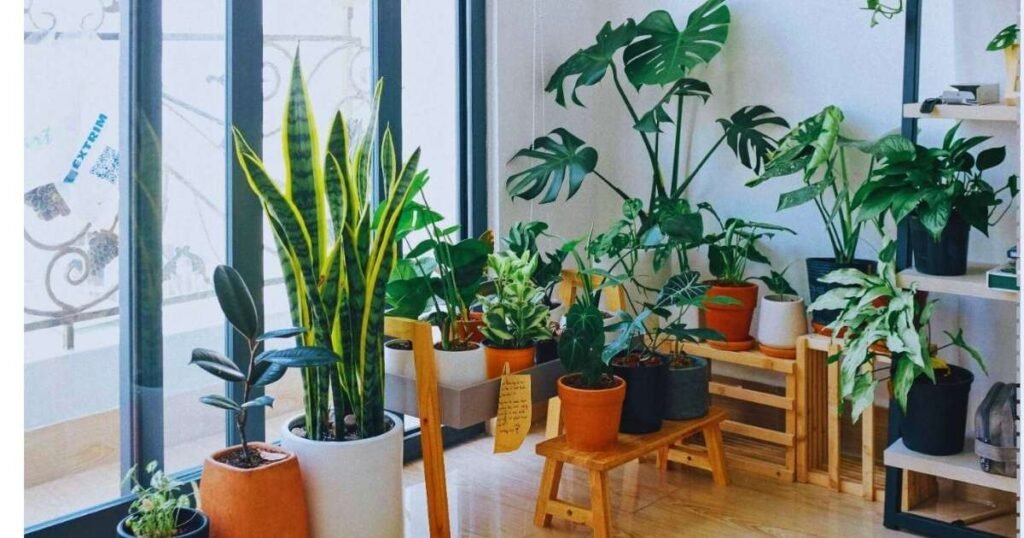
The long, slender shape of this plant makes it an excellent accent in most home settings, while standing alone and blending with other plants to create beautiful looks that accommodate a wide range of lighting conditions and positions.
Natural Privacy Screens
Tall varieties of snake plants make good natural room dividers. Plant them beside bedroom or bathroom windows, or group several pots on a table or shelf for a chic green room divider.
Chic Thin-Space Displays
For thin spaces, keep varieties of snake plants in a tall container. A combination of regular Snake Plant, Laurentii, shark’s fin, bird’s nest, starfish, and ‘Super clone’ makes a dramatic, eye-catching display.
Small Snake Plant Tabletop Displays
Bird’s nest snake plants, such as Sansevieria trifasciata ‘Hahnii’, are perfect for desktops, coffee tables, and bookshelves. Their compact, slow-growing nature also makes them ideal for dish gardens or terrariums, especially in low-light areas.
Aquarium-Inspired Styling
Placing snake plants near the aquarium adds a creative twist. The tall, twisty leaves resemble swaying seaweed, creating a kelp-garden effect that enhances the aquatic vibe.
Snake Plant Corner & Stand Styling
Tall snake plants in decorative plant stands can turn drab, vacant corners into colorful conversation pieces. Their shade tolerance and upright growth make them ideal for areas where other houseplants may struggle.
Snake plants pair beautifully with ZZ plants in low-light homes. Check out my detailed ZZ plant care guide for more tips.
Choosing the Right Snake Plant Planter
Selecting the proper snake plant container is essential for adequate growth. Always select planters with drainage holes, preferably terracotta or clay, to avoid root rot. Dwarf varieties, like the Bird’s Nest, fit well in smaller pots, while taller varieties, such as the Snake Plant Laurentii, require taller, sturdier pots.
Conclusion
The mother-in-law’s tongue or dracaena trifasciata, commonly referred to as snake plant, is more than a hip household plant. Its striking vertical leaves, air purification qualities, and low-maintenance regimen make it the ideal partner for novices and plant enthusiasts alike.
Whether you’re decorating a small desk with a mini snake plant planter or styling a tall variety in your living room, this versatile plant fits beautifully in any setting. Just remember to keep it out of reach of pets, avoid overwatering, and enjoy the fresh, clean air it provides.
In short, every home needs a [snake plant], an enduring icon of strength, beauty, and natural air cleaning.
Snake Plant FAQs
How do you care for a snake plant indoors?
Indoor snake plant care includes bright indirect light, watering every 2–3 weeks only when the soil is completely dry, and using a well-draining potting mix.
Can snake plants live indoors with low light?
Yes, snake plants can live indoors in low-light conditions. However, they grow faster and stay healthier in bright, indirect light.
How often should I water an indoor snake plant?
Water an indoor snake plant when the soil is fully dry. In most homes, this means watering once every 2–3 weeks and even less during winter.
Can a snake plant survive in no light?
Although snake plants tolerate low light, they cannot survive in complete darkness. Some indirect or artificial light is necessary for healthy growth.
Why is my snake plant turning yellow?
Yellow leaves usually indicate overwatering or poor drainage. Reduce watering and make sure the pot has proper drainage holes.