
Snake Plant (Dracaena trifasciata): Complete Guide & Resources
Explore our complete library of snake plant resources, organized by topic. Everything you need, all in one place.
Snake plant is the common name for Dracaena trifasciata, one of the world’s most recognizable indoor plants. Although its accepted scientific name is now Dracaena trifasciata, many growers and nurseries still refer to it as Sansevieria, the former botanical name used for decades. Native to the dry regions of West Africa, the snake plant has earned worldwide popularity for its distinctive upright foliage, long lifespan, and adaptability to a wide range of indoor environments.
Snake plants have been grown indoors for generations, and we’ve created guides covering every major topic in one place. Browse the collection below to learn more about the plant, explore different varieties, or jump straight to the topic you’re interested in. Each guide focuses on a single subject, making it easier to find clear, detailed information without digging through one long article.
snake plant overview
| Attribute | Details |
|---|---|
| Scientific Name | Dracaena trifasciata |
| Former Name | Sansevieria trifasciata |
| Genus | Dracaena |
| Number of Varieties | 70+ |
| Indoor Size | 6 inches – 4 feet |
| Lifespan Indoors | Many years with basic care |
| Pet Toxicity | Mildly toxic |
| USDA Hardiness Zone (Outdoors) | 9–11 |
| Difficulty Level | Beginner-friendly |
| Best Suited For | Low-light rooms, offices, busy households |
Explore Snake Plant Guides
Every part of growing a healthy snake plant has its own dedicated guide below. Pick the topic you need, and get the complete answer without digging through unrelated information



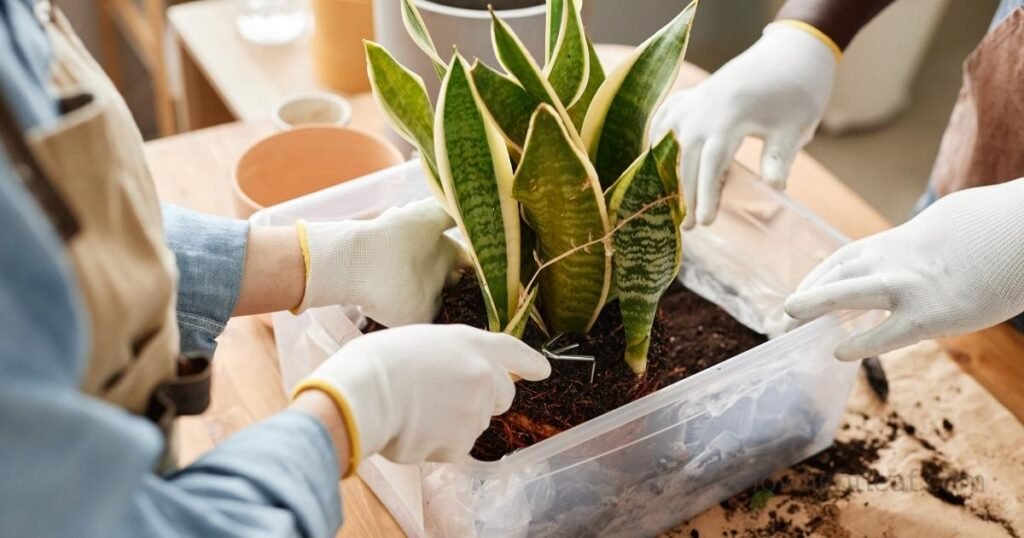


Common Snake Plant Problems
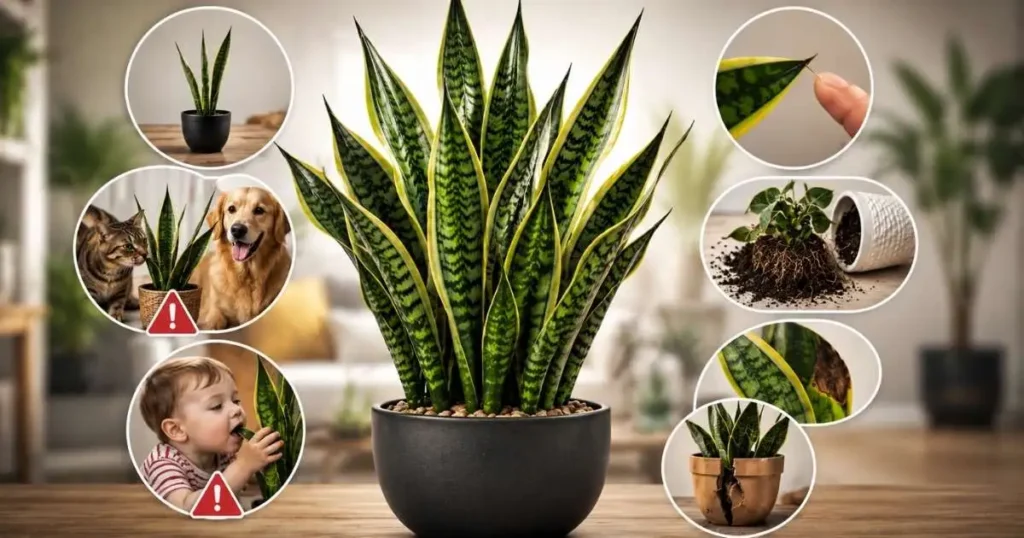
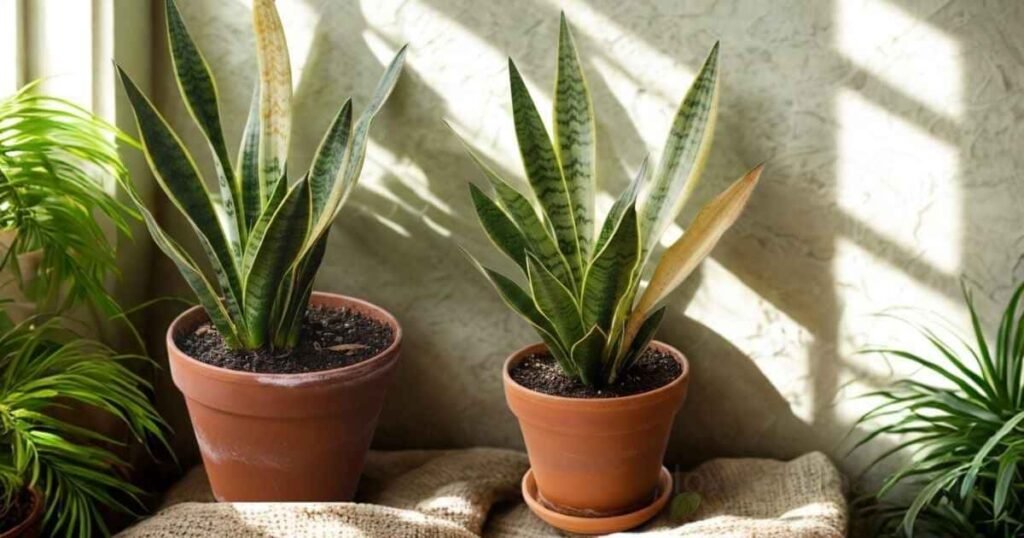
Browse our troubleshooting guides for the most common snake plant problems. Each guide covers a specific issue in detail, making it easier to identify symptoms and explore possible solutions.

How Snake Plant Compares With Other Popular Houseplants
Snake plant isn’t the only option for a dim corner, and it’s worth knowing how it stacks up against the other plants people usually consider alongside it.
| Feature | Snake Plant | ZZ Plant | Pothos | Peace Lily |
|---|---|---|---|---|
| Light Tolerance | Very High | Very High | High | Moderate |
| Watering Needs | Low | Low | Moderate | Moderate–High |
| Growth Rate | Slow | Slow | Fast | Moderate |
| Growth Habit | Upright | Upright | Trailing | Upright |
| Pet Safety | Mildly Toxic | Toxic | Toxic | Toxic |
ZZ plant is the closest match in terms of neglect tolerance, though its glossy leaves give a different look. Pothos grows faster and trails, making it better suited for shelves or hanging baskets rather than the upright structure a snake plant brings to a room. Peace lily needs more attention and more consistent moisture, but rewards it with blooms, something snake plant never offers.
Explore More Indoor Plant Guides
If you’re comparing different low-maintenance houseplants, you may also find these guides helpful:
Frequently Asked Questions
What is the scientific name of a snake plant?
The scientific name is Dracaena trifasciata, previously classified as Sansevieria — a name still widely used by nurseries and growers today.
Is a snake plant a succulent?
Yes. Snake plants are considered succulent plants because their thick leaves store water, allowing them to survive dry conditions better than many other common houseplants.
Where are snake plants native to?
Snake plants are native to West Africa, where they naturally grow in dry, rocky regions from Nigeria to the Democratic Republic of the Congo.
How many snake plant species and cultivars are there?
There are around 70 recognized species traditionally associated with the Sansevieria group, along with numerous cultivars and variegated forms grown for their unique colors, patterns, and leaf shapes.