Last updated on May 18, 2026
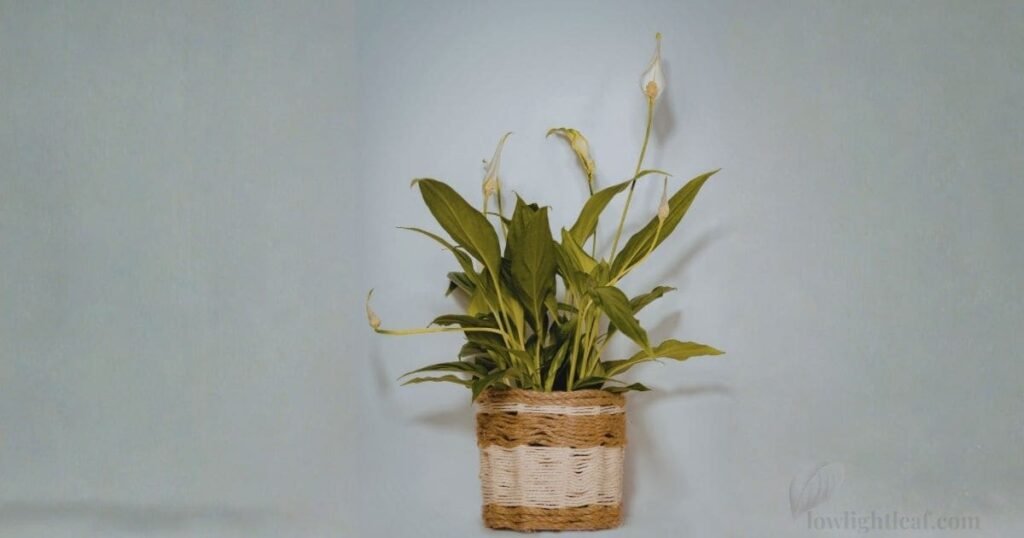
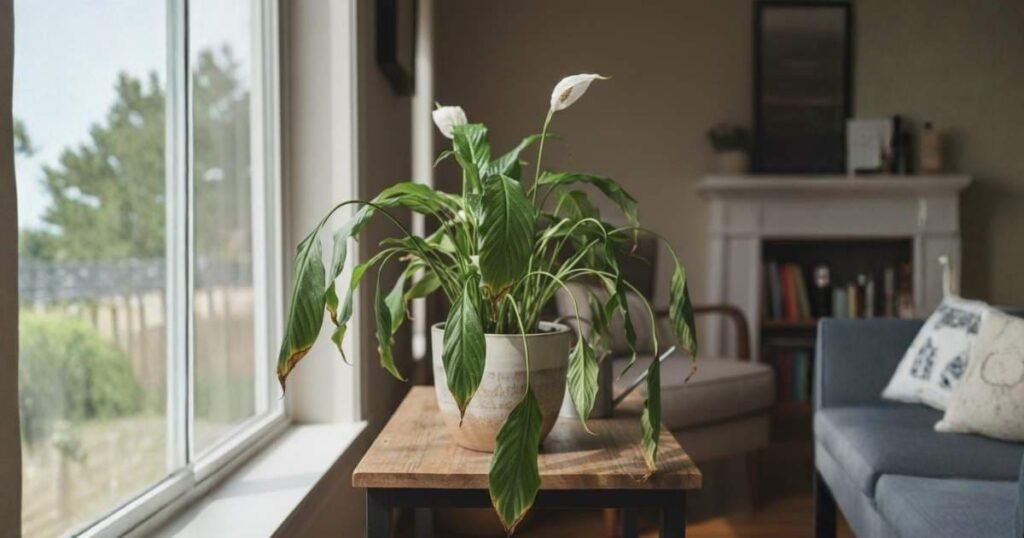
Peace lilies are often considered easy indoor plants, which is why it can be surprising when they suddenly start to droop. One day, your plant’s leaves are standing upright and looking healthy, and the next, they seem weak, bent, or completely wilted, leaving many plant owners wondering what went wrong. If you’re worried why is your peace lily plant drooping?, you’re not alone. This is one of the most common problems peace lily growers face. In many cases, a droopy peace lily is simply reacting to stress caused by watering mistakes, light imbalance, root issues, or environmental changes.
However, persistent drooping can also signal more serious problems that need immediate attention. The key is understanding what your plant is trying to tell you before permanent damage occurs. In this guide, you’ll learn the real causes behind peace lily plant drooping, how to tell the difference between temporary wilting and serious decline, and the exact steps to revive a wilted peace lily so it regains its upright, healthy appearance.
Why Is My Peace Lily Drooping?
A peace lily usually droops when its root system cannot absorb water properly. This most often happens due to dry soil, leading to thirst, or the opposite problem, waterlogged roots caused by overwatering or poor drainage. Other reasons can also cause a peace lily to droop, such as compacted or crowded roots, dry indoor air, cold drafts, or sudden temperature changes, especially in homes where indoor plants are kept in low-light conditions.
To figure out the cause, start by checking the soil with your fingers and making sure the pot drains properly. After that, think about any recent changes in the plant’s environment, including light, temperature, or location. In many cases, correcting the root or environment-related issue allows the peace lily to recover naturally, a response commonly noted in university-backed houseplant care guidance.
Key Factors That Affect Peace Lily Plant Drooping
Peace lilies come from warm, humid environments, so they droop quickly when conditions are not good. Problems usually start when light, water, soil, or temperature are off balance. When you maintain consistent conditions, along with proper peace lily care indoors. It helps to prevent stress-related drooping and supports steady, healthy growth.
Light: For peace lily, bright, indirect light works best. Harsh sun or very low light can weaken leaves.
Water: The soil should stay lightly moist, not soaking wet or completely dry. When either extreme lasts too long, peace lily leaves often begin to droop.
Soil: A loose, well-draining mix is important so excess water can escape and roots don’t remain waterlogged.
Temperature & Humidity: Peace lilies always prefer steady warmth and some humidity. Cold drafts, heater air, or very dry rooms can cause the foliage to lose firmness.
By correcting these basic conditions most of the time, enough to help a drooping peace lily recover.
Reasons Peace Lily Leaves Start Drooping
Peace lily leaves usually start drooping when the plant is under stress and something in its care routine is missing. These issues often relate to watering habits, root health, light conditions, or sudden environmental changes that affect how the plant absorbs moisture and energy.
Underwatering and a Thirsty Root Ball
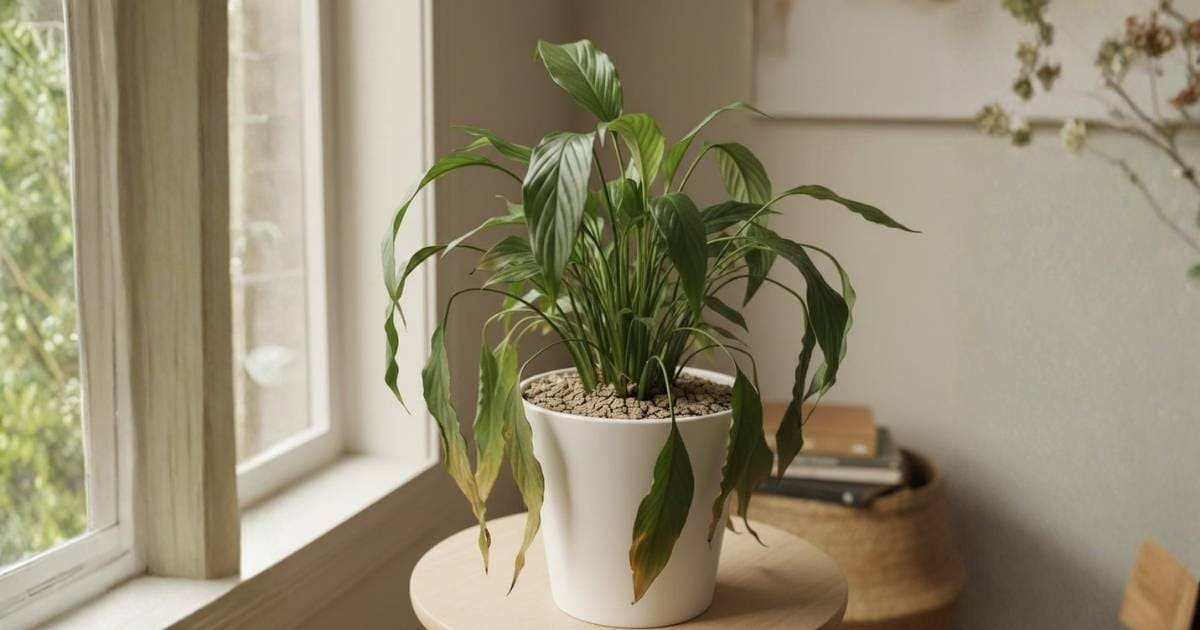
When a peace lily doesn’t receive enough moisture, the root ball begins to dry out and can no longer adequately supply water to the leaves. As a result, the foliage loses firmness and starts to droop as the plant tries to conserve what little moisture it has left.
Solution:
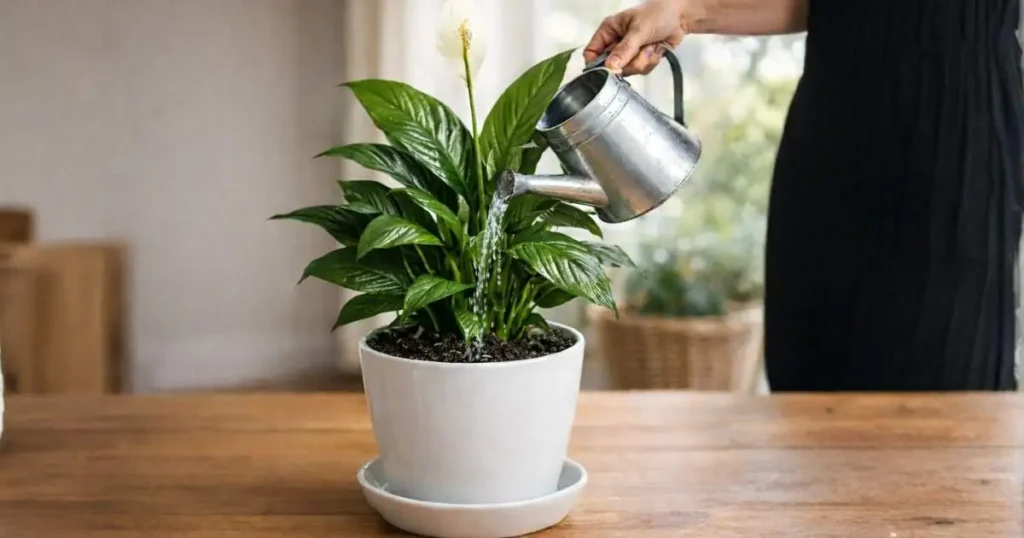
To overcome this issue you have to check the soil regularly and water once the top layer feels slightly dry. Water deeply so moisture reaches the entire root ball, and always allow excess water to drain out of the pot.
Overwatering and Waterlogged Roots
Overwatering causes peace lily leaves to droop when the soil stays wet for too long, depriving the roots of oxygen, a common watering mistake that also triggers leaves turning yellow in many indoor plants. Even though moisture is present, waterlogged roots cannot function properly, so the plant responds with limp, wilted foliage instead of healthy, upright leaves.
Solution:
For this issue you have to give the soil a little time to dry before watering again usually makes a big difference. It also helps to notice how things change around the plant; warmer rooms, brighter light, or seasonal shifts can all affect how quickly moisture builds up in the pot. Understanding how much water a peace lily needs can help you avoid repeating the same mistakes.
Root Rot Causing Sudden Wilting
Over time, constantly wet soil can quietly damage a peace lily’s roots. Once the roots weaken, they struggle to move water upward, and suddenly the leaves begin to collapse, even though the soil doesn’t look dry.
Solution:
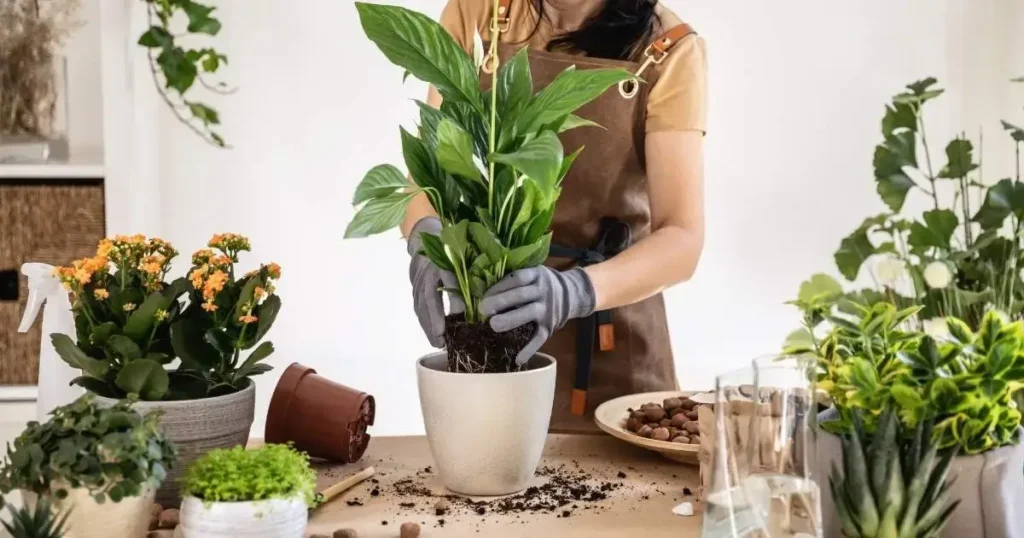
At this point, gently take the plant out of its pot and check the roots. Remove any soft or dark areas, and follow the right steps for repotting a peace lily correctly using completely fresh, well-draining soil, and water sparingly until the plant shows signs of recovery.
Drainage Problems in the Potting Mix
Even with careful watering, a dense or compact potting mix can hold water around the roots for too long. When the soil structure doesn’t allow proper drainage or airflow, the plant reacts as if it’s being overwatered, and the leaves begin to droop.
Solution:
Repot the peace lily into a lighter, well-draining mix, and always use a container with drainage holes so excess water can drain away easily.
Temperature Stress and Cold or Hot Drafts
Peace lilies can droop when they’re exposed to frequent temperature changes, unlike some hardy indoor plants that tolerate fluctuating conditions better. Cold air from windows or doors, and hot air from vents, can stress the plant and leave the leaves limp.
Solution:
Keep the plant in a spot with steady indoor temperatures and away from direct drafts. Once conditions stabilize, the leaves often regain their firmness.
Dry Air Causing Peace Lily Wilting
Peace lilies need good humidity to stay upright, as do many indoor plants that prefer humid conditions, such as pothos Plant. When indoor air moisture is too low, often because of heating or air conditioning, the leaves lose moisture quickly and begin to wilt.
Solution:
Adding humidity with a humidifier, pebble tray, or nearby plants often helps the leaves recover.
Light Stress From Too Much or Too Little Light
Light imbalance is a common reason peace lily leaves start drooping. When light is too low, the plant grows weak and floppy, but when exposed to harsh direct sun, heat stress and leaf scorch can make a peace lily droopy just as quickly, especially compared to other plants that grow well in low light.
Solution:
Place the plant in bright, indirect light, ideally near a window with filtered sunlight. Balanced lighting often helps a wilting peace lily regain strength and stay upright.
Transplant Shock or Sudden Location Change
Sometimes, peace lily leaves start drooping simply because the plant is adjusting. After repotting or moving to a new location, changes in light or humidity can trigger a temporary stress response, causing the plant to appear wilted.
Solution:
Keep the plant in one stable spot and avoid extra care changes. With a little time, a drooping peace lily usually recovers on its own.
Water Quality Problems (Hard, Softened, or Chlorinated Water)
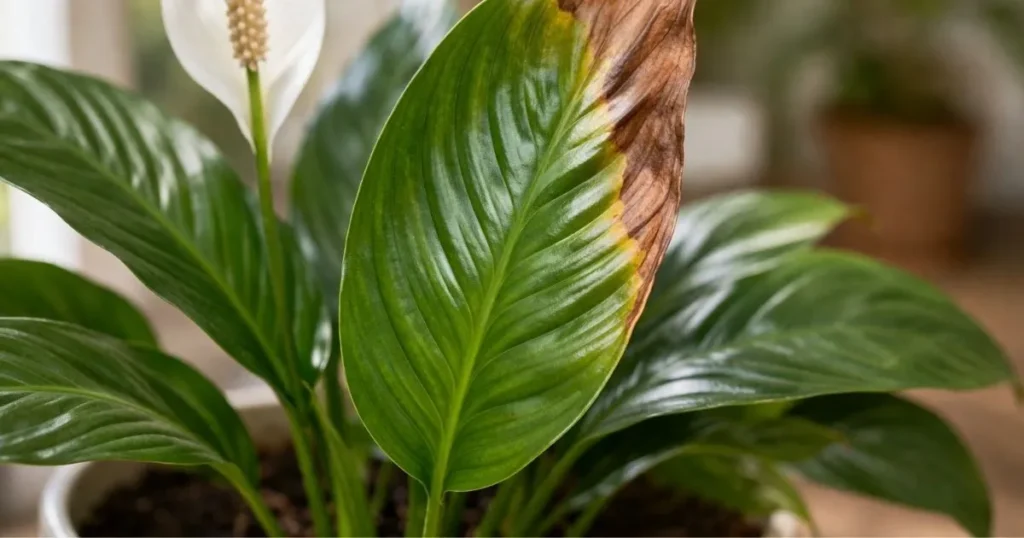
Sometimes, the issue isn’t watering frequency but water quality. Hard or softened water can leave behind excess minerals and salts, which stress the roots and cause a peace lily plant to droop and develop brown leaf tips.
Solution:
Use filtered, distilled, or rainwater whenever possible, and flush the soil occasionally to remove salt buildup. Cleaner water often helps a wilting peace lily recover faster and also prevents peace lily brown leaf tips caused by mineral buildup over time.
Fertilizer Issues or Nutrient Imbalance
Fertilizer mistakes can quietly cause peace lily leaves to droop. Too much feeding leads to salt buildup that stresses the roots, while too little fertilizer leaves the plant weak and unable to support healthy growth.
Solution:
Feed lightly during the growing season and avoid overdoing it. If signs of excess appear, flushing the soil often helps a wilting peace lily recover.
Dry Soil That Repels Water (Hydrophobic Potting Mix)
Sometimes a peace lily keeps drooping even after watering because the soil has dried out too much. When this happens, water slips down the sides of the pot instead of soaking into the roots, leaving the center dry.
Solution:
Bottom-water the plant briefly so moisture reaches the roots, then switch to a lighter, well-draining soil to stop it from happening again.
Rootbound Peace Lily in a Tight Pot
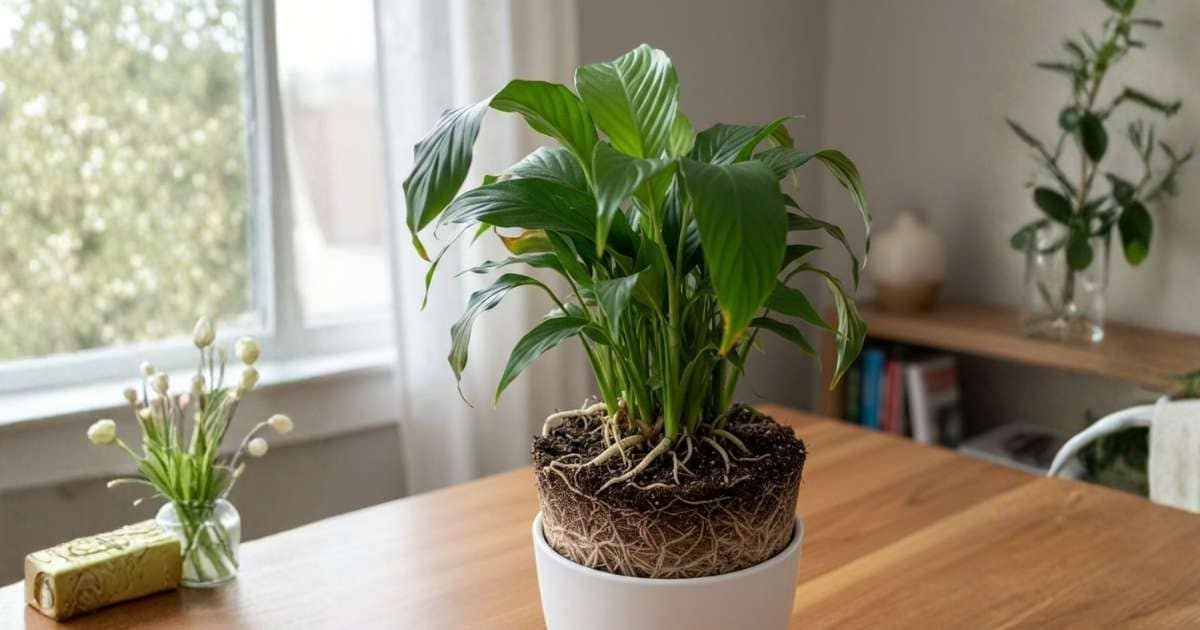
When a peace lily becomes rootbound, the roots wrap tightly inside the container, leaving very little soil to hold moisture. As a result, water drains too quickly, and the plant may start drooping soon after watering.
Solution:
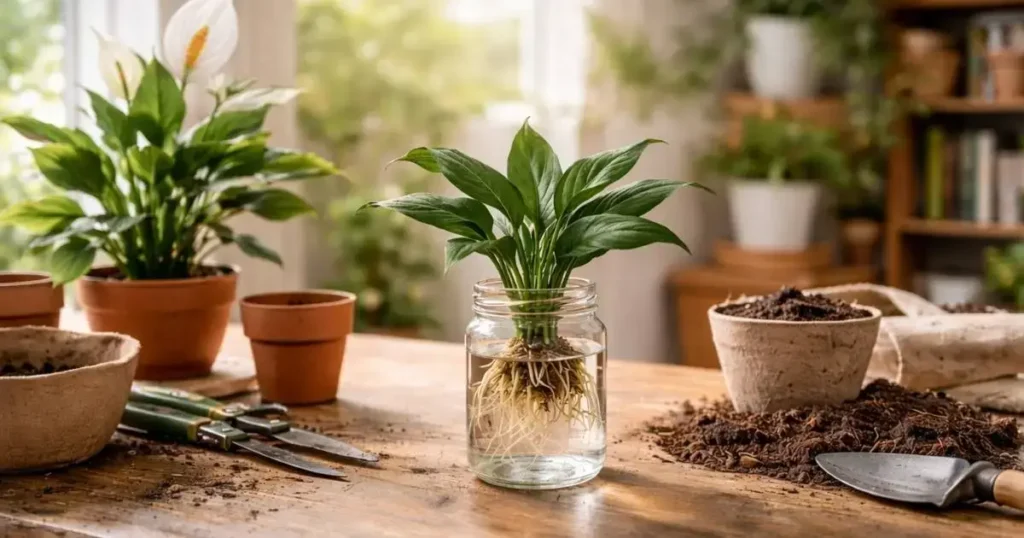
Move the plant into a slightly larger pot with fresh, airy soil so the roots have space to spread and hold moisture more evenly. If your plant is healthy and thriving after repotting, it’s also a great time to consider propagate your peace lily to grow new plants from the divided roots.
Pots Without Drainage Holes
When a peace lily is planted in a pot without a proper drainage system, excess water has nowhere to escape. As a result, moisture collects at the bottom, keeping the roots too wet and causing the leaves to droop.
Solution:
Use a pot with drainage holes. If you’re using a decorative cachepot, let the inner pot drain fully after watering before placing it back inside.
Pest Infestation or Leaf Disease
When insects or disease attack a peace lily, the plant quickly weakens, and the leaves begin to droop. Common pests like spider mites or mealybugs feed on plant sap, while hidden diseases can damage roots or foliage, slowing normal growth.
Solution:
when your plant facing such issue then firslty check the plant carefully for pests or leaf spots. Treat the plant early with neem oil or insecticidal soap to stop further stress and help the plant recover.
Natural Drooping After Flowering or Leaf Aging
Sometimes, drooping is simply part of the plant life cycle. After flowering, older blooms and leaves naturally weaken, turn yellow, and begin to droop while the rest of the plant stays healthy.
Solution:
Trim spent flowers or aging leaves at the base. This keeps the plant tidy and helps direct energy toward new growth.
How to Fix a Peace Lily Plant Drooping (Step-by-Step Recovery Plan)
If your peace lily looks wilted or limp, these steps help restore balance and bring the plant back to healthy growth. Follow them in order for the best results.
Water Correctly – Not More, Not Less
Make it your habbit to check the soil before watering. If it feels dry, water deeply and let excess drain. If it’s still moist, wait until the top layer dries slightly. Overwatering and underwatering both cause drooping, a common issue seen in plants like spider plants as well.
Inspect the Pot and Drainage Setup
It is improtant to check that the pot has drainage holes and no water is trapped in saucers or decorative containers. Poor drainage keeps roots wet and quickly leads to wilting.
Refresh or Replace Compacted Soil
Old or compacted soil restricts airflow and holds excess moisture. Switching to a light, well-draining mix helps roots breathe and absorb water properly again.
Stabilize Temperature and Environment
For stable environment place the plant away from cold drafts, heaters, and air vents. Peace lilies recover faster when temperatures stay steady, and the environment remains consistent.
Improve Light Placement
Place the plant in a spot with bright, indirect light, similar to the conditions recommended for other indoor plants like ZZ plant that prefer indirect light. Too little light weakens growth, while direct sun can stress the leaves and worsen drooping.
Increase Humidity Around the Plant
Dry indoor air can make leaves lose firmness. Adding humidity with a humidifier, pebble tray, or nearby plants often improves leaf posture.
Repot If the Plant Is Rootbound
If roots are crowded or growing out of drainage holes, repot into a slightly larger container. Fresh soil and extra space help the plant regain strength.
Use Fertilizer Carefully
Feed lightly during active growth and avoid fertilizing stressed plants. Too much fertilizer can damage roots and slow recovery rather than help.
Care Calender for Peace Lily
| Months | Care Focus |
|---|---|
| Jan – Feb | Slower growth. Water less often but don’t let soil dry completely. Protect from cold drafts. |
| Mar – Apr | Growth resumes. Refresh soil if compacted, repot if rootbound, begin light feeding. |
| May – Jun | Peak growth. Keep soil evenly moist, rotate plant for balanced light. |
| Jul – Aug | Dry air risk. Increase humidity and shield from harsh sun through windows. |
| Sep – Oct | Slowing growth. Move closer to indirect light and space out watering slightly. |
| Nov – Dec | Rest period. Stop fertilizing, water lightly, keep temperature stable. |
How to Prevent Peace Lily From Drooping Again
Preventing a peace lily from drooping is mostly about consistency. Once the plant recovers, maintaining the right balance of water, light, and environment helps keep the leaves firm and healthy in the long term.
➦Water only when the top layer of soil begins to dry, not on a fixed schedule.
➦Keep the plant in bright, indirect light and avoid sudden changes in light.
➦Use a pot with proper drainage and a well-aerated soil mix.
➦Maintain moderate humidity, especially in dry or air-conditioned rooms.
➦Avoid frequent moving, repotting, or over-fertilizing.
When these basics stay consistent, peace lilies are far less likely to droop again and continue growing upright and strong.
FAQs: Peace Lily Plant Drooping
How do you revive a droopy peace lily?
Start by checking the soil. If it’s dry, water thoroughly and let excess drain. If it’s wet, allow it to dry slightly before watering again. Then place the plant in bright, indirect light and keep conditions stable. Most peace lilies recover within a few days once the root cause is fixed.
What causes peace lilies to droop?
Peace lilies usually droop due to overwatering, poor drainage, low humidity, sudden temperature changes, or improper lighting. In some cases, repotting shock, compacted soil, or mineral buildup from tap water can also be responsible.
Why does my peace lily keep flopping over?
Repeated flopping often means the care routine isn’t consistent. Irregular watering, weak light, crowded roots, or dry indoor air can cause the plant to fall over. Correcting these issues helps the leaves regain firmness.
Should I mist my peace lily?
Occasional misting is fine, but it doesn’t provide long-term humidity. Misting only increases moisture around the plant for a short time, so it won’t fully prevent drooping caused by dry indoor air. For better results, use a humidifier or a pebble tray to maintain consistent humidity. Avoid misting in cool or low-light areas to prevent leaf spots.
Explore more:

Muddsir Munir
Houseplant enthusiast researching and writing about indoor plants, helping beginners grow spider plants, snake plants, and more with confidence.