Last updated on October 11, 2026
Have you ever noticed how snake plant varieties seem to appear everywhere, from cozy apartments to modern offices? It’s not just luck. They really do brighten up a room with their tall, upright leaves and striking patterns. This guide covers popular and rare snake plant varieties, including different types of sansevieria with names and key features. Ultimately, it will help you pick the perfect one for your space.
Snake plants are loved for how easily they thrive with minimal care, even in the hands of complete beginners. Formerly classified under Sansevieria and now part of the Dracaena family, these plants include over 70 snake plant varieties, ranging from compact, space-saving types to tall, striking forms that make bold indoor statements.
If you’re new to growing this plant, you can also check my complete Snake Plant Care Guide for watering, light, soil, and growth tips.
Types of Snake Plant Varieties
The snake plant family comes in many unique varieties. They are from tall architectural styles to compact desk plants. Additionally, available both online and at local garden centers, there’s a type to suit any space or décor. Here’s a clear breakdown of the types of snake plants, grouped for easy understanding:
- Tall Varieties (Classic Architectural Types)
- Compact / Dwarf Varieties (Bird’s Nest Varieties)
- Cylindrical & Fan-Shaped Types (Unique Sculptural Forms)
- Wide & Paddle-Shaped Types (Bold Statement Plants)
Popular Snake Plant Varieties
Overall, there are Different snake plant varieties. Each showcases its own unique charm and decorative appeal. Some of the most famous snake plant varieties include:
- Dracaena Trifasciata (Sansevieria Trifasciata)
- Dracaena Masoniana (Sansevieria Masoniana)
- Dracaena Pethera (Sansevieria Kirkii)
- Dracaena Patens (Sansevieria Patens)
- Dracaena Ballyi (Sansevieria Ballyi)
- Dracaena hanningtonii (Sansevieria Ehrenbergii)
- Dracaena Parva (Sansevieria Parva)
- Dracaena Zeylanica (Sansevieria Zeylanica)
- Dracaena Angolensis (Sansevieria Cylindrica)
- Dracaena Eilensis (Sansevieria Eilensis)
- Dracaena Canaliculata (Sansevieria Canaliculata)
- Dracaena Singularis (Sansevieria Fischeri)
Dracaena Trifasciata (Sansevieria Trifasciata)
The Sansevieria trifasciata comes from West Africa and is one of the best-known snake plants. People often call it “mother-in-law’s tongue” for its tall, pointed leaves. In addition, it comes in many beautiful varieties, each offering a unique look.
- Sansevieria Laurentii
- Golden Hahnii (Bird’s Nest snake plant)
- Twisted Sister
- Black Gold
- Black Robusta
- Futura Superba
- Black Dragon
- Black Jack
- Sansevieria Moonshine (Bantel’s Sensation)
- Sansevieria Whitney
Dracaena trifasciata ‘Laurentii’
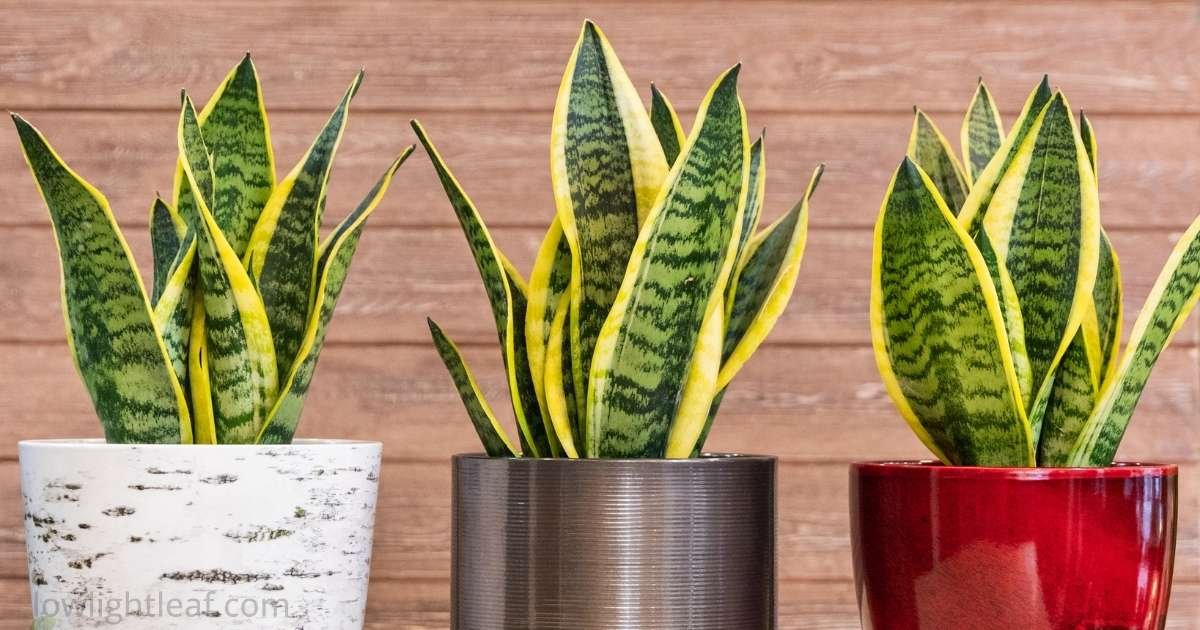
For a closer look at its identification, variegation, growth, and cultivar-specific care, explore our Sansevieria Laurentii care guide. If you’ve ever spotted a snake plant in someone’s home. There is a chance that it is the Dracaena trifasciata ‘Laurentii. It is also known as the variegated snake plant or striped mother-in-law’s tongue. It is a hardy favorite with bold, sword-shaped leaves said to bring positive energy.
Class: Sansevieria trifasciata ‘Laurentii’
Growth Height: This variety grows to be about 4 feet in height.
Foliage color: It displays dark green leaves with soft green markings and a hint of yellow along the edges.
Leaf shape: Upright, sword-like leaves
Advantage: Ever wonder why designers love this plant? Its bold shape and rich color bring instant height and energy to indoor spaces.
Dracaena trifasciata ‘Hahnii’
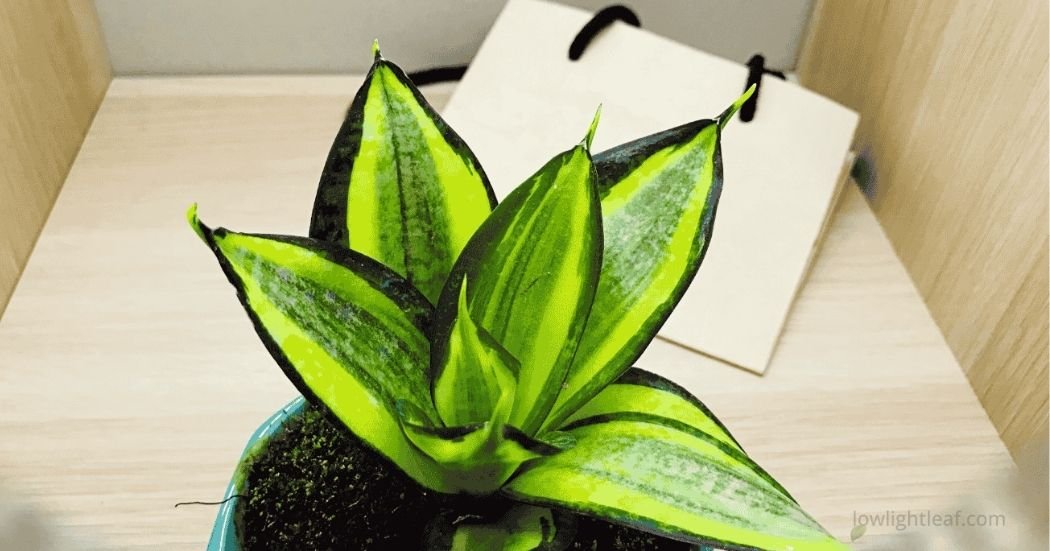
If you’ve ever come across the bird’s nest snake plant. You’ve likely seen the charming Dracaena trifasciata ‘Hahnii’. In fact, this compact cultivar grows quickly. The name comes from its shape, as its short leaves bunch together to form a small, nest-like rosette.
Class: Sansevieria trifasciata ‘Hahnii’
Growth Height: Reaches up to 1.5 feet tall
Foliage color: Dark green leaves accented with creamy-white horizontal bands
Leaf shape: Flat, lance-like leaves forming a compact rosette
Advantage: Don’t have much room for plants? Nevertheless, this tiny, nest-shaped variety proves that small spaces can look lush and stylish.
Dracaena trifasciata ‘Twisted Sister’
Looking for something different? Well, the ‘Twisted Sister’ snake plant shows off playful, twisting leaves that instantly catch the eye. Moreover, its hardy nature and low-maintenance care make it perfect for both beginners and seasoned plant lovers.
Class: Sansevieria trifasciata ‘Twisted Sister’
Growth Height: Grows up to 12–18 inches tall
Foliage color: Dark green with subtle lighter green variegation
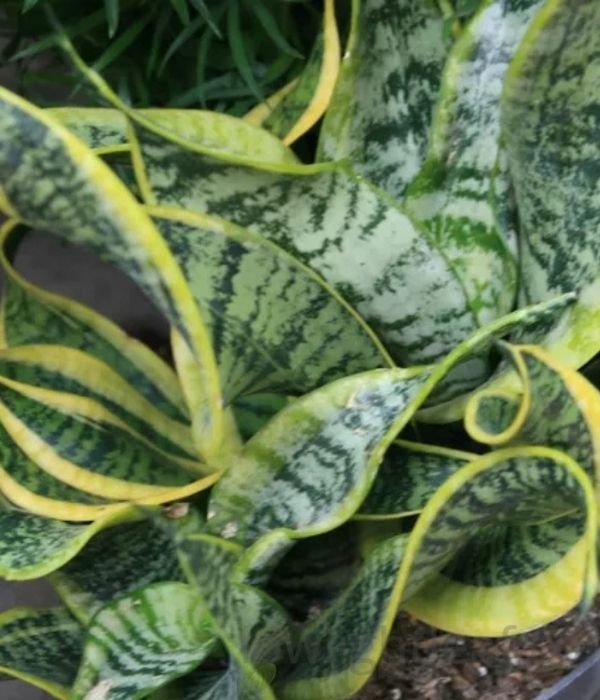
Leaf shape: Twisted, spiraling, sword-like leaves.
Advantage: Ever seen a plant with a twist? Indeed, this one’s curling leaves make any corner feel creative and full of personality.
Dracaena trifasciata ‘Black Coral Snake Plant’
Looking for a plant that makes a statement? Well, the Black Coral Snake Plant features rich, dark leaves with silver-grey streaks that immediately catch the eye. Furthermore, its dramatic tones and sleek form bring instant sophistication to any room or workspace.
Other Name: Sansevieria trifasciata ‘Black Coral’
Growth Height: 2–3 feet tall
Leaf Shape: Tall, sword-like, and upright
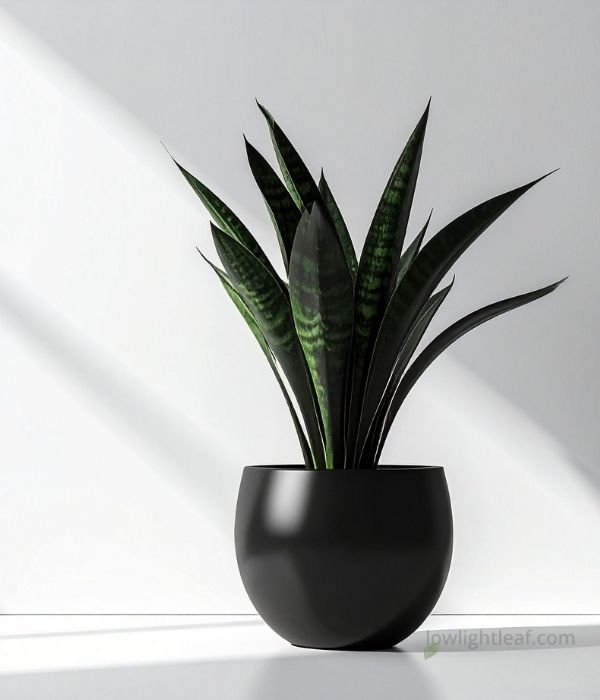
Leaf Color: The leaves are a dark, almost black green, decorated with subtle, silvery-gray streaks that run horizontally.
Advantage: Indeed, this striking plant not only elevates the décor but also enhances any room with its bold, structured look, making it perfect for modern design.
Dracaena trifasciata ‘Black Gold’
The ‘Black Gold’ Snake Plant shines with deep green leaves and golden-yellow edges. Moreover, it loves bright, indirect light, which helps keep its color strong and healthy. Therefore, because it’s beautiful and easy to grow, it’s perfect for homes, offices, or small spaces.
Class: Sansevieria ‘Black Gold’
Growth Height: Grows up to 2–3 feet tall
Foliage color: Dark green leaves with bright gold edges
Leaf shape: Upright, sword-like leaves
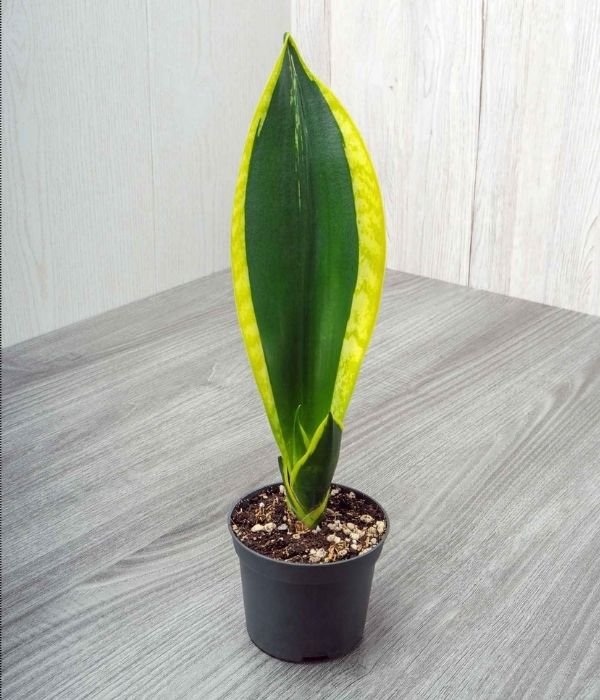
Advantage: As a result, its gold-edged leaves deliver a bold contrast, turning any corner, office, or living room into a statement space.
Dracaena trifasciata ‘Black Robusta’
Dracaena trifasciata ‘Black Robusta’ is admired for its broad, deep-green leaves. They are marked with subtle silver-grey patterns. Furthermore, in my experience, it thrives in low to moderate light. Consequently, it is a reliable choice for adding bold greenery to modern interiors with minimal care.
Class: Sansevieria ‘Black Robusta’
Growth Height: Grows 16–24 inches indoors, with potential to reach 3 feet in ideal conditions.
Foliage color: Deep green leaves highlighted with subtle silver-gray banding
Leaf shape: Broad, upright, sword-like leaves with a slight spreading form
Advantage: Thus, its dark green, silver-patterned leaves do it all. They handle low light, purify the air, and still look stunning.
Dracaena trifasciata ‘Futura Superba’
Looking for a plant that stays neat but still makes a statement? Indeed, from my experience, the ‘Futura Superba’ Snake Plant is one of the best picks for small spaces. Specifically, it grows three to five broad leaves that form a compact, clean, upright rosette. Moreover, it is a great choice for smaller spaces where you still want bold, structured foliage.
Class: Sansevieria trifasciata ‘Futura Superba’
Growth Height: Usually reaches around 15 inches tall
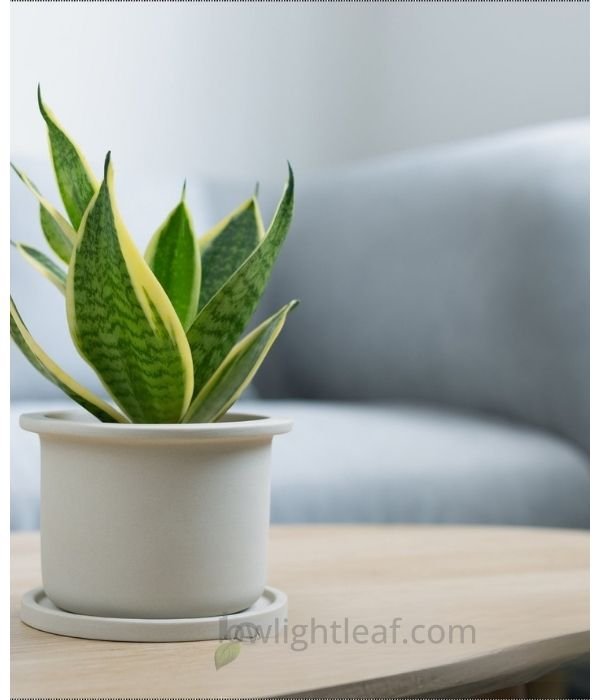
Foliage color: Rich grey-green leaves accented with bold yellow edges
Leaf shape: Upright at first, gradually arching back as the plant matures
Advantage: Therefore, being compact and colorful. It fits perfectly on shelves or tabletops without crowding the space.
Dracaena trifasciata ‘Black Jack’
Dracaena trifasciata ‘Black Jack’ is one of the more striking recent cultivars. It is famous for its compact form and vigorous growth. Typically, it produces seven to ten upright leaves. In fact, in a tight rosette, it gives a bold presence without taking up much space. Furthermore, as a larger Black Gold Superba, it offers the same dramatic appeal in a more manageable size.
Class: Sansevieria trifasciata ‘Black Jack’
Growth Height: Reaches about 15 inches tall
Foliage color: Deep green leaves edged with vibrant yellow-green lines
Leaf shape: Broad leaves forming an inverted triangular outline
Precaution: The ‘Black Jack’ Snake Plant prefers well-draining soil and minimal watering. Additionally, keep it away from strong, direct sunlight to protect its dark foliage, and keep it out of reach of pets and children, as it is mildly toxic.
Sansevieria Moonshine (Bantel’s Sensation)
From my experience, the Moonshine Snake Plant is a real showstopper. Its silver-green leaves have a soft sheen that almost glows indoors. As the leaves grow, they gradually darken beautifully. Moreover, it thrives in bright, indirect light and instantly adds a refined touch to any room.
Class: Sansevieria trifasciata ‘Moonshine’
Growth Height: Grows up to about 2 feet tall
Foliage color: Silvery-green leaves with soft, lighter markings and slim, darker green edges
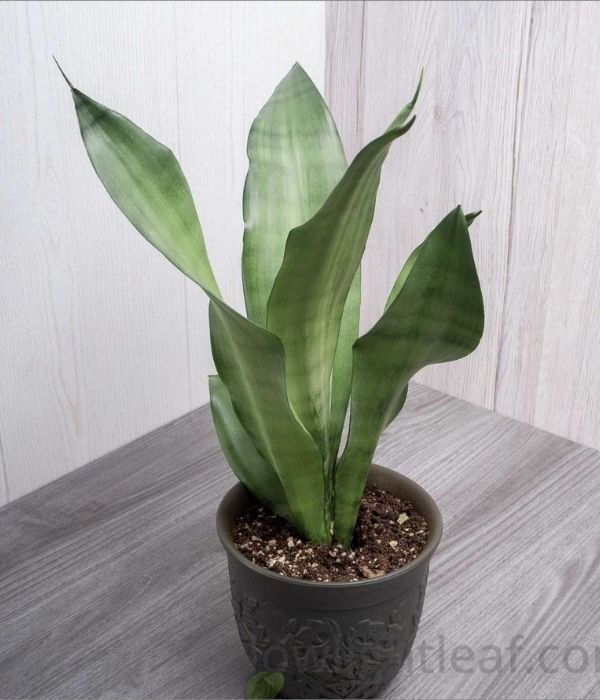
Leaf shape: Upright leaves forming a sleek, inverted triangular outline
Uniqueness: Ever seen a plant that seems to glow on its own? In fact the Moonshine (Bantel’s Sensation) does just that; its silvery leaves reflect light, brightening even the dimmest corners.
Dracaena trifasciata ‘Whitney’
Dracaena trifasciata ‘Whitney’ is a compact yet eye-catching snake plant variety. Moreover, it is famous for its elegant rosette growth pattern. Each plant usually carries four to five sturdy leaves. Additionally, from my experience, this variety’s wide yellow margins and deep green center make it one of the most eye-catching snake plants you can grow.
Class: Sansevieria trifasciata ‘Whitney’
Growth Height: Reaches up to 16 inches tall
Leaf Color: Deep green centers accented with light and dark variegation along the edges
Leaf Shape: Upright foliage with a narrow, inverted triangular form.
Low-Maintenance Choice: Like most snake plants, it’s easy to grow and needs very little attention. Furthermore, it tolerates low light and requires little water, making it perfect for beginners.
Dracaena masoniana’ (Whale Fin)
As an expert, the Whale Fin is one of the most striking snake plant variety you can own. With its unique form, its single, paddle-shaped leaf stands tall like a living sculpture. Plus, it thrives in anything from low to bright, indirect light.
Class: Sansevieria masoniana
Growth Height: Each leaf can grow up to 10 inches wide and reach 3–4 feet tall
Leaf Color: Bright green leaves with soft speckles and reddish-purple edges.
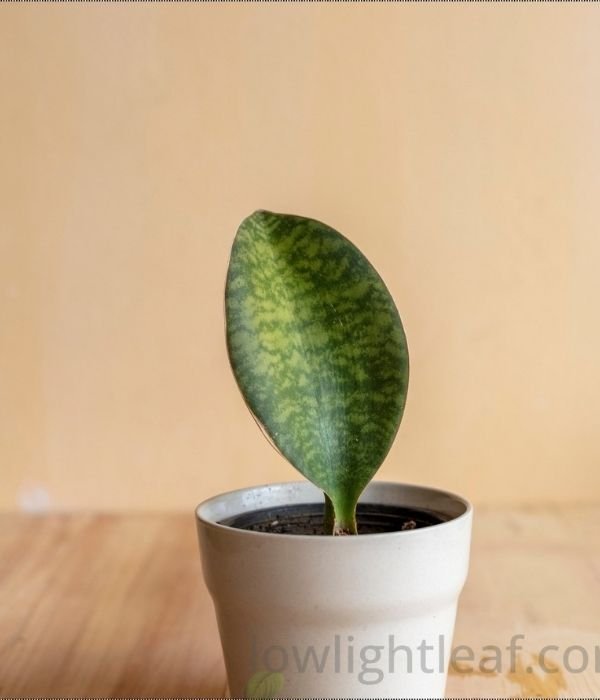
Leaf Shape: Broad, thick, and upright foliage with a bold, architectural form
Why Choose? The Whale Fin snake plant is a rare, easy-care variety. It adds a sculptural, contemporary touch to home décor. A variegated snake plant featuring yellow or creamy streaks along its broad leaves, making it a must-have for collectors.
Dracaena Pethera (Sansevieria Kirkii)
First, Star Sansevieria (Dracaena pethera) is a slow-growing snake plant with thick, sturdy leaves. Moreover, as it matures, the leaves bend slightly, giving the plant a graceful, arching shape. Consequently, this natural curve adds a unique and decorative touch to your space.
Other Classifications: Commonly called Star Sansevieria or Kirkii
Growth Height: Reaches up to 2–3 feet in height when mature
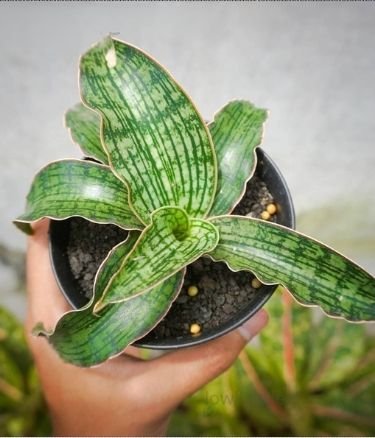
Leaf Color: Deep green leaves with mottled patterns of gray-green and occasional copper or brown edging.
Leaf Shape: Thick, leathery, and elongated leaves that gradually bend and sprawl outward with age
Advantage: One significant advantage of Dracaena pethera (Sansevieria kirkii) is its impressive durability. Furthermore, from my experience, its thick, moisture-storing leaves help it stay healthy even if you forget to water it for a while, therefore making it a stress-free choice for busy plant owners.
Dracaena Patens (Sansevieria Patens)
If you want a snake plant with a more relaxed and natural growth style, Dracaena patens is a great choice. In contrast to many upright varieties, this plant breaks the rules; moreover, its leaves spread wide instead of up, creating a dramatic, modern look.
Class: Sansevieria Patens
Growth Height: Reaches up to 2–3 feet tall
Leaf Color: Deep green with subtle lighter streaks
Leaf Shape: Thick, stiff leaves that fan out in multiple directions
Advantage: One clear advantage of Dracaena patens (Sansevieria patens) is its remarkable ability to thrive under various indoor conditions. Moreover, even if light is limited, its thick, arching leaves stay vibrant. Therefore keeping your space looking fresh and lively throughout the year.
Dracaena Ballyi (Sansevieria Ballyi)
Sansevieria ballyi is a slow-growing, compact snake plant with short, pointed leaves. Consequently, because of its size, it is perfect for desks, shelves, or any spot with limited space.
Other Names: Sansevieria ballyi
Growth Height: Up to 6–8 inches tall
Leaf Color: Dark green with subtle banding
Leaf Shape: Narrow, pointed, upright leaves forming compact clusters
Advantage: Think of it as art; you don’t have to water often. Its sleek, cylindrical leaves with subtle banding turn heads in any décor.
Dracaena hanningtonii’ (Sansevieria Ehrenbergii)
The Dracaena hanningtonii’ is a bold snake plant with thick leaves that fan out with grace. Furthermore, its blue-green leaves and upright shape give it a sculptural look that plant lovers can’t resist. Moreover, It also brings both texture and shape, making your indoor plant collection feel more balanced.
Class: Sword Sansevieria, Blue Sansevieria
Growth Height: Up to 3–4 feet tall
Leaf Color: Bluish-green with subtle fibrous texture
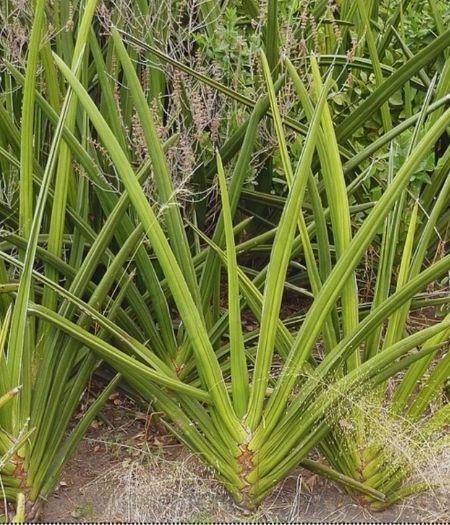
Leaf Shape: Thick, pointed, upright leaves that fan out
Pros
- It has a Striking architectural form that adds elegance to any space
- It is Low-maintenance and drought-tolerant
Pros
Cons
It is a Slow-growing plant; it takes years to reach full size
Dracaena Parva (Sansevieria Parva)
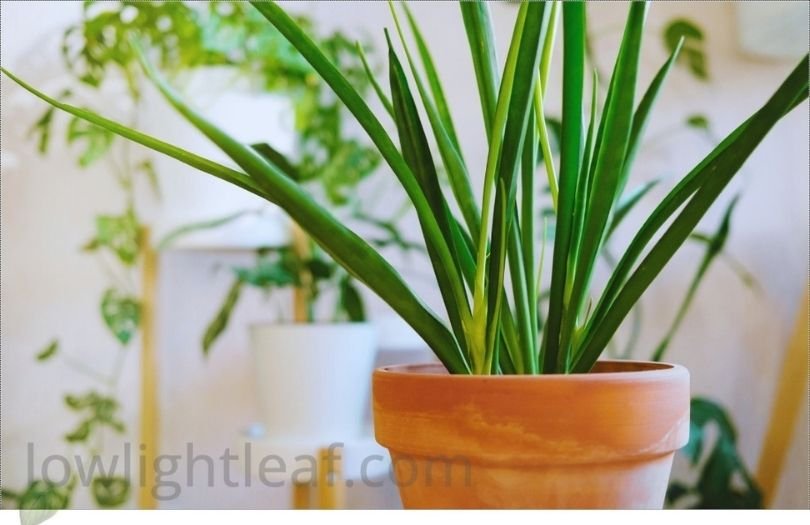
Dracaena parva, also known as Kenya Hyacinth, is a slender snake plant variety with narrow, arching leaves and soft green banding. Its elegant, lightweight form makes it ideal for small indoor spaces, while its occasional fragrant blooms enhance its appeal to collectors.
Class: Kenya Hyacinth, Sansevieria parva
Growth Height: Up to 1–2 feet tall
Leaf Color: It has a Pale green color with horizontal bands; variegated types have yellow-white stripes
Leaf Shape: Narrow, upright, and slightly arching leaves
Pros
- Its Rare and fragrant blooms make it highly collectible
- Its Compact size is ideal for small spaces
Cons
- Flowering indoors is uncommon and requires ideal conditions
- It is a Slow-growing plant, taking time to reach full size
Dracaena Zeylanica; A Popular Snake Plant Variety
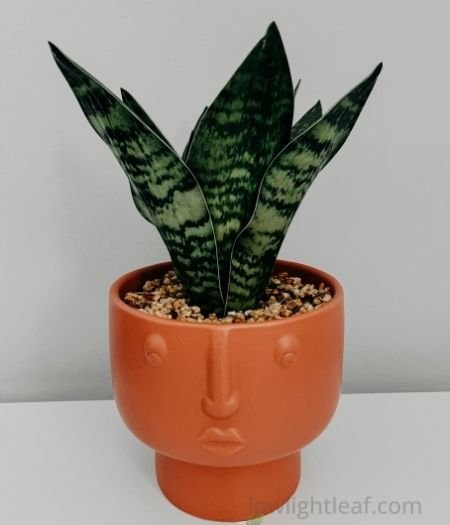
Looking for a snake plant that’s both tough and stylish? In fact, the Dracaena zeylanica (Ceylon Bowstring Hemp) has upright, striped leaves, making it perfect for single pots or grouped displays.
Other Names: Ceylon Bowstring Hemp, Sansevieria zeylanica
Growth Height: 2–3 feet tall
Leaf Color: Olive-green with horizontal dark and light green stripes
Leaf Shape: Upright, narrow, slightly wavy leaves
Pros
- Hardy and low-maintenance
- Versatile for single plants or clustered displays
Cons
- It has Slower growth compared to some other snake plants
- It lacks the bright yellow margins found in related varieties
Dracaena Angolensis (Sansevieria Cylindrica)
Looking for a striking snake plant? In that case, the Dracaena angolensis (African Spear Plant) has long, patterned leaves that stand out. It is slow-growing and extremely hardy, working well as a single plant or in braided arrangements. Additionally, smaller types like Sansevieria cylindrica var. Patula Boncel are perfect for indoor displays.
Other Names: African Spear Plant, Sansevieria cylindrica
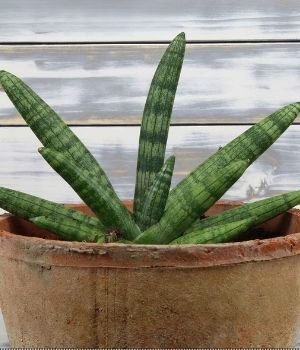
Growth Height: Up to 3–5 feet tall; dwarf varieties are smaller
Leaf Color: Dark green with lighter green horizontal bands
Leaf Shape: It has cylindrical, upright or gently arching leaves; some braided cultivars
Pros
- Unique, sculptural foliage adds visual interest
- Hardy and low-maintenance
Cons
- Slow-growing
- Upright leaves may need support in braided varieties
Dracaena Eilensis (Sansevieria Eilensis)
Looking for a plant with a unique shape? Then this snake plant’s inward-curving leaves form a cylinder, tapering to sharp points with subtle green stripes, a striking decorative touch.
Other Names: Sansevieria Eilensis, Dracaena cylindrical, Cylindrical Snake Plant
Growth Height: Up to 2–3 feet tall
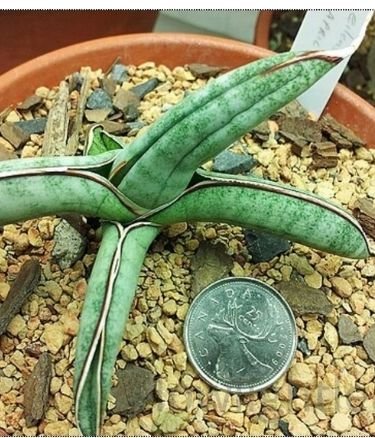
Leaf Color: Various shades of green with subtle banded variegation
Leaf Shape: It has a cylindrical banana shape, inward-curving leaves with pointed tips
Pros
- Its unique, sculptural foliage adds visual interest
- Hardy and low-maintenance
If you love hardy, easy-care plants, you may also enjoy my ZZ Plant Care Guide for tips on growing this resilient indoor favorite.
Cons
- It is a Slow-growing Plant
Dracaena Canaliculata (Sansevieria Canaliculata)
Dracaena canaliculata is a rare snake plant with individual, grooved, cylindrical leaves. Because of this, it’s compact, low-maintenance, and perfect for collectors. Variegated and dwarf types add even more charm.
Other Names: Cylindrical Snake Plant, Sansevieria canaliculata
Growth Height: Grows up to 2–3 feet tall
Leaf Color: Deep green with subtle grooves
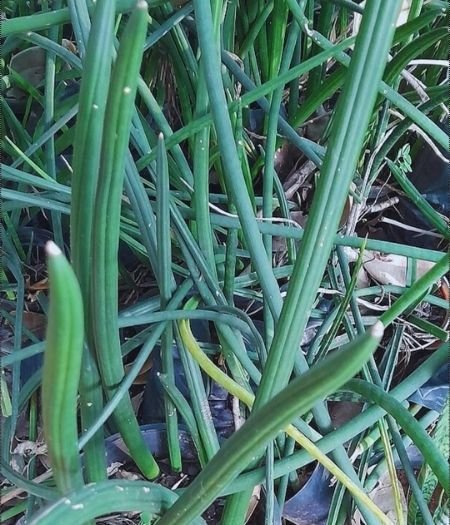
Leaf Shape: A stemless succulent with smooth, upright leaves and delicate white blooms
Pros: Rare and collectible houseplant
Cons: Slow-growing; limited availability, may be hard to find
Dracaena Singularis (Sansevieria Fischeri)
Looking for something rare and eye-catching? If yes, the Dracaena singularis has unique, taco-shaped leaves with green stripes and soft copper edges, an actual living piece of art.
Other Names: Taco Snake Plant, Sansevieria fischeri
Growth Height: Typically 10–14 inches tall
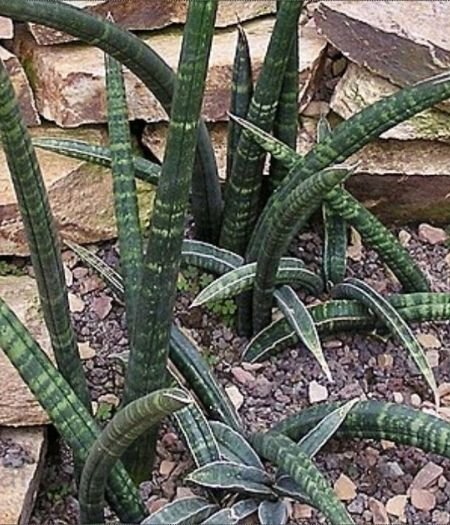
Leaf Color: It has dark and light green stripes with subtle copper-toned edges
Leaf Shape: It has Cylindrical, slightly curved “taco shell” leaves
Pros
- Compact and ideal for small spaces
- Adds a sculptural, modern look to any room
- Low-maintenance and drought-tolerant
Cons
- It grows slowly, reaching full size over time
- It is very Rare and may be harder to source
Since many snake plant varieties thrive even in low light, you may also find my Low Light Indoor Plants Guide helpful for choosing plants that perform well in dim spaces.
Rare Snake Plant Varieties (Collector Favorites)
These rare snake plant varieties are less common and often sought after by collectors for their unique leaf shapes and patterns. Here are ten more snake plant varieties you might want to explore:
- Dracaena gracilis (Sansevieria gracilis): Interestingly, it has slender, succulent leaves with subtle green stripes, reminiscent of D. kirkii. Moreover, it is perfect for small spaces or tabletops due to its compact size.
- Dracaena cleopatra (Sansevieria cleopatra): This variety features leaves with vertical dark and light green stripes and gently wavy edges. Moreover, its striking variegation adds instant visual interest to any corner.
- Dracaena roxburghiana (Sansevieria roxburghiana): Notably, its blade-shaped foliage shows striped variegation, similar to trifasciata. It offers bold, architectural foliage that enhances modern interiors.
- Dracaena pearsonii (Sansevieria pearsonii): It grows upright, cylindrical leaves that form neat colonies. Moreover, it is ideal for creating a tidy, organized look in your plant collection.
- Dracaena bacularis (Sansevieria bacularis): Likewise, this variety features cylindrical, pointed leaves similar to those of the cylindrica type. Moreover, Its distinctive form brings a sculptural and artistic touch to any indoor space
- Dracaena burmanica (Sansevieria burmanica): Additionally, its bright green, narrow leaves form a dense, attractive cluster. Moreover, It is perfect for filling small spaces with lush greenery.
- Dracaena francisii (Sansevieria francisii): Another unique variety, it produces short, cylindrical, pointed leaves growing from a central rosette. Moreover, it is Low-maintenance and great for desks or shelves.
With so many stunning snake plant varieties to choose from, there’s something for every space. Discover more plant guides, tips, and inspiration on our home page
How to Choose the Right Snake Plant Varieties
If you know your space, style and care preferences, then it’s very easy to choose the perfect plant for your home. To start, imagine where the plant will be placed and the visual impact you want it to create.
For compact areas or tabletops
It is best for smaller varieties like Bird’s Nest (Hahnii) or Whitney, as they stay neat and low-growing, fitting beautifully in tight corners.
Benefit: Ideal for desks and shelves without overcrowding the space.
For Bold Upright Display
If you prefer a bold, upright display, choose taller cultivars such as Laurentii, Black Coral, or Zeylanica.
Benefit: These make striking statement pieces and enhance vertical styling.
For Artistic Appeal
For something sculptural and eye-catching, explore cylindrical forms like Dracaena angolensis.
Benefit: Their architectural shape adds modern, artistic appeal to any interior.
Additionally, remember to consider your lighting conditions and maintenance habits, as most of the snake plants tolerate low light and minimal watering. On the contrary, some varieties may show richer color or faster growth in brighter spots.
In short, compatibility of the plant’s size, shape, and visual presence with your home’s vibe ensures you pick the perfect variety every time. If you want to explore or purchase rare snake plant varieties, trusted online nurseries can be extremely helpful. For instance, The Sill offers a curated range of healthy indoor plants.
Care Tips for All Snake Plant Varieties

When growing snake plants healthily, some universal care principles follow, regardless of variety. However, some specific types may have a bit different needs, so we’ll cover those too.
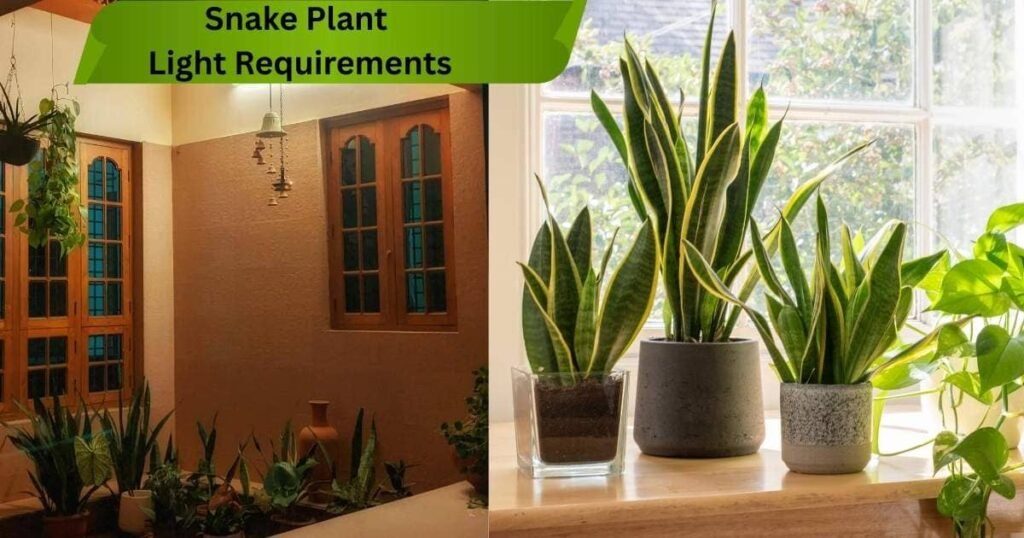
Light Requirements: Snake plants grow best in bright, indirect light, but most varieties can tolerate lower light.
Note: Varieties like Hahnii (Bird’s Nest) grow more compact in lower light, while Laurentii and Zeylanica develop their signature tall upright form only in brighter spots.
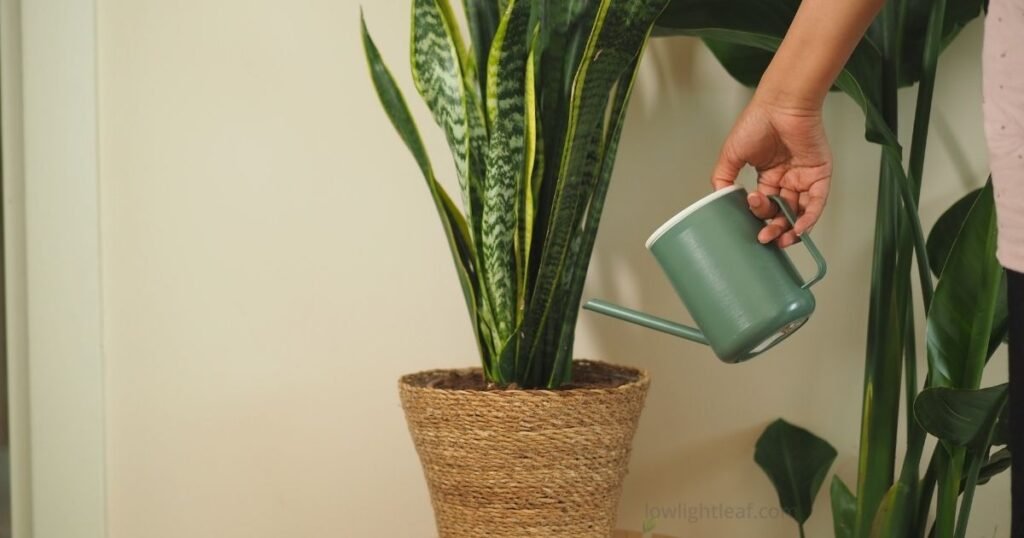
Watering: Water only when you feel the soil is completely dry. If you’re unsure about timing or seasonal needs, follow our snake plant watering guide for a clearer watering routine. For deeper scientific guidance on watering habits, you can also check the detailed care notes from the University of Florida Extension.
Tip: Cylindrical varieties like Dracaena Angolensis are especially sensitive to overwatering, so they prefer underwatering rather than overwatering.
Soil: Always plant in a well-draining succulent or cactus mix. Poor drainage is the most common cause of yellowing leaves, particularly in varieties with thicker leaves, such as Black Coral.
Temperature: Keep your snake plants in temperatures between 65–85°F, and avoid cold drafts.
Warning: Varieties with thinner leaves, such as Hahnii, may show stress if exposed to temperatures below 60°F.
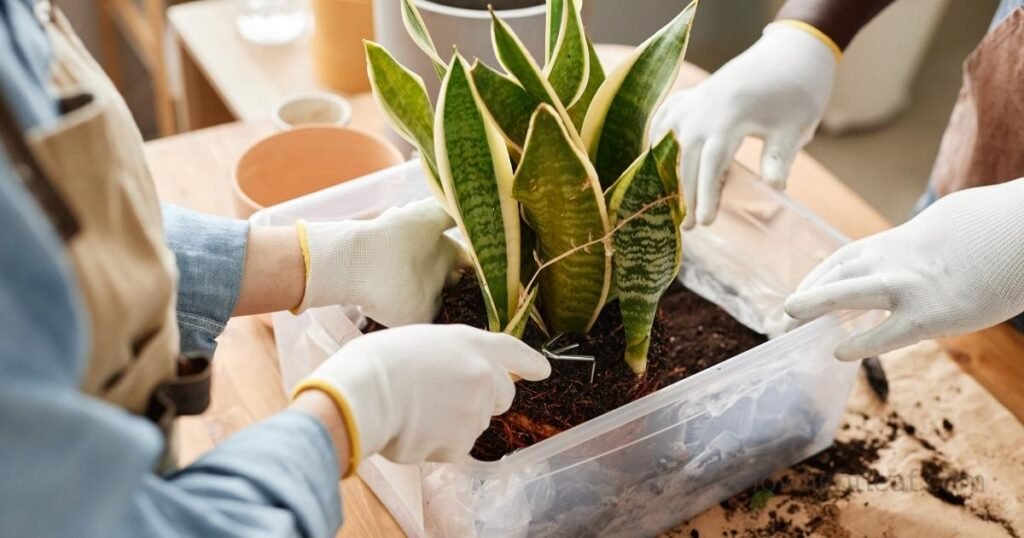
Pot Choice: Use sturdy, heavy pots, such as terracotta or ceramic, to prevent toppling. As snake plants grow, timely repotting snake plant practices help avoid root binding and keep the plant healthy.
Fertilization: Always fertilize lightly with a balanced, diluted fertilizer during spring and summer.
Caution: Overfertilizing can burn the roots, especially for compact varieties like Whitney or Hahnii.
Extra Care Tips for Unique Snake Plant Varieties
- Cylindrical forms need more space between leaves for airflow.
- Compact tabletop varieties prefer slightly less frequent watering.
- If your snake plant is not flowering, check light levels and avoid overwatering, as most varieties flower only under optimal light and minimal stress.
If you enjoy low-maintenance, air-purifying plants like snake plants, you might also find my Peace Lily Care Guide helpful for keeping your indoor spaces lush and vibrant.
FAQs About Snake Plant Varieties
What Are the Disadvantages of Snake Plants?
While snake plants are hardy and low-maintenance, they do come with a few drawbacks. They are toxic to pets if ingested. Overwatering can cause their roots to rot. They grow quite slowly compared to other houseplants. Snake plants are also sensitive to cold drafts and rarely flower indoors.
What Does My Snake Plant Need?
A snake plant needs bright, indirect light, but can adapt to low light conditions. Use a well-draining potting mix. Water only when the soil is completely dry, and keep it in temperatures between 65–85°F (18–29°C). Occasional feeding during spring and summer helps it grow healthy.
Is It Okay to Mix Many Snake Plant Varieties Together?
Mixing different snake plant varieties? Use a pot that’s a bit bigger, about 25–30% more space than their total roots. It helps them grow freely and stay healthy without crowding.
How Often Should I Water My Snake Plant?
Water your snake plant every 2–6 weeks, depending on the season and indoor conditions. Always let the soil dry out completely between watering. Overwatering can cause root rot.
What Is the Best Variety of Snake Plants?
The best snake plant depends on your space and style. Laurentii has tall yellow-edged leaves, Moonshine shows silvery foliage, Bird’s Nest suits small spaces, and Zeylanica is hardy and low-maintenance.
How Many Snake Plant Varieties Are There?
There are over 70 known snake plant species, along with many cultivars and hybrids. Some varieties, such as Sansevieria masoniana and Sansevieria kirkii, are rare and mainly grown by collectors, while others are common and widely available.

Ellie Marsh
Houseplant grower who spent years in a north-facing apartment. Writes practical care guides for low light homes, checked against extension and botanical garden sources.