Last updated on October 11, 2026
Is your snake plant not growing, and no one seems to have the answers? It can be frustrating when your favourite snake plant, whether newly bought or recently planted, shows little to no growth or grows very slowly.In most cases, this problem isn’t serious and is usually caused by a few commonly overlooked factors. In this guide, you will learn the most common reasons snake plants stop growing and share practical, proven solutions to help restore healthy growth.
Why Is My Snake Plant Not Growing?
Snake plants are known as the hardest houseplants, which is why it can be difficult to believe that their growth issues are caused by disease. However, it can happen when the plant is wholly neglected. Therefore, before diagnosing any potential problem, it is essential to understand how snake plants naturally grow and develop under normal conditions, something that becomes clearer with a basic understanding of snake plant care.
How Snake Plant Grows in Normal Conditions
Snake Plant naturally grows from underground rhizomes; new leaves grow upright from these rhizomes rather than from a seed. Snake plants are adapted to dry, hot weather, so low light and overwatering can cause slow growth and root rot, a response commonly seen in indoor plants grown with insufficient light, as explained by the University of Minnesota Extension.
Moreover, even under ideal natural conditions, snake plants are not fast growers. Their true strength lies in their thick, firm leaves and resilience, not in rapid height increase. The Laurentii variety is also relatively slow-growing, although mature plants can develop a tall, upright form.
Signs Your Snake Plant Has Stopped Growing
Since the snake plant is naturally a slow grower, it is essential to carefully observe its progress before concluding that growth has completely stopped. However, several clear indicators can help you make an accurate assessment.
➦Firstly, if more than one month has passed and you do not observe any new leaves emerging from the underground rhizomes, this may be an early and noticeable sign of slow growth.
➦Secondly, if the plant’s overall size remains unchanged over time and the leaves begin to lose their firmness, this should be a cause for concern.
➦Additionally, yellowing leaves often indicate stress and can further confirm that the plant is not growing as expected, a problem commonly explored in detail in our especially when you start noticing snake plant leaves turning yellow.
➦Moreover, pay close attention to the soil condition. If the soil emits a rotten or consistently wet smell, this is a strong indicator of root rot, which significantly restricts or completely stops growth.
By systematically reviewing these signs, you can confidently determine whether your snake plant has honestly stopped growing and take appropriate corrective measures.
Why is Your Snake Plant Not Growing
Although snake plants are known for their resilience, certain conditions can lead to slow growth or even prevent them from growing new leaves. The conditions that may limit snake plant growth are explained below.
Insufficient Light Exposure

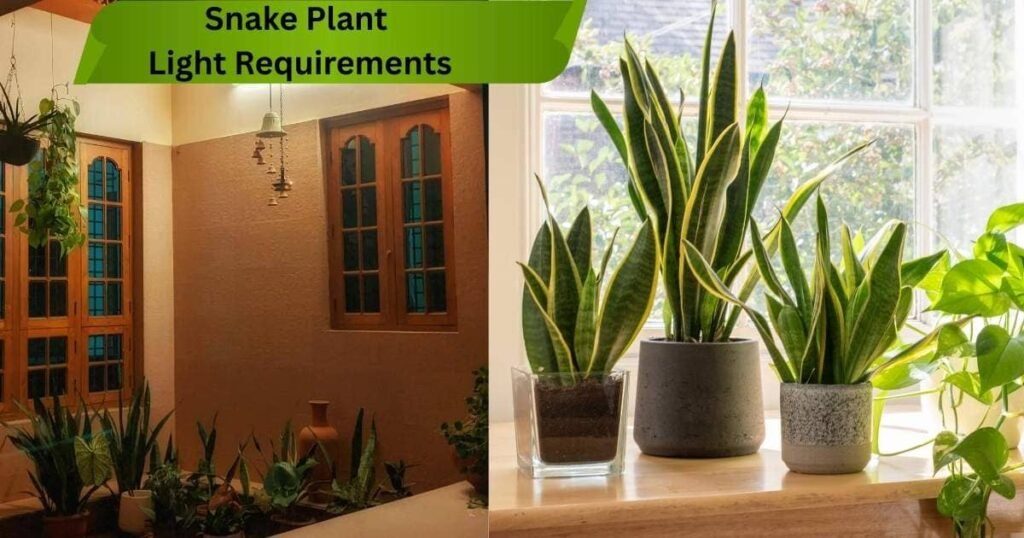
First and foremost, light plays a vital role in plant growth. A snake plant requires bright, indirect light for at least 5–6 hours daily to produce new leaves, which is why understanding proper snake plant light requirements is essential for healthy growth.
However, in colder regions or low-light conditions, this requirement can be challenging to meet in indoor spaces. In such cases, using artificial grow lights can effectively support growth and help prevent snake plant slow growth.
Root Bound Plant and Pot Restriction
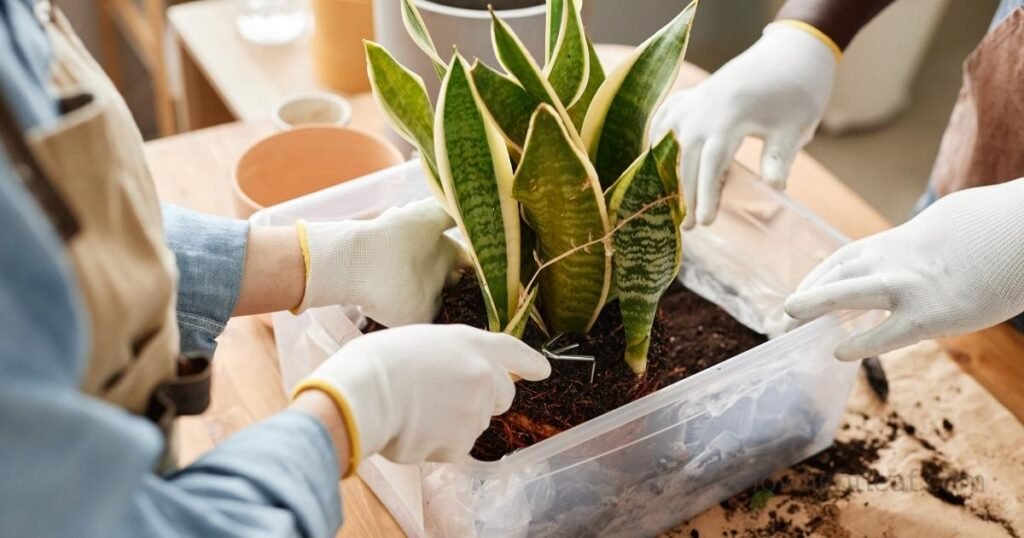
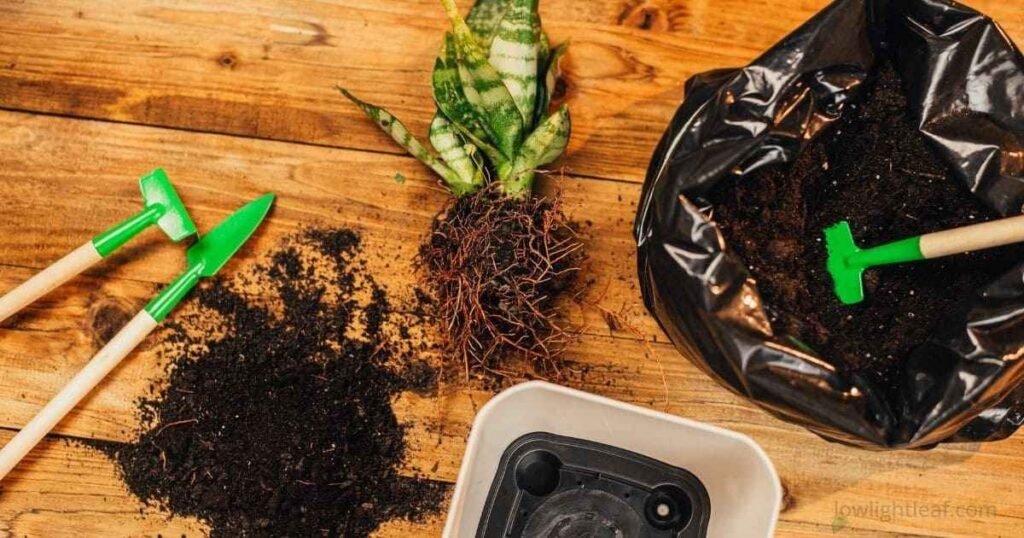
In addition, the pot size can significantly affect growth. When a snake plant becomes root-bound, its growth may slow down or completely stop. Therefore, it is essential to periodically notice the roots by removing the plant from its pot. If you notice tightly tangled roots, this is a clear sign that repotting into a slightly larger container is necessary to resolve the snake plant growth problem.
Overwatering and Poor Drainage
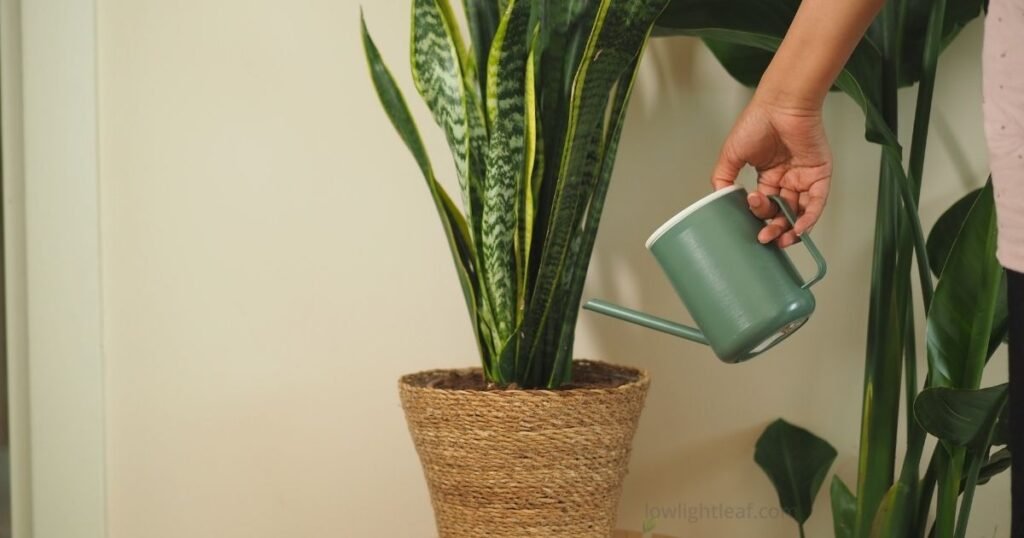
Moreover, overwatering is one of the most common reasons behind the snake plant not growing new leaves, especially when the snake plant is watered too frequently or without proper drainage.
Since snake plants naturally thrive in dry conditions, excess moisture can reduce root efficiency and slow overall growth. For this reason, always check the soil moisture before watering and ensuring proper drainage.
Prolonged Dry Soil and Dormancy
On the other hand, extremely dry soil for extended periods can also slow the snake plant’s growth. While snake plants tolerate drought, prolonged neglect may push them into dormancy. To maintain balanced development, it is best to check soil moisture weekly. If the plant is placed in bright light, it is recommended to check every 5 days.
Temperature Stress (Cold or Fluctuations)
Temperature plays a crucial role in Snake plant growth. Snake plants thrive in warm conditions, with ideal temperatures ranging from about 18 to 30°C. When cooler weather sets in, especially during winter, growth tends to slow naturally, and reduced light levels can further limit new growth.
Poor Soil Aeration and Compacted Mix
Furthermore, soil quality directly affects root health. Heavy, compacted, or poorly draining soil restricts oxygen flow to the roots. This lack of air slows root function, which can lead to a snake plant growth problem over time. Therefore, using a well-draining soil mix with proper aeration is essential for preventing snake plant slow growth.
Nutrient Deficiency or Overfeeding
Nutrients play an important supporting role. Although snake plants are not heavy feeders, a complete lack of nutrients can result in weak growth and delayed leaf development. However, over-fertilizing can be equally harmful. The best approach is to feed lightly during the active growing season (spring and summer) and avoid fertilizing during winter when growth naturally slows.
Pest Stress and Hidden Infestation
Pest infestations can quietly affect plant health. Pests such as spider mites or mealybugs drain the plant’s energy, forcing it to focus on Survival rather than growth. Consequently, you may notice a snake plant’s slow growth or a snake plant not growing new leaves. Regular inspection and early treatment can prevent long-term damage.
Recovery After Repotting or Root Damage
There are many factors, such as repotting, physical damage, or root damage, that cause physical stress to the plant. Once the plant is damaged, it will take time to recover. During this phase, it will focus solely on recovery rather than growing new leaves. Once the plant adjusts, normal growth gradually continues,especially when the plant is given proper pot size and repotting space.
How to Identify What’s Slowing Snake Plant’s Growth
As you know, what factors can limit snake plant growth? The next step is to identify which factor affects the plant and causes snake plant growth problems.
➦Check Root Space and Soil Condition: To identify, inspect the root space by gently checking whether the roots are overcrowded inside the pot. At the same time, check the soil condition; compact, water-retentive soil can restrict oxygen flow, which can be the reason for the snake plant’s slow growth or failure to grow new leaves.
➦Evaluate Light Duration (Not Just Brightness): Next, observe how long your snake plant receives light each day, as insufficient daily light duration can slow growth even when light conditions seem adequate.
➦Consider Seasonal and Indoor Climate Change: In addition, assess seasonal changes and indoor climate conditions, as each can affect plant conditions.
➦Review Recent Care Changes: Finally, evaluate any recent changes in placement or care, such as repotting, fertilizer, or watering frequency. Even minor adjustments can cause temporary stress, slowing or pausing growth.
How to Encourage New Growth in Snake Plants
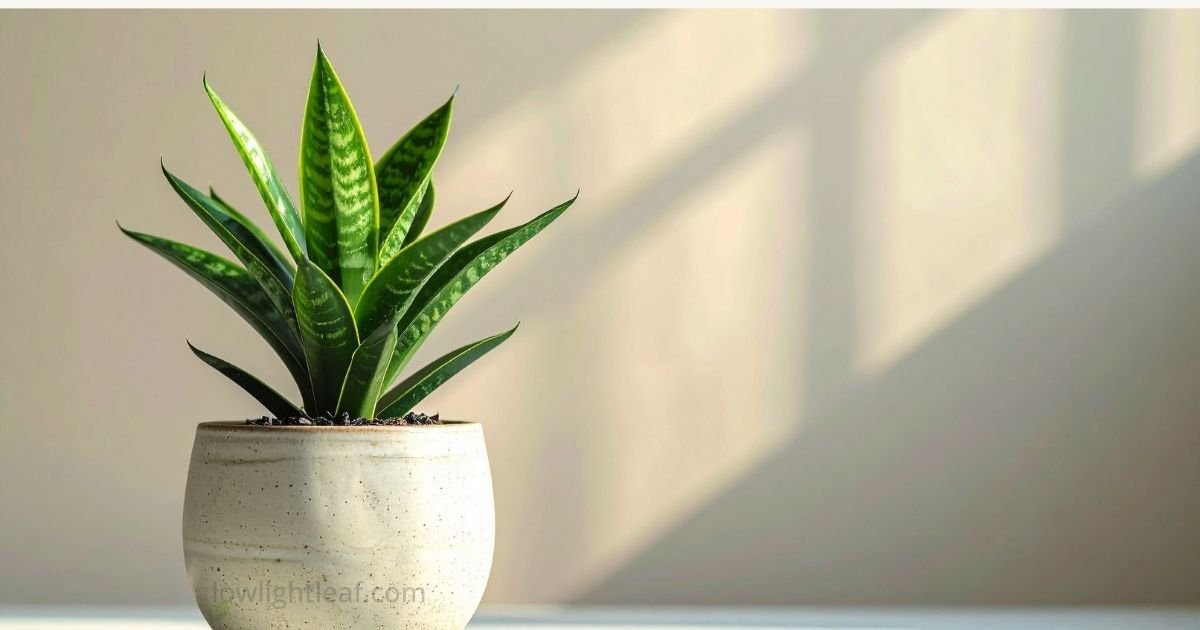
Encouraging new growth in Snake plant isn’t about a quick solution, but it’s more about giving the plant a natural environment to start growth naturally, like
Correct Light Placement
Proper light placement, as discussed earlier, helps maintain consistent energy levels and supports new leaf development.
Adjust watering for active growth
Equally important is watering balance. During active growth phases, snake plants prefer soil that dries slightly between waterings. Therefore, checking soil moisture regularly helps support steady growth and avoid a common snake plant growth problem.
Refresh Soil without Stress
Using a well-draining, airy soil mix encourages root efficiency, which directly supports new leaf growth and development, and reduces the snake plant’s slow growth.
Choose the Right Pot Size
Additionally, pot size plays a quiet but essential role. Snake plants grow outward through underground rhizomes, and a pot that is too tight can restrict this natural expansion. Selecting a container that allows moderate root spread, without being excessively large, helps the plant focus on producing new leaves rather than managing excess soil moisture.
Supporting Growth with Proper Feeding
Snake plants don’t require frequent feeding, but using a lightly diluted, balanced fertilizer in spring or summer helps supply nutrients when the plant is actively growing.
Seasonal Growth Patterns in Snake Plants
Snake plants grow according to natural seasonal rhythm, growing most actively during warm months and slowing down in cooler periods. Their growth depends on light intensity, temperature, and watering frequency throughout the year.
Why is the Snake Plant Growth Slow in Winter
Snake plant growth slows in winter due to reduced sunlight and shorter days, which limit photosynthesis. Cooler conditions slow down metabolic and cellular activity inside the plant. This slowdown is normal and helps the plant survive until warmer seasons return.
Managing Faster Growth in Summer and Spring
In spring and summer, I’ve noticed snake plants grow the most as temperatures rise and daylight lasts longer. With longer daylight hours in spring and summer, adequate indirect light naturally supports faster growth without additional adjustments. Only water once the soil is fully dry. A light, monthly feeding during this active phase also helps maintain steady, well-balanced growth.
Long-Term Growth Optimization Tips
Long-term healthy growth in snake plants depends on consistency rather than frequent adjustments. A few tips are given below for a healthy snake plant growth:
➦Place the plant in a consistent spot that gets bright, indirect light for around six hours each day. When natural light is limited, supplement with a grow light to support healthy growth.
➦Use a well-draining soil mix, as snake plants prefer dry soil conditions.
➦Always test the soil’s moisture level before watering, and change your watering schedule with the seasons to avoid root-related problems.
➦Fertilize once a month in the active growing season only.
➦Avoid unnecessary repotting, as snake plants grow best when slightly root-bound, and expanding your plant through controlled snake plant propagation can sometimes be a better long-term option.
➦Snake plants grow slowly, so they rarely need pruning. Remove only damaged or unhealthy leaves when necessary.
➦Regularly inspect the plant to protect it from diseases and gently clean the leaves with a damp cloth to keep it dust-free and healthy.
If your space has limited natural light, choosing plants that naturally adapt well to such conditions can make indoor gardening much easier, as seen in our low light plants collection.
FAQ for Snake Plant Not Growing
How long does it take a snake plant to grow a new leaf?
A new leaf usually takes several weeks to a few months to emerge, depending on light, temperature, and season. Growth is faster in spring and summer, and naturally slows during winter.
Do snake plants stop growing permanently?
No, snake plants do not stop growing permanently. They may pause or slow down during dormancy or stress, but growth resumes once conditions such as light, watering, and temperature improve.
Should I fertilise a slow-growing snake plant?
Yes, but only use a lightly diluted fertilizer once a month during the active growing season. Avoid fertilising when the plant is dormant or showing signs of stress.
Can a snake plant recover after years of slow growth?
Yes, with proper care and by optimising light, soil, watering, and occasional feeding, a snake plant can gradually recover and produce healthy new leaves even after years of slow growth.

Ellie Marsh
Houseplant grower who spent years in a north-facing apartment. Writes practical care guides for low light homes, checked against extension and botanical garden sources.
Explore more: